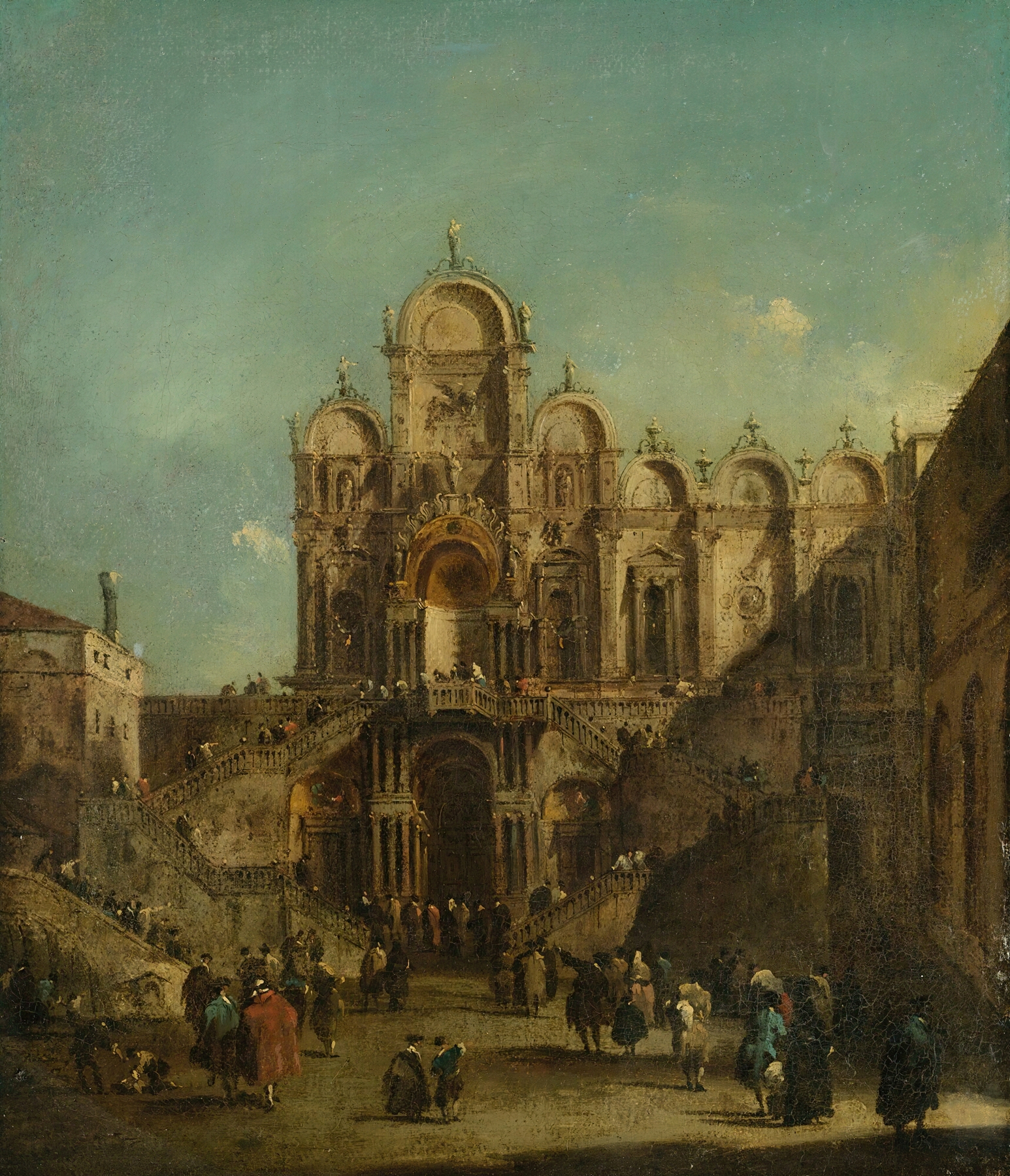
View Of Campo San Zanipolo With The Loggia Erected On The Occasion Of The Blessing Of Pope Pius Vi — History & Analysis
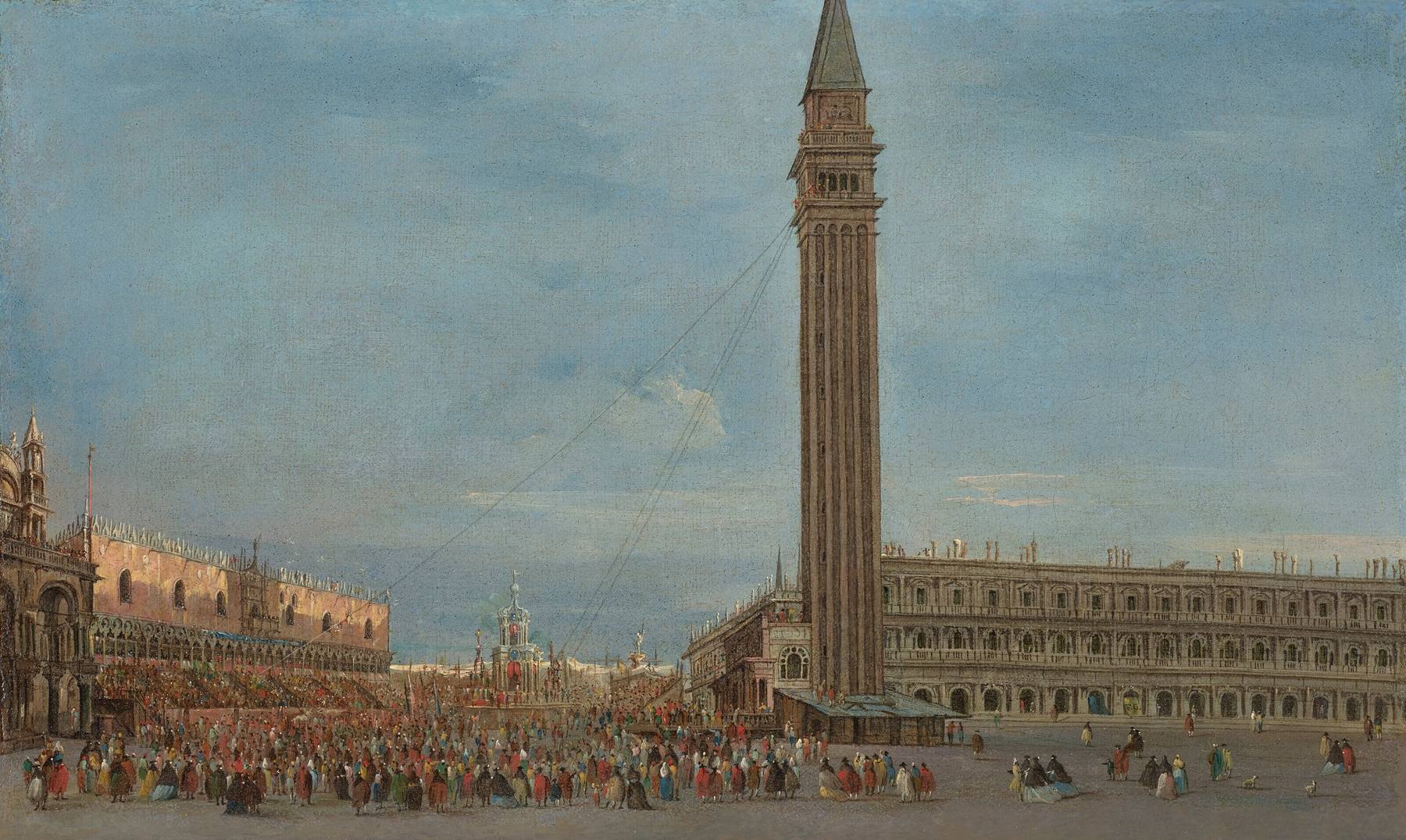
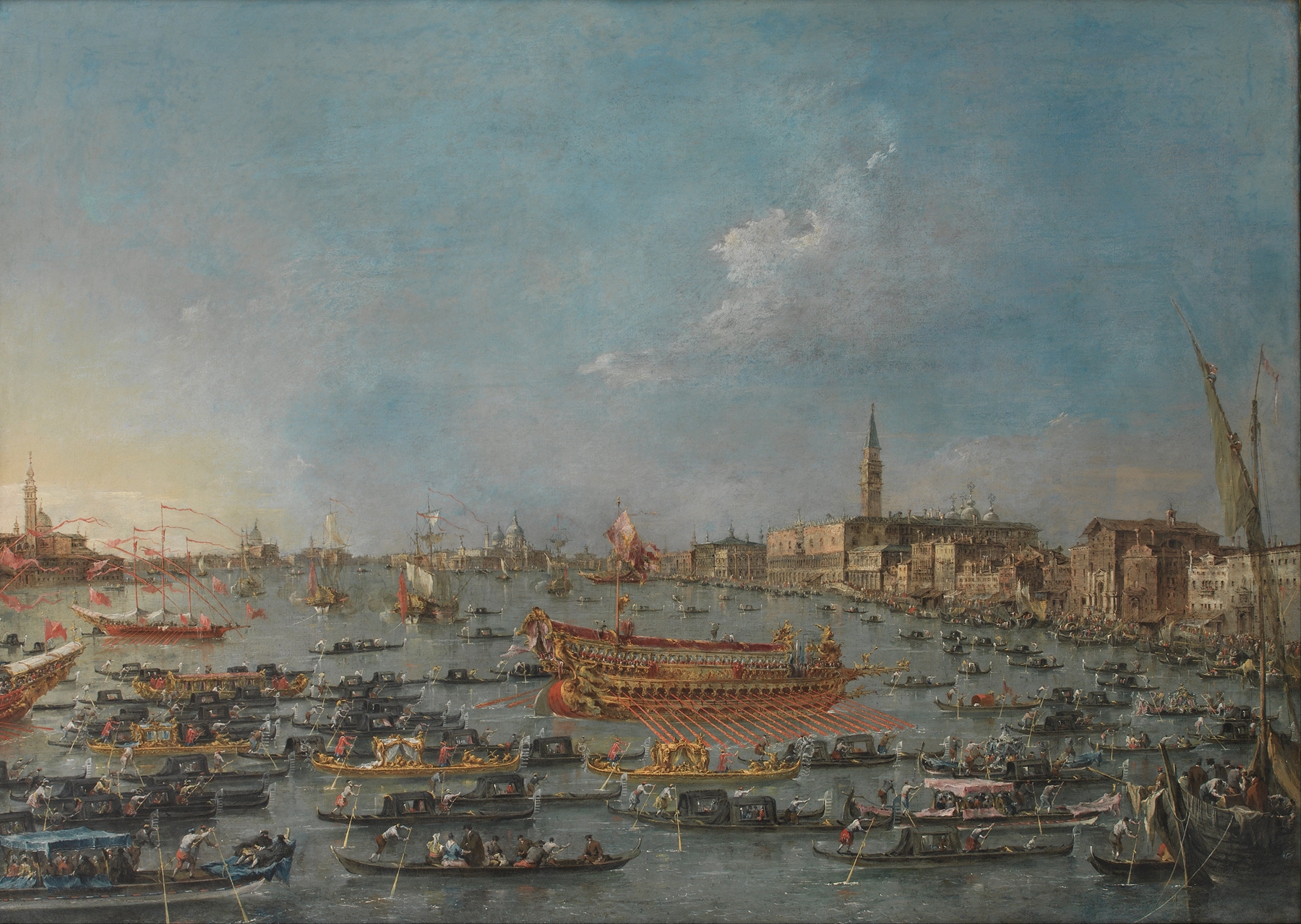
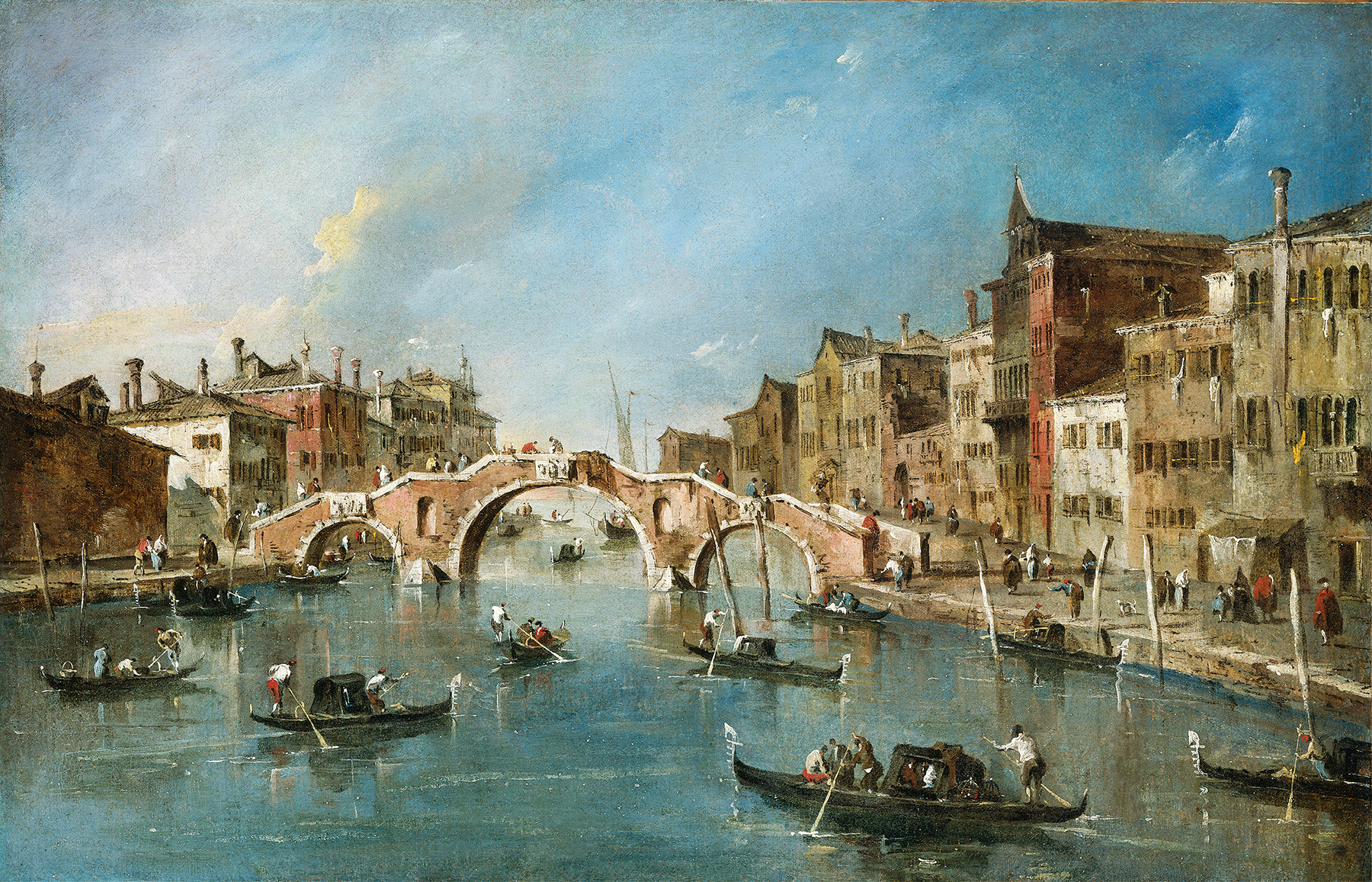
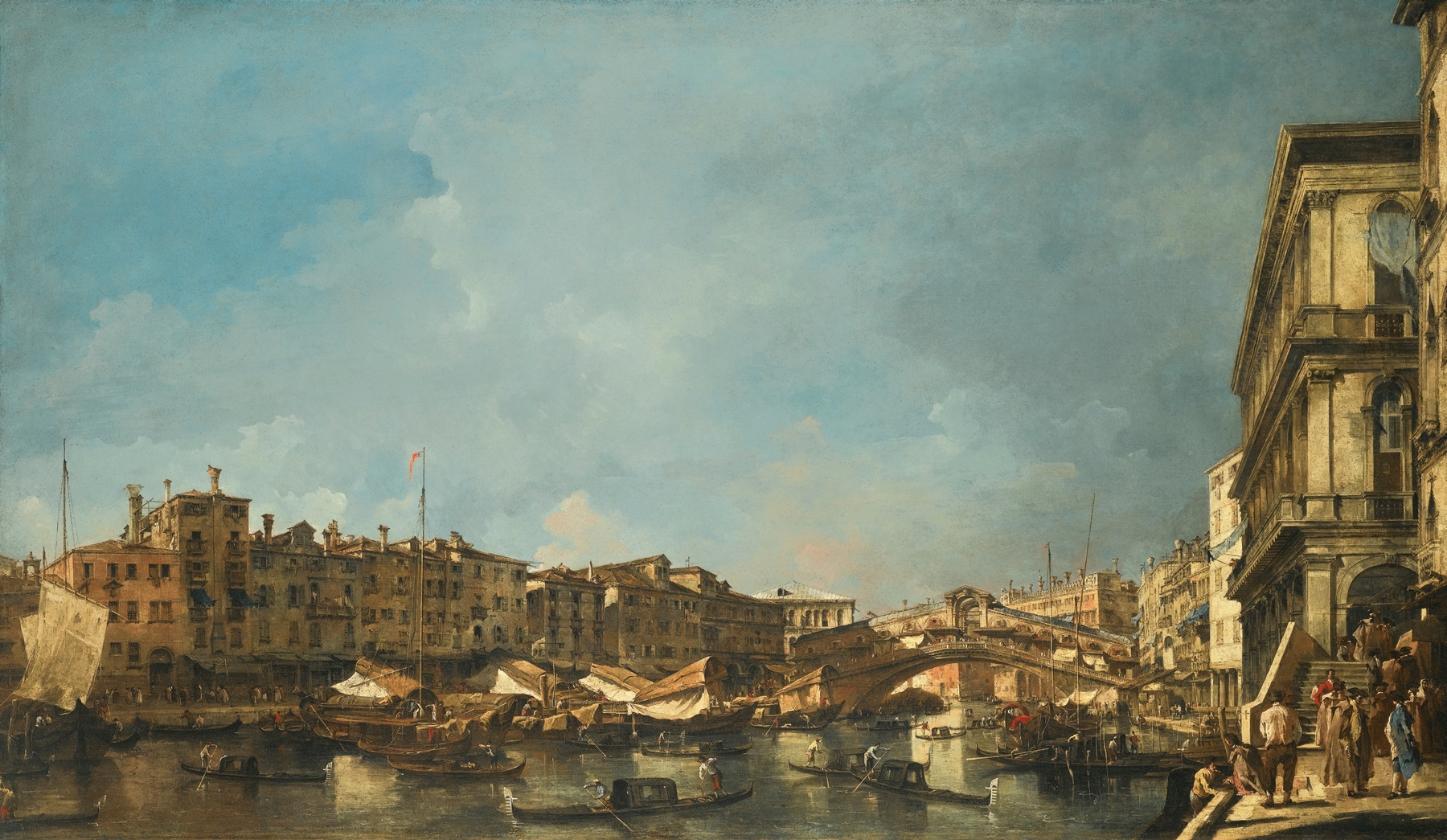
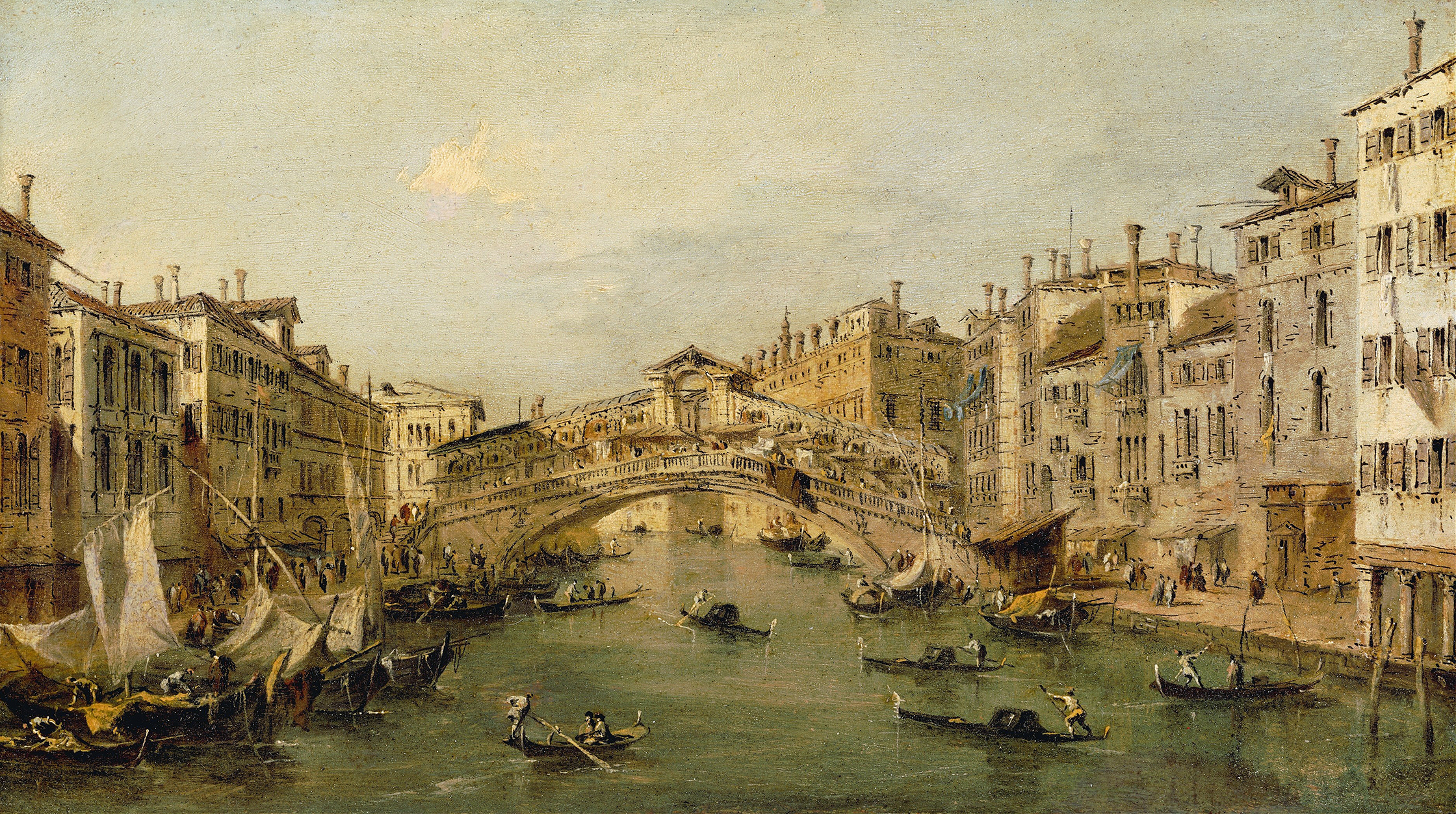
Did the painter know this moment would outlive them? As the sun filters through the delicate clouds, illuminating the grand architecture of a sacred city, faith intertwines with human endeavor in a timeless embrace. Look to the left at the majestic loggia, its intricate columns standing firm as if to echo the ceremony taking place beneath its arch. Notice the vibrant strokes of blue and white that capture the essence of the sky, while soft browns and grays ground the scene, inviting you to linger at the bustling foreground filled with figures dressed in the formal attire of the day.
The vibrant colors reveal a celebration, but the shadows cast by the towering structures remind us of the weight of tradition hanging palpably in the air. In this scene, the contrast between the jubilant crowd and the solemnity of the religious rite speaks to the intersection of public devotion and private belief. The gathering symbolizes collective hope, yet the buildings loom over them, representing the enduring power of the Church and the state. Each brushstroke breathes life into the event, inviting a reflection on the fleeting nature of both public moments and individual faith.
Created during the late 18th century, when Guardi was navigating a changing artistic landscape in Venice, this piece reflects a time marked by the influence of the Enlightenment. The artist, known for his evocative landscapes and scenes of daily life, captured the essence of a city rich in both spiritual and temporal power. Amidst political upheaval and shifting paradigms, this work stands as a testament to a moment in history that resonated deeply not only in Venice but also throughout Italy.