
View of Grainfields with a Distant Town — History & Facts
Is this a mirror — or a memory? In View of Grainfields with a Distant Town, destiny unfurls across a vast expanse, inviting contemplation of what lies beyond the horizon. Look to the left at the delicate strokes that create a patchwork of golden wheat swaying gently in the breeze, a testament to the labor of the hands that nurtured it. Focus on the rich greens that flank the fields, contrasting with the distant, muted hues of the town nestled beneath a sky that shifts from azure to muted gray. The composition draws the eye upward, where clouds gather, hinting at the interplay between the mundane and the sublime — the essence of a landscape alive with both harvest and hope. Beneath the surface, a silent dialogue emerges between the natural and the man-made; the flowing fields signify abundance, while the distant town embodies the human pursuit of stability and progress.
Note the contrast between the earthy colors of the grain and the cooler tones of the sky, evoking a sense of longing and inevitability. Each brushstroke suggests a fleeting moment in time, one where the viewer is invited to ponder their own place in the vast tapestry of existence. Jacob van Ruisdael painted this piece in 1670 during a period of transition in Dutch art, as landscapes began to embody deeper narratives beyond mere representation. Working in Haarlem, he sought to capture the beauty of the Dutch countryside while grappling with the socio-political climate of his time, marked by both prosperity and uncertainty.
This painting stands as a reflection of his dedication to portraying nature's quiet majesty intertwined with human experience.
More Artworks by Jacob van Ruisdael
Browse all →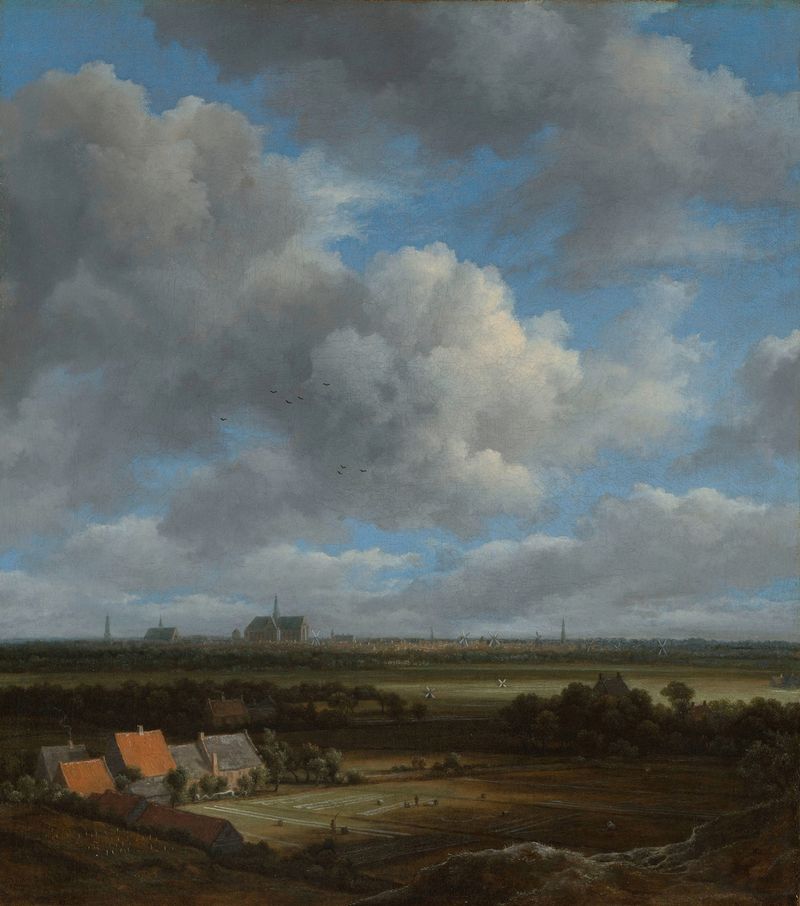
View of Haarlem from the Northwest, with the Bleaching Fields in the Foreground
Jacob van Ruisdael
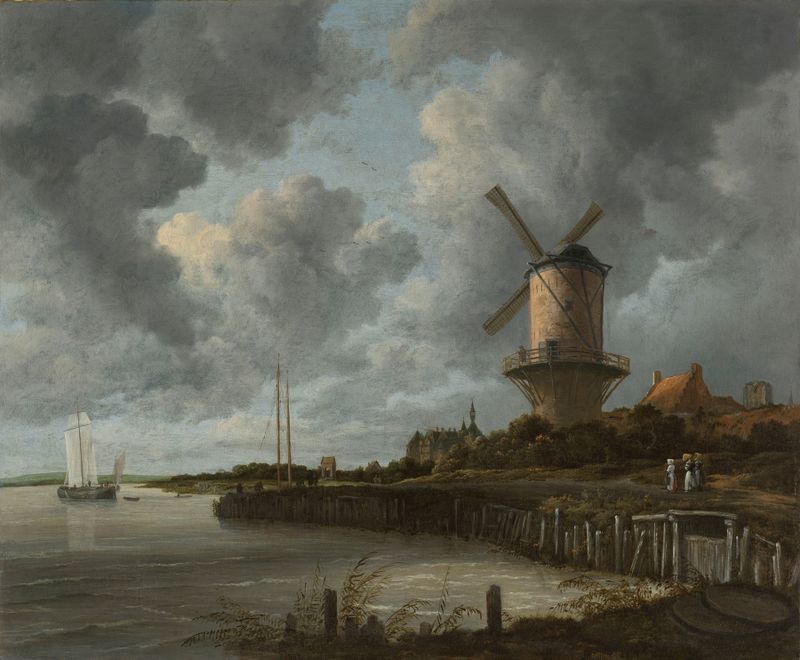
The Windmill at Wijk bij Duurstede
Jacob van Ruisdael
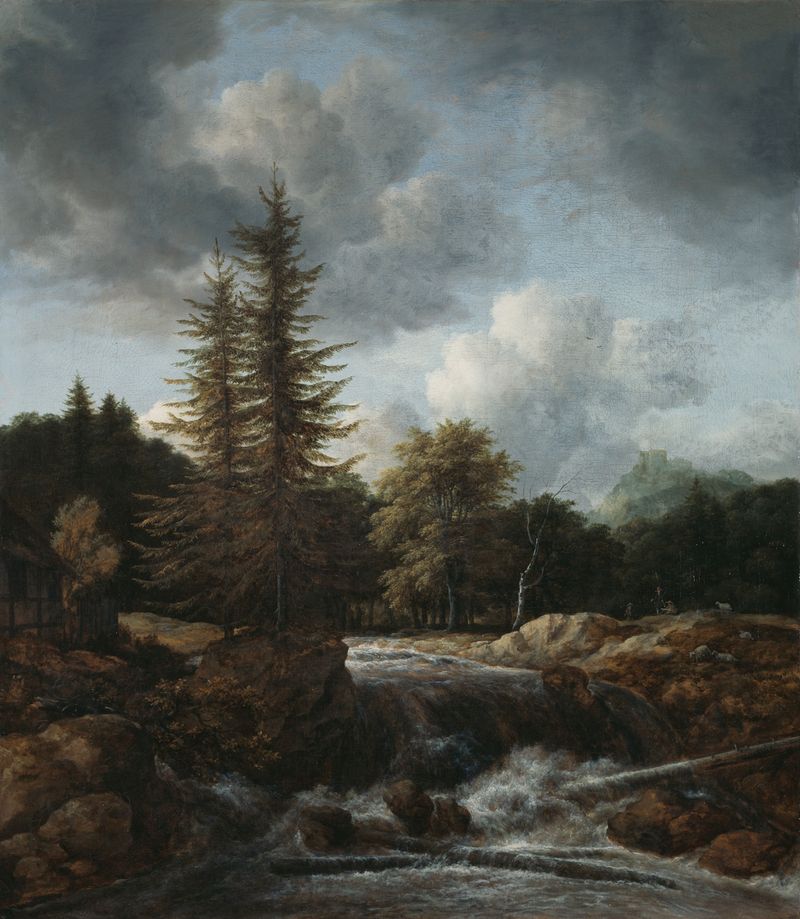
Landscape with Waterfall
Jacob van Ruisdael
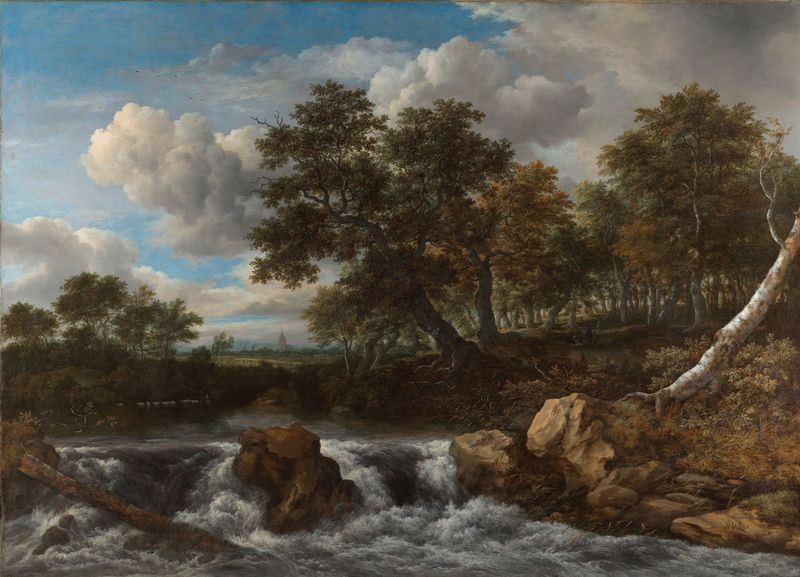
Landscape with Waterfall
Jacob van Ruisdael
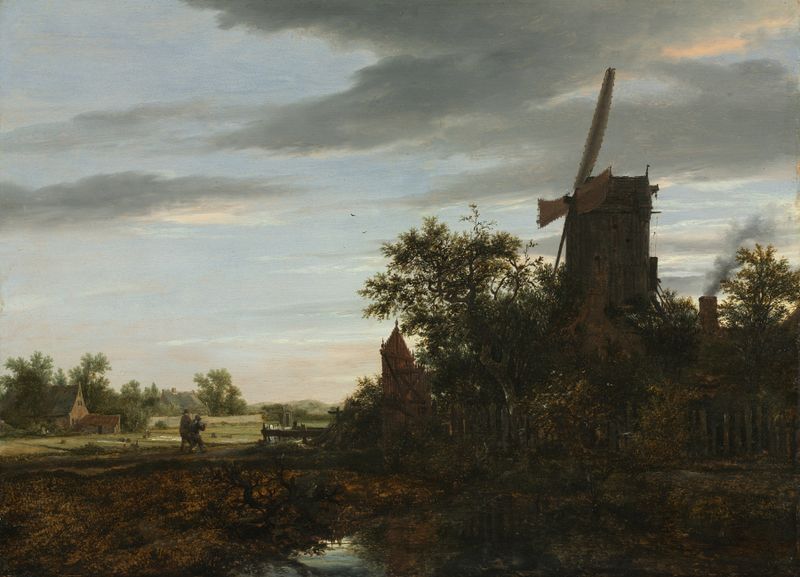
Landscape with a Windmill
Jacob van Ruisdael

Wooded hillside with a view of Bentheim Castle
Jacob van Ruisdael
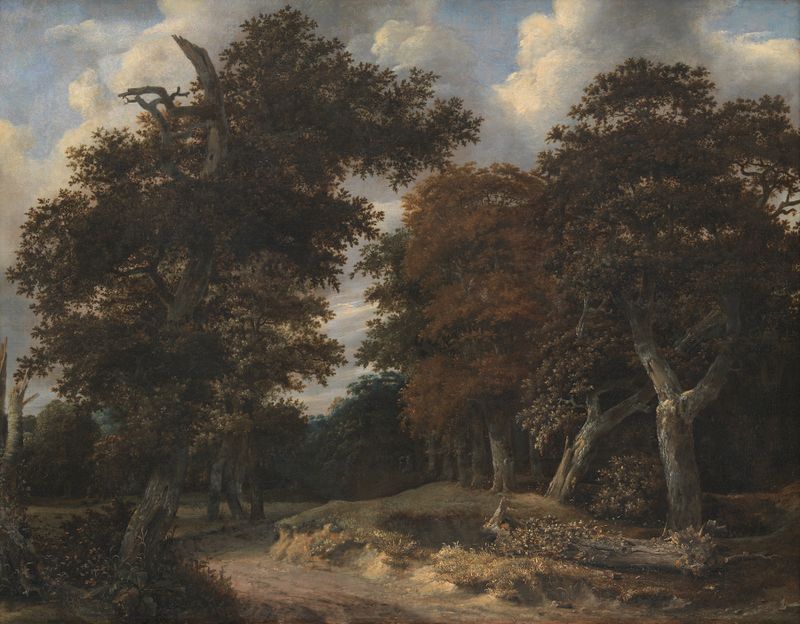
Road through an Oak Forest
Jacob van Ruisdael

Landscape with a Church
Jacob van Ruisdael

The Forest Stream
Jacob van Ruisdael

The Jewish Cemetery
Jacob van Ruisdael





