
View of Leghorn — History & Facts
In a time where fleeting moments slip through our fingers, a painting can capture the essence of existence and invite us to pause and reflect. Look closely at the horizon in View of Leghorn. The gentle blue of the sky pools into the soft, warm hues of the sun-kissed land, creating a serene yet dynamic composition. Notice how the light casts delicate shadows on the buildings, as if each structure breathes alongside the viewer.
The play of color and light draws your gaze across the canvas, leading you from the tranquil sea lapping at the shore to the bustling activity of the port, alive with the promise of trade and travel. There’s a gentle tension between the calmness of nature and the industrious spirit of humanity. The contrast between the serene waters and the busy docks evokes a feeling of nostalgia, as if time itself has been suspended in this harmonious balance. Small details—the sails billowing in the wind and the figures animatedly engaged in their tasks—speak of lives intertwined with both the beauty and chaos of existence.
Each brushstroke tells a story, revealing the delicate fabric of daily life. William Marlow painted View of Leghorn amidst a flourishing period for landscape artists in the late 18th century, a time when the romantic notions of nature began to resonate deeply with audiences. Living in England, Marlow found inspiration in European coastal scenes, capturing the essence of places like Leghorn while also reflecting the broader artistic shifts of his time, marked by a growing appreciation for both the sublime and the picturesque in nature.
More Artworks by William Marlow
Browse all →
Whitehall
William Marlow
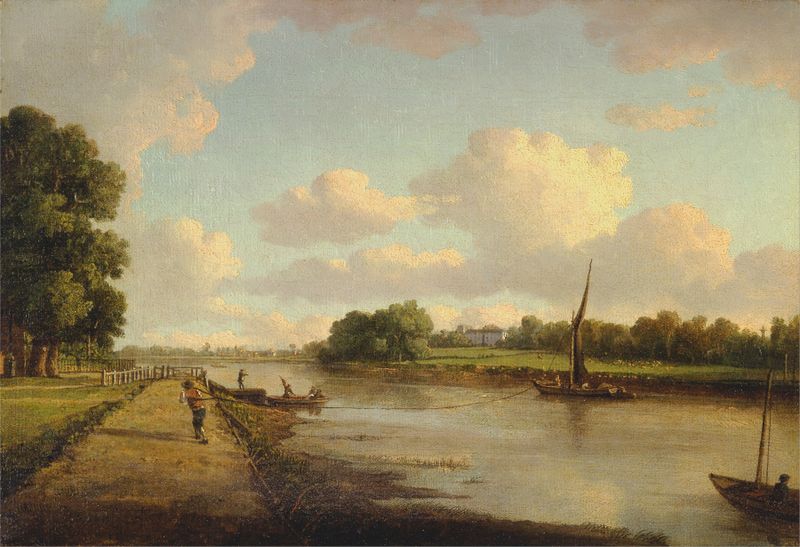
View on the River Thames at Richmond
William Marlow
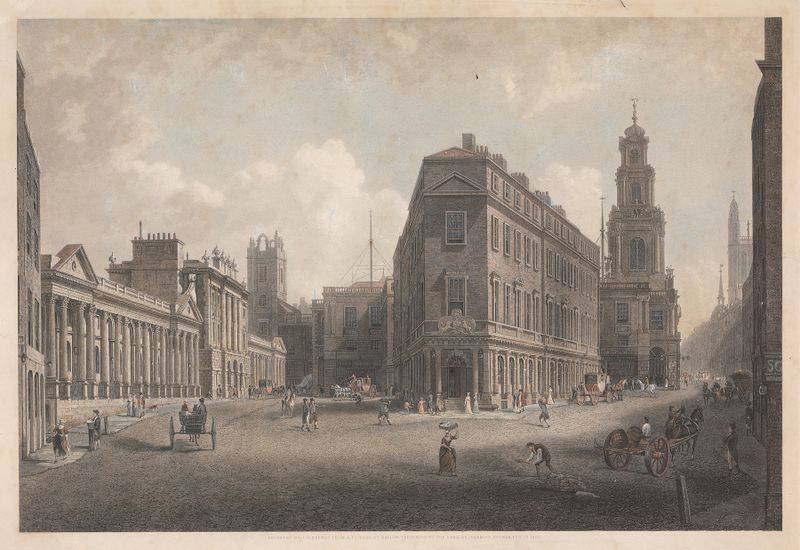
Bank of England Royal Exchange
William Marlow

The Thames At Richmond
William Marlow

The Arno towards the Ponte alle Grigio
William Marlow
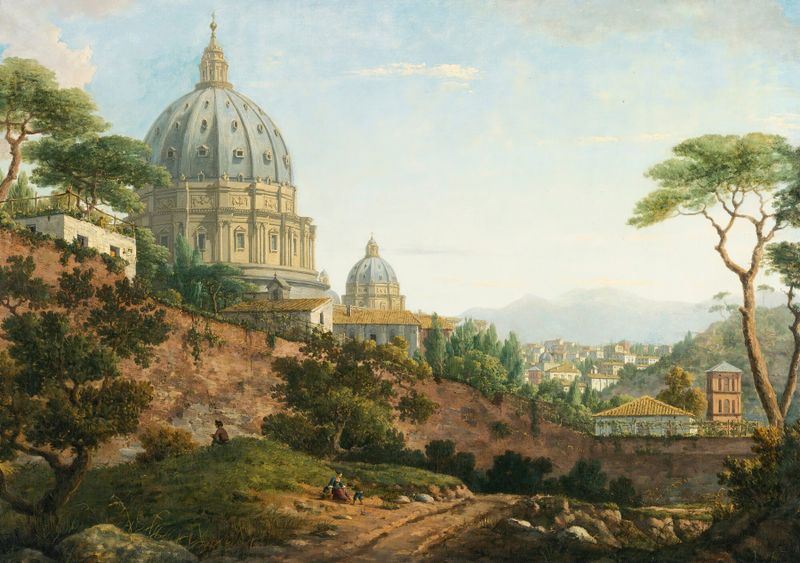
View Of Saint Peter’s, Rome
William Marlow
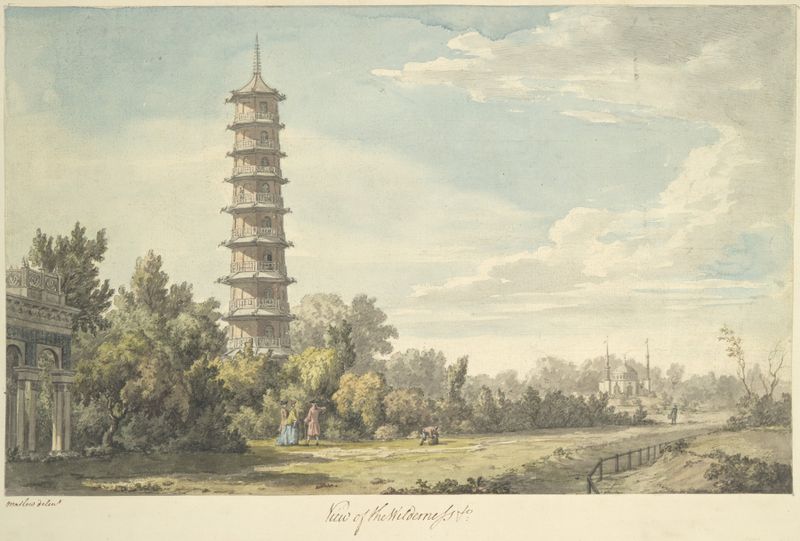
View of the Wilderness at Kew
William Marlow
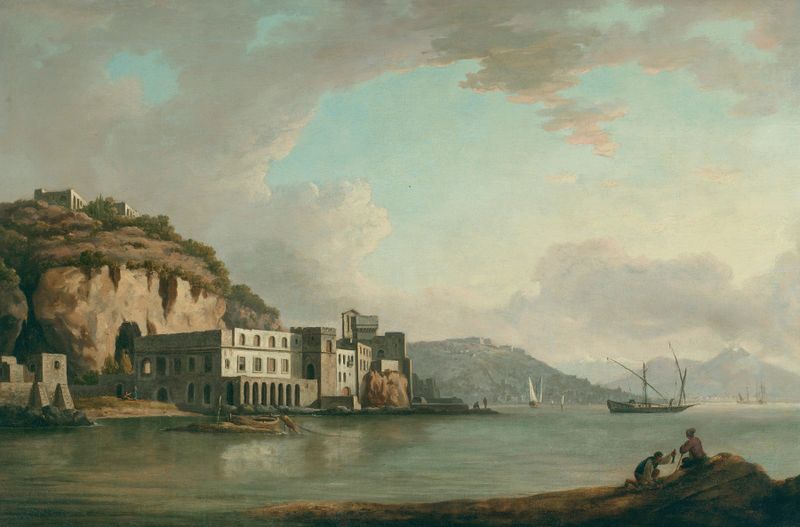
The Bay of Naples with Santa Maria degli Angeli
William Marlow

Nîmes from the Tour Magne
William Marlow
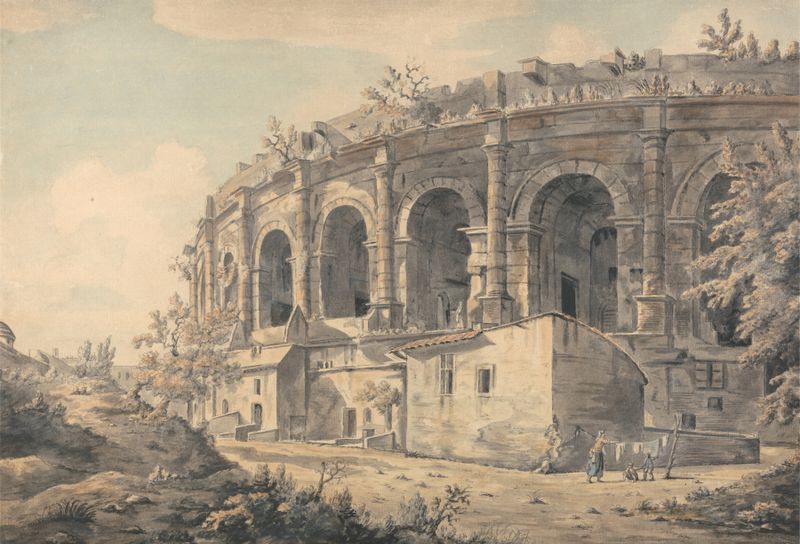
The Amphitheater at Nimes
William Marlow





