View of Malta — History & Facts
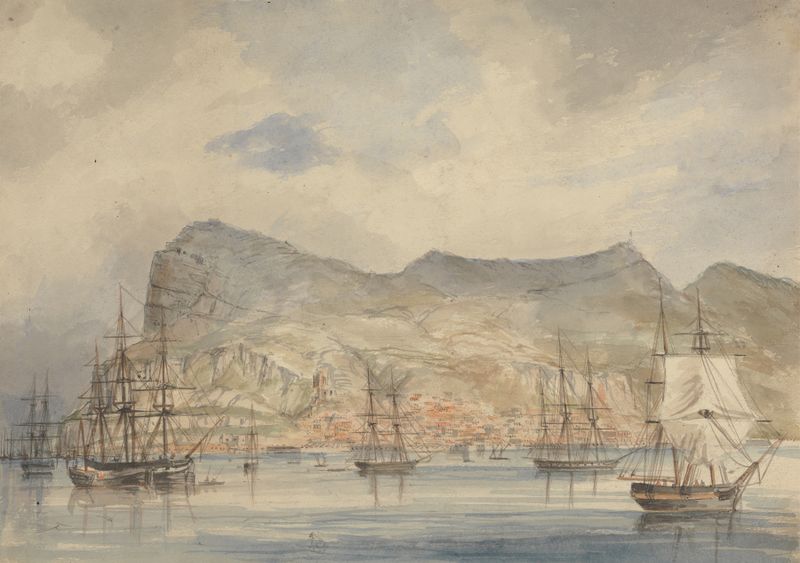
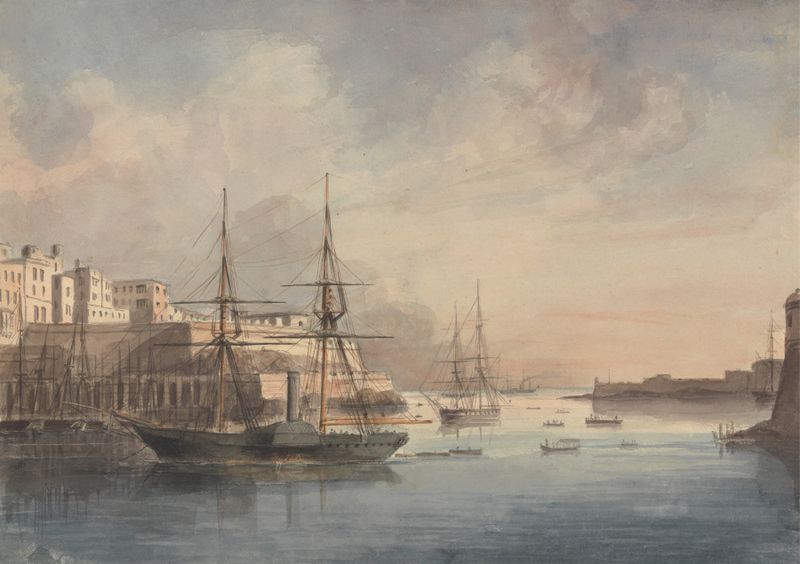
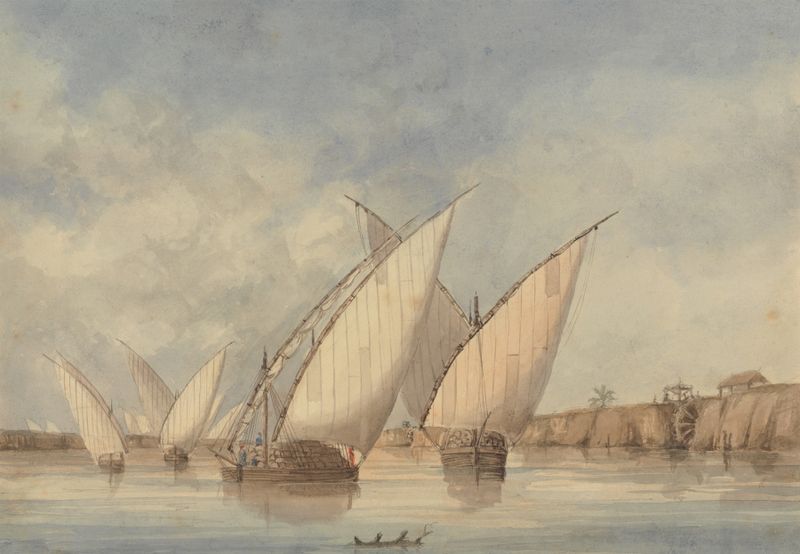
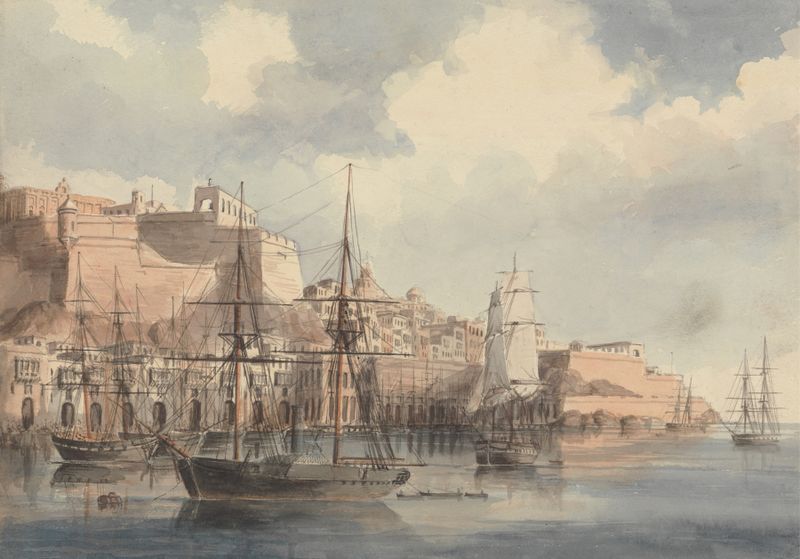
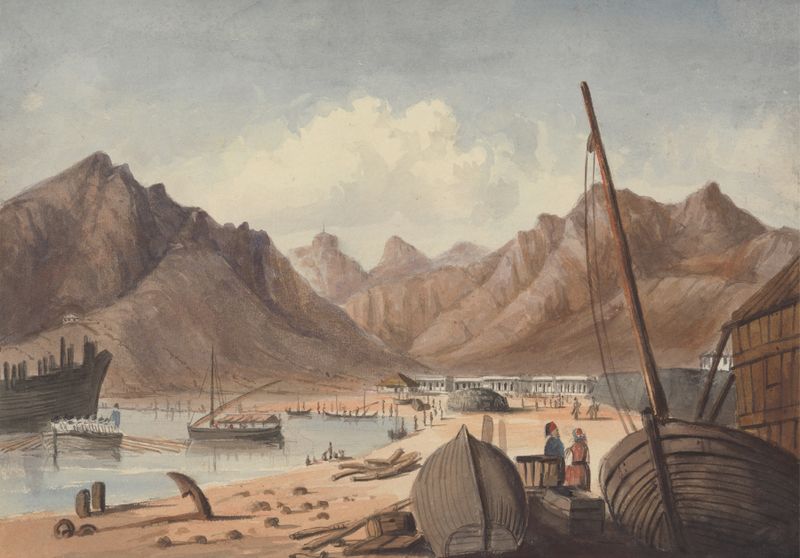
When did color learn to lie? In View of Malta, vibrant hues dance across the canvas, each stroke whispering of hope and the promise of light even in the darkest of times. Look to the lower right, where the turquoise water glimmers under a radiant sun. The artist masterfully contrasts the warm golden tones of the buildings against the cool shades of the sky and sea, drawing the eye upward. The curved shoreline leads the viewer’s gaze through the bustling harbor, where boats sway gently on the waves, their sails catching a breath of wind.
The careful brushwork and layered color create a sense of depth and vibrancy, inviting the viewer to immerse themselves in this idyllic moment. Yet, beneath the surface of this picturesque landscape lies a tension between tranquility and the encroaching realities of life. The boats may appear serene, but they symbolize the journeys and struggles of those who traverse the waters, seeking new beginnings. The interplay of light and shadow serves as a reminder that hope shines brightest against the backdrop of darkness.
The scene bursts with life, yet hints at the inevitable passage of time that shapes both landscape and spirit. In 1849, Charles Dyce painted this view during a period of artistic exploration and innovation in Europe. He was living in Scotland, where the Romantic movement was gaining momentum, prompting artists to reflect on nature and emotion with renewed intensity. This work embodies the longing for beauty and connection, capturing a moment in Malta that resonates with a yearning for hope amidst the shifting tides of the world.