View of Malta — History & Facts
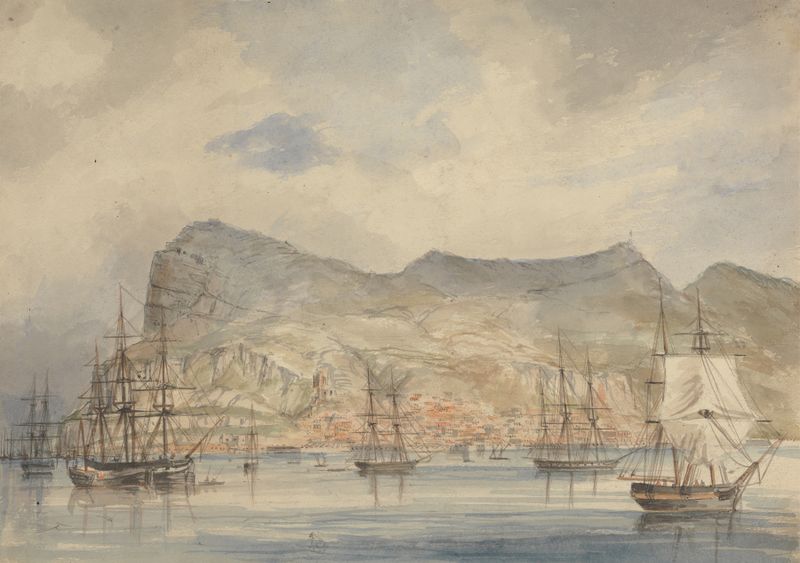
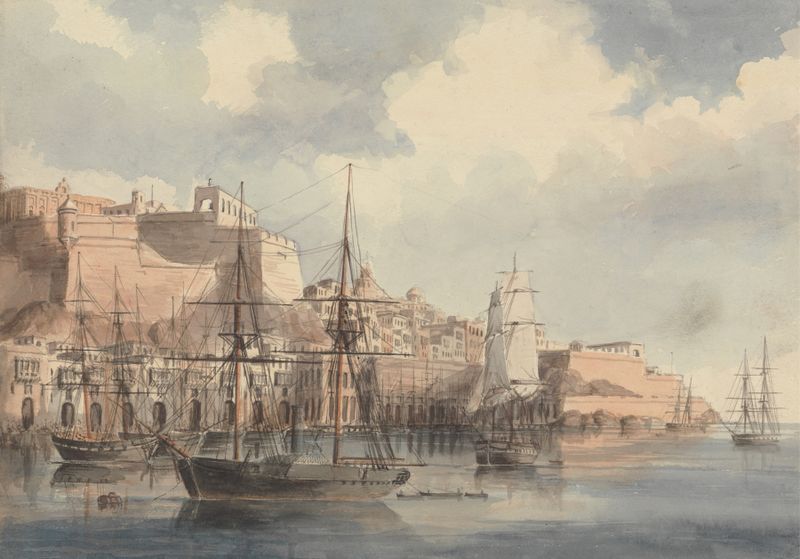
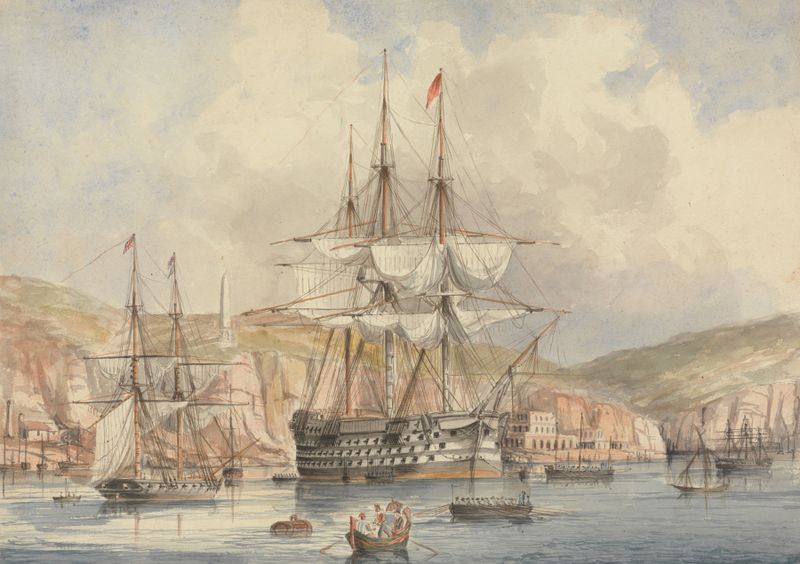
In a fleeting moment, a landscape captures the weight of history and the promise of legacy, forever etched into canvas. Focus first on the horizon where the soft, golden light of the Mediterranean sun spills over the distant hills. The azure sky meets the shimmering sea, and Dyce’s delicate brushwork breathes life into the vibrant hues of Malta’s terrain. Notice how the artist masterfully balances the deep blues with warm earth tones, guiding your gaze through the undulating landscape that breathes both serenity and grandeur. Within this painted vista lies a dialogue between nature and civilization.
The rugged cliffs stand firm against the gentle waves, symbolizing resilience in the face of time. Meanwhile, the scattered architecture hints at human presence, a reminder of the transient nature of our existence. Dyce invites viewers to reflect on what endures and what fades, each brushstroke a testament to the beauty of both permanence and change. In 1848, Charles Dyce painted this work during a period marked by significant social and political change in Europe.
Living in London, he was immersed in the burgeoning Romantic movement, which sought to connect emotion with the sublime beauty of nature. As he turned his attention to Malta, Dyce sought to convey not just a scene, but a legacy that intertwines the past with the present, reflecting the artist’s journey and the world around him.