A Mediterranean Port — History & Facts
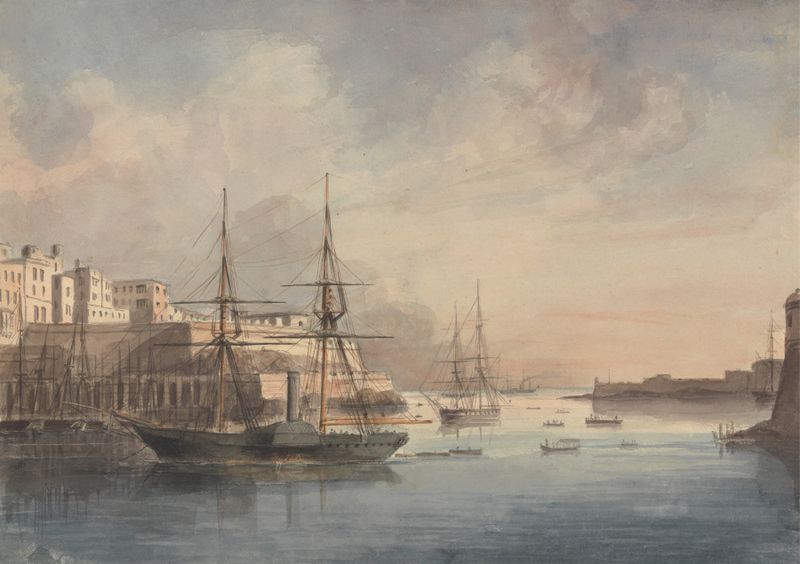
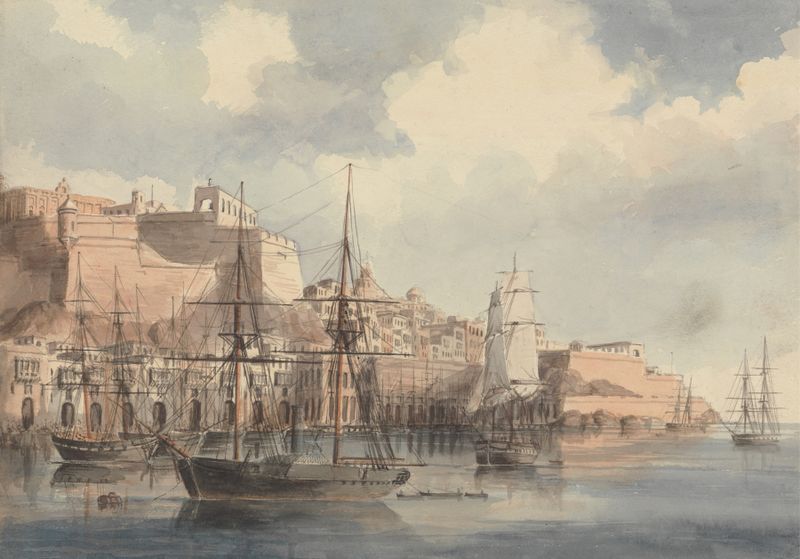
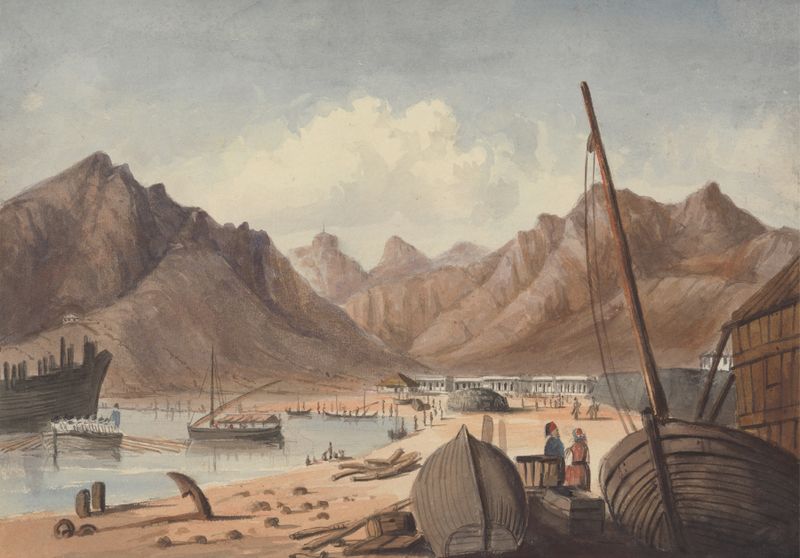
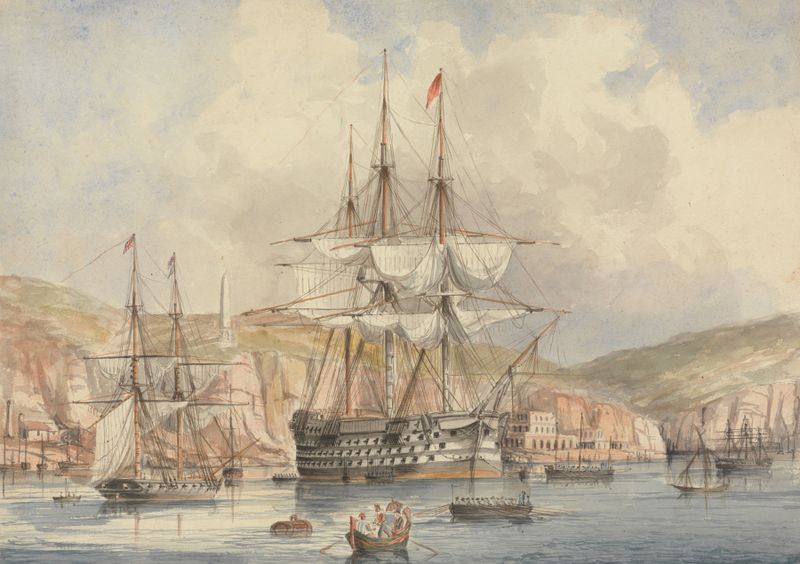
In the stillness of a Mediterranean port, fear lurks beneath the shimmering surface of vibrant colors and tranquil seascapes. Look to the left at the gentle waves lapping against the worn dock, where fishermen unload their vessels, their weathered faces etched with lines that speak of hard labor and unspoken worries. The warm sunlight bathes the scene in golden hues, illuminating the interplay of light and shadow that gives depth to the architecture of the port buildings. Dyce employs soft brushstrokes to create fluidity in the water, while the contrasting solidity of the stone structures evokes a sense of stability amid uncertainty. Beneath the beauty, however, lies an undercurrent of apprehension.
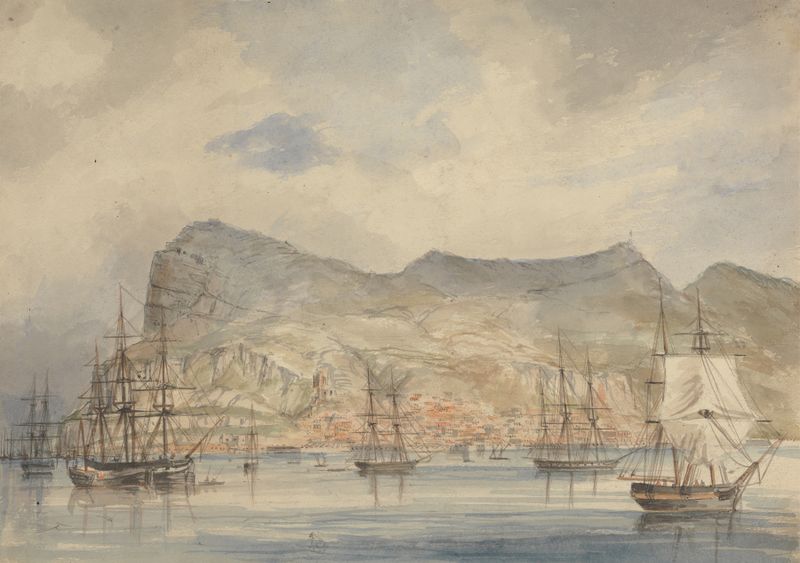
The distant mountains loom like guardians, yet they could also symbolize isolation, an ever-present reminder of the threats lurking beyond the horizon. Each figure, absorbed in their tasks, carries the weight of the unknown, and the juxtaposition of their industriousness against the tranquil landscape reflects the balance between hope and trepidation that defines human existence. In 1848, when this piece was created, Charles Dyce was in the midst of a transformative period, grappling with the shifting tides of the art world in Britain. The socio-political climate was charged, with revolutions sweeping across Europe.
As artists began to explore realism and turn towards more emotive expressions, Dyce focused on capturing the essence of everyday life, while subtly acknowledging the fears that accompany it.