Mediterranean Port — History & Facts
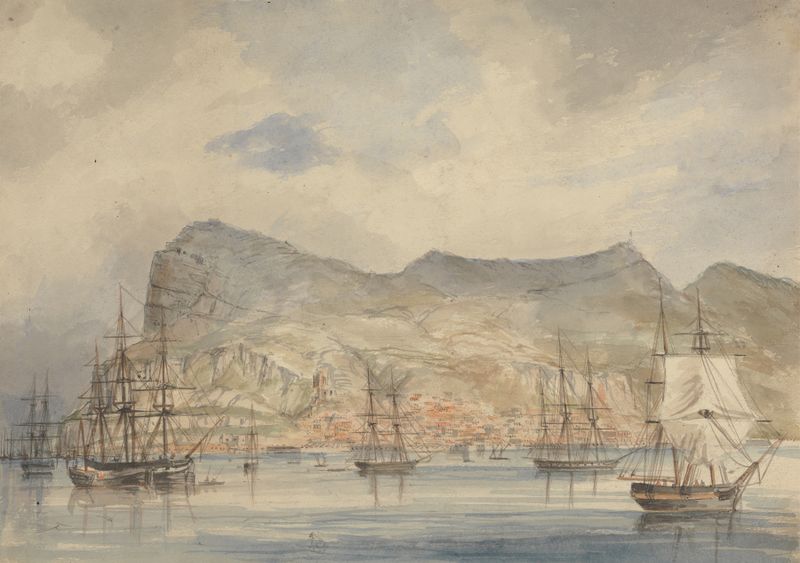
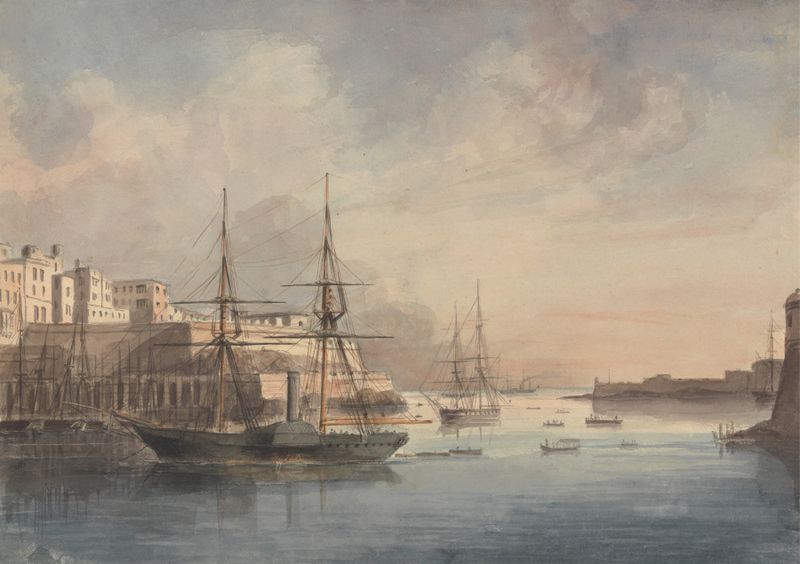
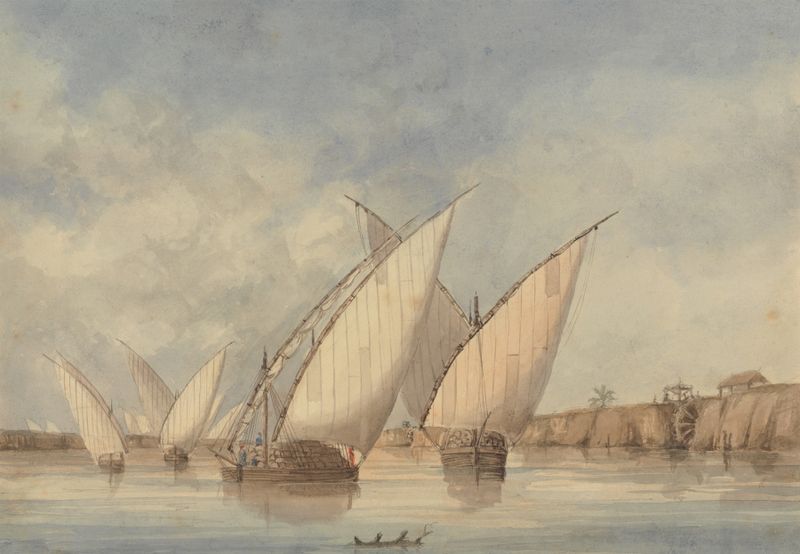
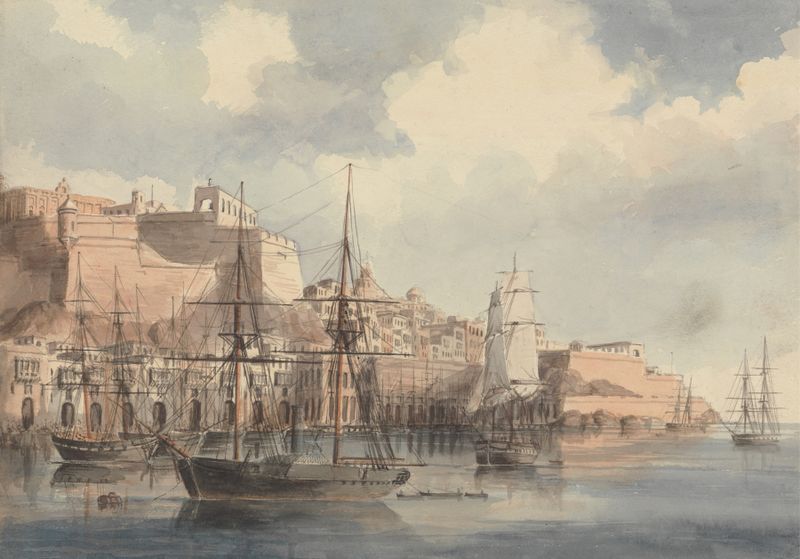
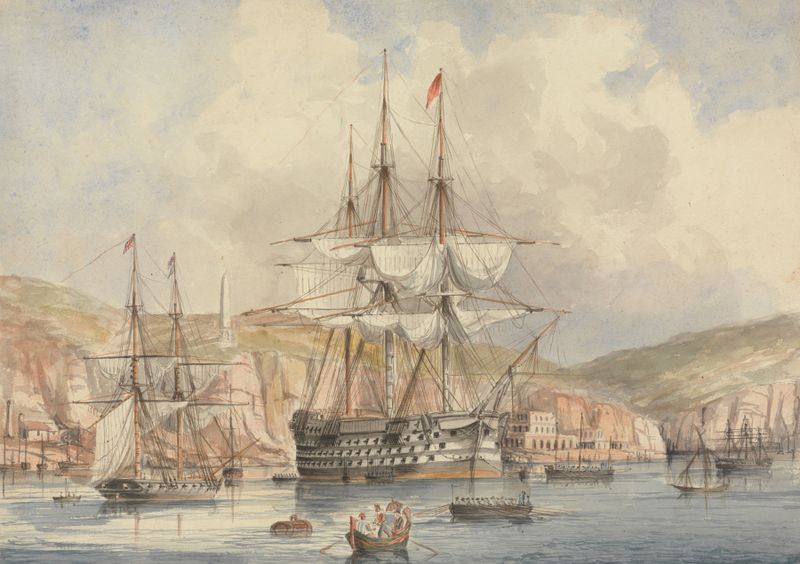
Time flows like the gentle waves lapping at the shore, each moment captured in an eternal embrace. The beauty of the Mediterranean unfolds in vibrant colors, inviting contemplation of all that has come before and all that is yet to be. Look toward the lower part of the canvas where boats sway rhythmically, their hulls painted in varying shades of blue and green that mimic the sea. Notice how the shadows dance across the docks, hinting at the late afternoon sun filtering through clouds, creating a soft golden glow on the water’s surface.
The artist’s meticulous brushwork evokes a peaceful yet dynamic atmosphere, pulling you into a scene that feels alive. As you absorb the painting, consider the contrast between the bustling activity of the port and the serene backdrop of the mountains. The boats, teeming with life, juxtapose against the stillness of the horizon, suggesting a dichotomy of human endeavor and nature’s splendor. The figures on the docks, though small, radiate purpose; their gestures hint at stories untold, echoing the flow of time as they engage with the world around them. In 1848, Charles Dyce painted this work during a period when Romanticism was evolving into Realism in the art world.
Living in Britain, Dyce was influenced by the changing dynamics of society and the beauty of the Mediterranean that beckoned to many artists of his time. This painting reflects not only his admiration for the landscape but also a deeper understanding of life’s transience in the midst of perpetual motion.