
View of Saleve, near Geneva — History & Facts
What if silence could speak through light? In View of Saleve, near Geneva, the stillness of nature invites introspection, suggesting that emptiness can resonate with profound emotion. Look to the horizon, where gentle undulations of the Saleve mountains meet the expansive sky. The subtle gradients of blue and gray create a serene backdrop, while warm earth tones in the foreground ground the composition. Notice how the brushstrokes vary, transitioning from smooth, blended areas that evoke the softness of distant hills to more textured patches that highlight the details of the vegetation.
This contrast draws the eye, guiding you through a landscape that feels both familiar and dreamlike. In this work, emotional tensions manifest through contrasts of light and shadow, signifying the relationship between nature and the human experience. The muted colors evoke a sense of melancholy and solitude, inviting contemplation on themes of transience and permanence. The empty spaces serve as a canvas for personal reflection, where the viewer's thoughts fill the void, creating a dialogue with the landscape. Painted in 1834, this piece emerged during a period when Rousseau was deeply engaged with the Barbizon school, focusing on direct observation of nature.
It was a time of rapid change in the art world, as Romanticism blossomed and artists sought to express their emotional responses to the environment. Living near the banks of the Seine, Rousseau's explorations of the French countryside rapidly informed his work, marking his evolution into a leading figure in landscape painting.
More Artworks by Théodore Rousseau
Browse all →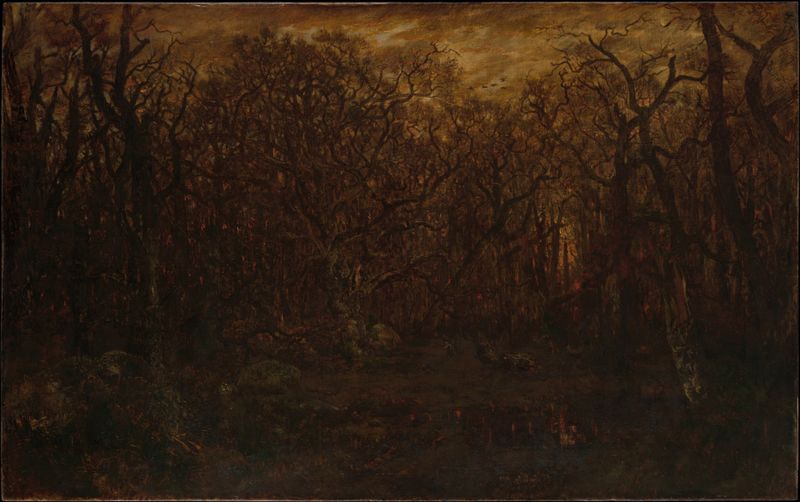
The Forest in Winter at Sunset
Théodore Rousseau
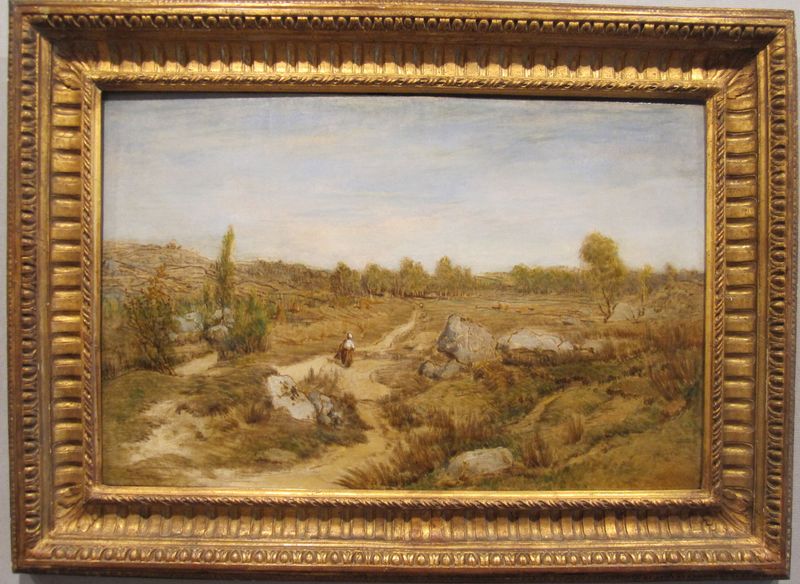
Valley of the Rouars in the Gorges d’Apremont
Théodore Rousseau
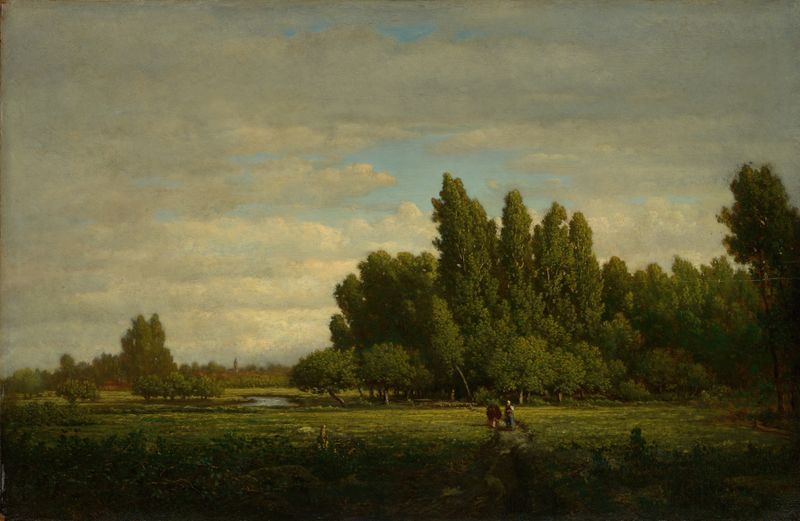
A Meadow Bordered by Trees
Théodore Rousseau
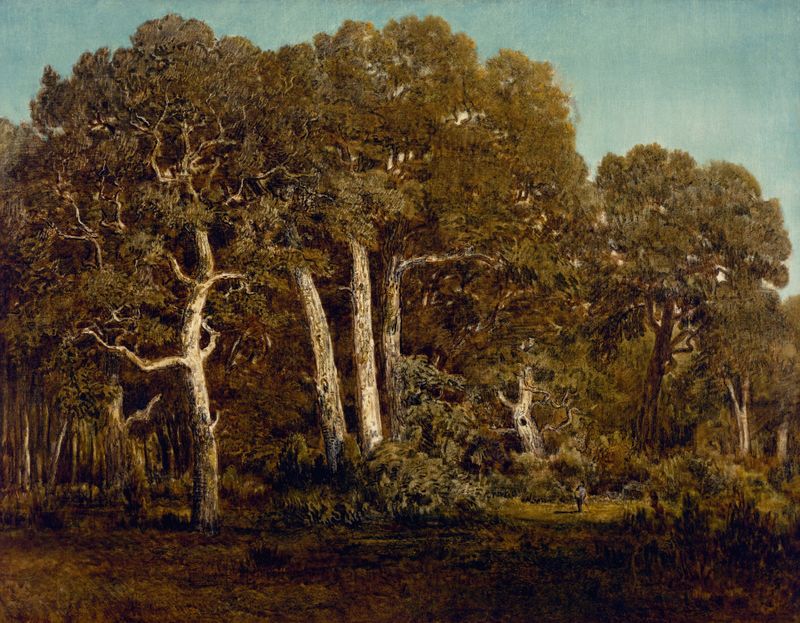
The Great Oaks of Old Bas-Bréau
Théodore Rousseau
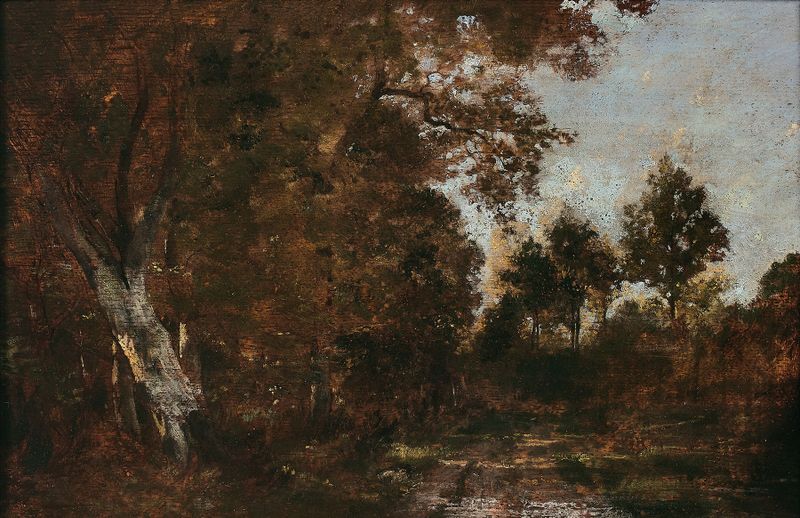
Paysage de sous-bois
Théodore Rousseau
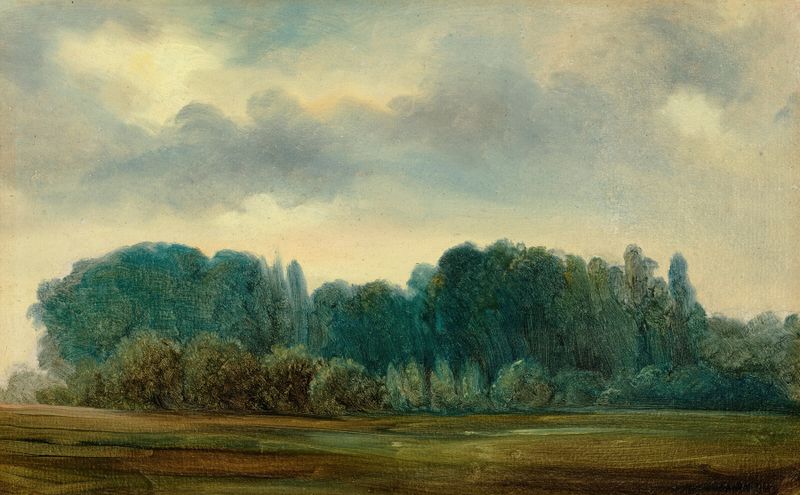
Paysage
Théodore Rousseau
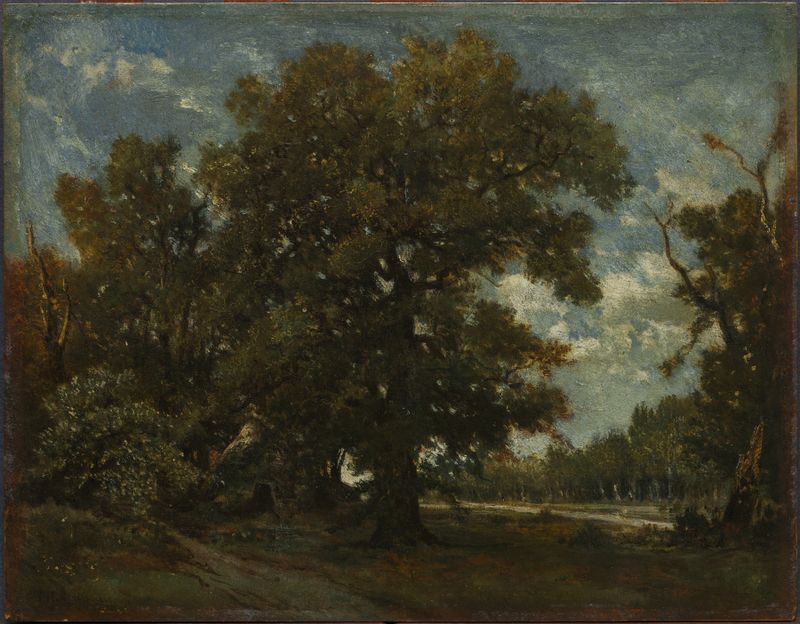
The Oak Tree
Théodore Rousseau
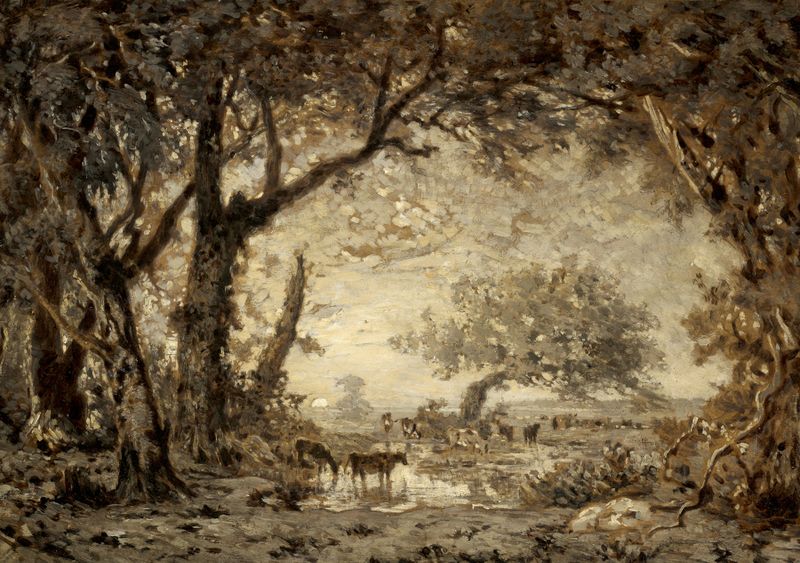
Sunset from the Forest of Fontainebleau
Théodore Rousseau
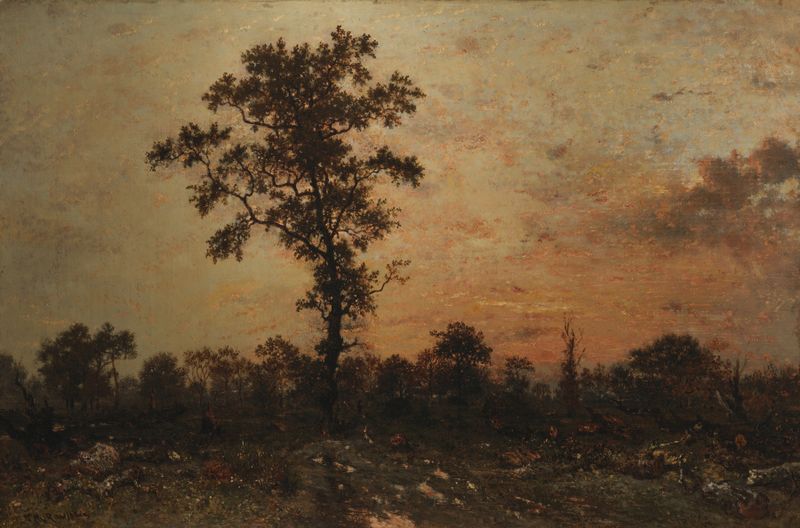
Edge of the Forest, Sun Setting
Théodore Rousseau
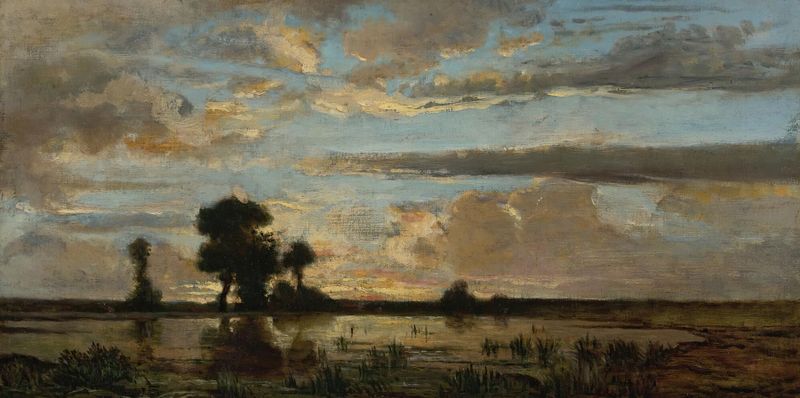
Soleil Couchant
Théodore Rousseau





