
View of the Baltic Sea — History & Facts
A hush settles over the rolling hills as your eye is drawn to the distant flagpole, its white banner barely lifting in the gentle air above the Baltic. The sweep of green rises and falls, guiding you upward toward that slender marker on the horizon, while the sea itself stretches out, cool and implacable, under a sky brushed with the faintest streaks of cloud. The light here is neither midday nor dusk, but something in between—soft, searching, and patient, as if the world is holding its breath.
Small details—a cluster of birch trees, the suggestion of smoke from hidden chimneys, the faint silhouettes of ships—invite you to linger, to imagine the stories unfolding just out of sight. The composition’s low horizon gives the sky a commanding presence, and the quiet geometry of land and water hints at both solitude and anticipation. Painted between circa 1820 and 1825, this landscape belongs to the era when artists like Caspar David Friedrich turned their gaze toward nature not just for its beauty, but for its power to stir thought and feeling. In the early nineteenth century, such views were rarely mere records of place; they were invitations to contemplation, often commissioned by patrons who sought both prestige and private reflection.
The View of the Baltic Sea now resides in the Museum Kunstpalast in Düsseldorf, a fitting home for a work that bridges the intimate and the infinite. History has kept few traces of this painting’s early journey, but its quiet drama endures—waiting for each new visitor to follow the line of hills to the water’s edge, and wonder what lies beyond.
More Artworks by Caspar David Friedrich
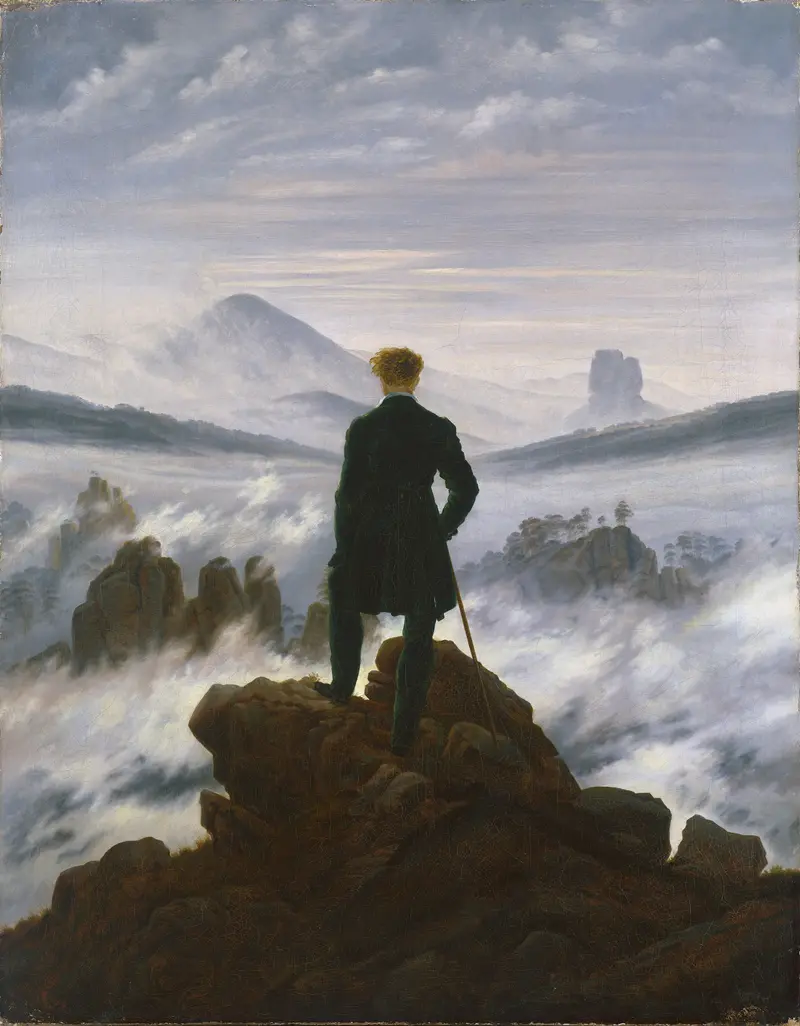
Wanderer above the Sea of Fog
Caspar David Friedrich

The Sea of Ice
Caspar David Friedrich
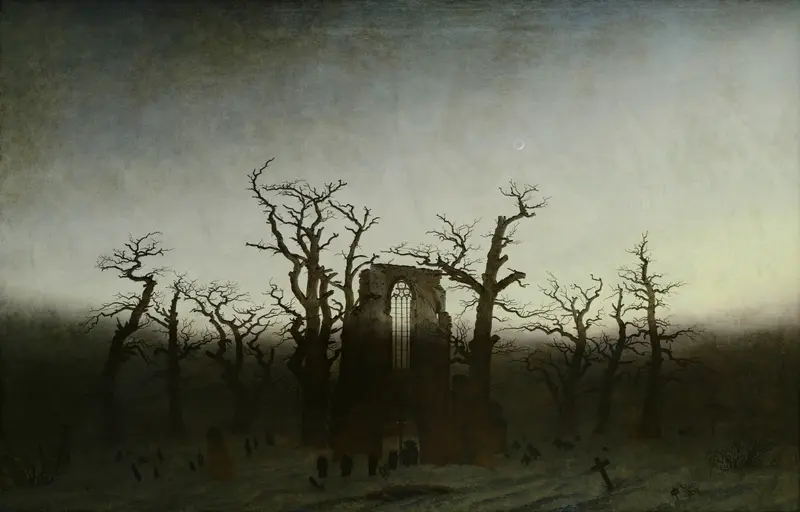
The Abbey in the Oakwood
Caspar David Friedrich
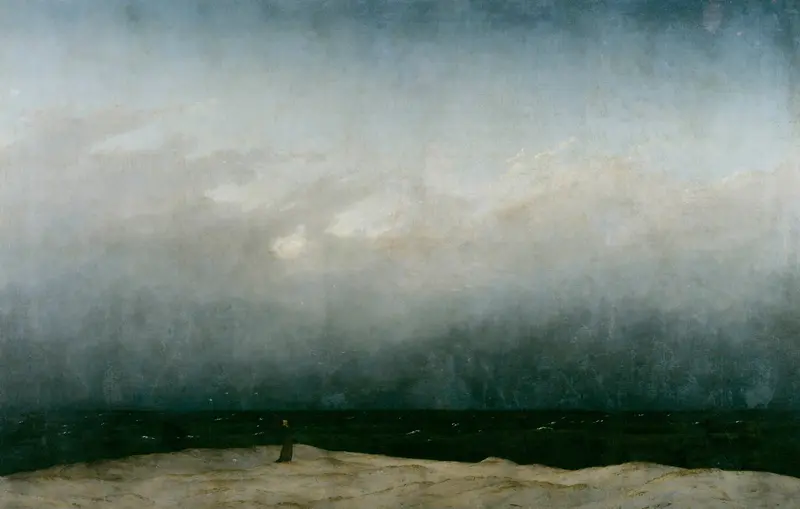
The Monk by the Sea
Caspar David Friedrich
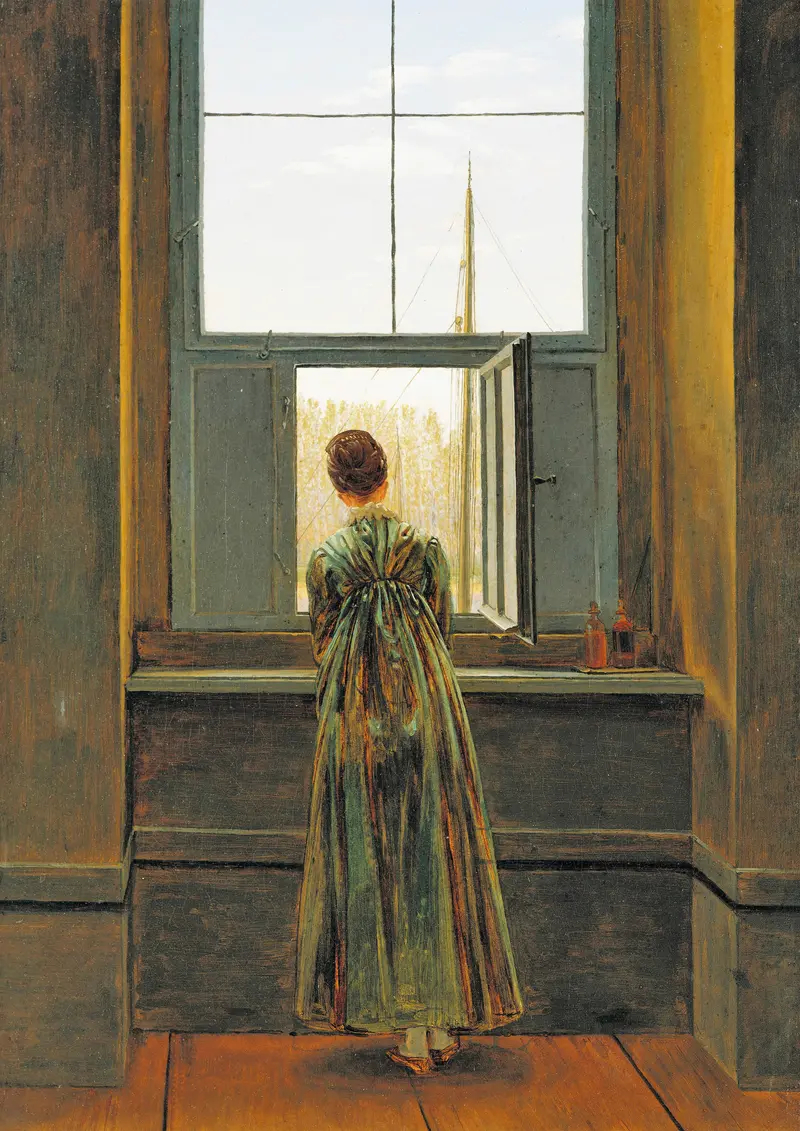
Woman at a Window
Caspar David Friedrich
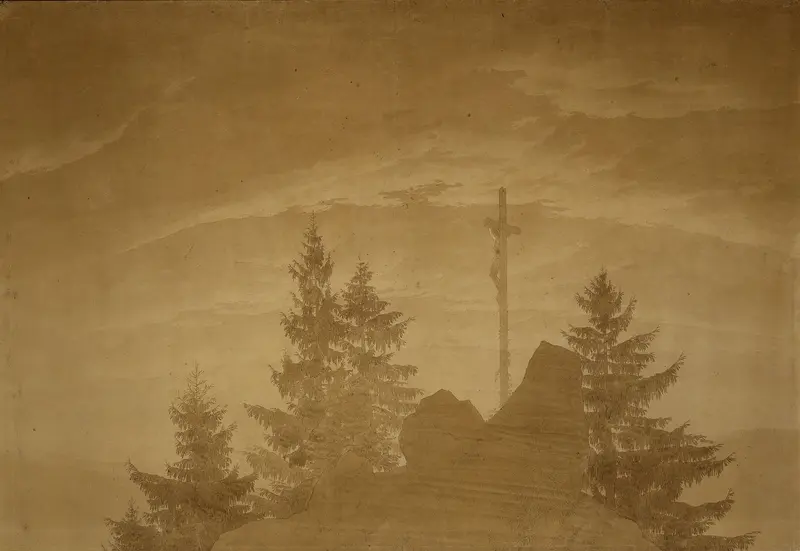
Cross in the Mountains
Caspar David Friedrich
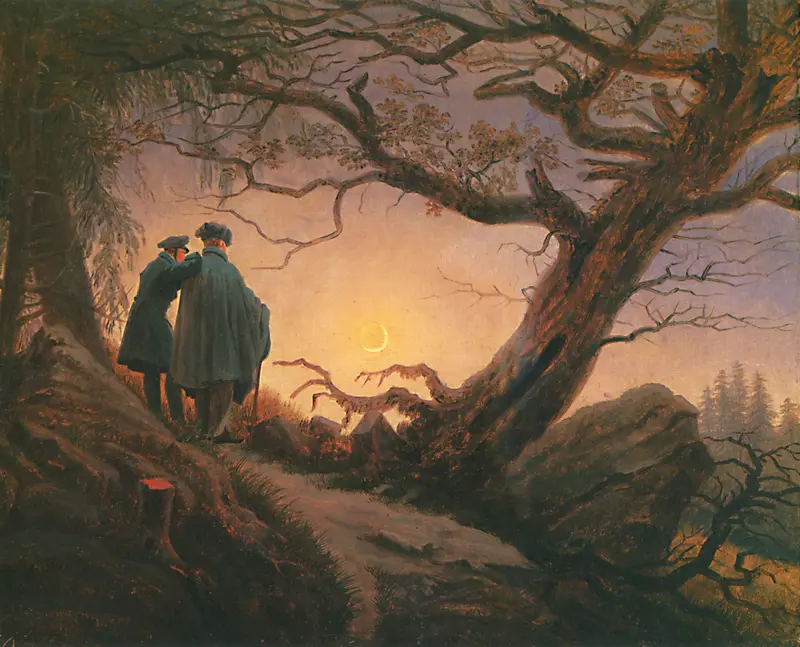
Two Men Contemplating the Moon
Caspar David Friedrich
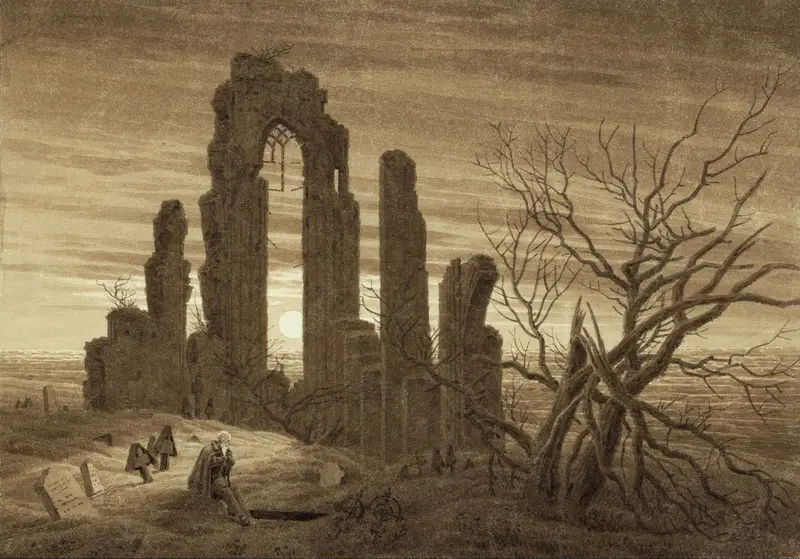
Winter – Night – Old Age and Death (from the times of day and ages of man cycle of 1803)
Caspar David Friedrich
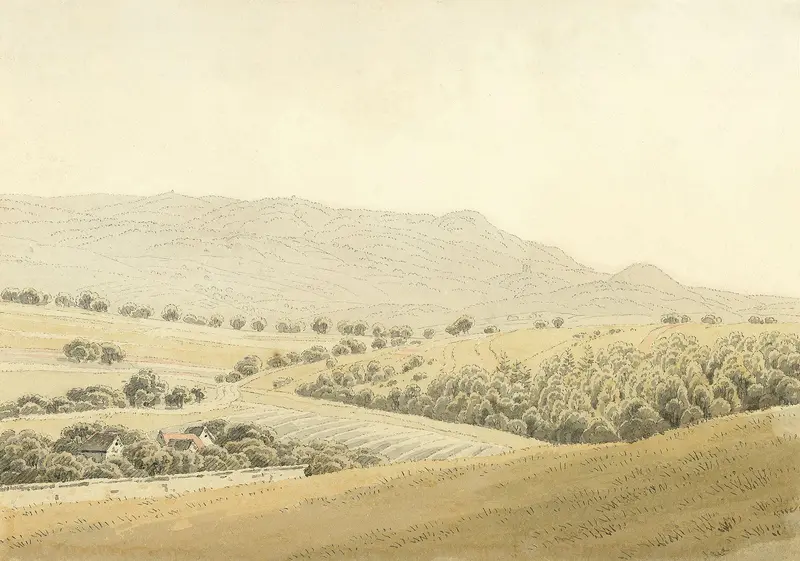
Mittelgebirgslandschaft
Caspar David Friedrich

Landschaft mit gebirgsee, morgen
Caspar David Friedrich
More Landscape Art

The Starry Night
Vincent van Gogh

View of Delft
Johannes Vermeer

Water Lilies
Claude Monet

The Grand Canal, Venice, looking north-west from the Ca' Corner to the Ca' Contarini degli Scrigni, with the campanile of Santa Maria della Carità
Canaletto

Windsor Castle
Canaletto

The Grand Canal looking North-East from the Palazzo Dolfin-Manin to the Rialto Bridge
Canaletto