View of the Interior of the Colosseum — History & Facts
In a world where the past and present entwine, dreams of grandeur linger amid the ruins. Each stroke harbors whispers of ancient glories, inviting us to peer into a realm where time does not bind the spirit. Look to the bottom half of the composition, where the massive stone arches rise like giants from the earth. The artist’s keen eye captures the interplay of shadows and light, as sunbeams filter through the skeletal structure above, illuminating patches of dust that dance in the air.
The muted palette of browns and ochres offers a sense of warmth, while the meticulously rendered details of the seating area draw the viewer to its faded glory, evoking echoes of long-vanished crowds. Yet the Colosseum is more than mere architecture; it embodies a poignant juxtaposition of history and oblivion. The remnants of vibrant life, once filled with cheers and gasps, now stand silent, inviting contemplation on mortality. The juxtaposition of the solid stone against the ethereal light evokes dreams of what once was, while the half-formed figures—perhaps spectators or shadows—suggest a lingering presence, forever tethered to this iconic monument. Eckersberg painted this scene in 1816 during his time in Italy, a period marked by a burgeoning interest in classical antiquity among artists.
He was immersed in the Romantic movement, where the interplay of emotion and the sublime became central. Captivated by the Colosseum's historical significance, Eckersberg's work reflects not only his meticulous skill but also the collective yearning for a connection to the past as Europe grappled with its evolving identity.
More Artworks by Christoffer Wilhelm Eckersberg
Browse all →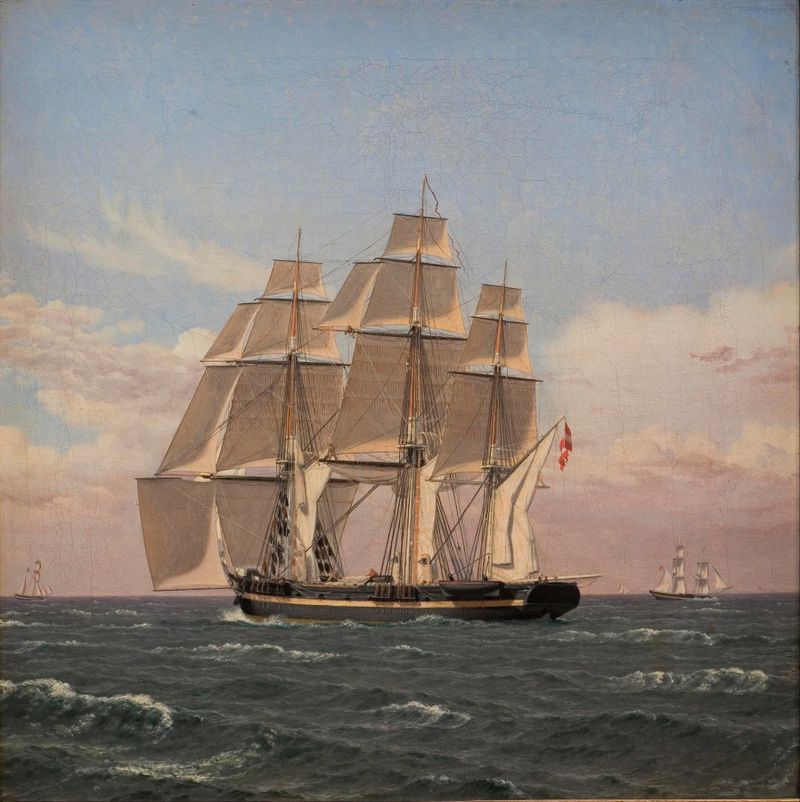
The corvette Najaden under sail
Christoffer Wilhelm Eckersberg

The Corvette Najaden under Sail
Christoffer Wilhelm Eckersberg
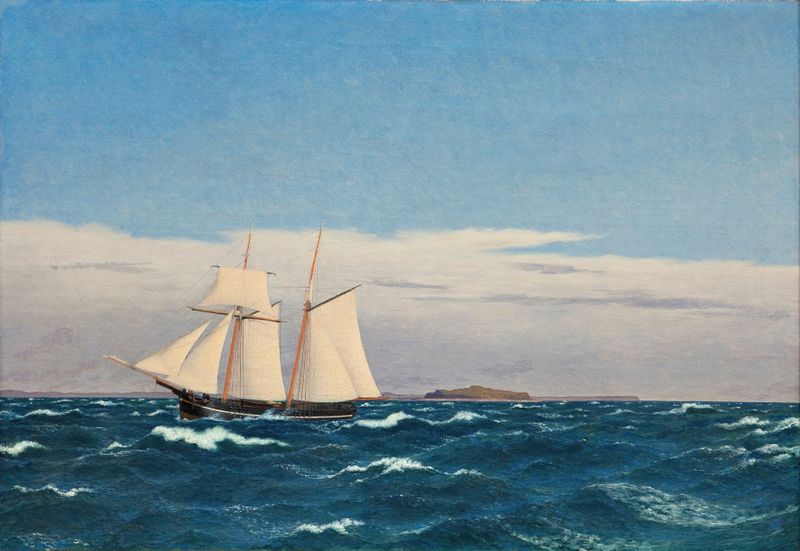
Seascape with the island of Hjelm and the coast of Jutland
Christoffer Wilhelm Eckersberg
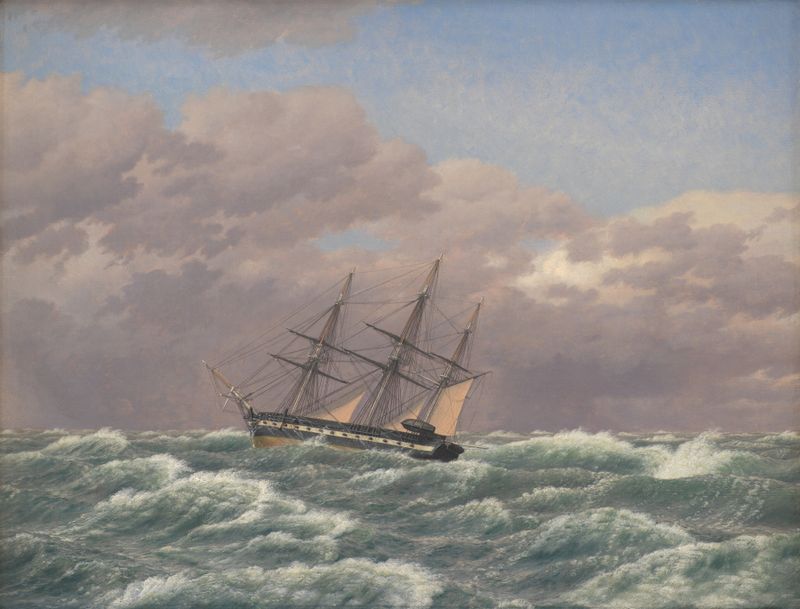
The Corvette ‘Galathea’ in a Storm in the North Sea
Christoffer Wilhelm Eckersberg
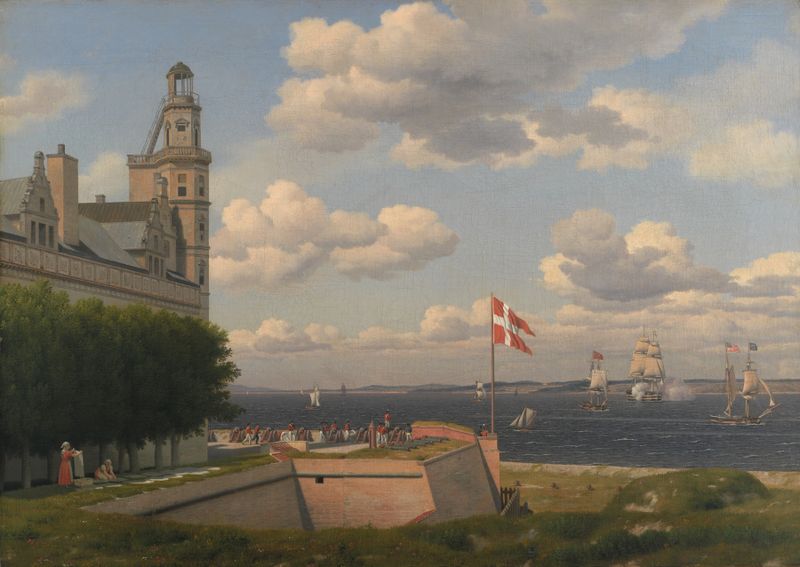
A View towards the Swedish Coast from the Ramparts of Kronborg Castle
Christoffer Wilhelm Eckersberg
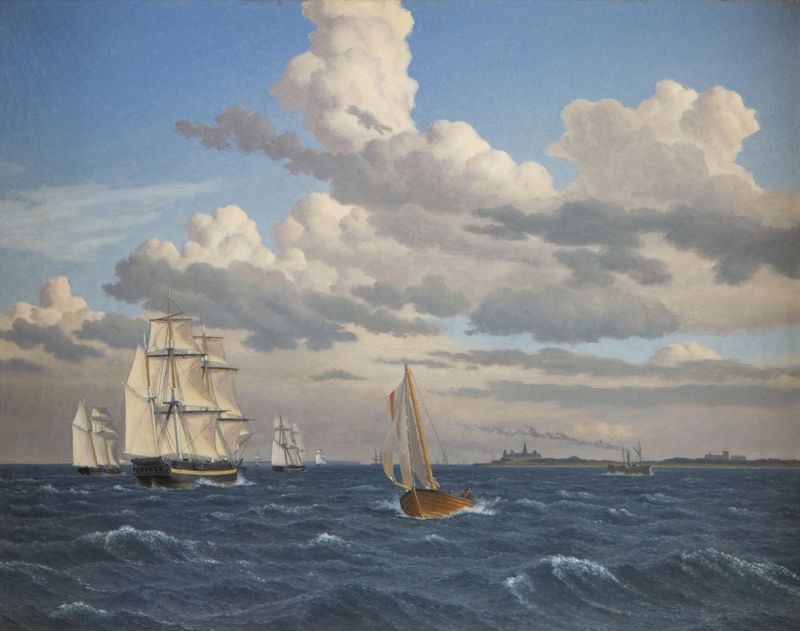
Ships in the Sound North of Kronborg Castle, Elsinore
Christoffer Wilhelm Eckersberg
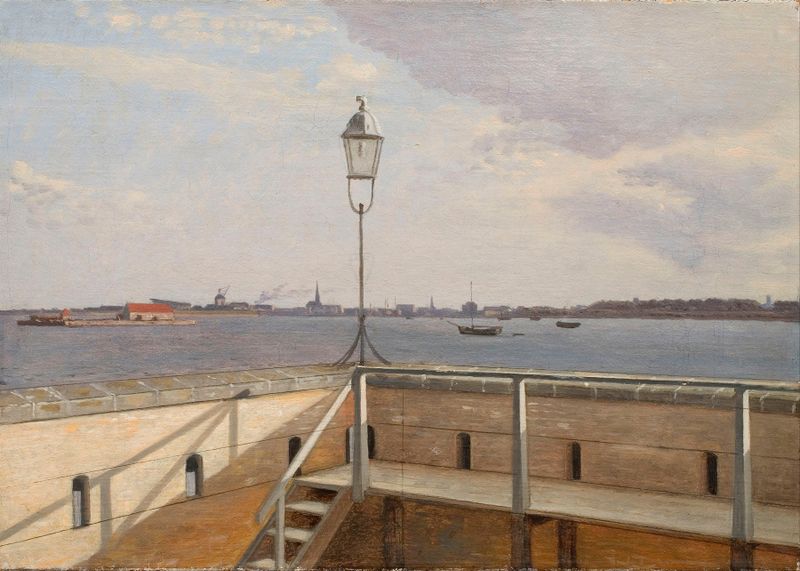
View from the Trekroner Battery with Copenhagen in the distance
Christoffer Wilhelm Eckersberg
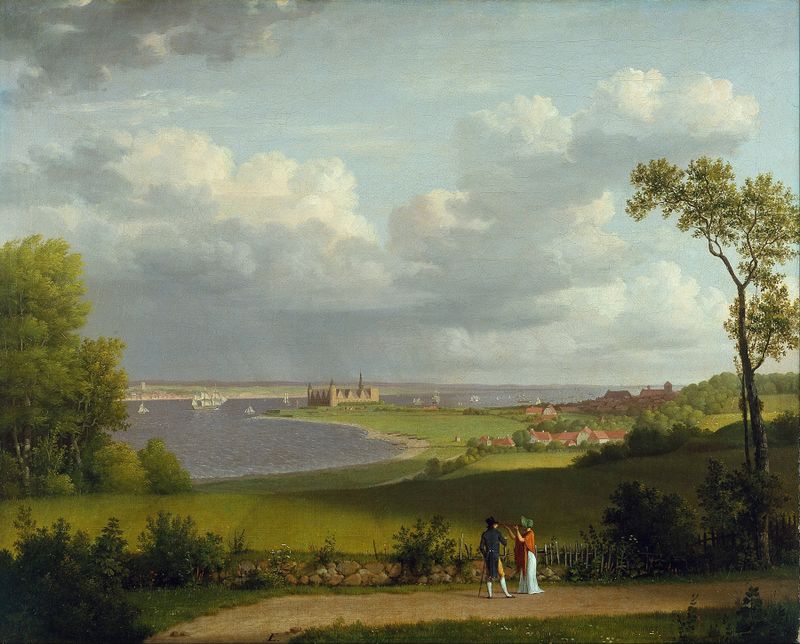
View north of Kronborg Castle
Christoffer Wilhelm Eckersberg

Vesta Temple in Rome
Christoffer Wilhelm Eckersberg
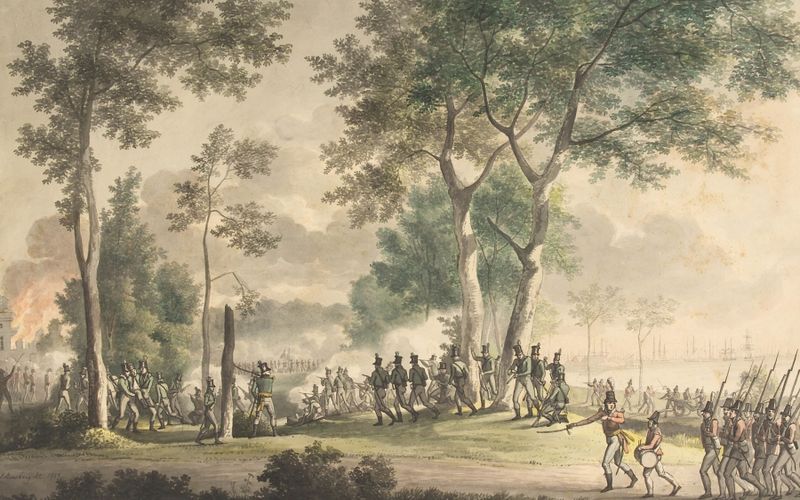
Livjægernes udfald i Classens have 31.august 1807.
Christoffer Wilhelm Eckersberg