
View of the Lake and the Island from the Lawn at Kew — History & Facts
Can beauty exist without sorrow? In View of the Lake and the Island from the Lawn at Kew, this question speaks volumes through the serene depiction of a landscape teetering on the brink of transformation. Look to the left at the gentle curve of the lake, where soft ripples dance upon its surface, reflecting the dappled sunlight filtering through the lush greens of Kew. The vibrant palette of blues and greens invites the eye to wander across the canvas, while the subtle brushstrokes create an ethereal quality that evokes a sense of tranquility. Notice how the small island, adorned with trees, stands as a centerpiece, drawing the viewer’s gaze and inviting contemplation of its hidden depths. Yet beneath this idyllic exterior lies a tension—the interplay of natural beauty and the looming changes wrought by the American Revolution, which was simmering at this time.
The lightness of the scene contrasts sharply with the political unrest of the day, hinting at the underlying currents of revolution and its inevitable toll on tranquility. The painting thus becomes not just a visual feast, but also a poignant reflection on the duality of existence, where beauty is inseparable from the shadows it casts. William Marlow painted this piece in 1763, during a period of significant upheaval as colonial tensions mounted across the Atlantic. Living in England, Marlow was influenced by the picturesque movement, capturing landscapes that celebrated nature's charm while subtly acknowledging the changes in societal dynamics.
This work is emblematic of an era poised between pastoral beauty and the stirrings of revolution, marking a pivotal moment in both art and history.
More Artworks by William Marlow
Browse all →
Whitehall
William Marlow
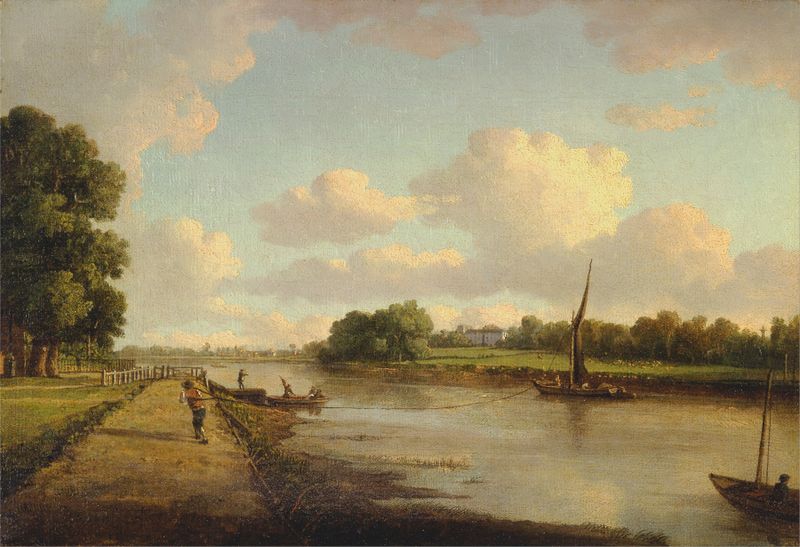
View on the River Thames at Richmond
William Marlow
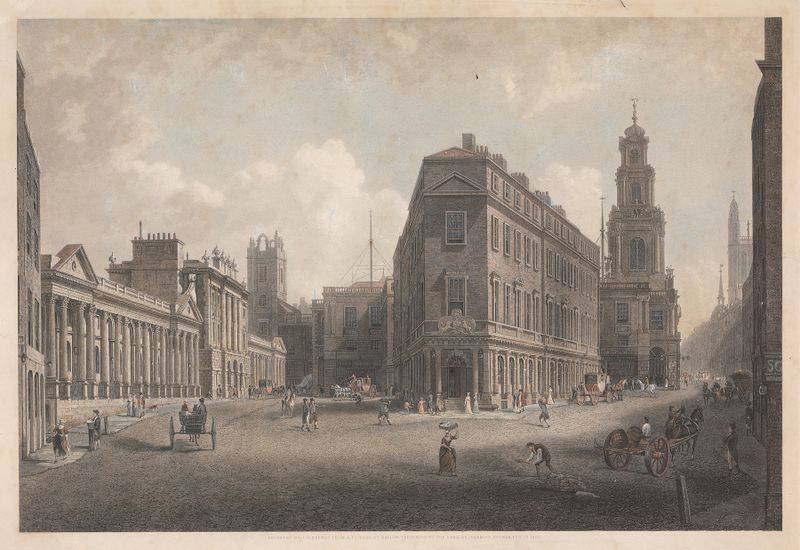
Bank of England Royal Exchange
William Marlow

The Thames At Richmond
William Marlow

The Arno towards the Ponte alle Grigio
William Marlow
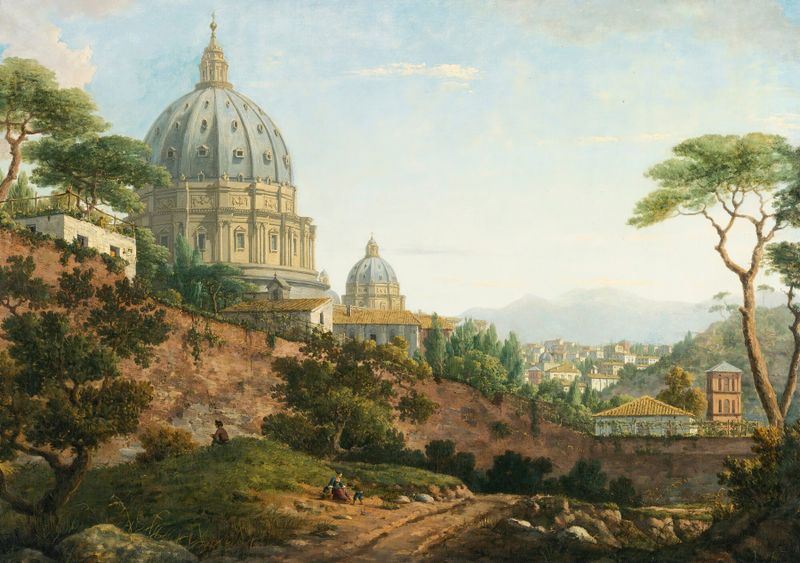
View Of Saint Peter’s, Rome
William Marlow
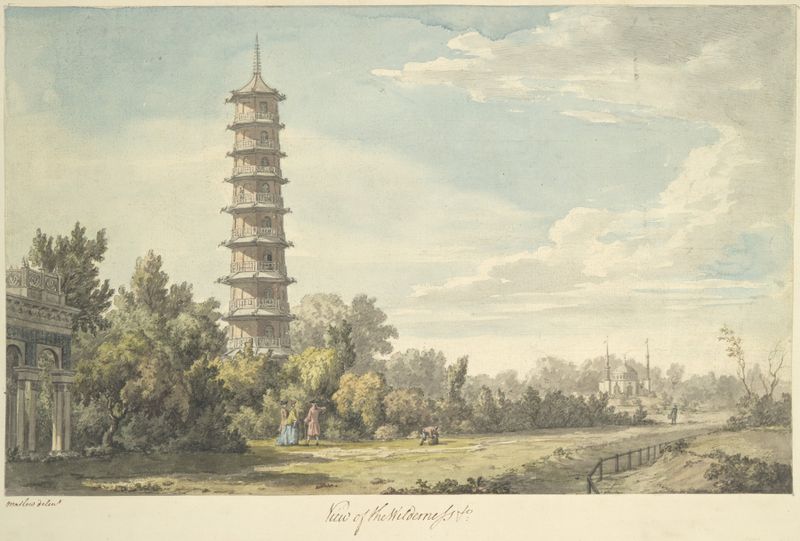
View of the Wilderness at Kew
William Marlow
The Bay of Naples with Santa Maria degli Angeli
William Marlow

Nîmes from the Tour Magne
William Marlow
The Amphitheater at Nimes
William Marlow





