
View of the Ripa Grande in Rome — History & Facts
Who listens when art speaks of silence? In View of the Ripa Grande in Rome, the canvas breathes an atmosphere thick with unspoken fears and quiet reflections, inviting an exploration of the depths beneath its tranquil surface. Look to the left, where the gentle curve of the river draws the eye toward the horizon, a soft gradient of blues blending into the pale sky. The warm sunlight bathes the scene, casting delicate shadows that dance across boats moored along the bank. Notice how the distant buildings rise, their warm ochres contrasting with the cool greens of the river’s edge, infusing the landscape with both life and isolation.
Each brushstroke seems deliberate, revealing a masterful balance between light and shadow that mirrors the delicate tension of existence itself. Delve deeper, and you might sense the underlying anxiety woven through the tranquil depiction. The stillness of the water reflects not only the beauty of the setting but also the hidden fears of those who pass by — the fleeting nature of life, the uncertainty of the future. The boats, though idle, hint at untold journeys, echoing the unsteady pulse of the city.
The absence of human figures amplifies this solitude, inviting contemplation on the silent stories that linger in the air. In the early 1640s, Jan Both found himself amidst the burgeoning trend of Italianate landscape painting, having settled in Rome where he sought inspiration from the natural world. This period was marked by a growing appreciation for serene landscapes, as artists like Both began to explore the interplay of light and environment, reflecting the broader shifts in artistic focus during the Baroque era. The painting captures not just a moment in time, but a transformative approach to seeing the world through an artist's eye.
More Artworks by Jan Both
Browse all →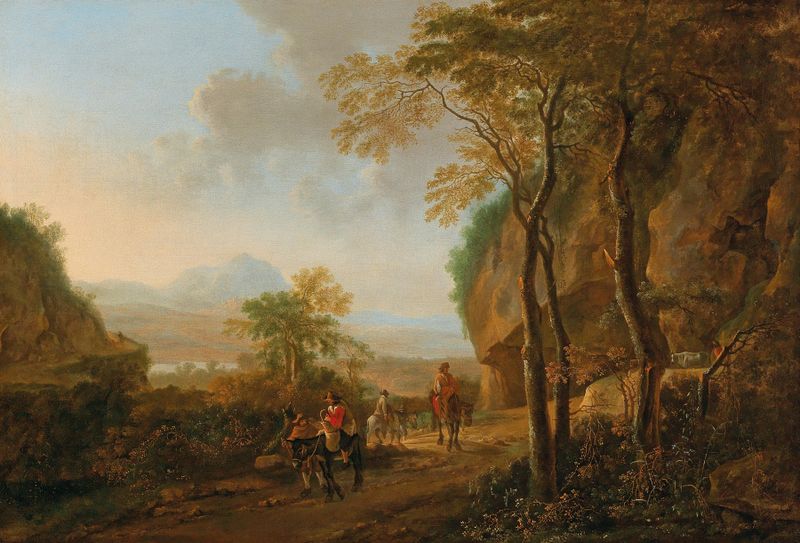
An Italianate landscape with travellers
Jan Both
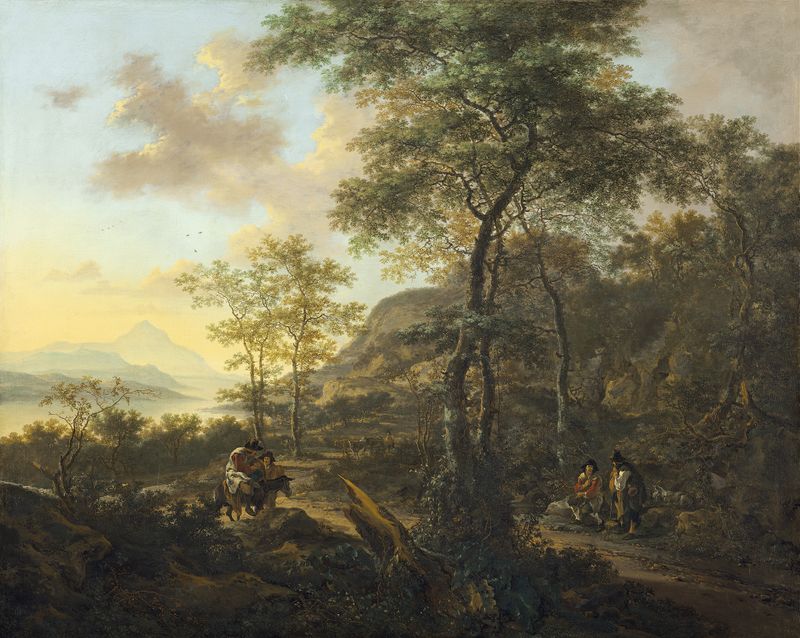
An Italianate Evening Landscape
Jan Both
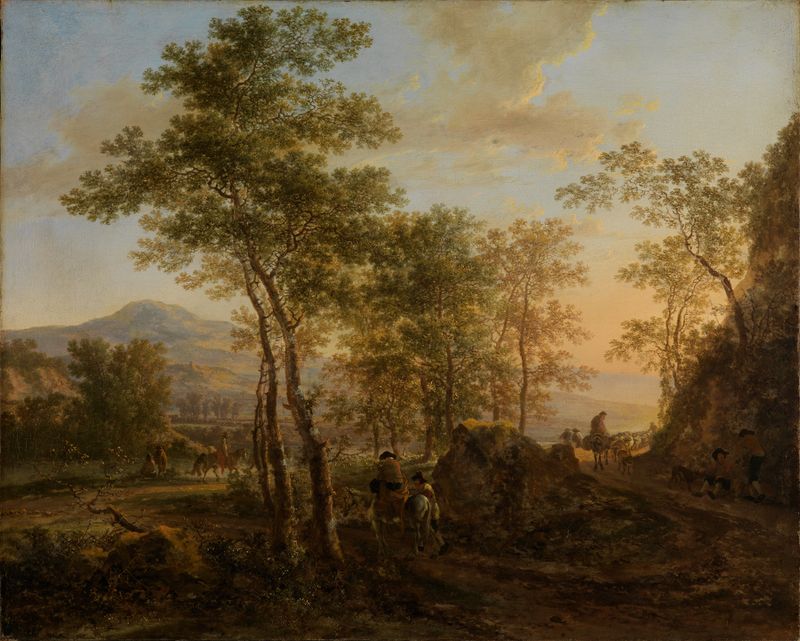
Italienische Landschaft am Abend
Jan Both
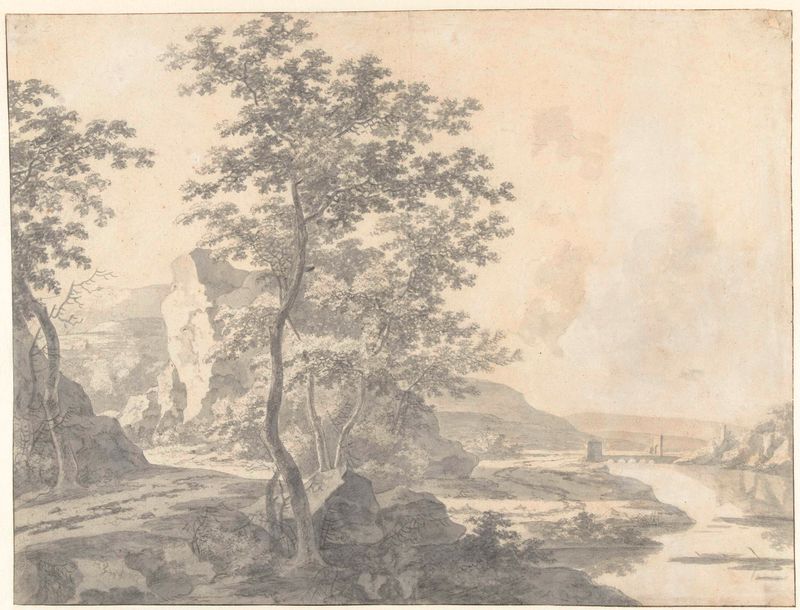
Italiaans landschap
Jan Both
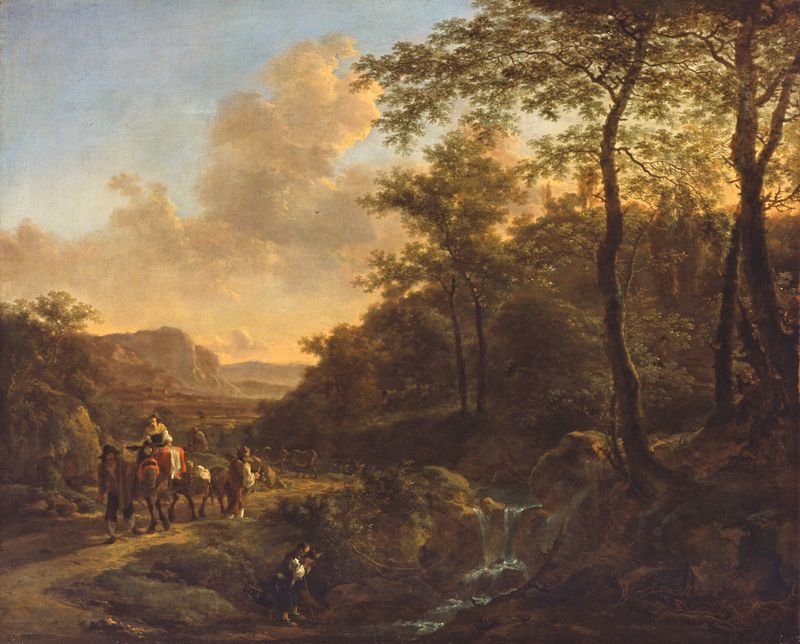
Scene of the Roman Campagna
Jan Both
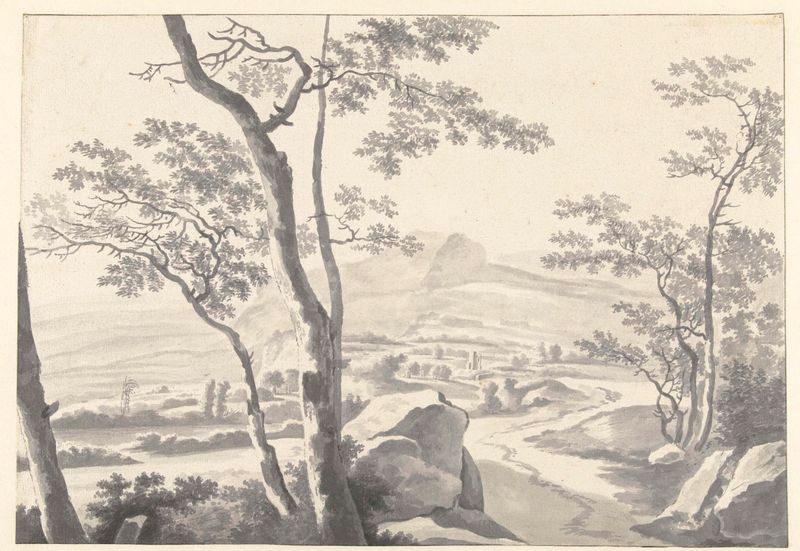
Landschap
Jan Both
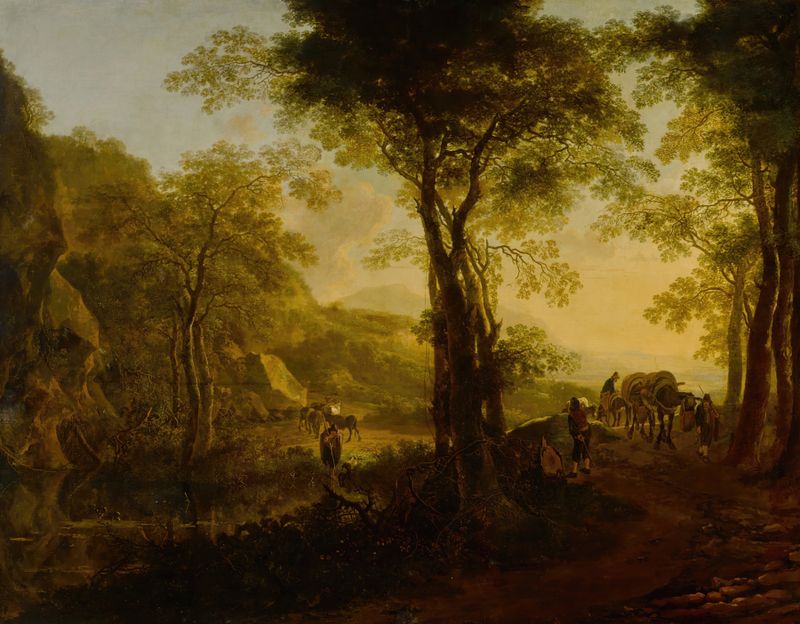
Italianate landscape at sunset, with travelers on a country road
Jan Both
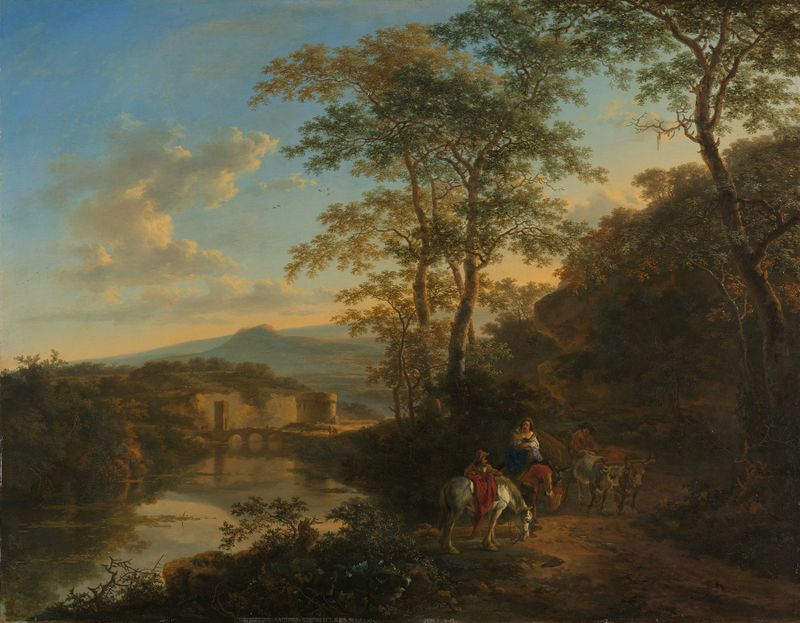
Italian Landscape with the Ponte Lucano over the Aniene River
Jan Both
A wooded landscape with travellers crossing a ford
Jan Both

Italian Landscape
Jan Both





