View of the town of Narni — History & Facts
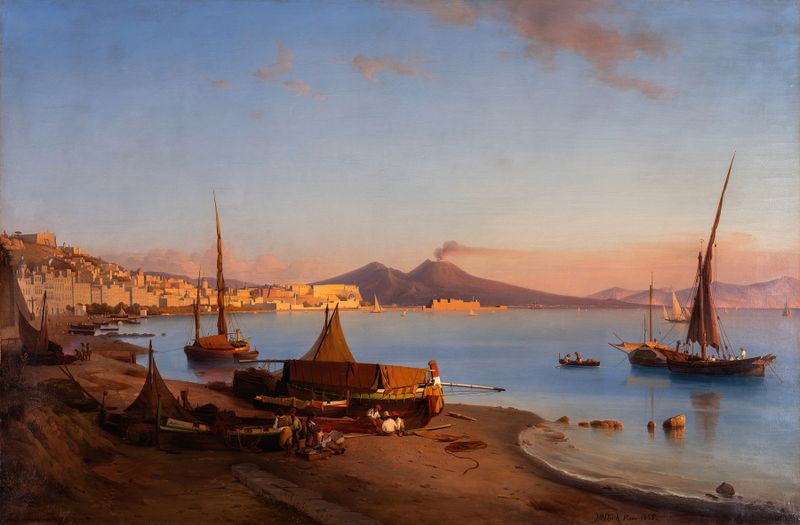
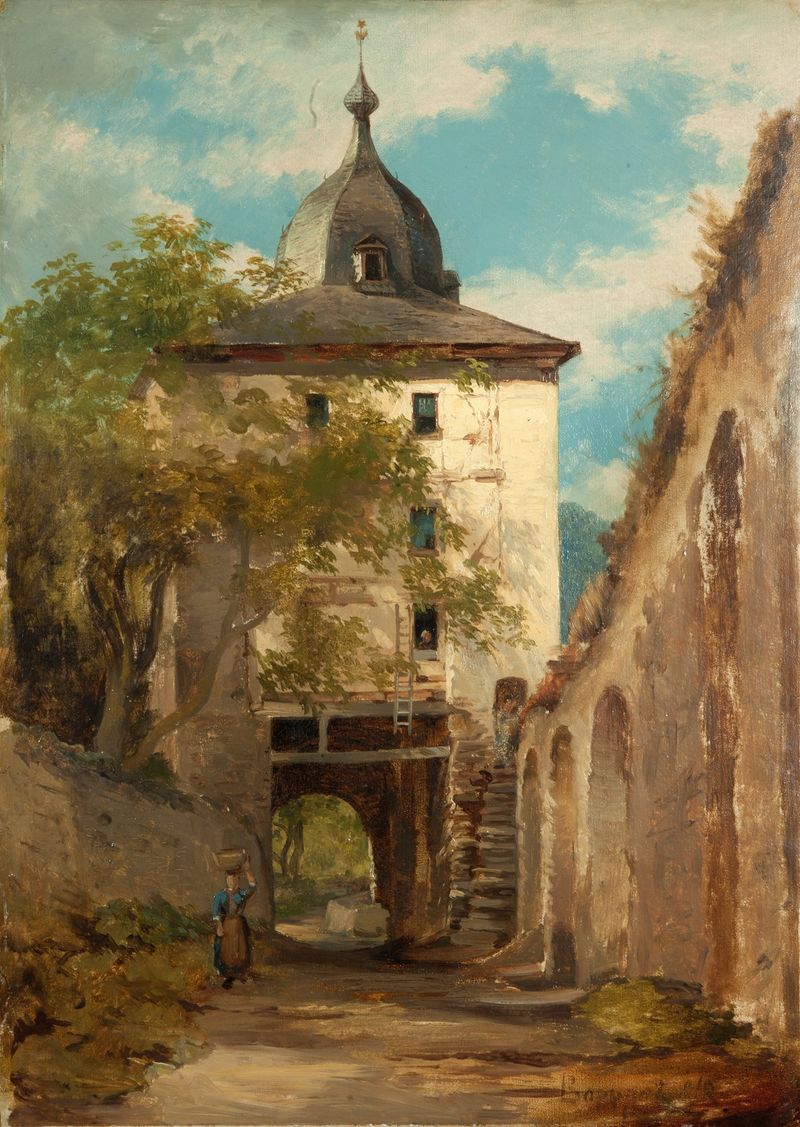
Where does light end, and longing begin? In the gentle embrace of an Italian panorama, View of the town of Narni captures a fleeting moment steeped in nostalgia and unspoken loss. Look to the horizon, where a cascade of sunlight spills over the ancient architecture of Narni. The artist employs soft pastels and warm earth tones, rendering the town in a delicate glow that seems both inviting and bittersweet. Notice how the hills cradle the buildings, their contours gently enfolded in a haze that blurs the line between reality and memory.
Each brushstroke conveys a serene yet poignant stillness, urging the viewer to linger in the warmth and light, even as shadows whisper of what has been left behind. Within this idyllic scene lies an intricate dance of contrasts. The vibrant life of the town, bustling with activity in the distance, stands as a stark reminder of the transience of joy. The ethereal quality of the sky, painted in soft blues and golden hues, suggests the passage of time—a reminder that moments of beauty are often tinged with sorrow.
Hidden within the details of the architecture are echoes of stories untold, lost to the ages, urging the viewer to reflect on their own experiences of longing and reminiscence. Joseph Magnus Stäck created this piece in 1866 while residing in Germany, a time when he was deeply inspired by the landscapes of Italy. The mid-19th century was a period of burgeoning interest in Romanticism, where artists sought to capture not just the physical beauty of a scene but the emotions it evoked. Stäck's work reflects this desire, intertwining the external beauty of Narni with an internal, reflective journey, resonating with the complexities of human experience.