
Vijf cherubijnen — History & Facts
In the still silence of Hollar's masterpiece, beauty unfolds like a secret, inviting viewers to pause and reflect. Each cherub, with its delicate features and ethereal presence, embodies the tension between innocence and the profound depth of divine love. Focus first on the cherub in the center, its chubby cheeks subtly illuminated by a soft, golden light. Notice how the artist has layered fine lines and intricate details to create a tactile sense of softness in the skin, while the vibrant hues of their draped garments contrast against a muted background.
The careful composition draws your eye in, guiding you through the harmonious arrangement of figures, each one both distinct and part of a greater whole. Beneath the surface, the painting evokes a dual narrative: the joyous exuberance of childhood and the ever-present gravity of spirituality. The ornate floral motifs framing the cherubs serve to remind us of life's fleeting beauty, while the expressions on their faces tease a deeper contemplation of existence. It’s a delicate balance, inviting viewers to consider the fragility of innocence amidst the weight of human experience. In 1646, Wenceslaus Hollar was living in London, having fled his native Prague due to the turmoil of the Thirty Years' War.
Emerging as a prominent printmaker and draughtsman, he was influenced by the shifting tides of art that embraced both the Baroque style and the emerging clarity of the Enlightenment. This artwork captures a moment of reverence amidst personal upheaval, reflecting the artist’s ability to weave beauty into the fabric of life’s complexities.
More Artworks by Wenceslaus Hollar
Browse all →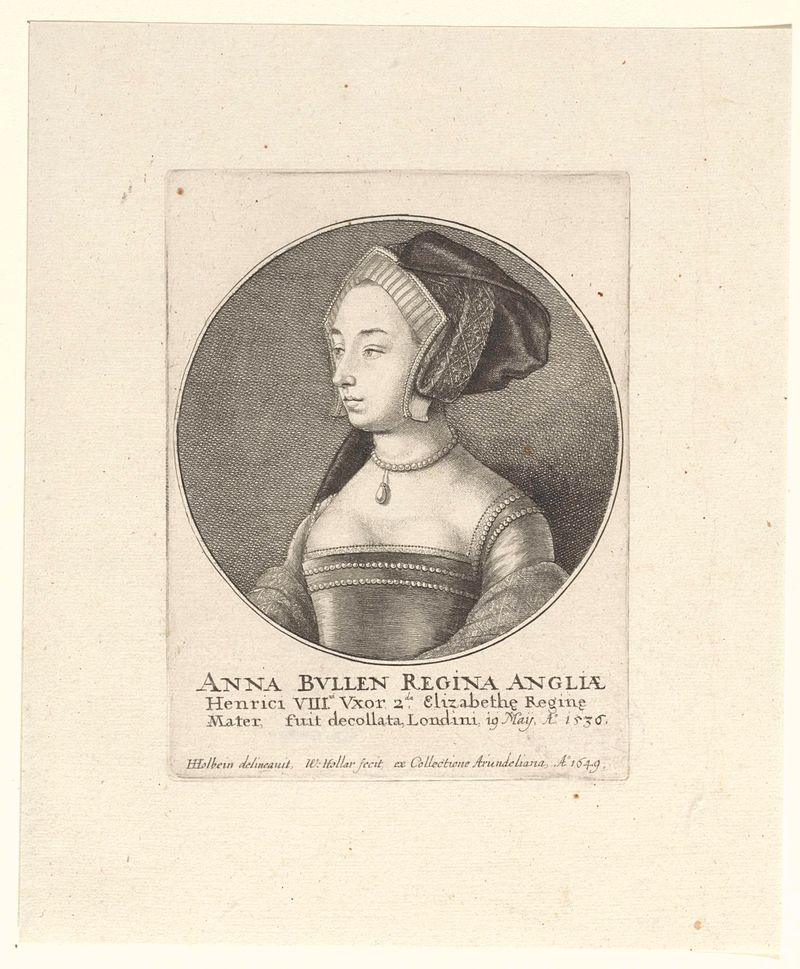
Portret van Anna Boleyn, koningin van Engeland
Wenceslaus Hollar
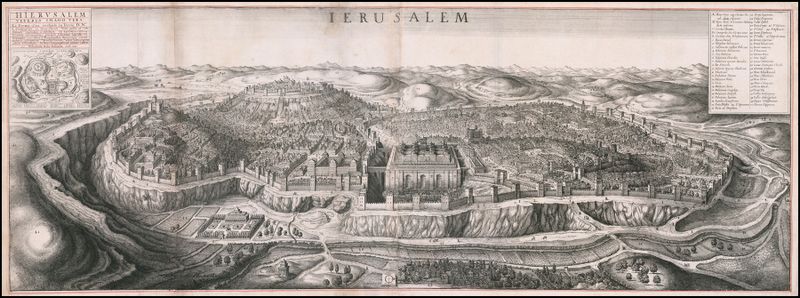
Bird’s eye view of Jerusalem
Wenceslaus Hollar
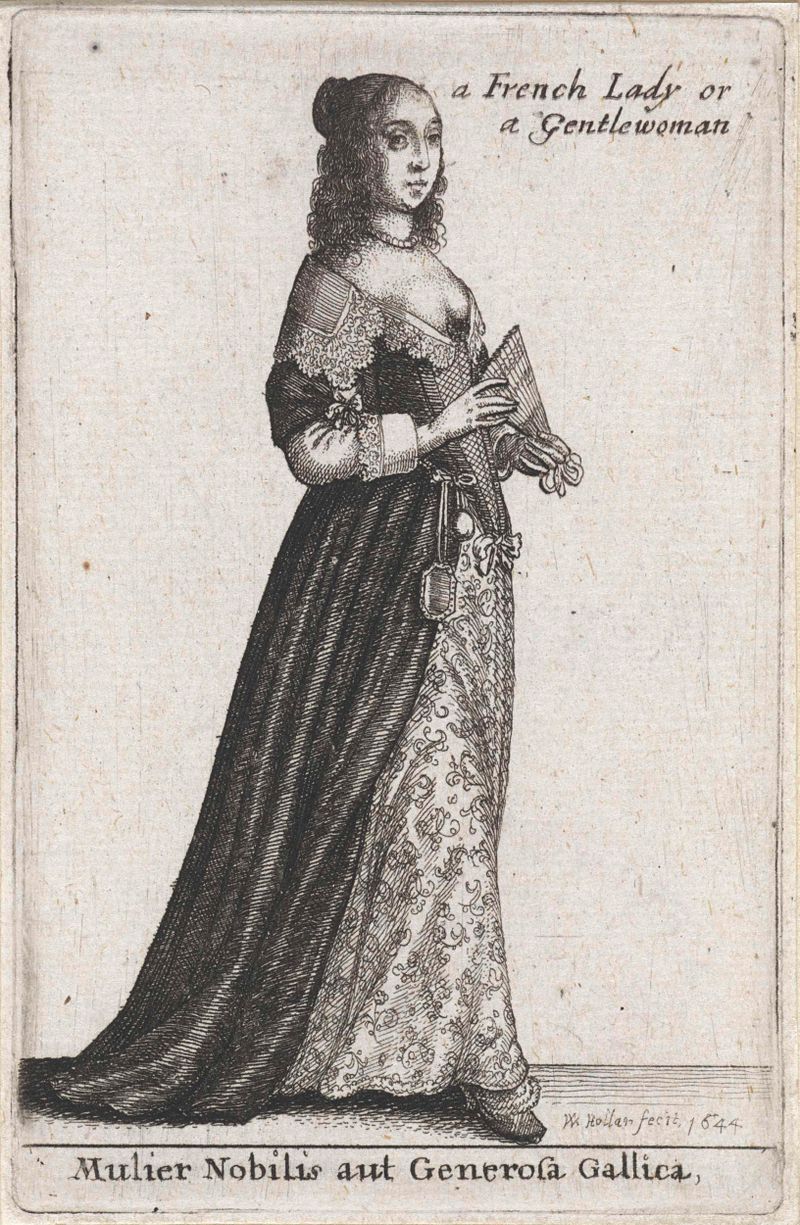
Mulier Nobilis aut Generosa Gallica / a French Lady or Gentlewoman
Wenceslaus Hollar
Titelprent voor: Ornatus Muliebris Anglicanus
Wenceslaus Hollar
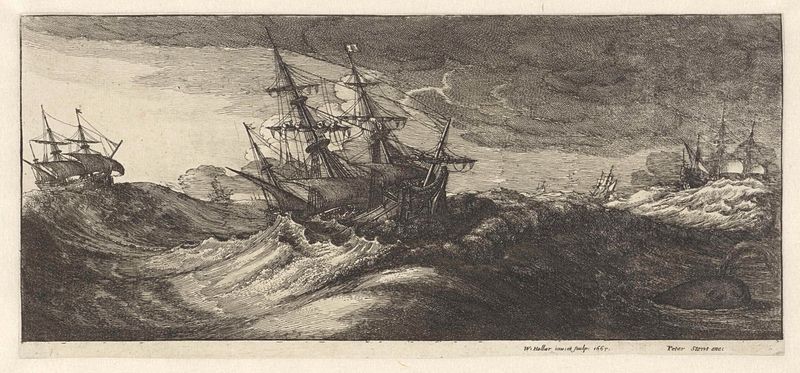
Oorlogsschepen en een walvis in een zeestorm
Wenceslaus Hollar
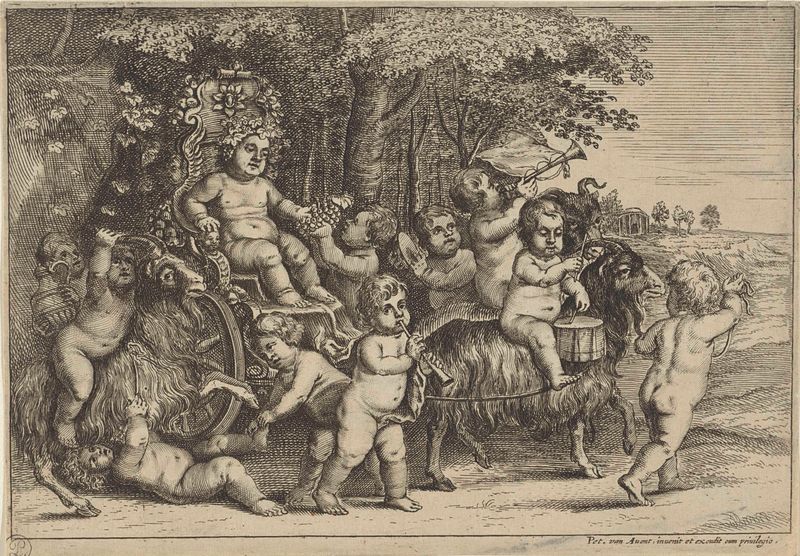
Optocht van bacchant en jongetjes op geiten
Wenceslaus Hollar
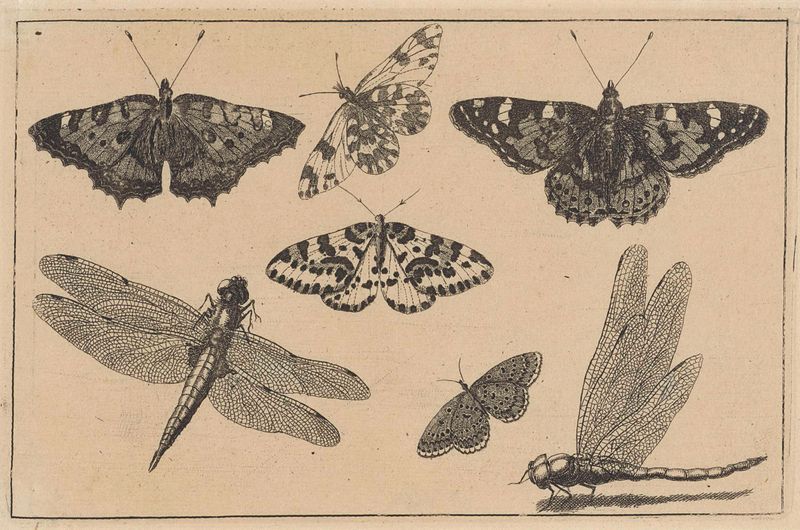
Twee libellen en vijf vlinders
Wenceslaus Hollar
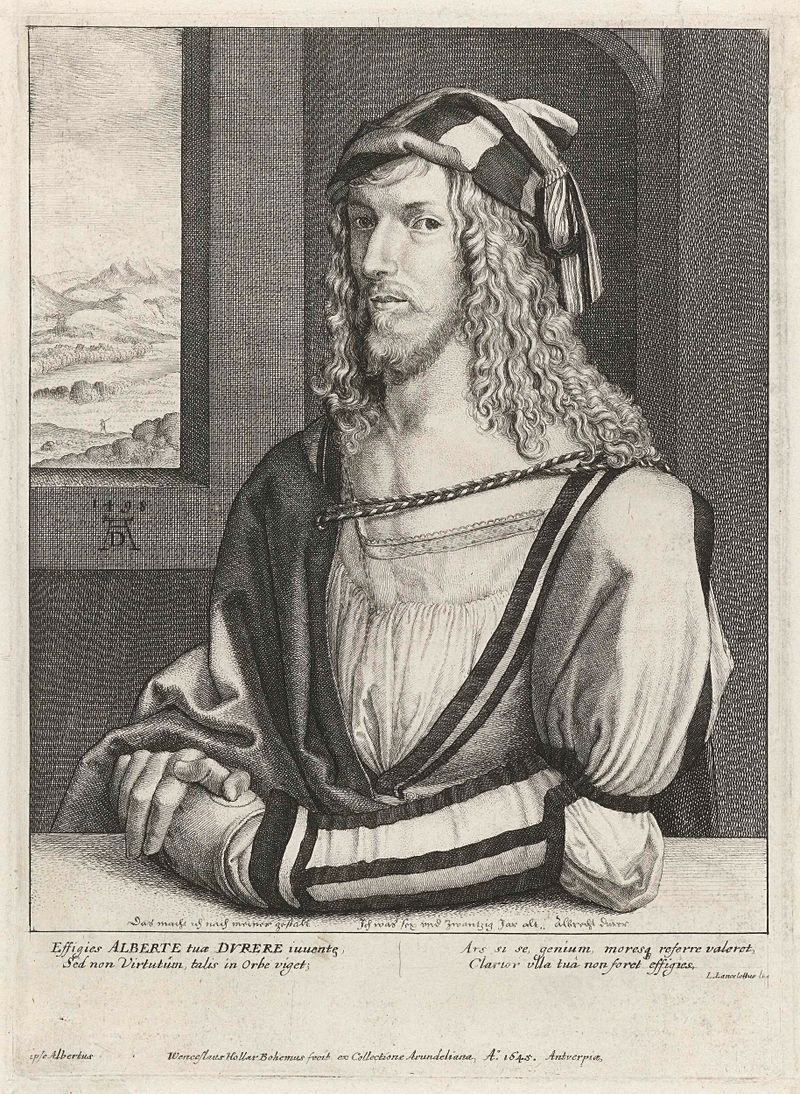
Portret van Albrecht Dürer
Wenceslaus Hollar
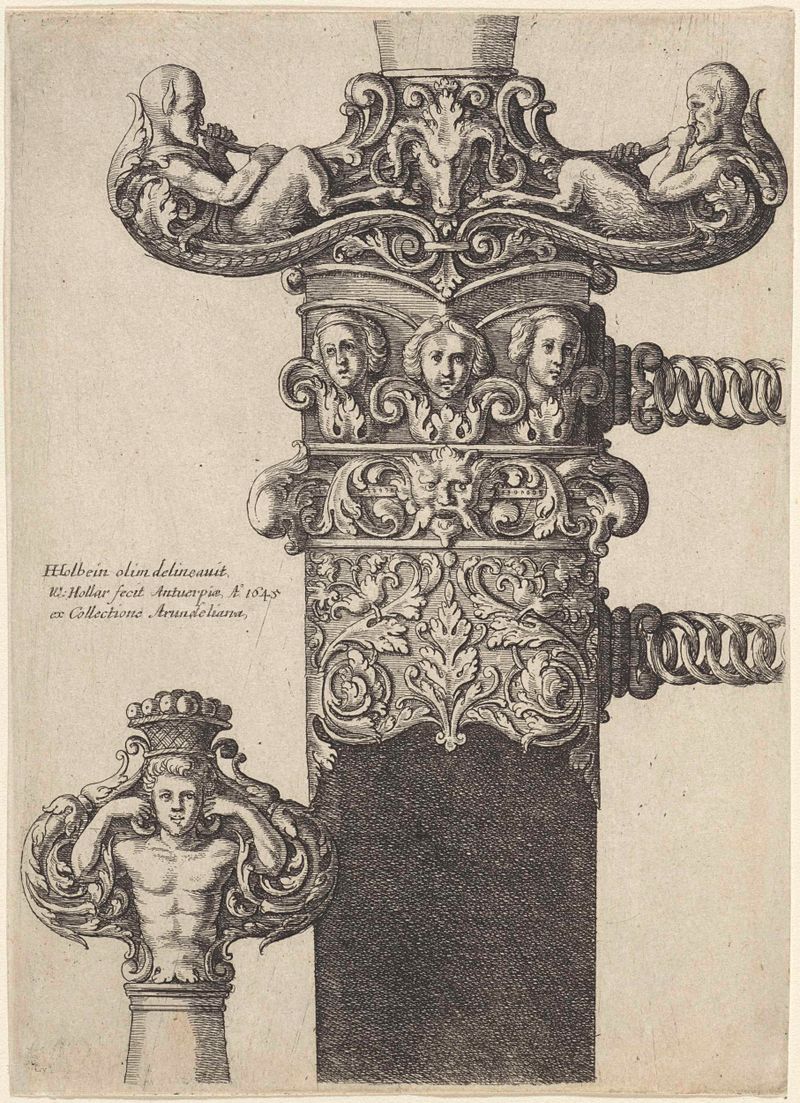
Ornamenteel ontwerp voor een dolk
Wenceslaus Hollar
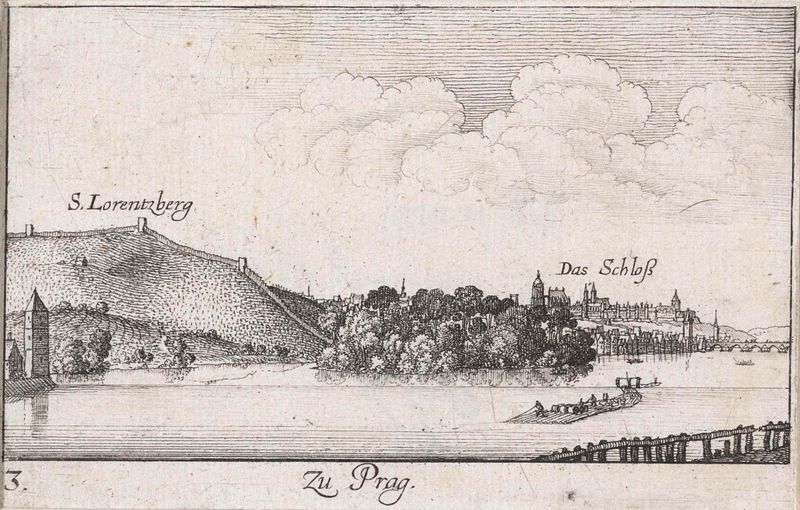
Gezicht op Praag vanaf de Moldau
Wenceslaus Hollar
More Religious Art
Browse all →
The Return of the Prodigal Son
Rembrandt van Rijn

The Garden of Earthly Delights
El Bosco

Count Orgaz’ funeral
El Greco

The Hundred Guilder Print: the central piece with Christ preaching, the plate arched
Rembrandt van Rijn

The Descent from the Cross
Rogier van der Weyden

The return of the prodigal son
Rembrandt van Rijn