
Villa d’Este — History & Facts
In the quiet embrace of tranquility, where nature and architecture dance in harmony, the essence of awe is captured in stillness. In Villa d’Este, the viewer is drawn immediately to the cascading fountains that command the center of the composition. Look closely at the delicate interplay of water and sunlight, where droplets seem to shimmer like diamonds against the lush backdrop of verdant greenery. The soft greens and earthy browns of the foliage contrast beautifully with the bright blues and whites of the sky, creating a serene yet vibrant atmosphere.
The meticulous brushstrokes render every detail, from the intricate stonework of the villa to the gentle ripples in the water, inviting exploration and reverie. As you delve deeper, you may notice the juxtaposition of man-made beauty against the wild, untamed nature surrounding it. The tranquil scene suggests a moment of pause in a bustling world—an invitation to reflect on the harmonious coexistence of human creation and natural splendor. The shadows cast by the villa hint at the passage of time, echoing an emotional tension between permanence and transience. Between 1851 and 1854, Julie Wilhelmine Hagen-Schwarz painted this masterpiece while living in Italy, a time when the art world was increasingly captivated by Romantic and Impressionist ideals.
This period was marked by a growing interest in landscape painting, as artists sought to evoke emotion through their exploration of nature. Hagen-Schwarz’s work stands as a testament to her ability to convey both the grandeur of the Italian countryside and the intimate beauty of the villa, reflecting her unique perspective as a woman artist in a male-dominated field.
More Artworks by Julie Wilhelmine Hagen-Schwarz
Browse all →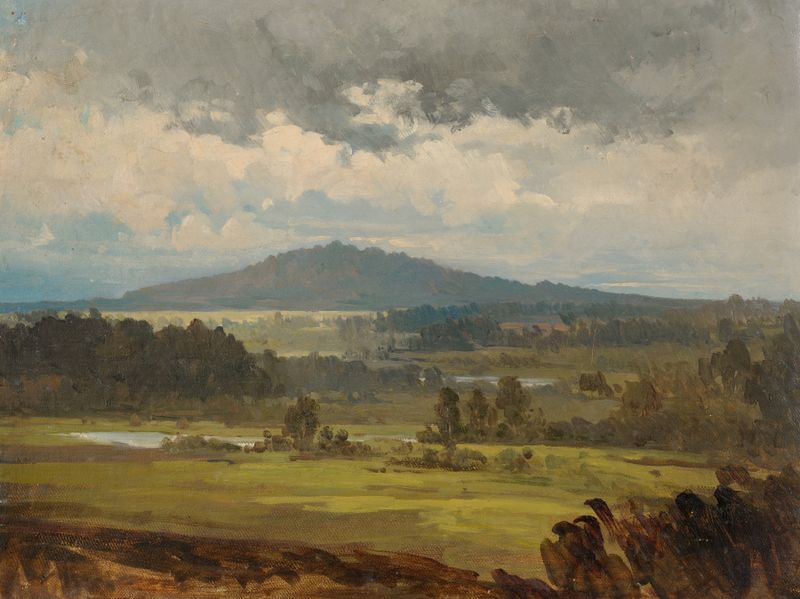
Blauberg near Wolmar
Julie Wilhelmine Hagen-Schwarz
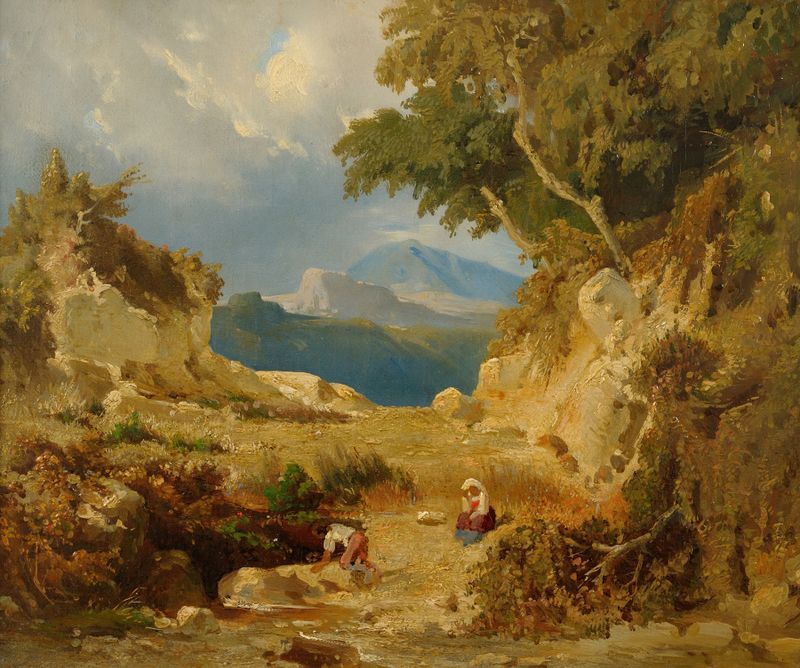
Italian Landscape
Julie Wilhelmine Hagen-Schwarz

St Peter’s Basilica in Rome
Julie Wilhelmine Hagen-Schwarz
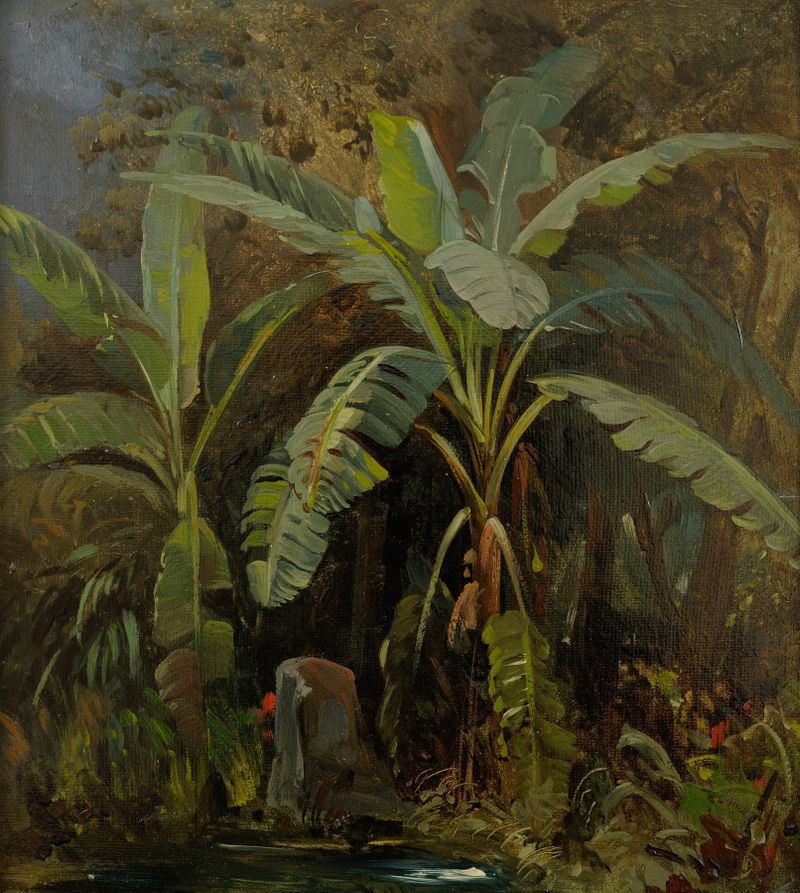
Vegetation in Italy
Julie Wilhelmine Hagen-Schwarz
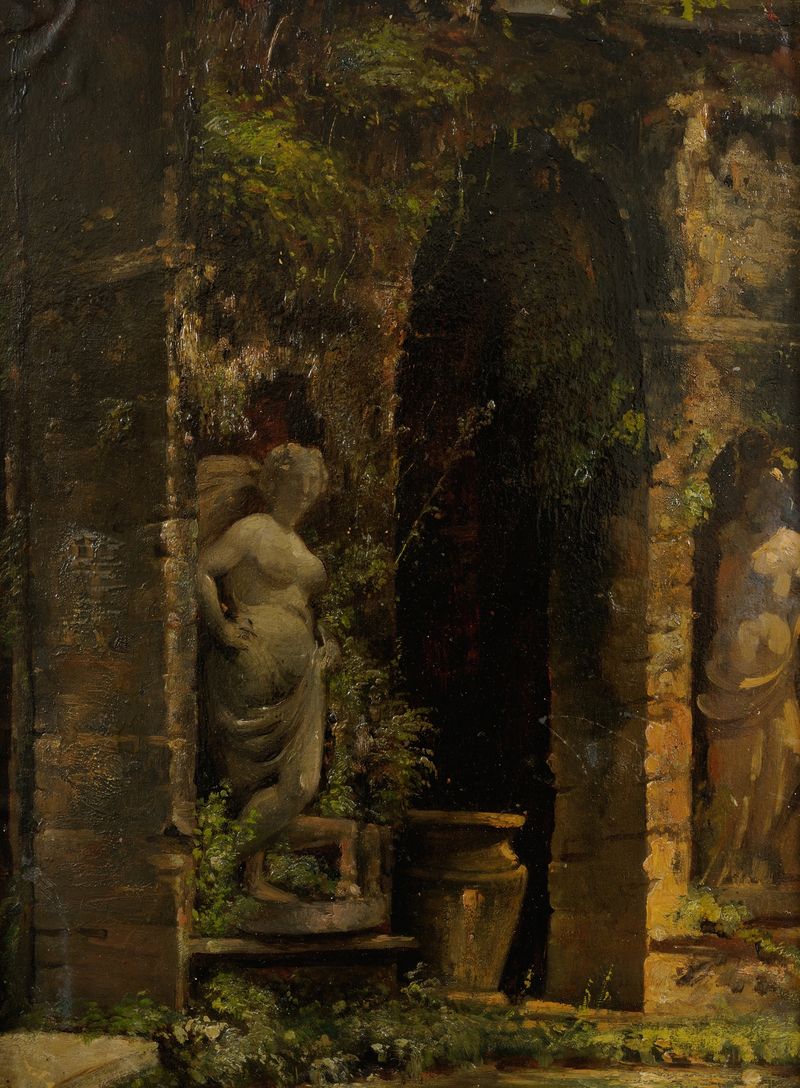
Grotto in Rome
Julie Wilhelmine Hagen-Schwarz

Mountainous Landscape with a Tent
Julie Wilhelmine Hagen-Schwarz
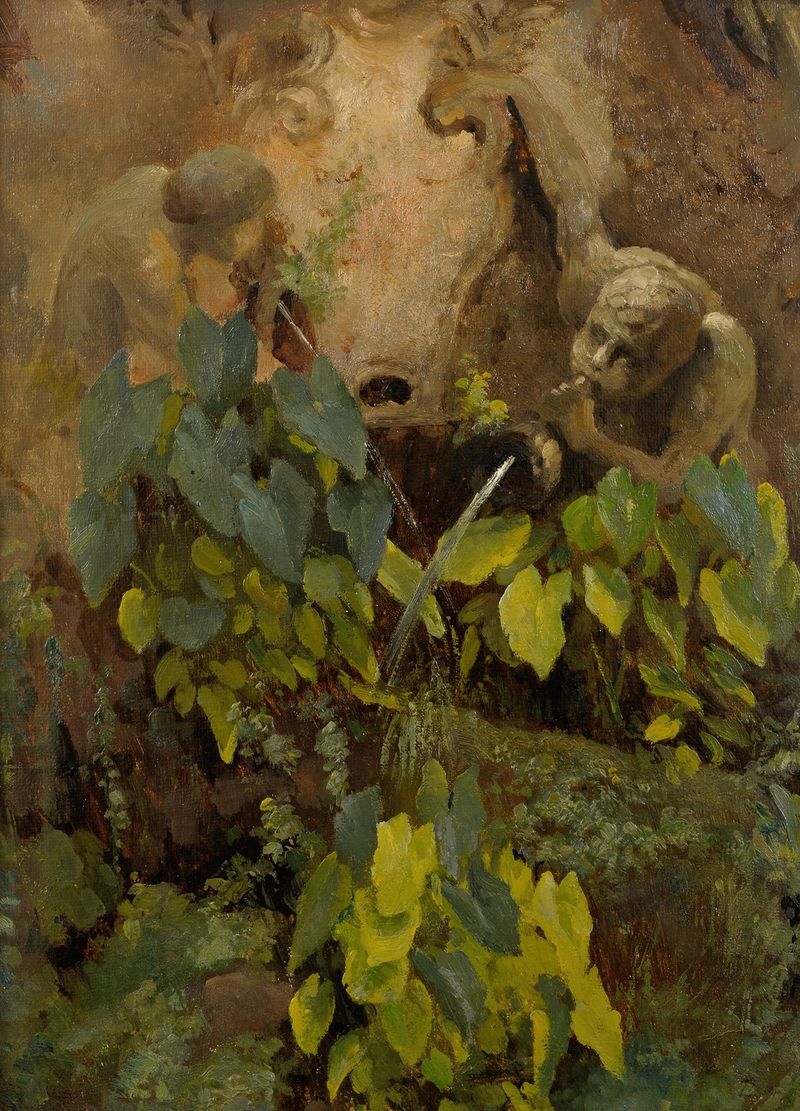
Well with Fauns
Julie Wilhelmine Hagen-Schwarz
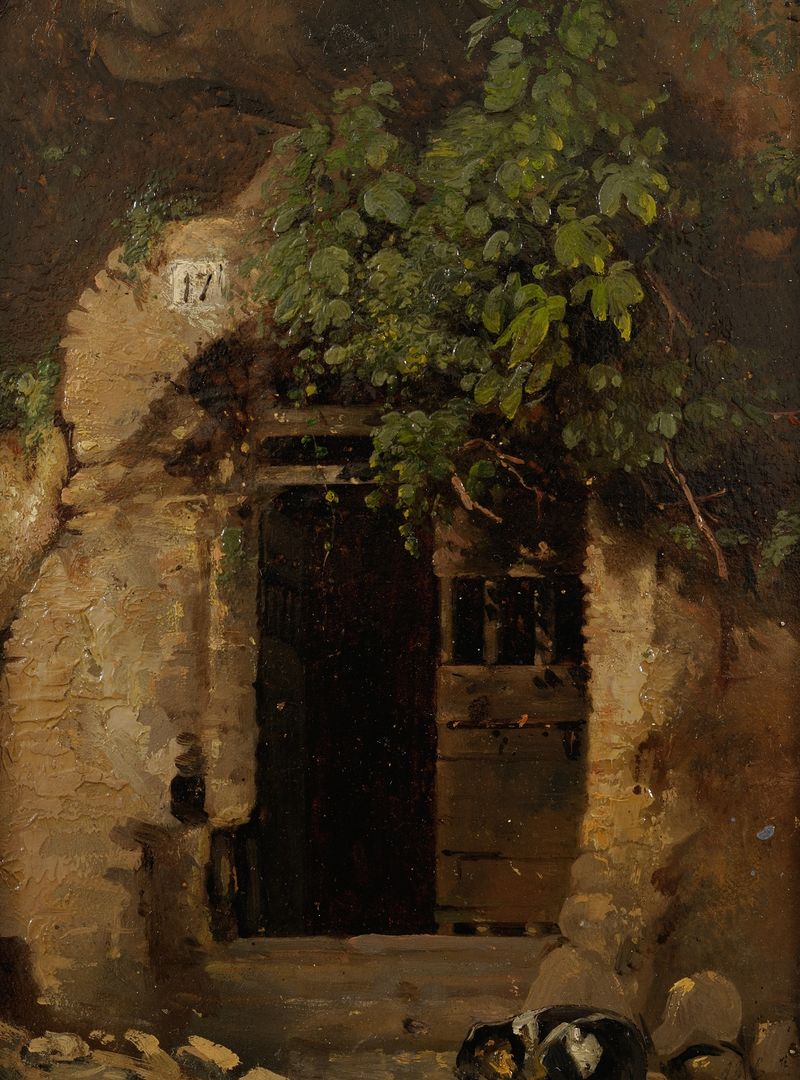
Tavern in Nemi
Julie Wilhelmine Hagen-Schwarz

Blauberg near Wolmar
Julie Wilhelmine Hagen-Schwarz

Käsmu Beach
Julie Wilhelmine Hagen-Schwarz





