
Village d’Auvergne — History & Facts
This paradox resonates deeply within the essence of Village d’Auvergne, where the countryside whispers stories of both transcendence and melancholy. Look to the foreground, where the delicate strokes of green and gold gently embrace the rolling hills, inviting you to explore the undulating landscape. The village, nestled quietly against the horizon, is composed with an intricate balance—each thatched roof seems to cradle the earth beneath it. Notice how light filters through the vibrant foliage, casting dappled shadows that suggest a fleeting moment, as if the world is breathing, caught in the embrace of dusk. Amidst this natural beauty lies an emotional tension.
The serene village is contrasted by the encroaching twilight, a subtle reminder that even in peaceful moments, time marches on and darkness looms. The warm hues of the sky evoke nostalgia while also hinting at the inevitable passage of life, revealing a deeper connection between beauty and loss. These elements culminate in a sense of transcendence, suggesting that within the confines of nature, we find both solace and sorrow. In 1830, Rousseau was painting in the heart of France, deeply influenced by the Barbizon school, which sought to capture the essence of nature.
His work reflected a longing for authenticity in an era marked by industrialization. During this period, he grappled with his artistic identity, navigating the tension between romantic ideals and the real landscapes surrounding him. Village d’Auvergne stands as a testament to that journey, a poignant moment where art and nature converge.
More Artworks by Théodore Rousseau
Browse all →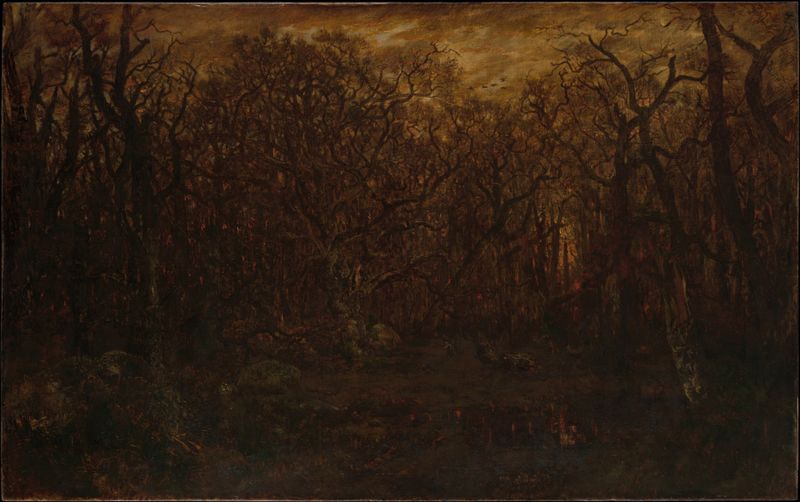
The Forest in Winter at Sunset
Théodore Rousseau
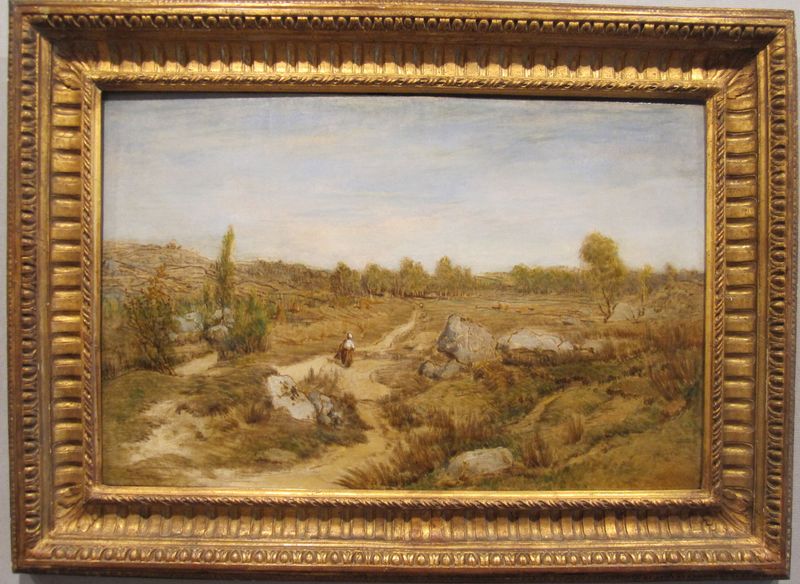
Valley of the Rouars in the Gorges d’Apremont
Théodore Rousseau
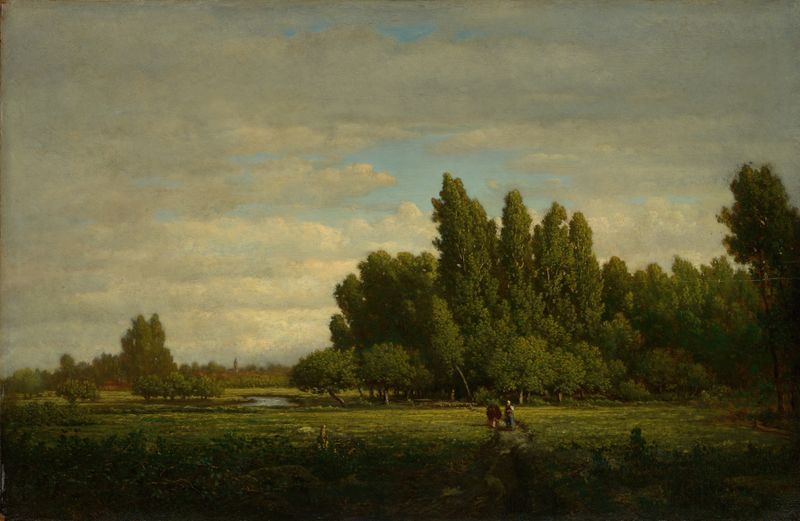
A Meadow Bordered by Trees
Théodore Rousseau
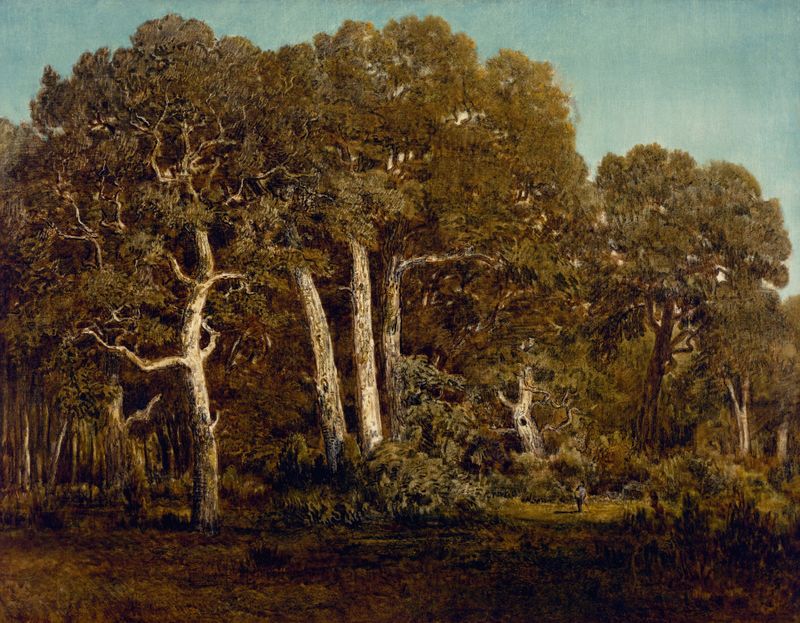
The Great Oaks of Old Bas-Bréau
Théodore Rousseau
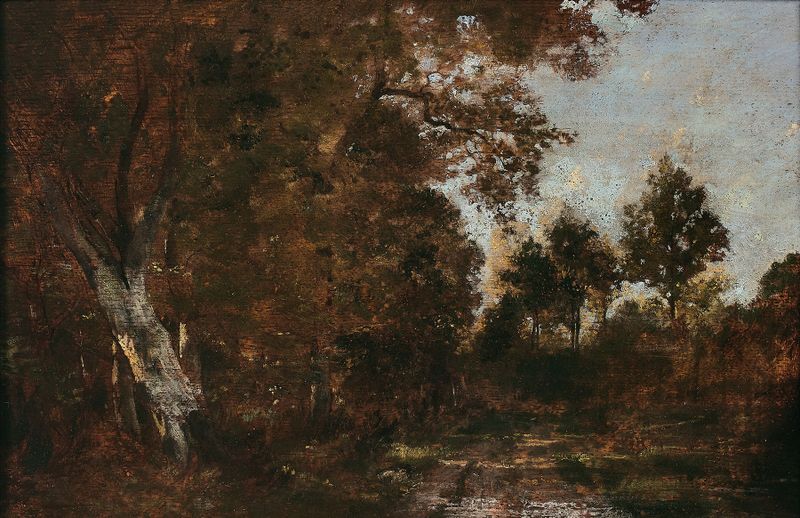
Paysage de sous-bois
Théodore Rousseau
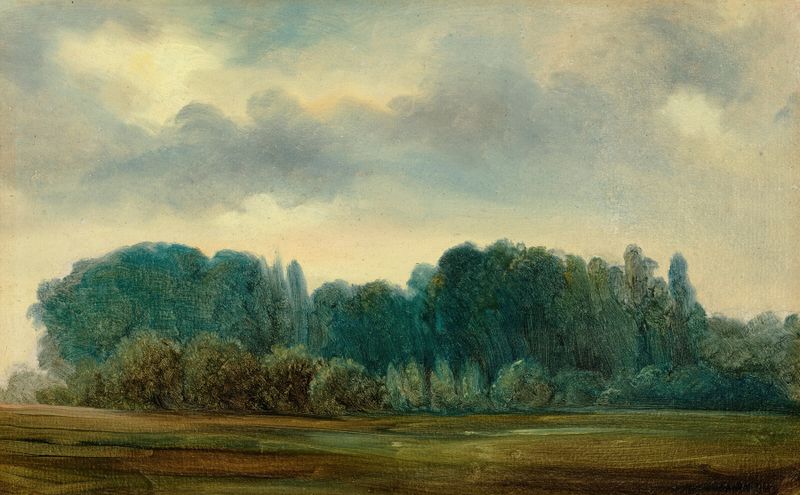
Paysage
Théodore Rousseau
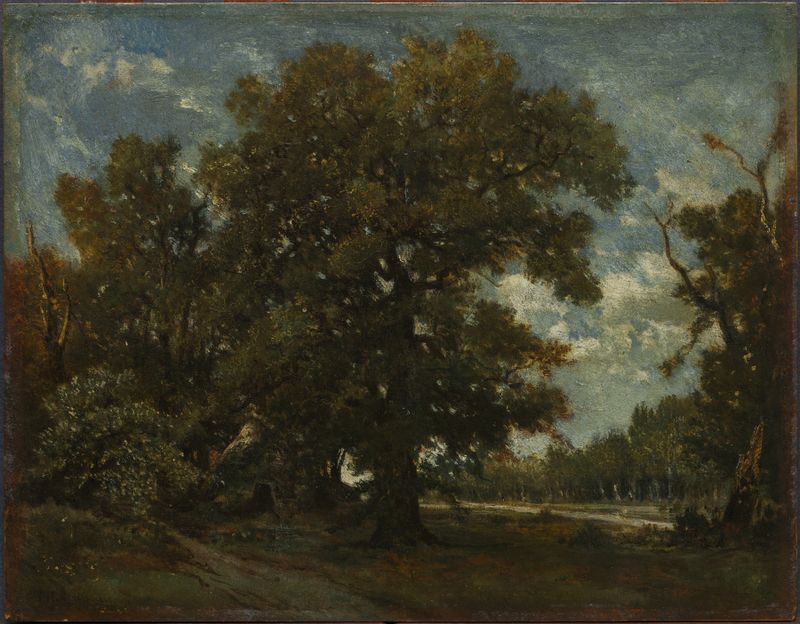
The Oak Tree
Théodore Rousseau
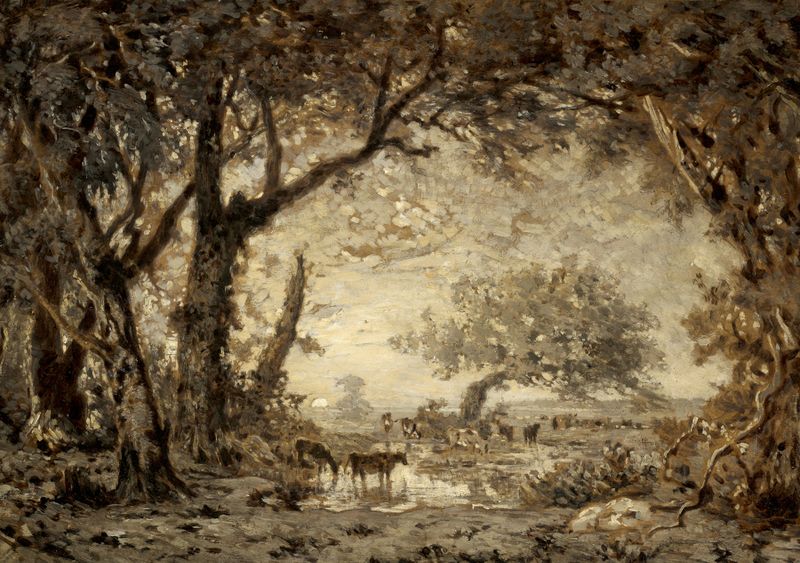
Sunset from the Forest of Fontainebleau
Théodore Rousseau
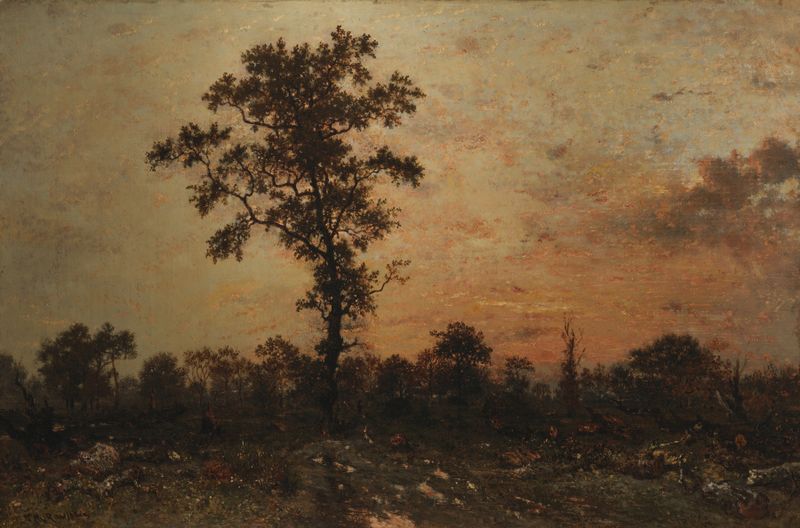
Edge of the Forest, Sun Setting
Théodore Rousseau
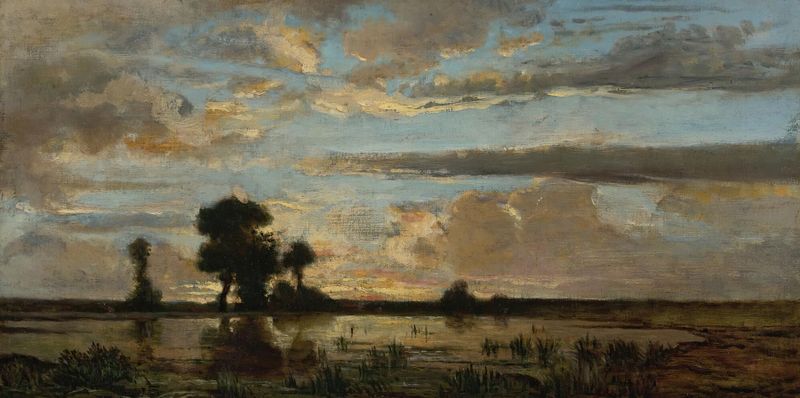
Soleil Couchant
Théodore Rousseau





