
Village of Friendly Indians at the Entrance of Buter Canal near Hanover — History & Facts
Could a single brushstroke hold eternity? Within the delicate layers of Village of Friendly Indians at the Entrance of Buter Canal near Hanover, the tension between harmony and conflict emerges, inviting contemplation on the often-overlooked violence of encounters between cultures. Focus on the foreground where indigenous figures stand gracefully, their postures suggest both openness and wariness. The interplay of soft earth tones and vibrant greens creates a sense of natural beauty, yet the careful arrangements of the figures hint at deeper narratives of survival and coexistence. Notice how the light dapples through the trees, casting shadows that play across the water’s surface, suggesting that beneath the tranquil veneer lies an undercurrent of unrest. As you linger, uncover the contrasting elements: the serene expressions of the villagers and the distant, tumultuous waters that frame their existence.
Each detail— from the meticulously rendered clothing to the gentle gestures of camaraderie—reveals an intricate dance between peace and the violent history of colonization. These subtleties stir a profound reflection on the fragility of their way of life, suspended between beauty and the looming threat of encroachment. Created in a time when the narrative of indigenous peoples was often romanticized or lost, the artist worked on this piece amid a growing fascination with exoticism in early 19th-century art. Smith, a British painter and naturalist, documented these encounters with a blend of admiration and awareness of the complexities of colonial narratives.
In this context, the artwork stands as both a celebration and a caution, reflecting the artist's insights and the broader societal currents of his time.
More Artworks by Charles Hamilton Smith
Browse all →
Situation of H.M.S. Hecla & Griper
Charles Hamilton Smith
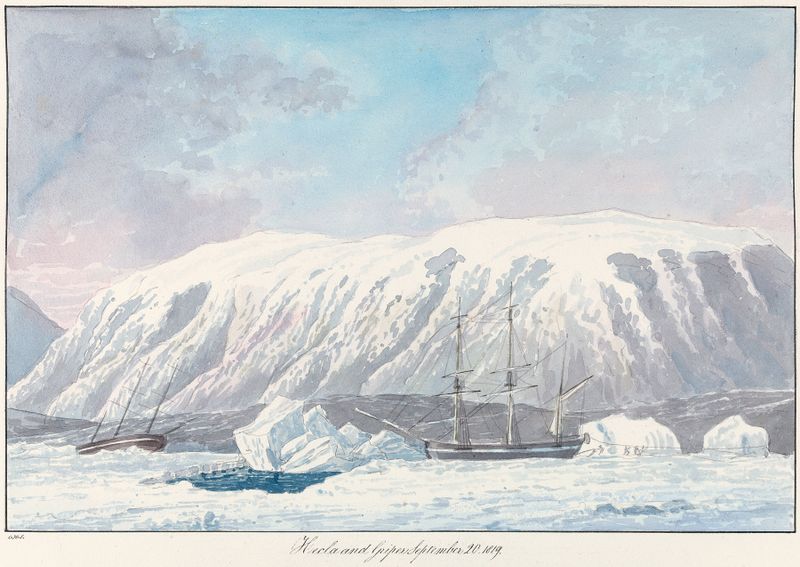
Hecla and Griper
Charles Hamilton Smith

Friendly Cove, Nootka Sound
Charles Hamilton Smith

Iceberg in Baffin’s Bay
Charles Hamilton Smith
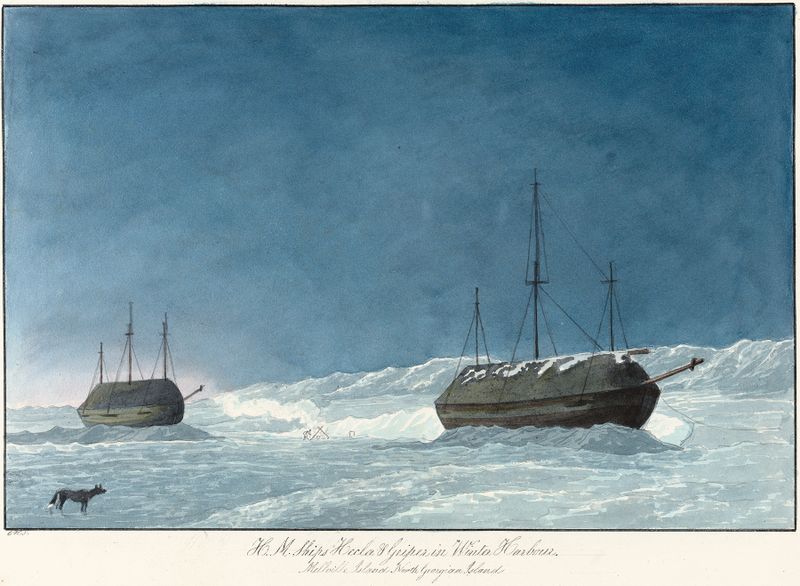
H. M. Ships Hecla and Griper in Winter Harbour
Charles Hamilton Smith

The Erebus & Terror in a Gale in the Pack of the Ice
Charles Hamilton Smith
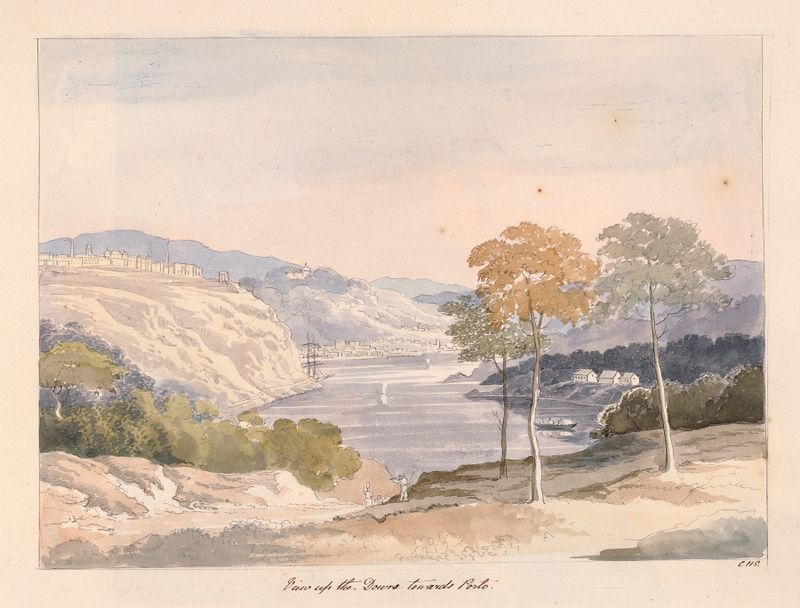
View of the Douro towards Porto
Charles Hamilton Smith
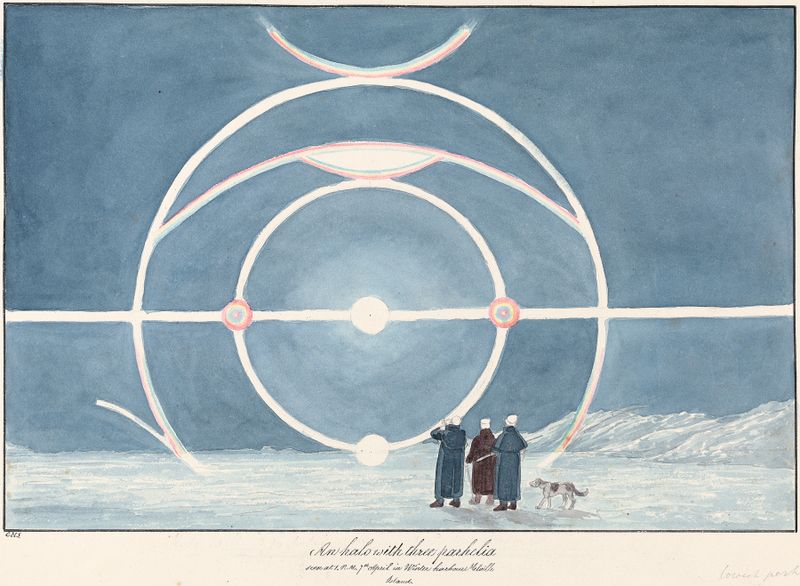
Halo with Three Parhelia, Winter Harbour Melville Island
Charles Hamilton Smith
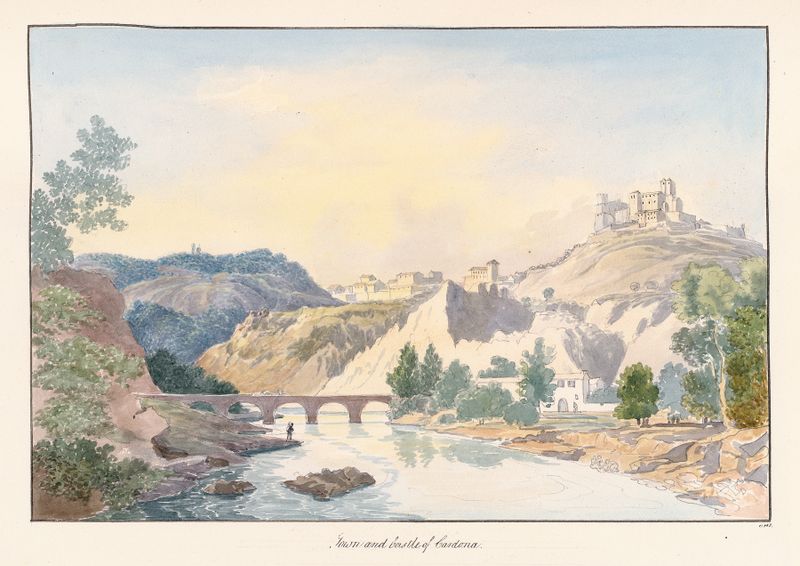
Town and Castle of Cardona
Charles Hamilton Smith
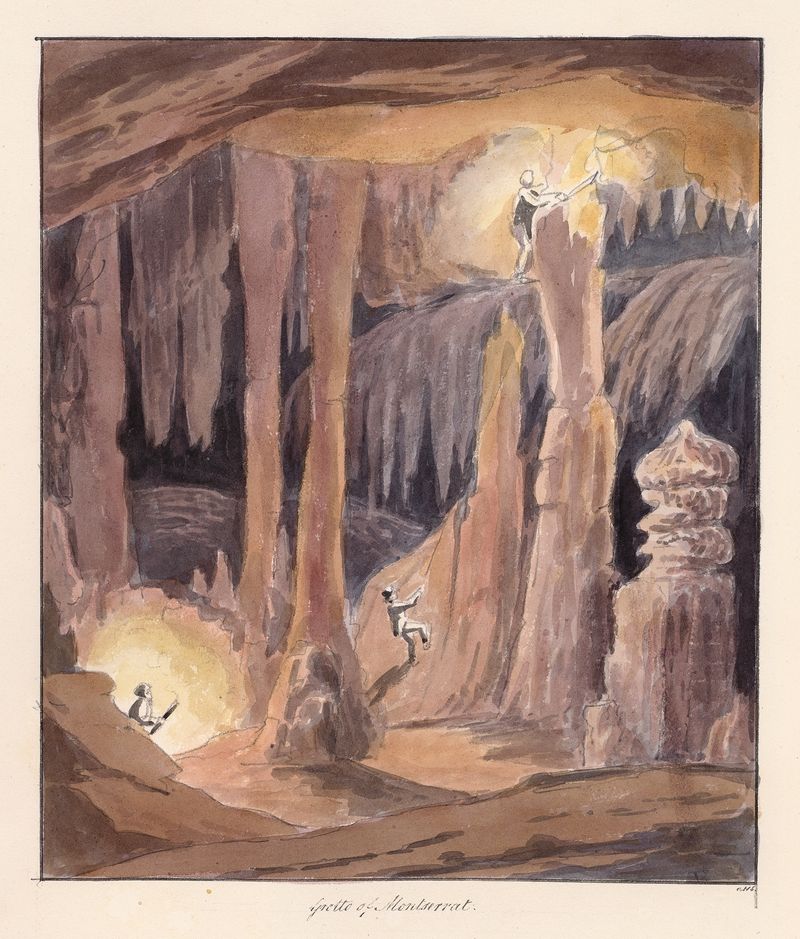
Grotto of Montserrat
Charles Hamilton Smith
More Historical Art
Browse all →
The Night Watch Militia Company of District II under the Command of Captain Frans Banninck Cocq
Rembrandt van Rijn

Lincoln Memorial
Henry Bacon

The Third of May 1808
Francisco de Goya

Isaac and Rebecca, Known as ‘The Jewish Bride’
Rembrandt van Rijn

The Charge of the Mamelukes (1814)
Francisco de Goya

De vier ruiters van de apocalyps
Albrecht Dürer