
Village Street — History & Facts
In the stillness of Village Street, we are invited to reflect on the fleeting nature of daily life, captured in a moment that feels both familiar and elusive. Look to the left where the warm hues of ochre and earthy browns converge, guiding your gaze along the cobblestone path. The gentle interplay of light and shadow creates a sense of depth, while the distance reveals a cluster of houses, their stoic presence softened by the lush greenery surrounding them. Notice how Van Goyen employs a delicate balance of horizontal lines and layered textures, evoking the tranquility and simplicity of village life in the 17th century. Upon closer inspection, subtle details emerge—a distant figure walking with purpose, a child playing by the edge of a well, hinting at the lives that intertwine within this quiet scene.
The painting contrasts the stillness of the landscape with the movement of people, encapsulating a moment of connection, yet underscored by a sense of solitude. The muted colors speak of hard labor and unadorned beauty, revealing the emotional richness of everyday existence. In 1628, Van Goyen painted this piece during his time in the Netherlands, a period marked by artistic exploration and the rise of landscape painting. As the Dutch Golden Age flourished, he skillfully blended realism with the poetic, reflecting the social fabric and environmental aspects of life in his homeland.
Village Street serves as a testament to his ability to transform the ordinary into an extraordinary reflection of human experience.
More Artworks by Jan van Goyen
Browse all →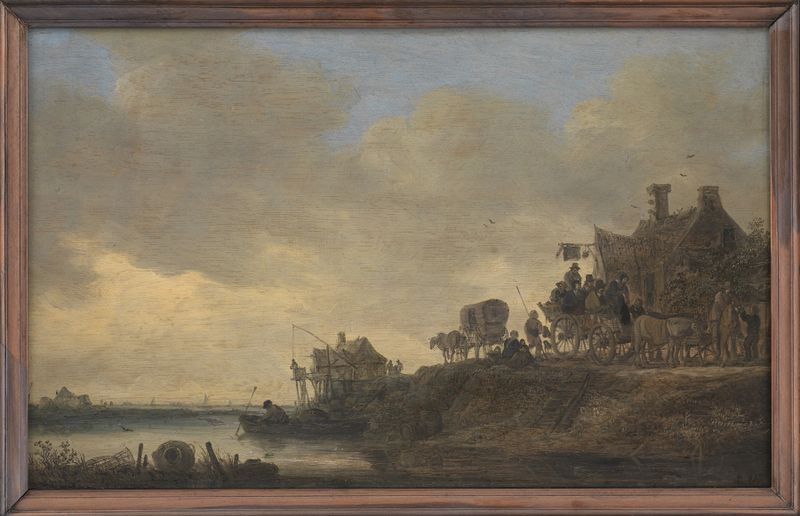
River Scene with the ‘Swan’ Tavern
Jan van Goyen

The Valkhof in Nijmegen
Jan van Goyen
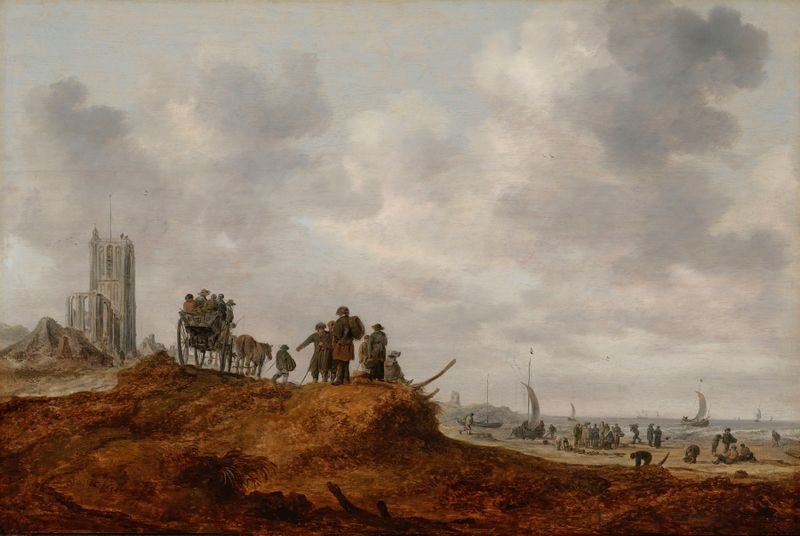
The Old Church at Egmond aan Zee
Jan van Goyen
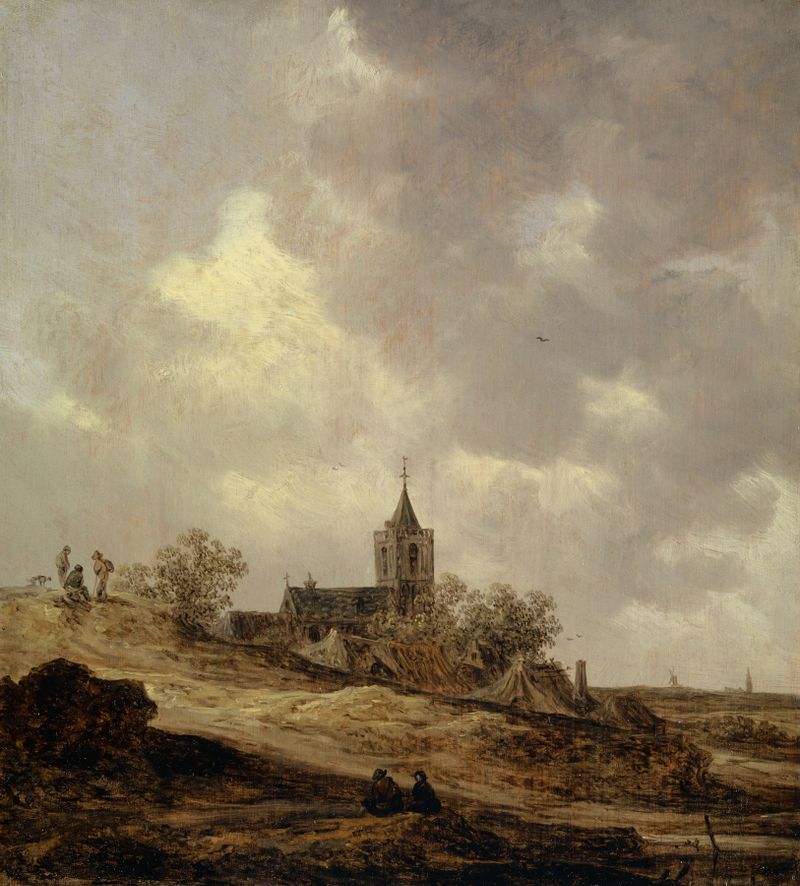
Village Church seen from the Dunes
Jan van Goyen
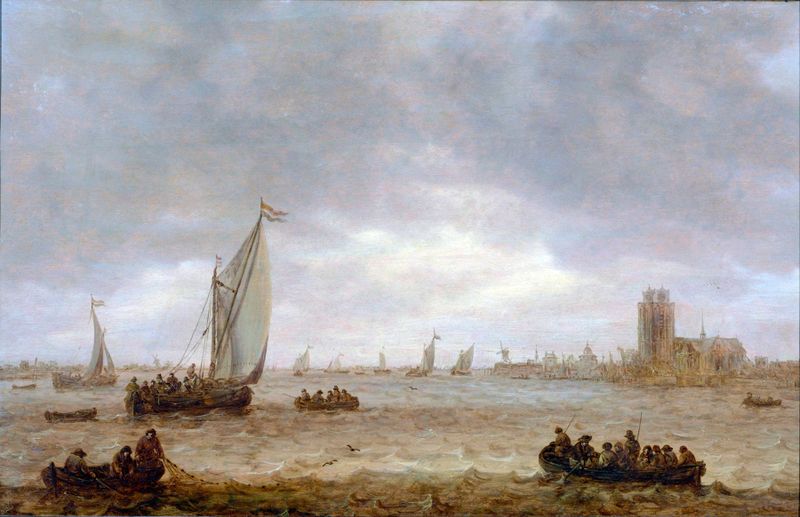
Mouth of the Meuse
Jan van Goyen

River Landscape with the Pellecussen Gate near Utrecht
Jan van Goyen
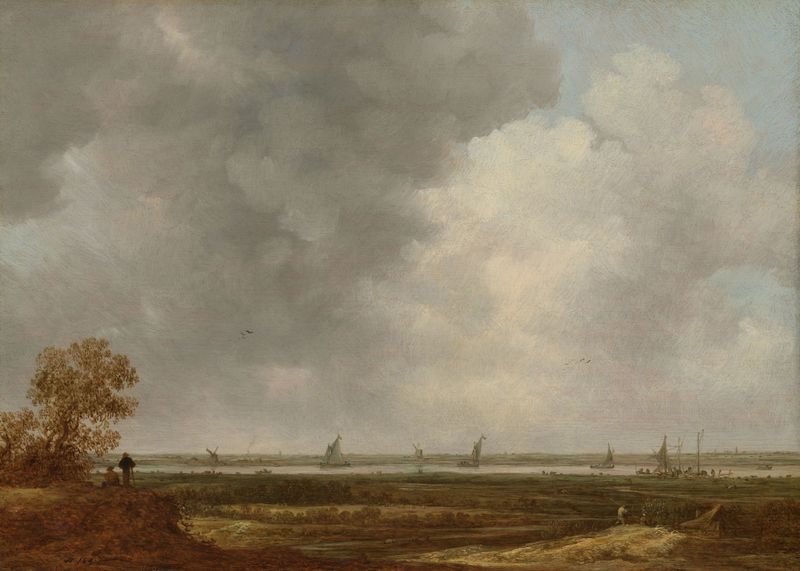
Panoramic View of a River with Low-lying Meadows
Jan van Goyen
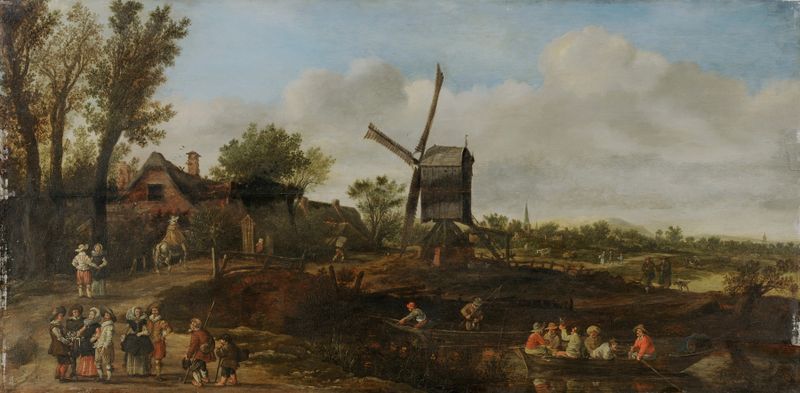
Dutch Landscape
Jan van Goyen
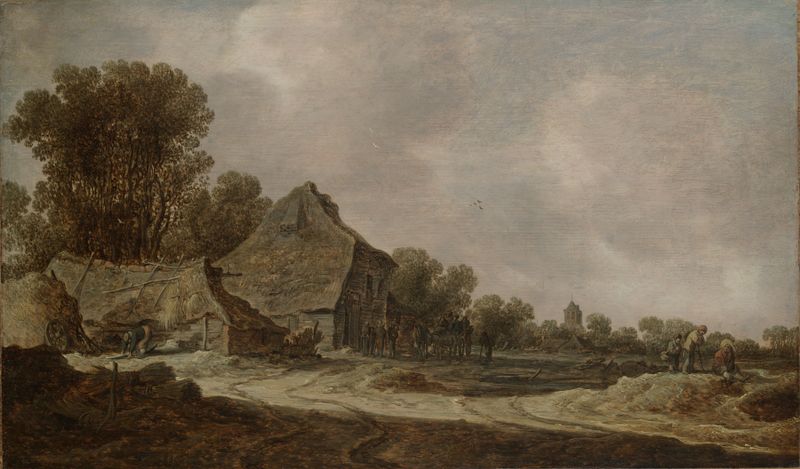
A Sandy Road with Thatched Cottages
Jan van Goyen
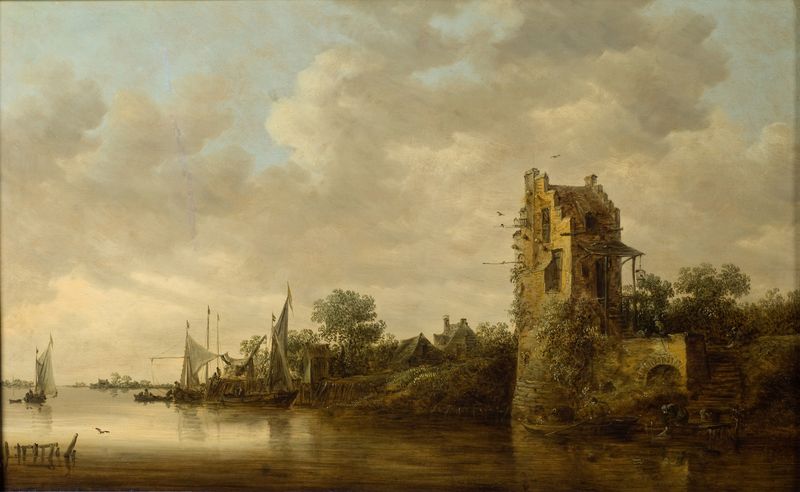
Riverside with an Old Tower
Jan van Goyen





