
Village Street With Drawbridge — History & Facts
Such nostalgia wafts through the air, inviting contemplation of moments past that linger like a soft shadow on the heart. Focus first on the tranquil drawbridge, arching gracefully across the water, where reflections dance like fleeting memories. Notice how the warm, earthy tones of the village buildings harmonize with the lush greenery, creating a sense of unity and peace. The gentle play of light enhances the serene atmosphere, drawing your eye to the figures on the banks, their forms almost merging with the landscape itself. Hidden within this idyllic scene are contrasts that speak of life’s impermanence.
The solidity of the drawbridge stands in juxtaposition to the fluidity of the water, symbolizing a connection between past and present. The presence of the figures—both active and still—evokes a poignant sense of longing and the passage of time. Small details, like the ripples on the water’s surface, reflect the emotional undercurrents of nostalgia, suggesting the quiet yet profound impact of moments that have shaped our lives. Created during the Golden Age of Dutch painting, Jan Both crafted this work amidst a burgeoning appreciation for landscape art in the 17th century.
While the exact date remains unknown, it is likely that this piece reflects Both's immersion in the vibrant artistic community of Utrecht, where picturesque scenes of rural life were celebrated. Both’s mastery of light and atmosphere would influence many, marking his place in the evolution of landscape painting.
More Artworks by Jan Both
Browse all →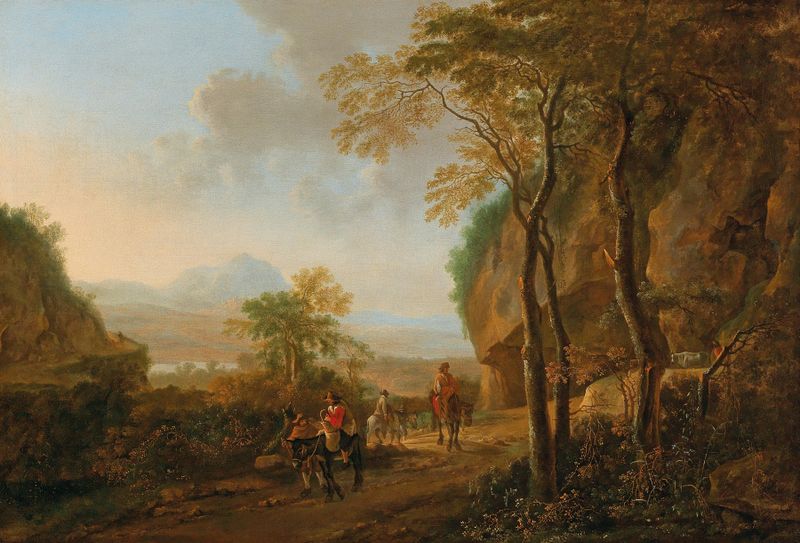
An Italianate landscape with travellers
Jan Both
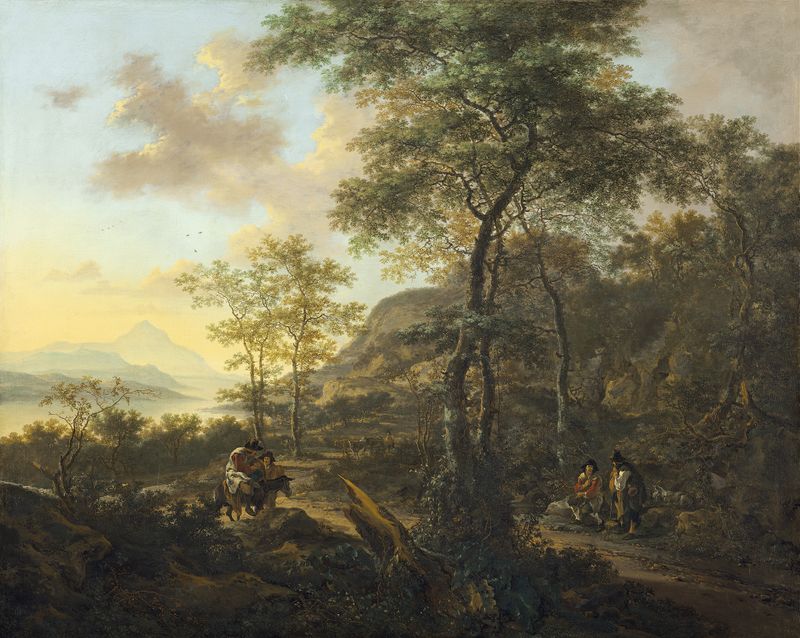
An Italianate Evening Landscape
Jan Both
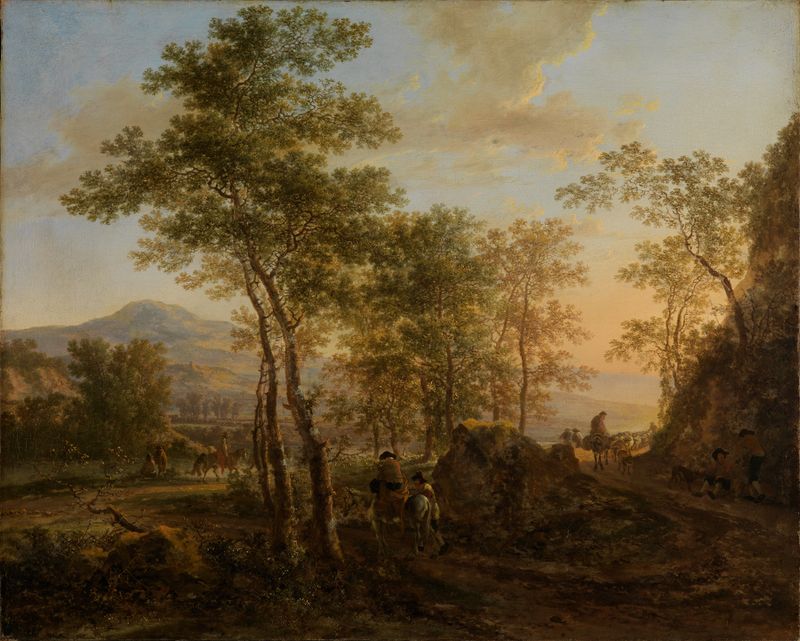
Italienische Landschaft am Abend
Jan Both
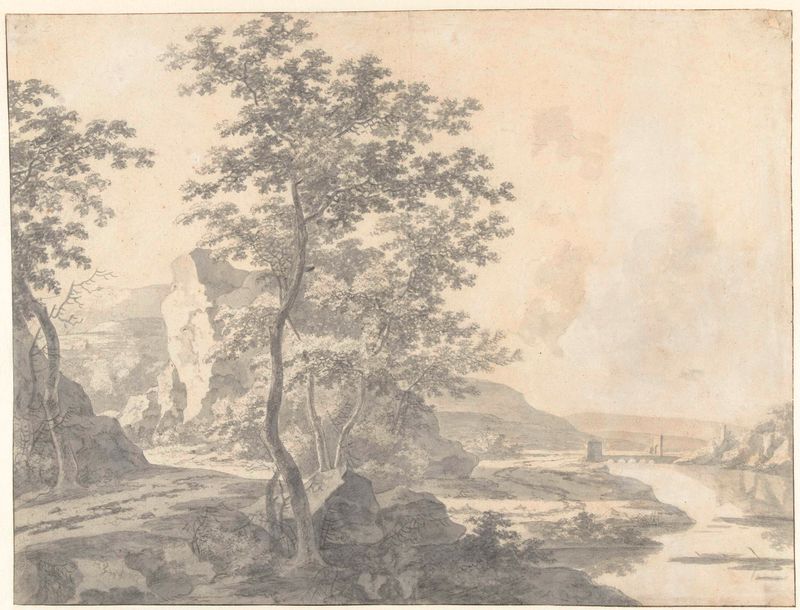
Italiaans landschap
Jan Both
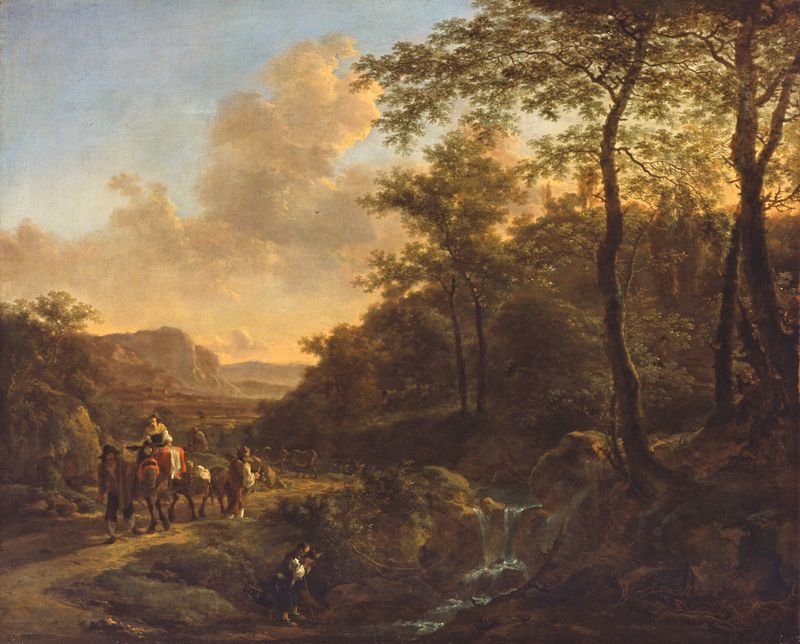
Scene of the Roman Campagna
Jan Both
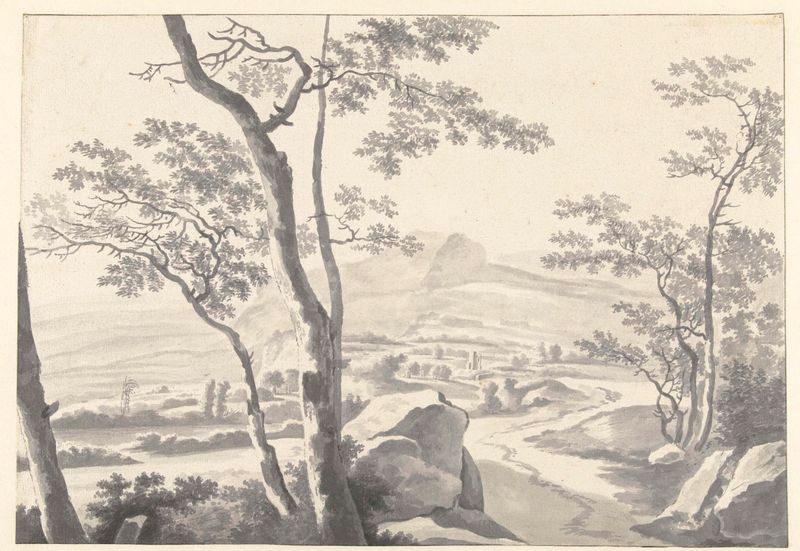
Landschap
Jan Both
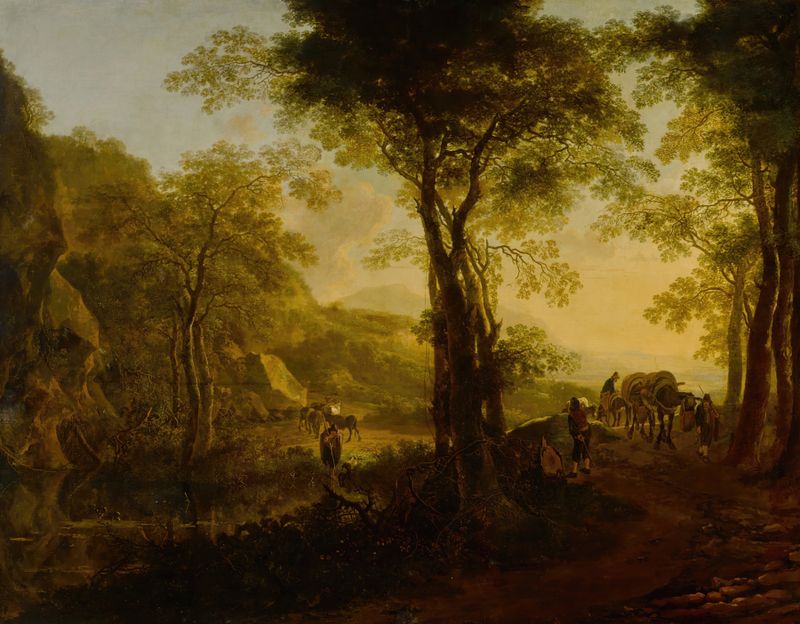
Italianate landscape at sunset, with travelers on a country road
Jan Both
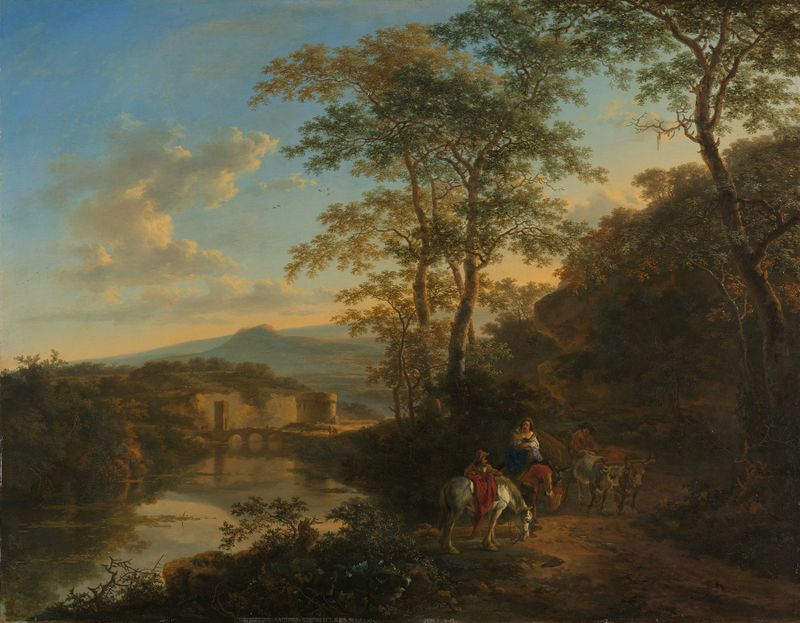
Italian Landscape with the Ponte Lucano over the Aniene River
Jan Both
A wooded landscape with travellers crossing a ford
Jan Both

Italian Landscape
Jan Both





