
Villeneuve-les-Avignon — History & Facts
In its stillness, it invites us to breathe and embrace the serenity of nature, where every brushstroke whispers stories of peace. Look to the foreground, where the gentle curve of the river intertwines with the lush greenery. Notice how the light falls upon the water, reflecting soft hues of blue and gold, giving life to the serene landscape. The artist's deft technique reveals textured strokes, blending earthy greens with delicate blues, creating a harmonious symphony of color that draws the eye deeper into the scene. As you explore further, notice the contrast between the static trees and the flowing river, representing the balance between permanence and transience.
The distant mountains, shrouded in a light mist, hint at the mysteries that lie beyond, evoking a sense of timelessness. Each element comes together to create a tapestry of tranquility, evoking a moment of contemplation and connection with the natural world. In 1836, while in Italy, Corot painted this piece, experimenting with his evolving style influenced by both the Barbizon School and the Romantic movement. At this time, he sought to capture the essence of landscapes, stepping away from pure realism towards a more emotional interpretation.
The world around him was shifting, as artists began to embrace the beauty of nature in a more personal way, paving the path for Impressionism's future.
More Artworks by Jean-Baptiste-Camille Corot
Browse all →
View of Genoa
Jean-Baptiste-Camille Corot
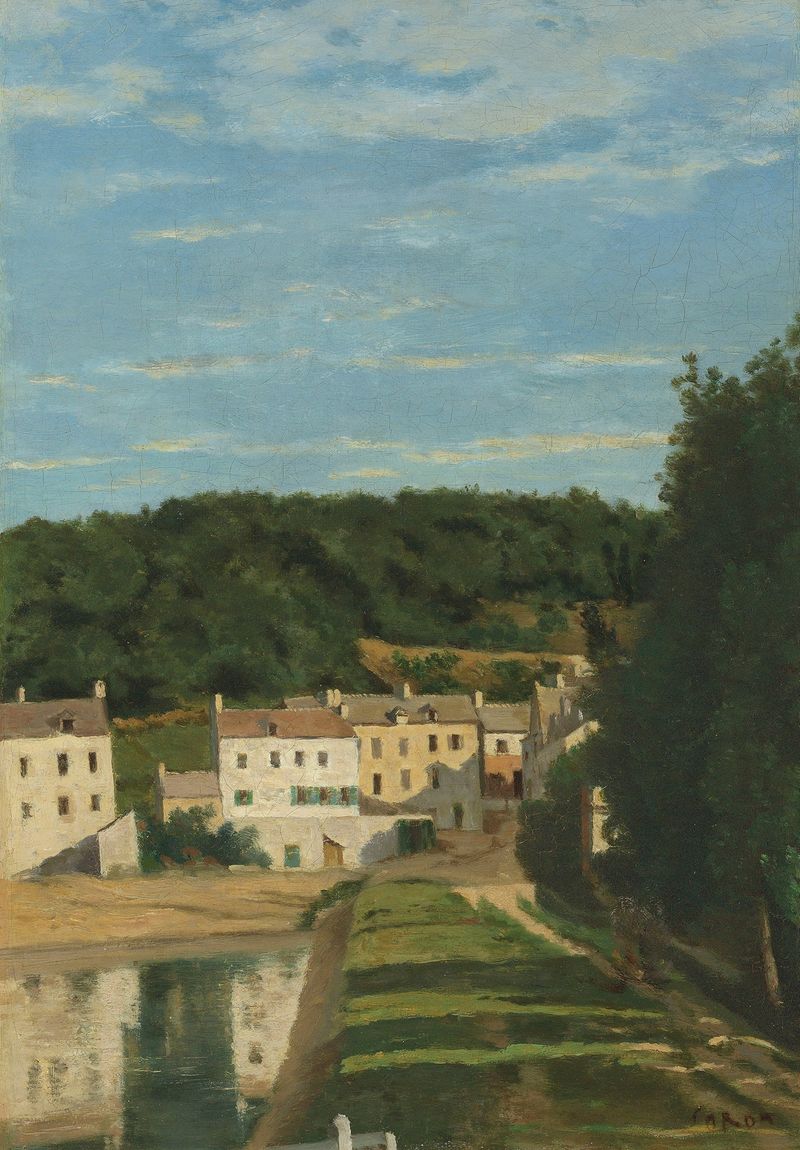
Les Maisons Cabassud À Ville D’avray
Jean-Baptiste-Camille Corot

La solitude. Souvenir de Vigen (Limousin)
Jean-Baptiste-Camille Corot
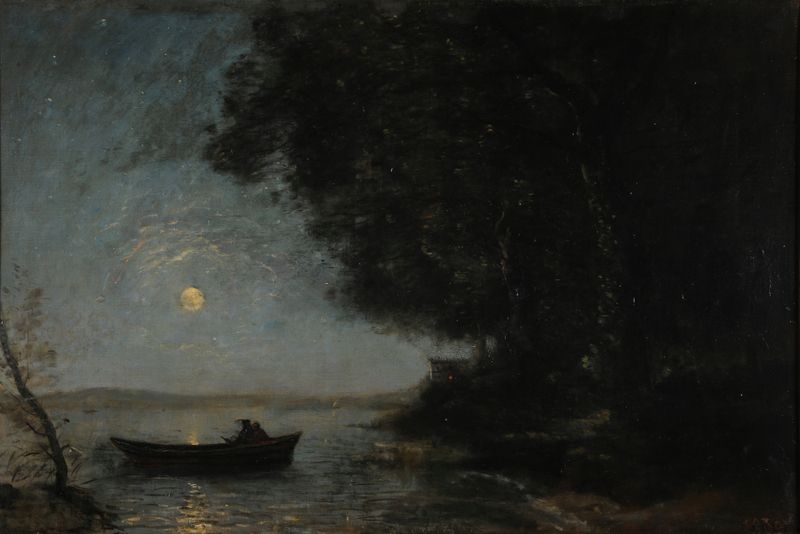
Le lac ; effet de nuit
Jean-Baptiste-Camille Corot
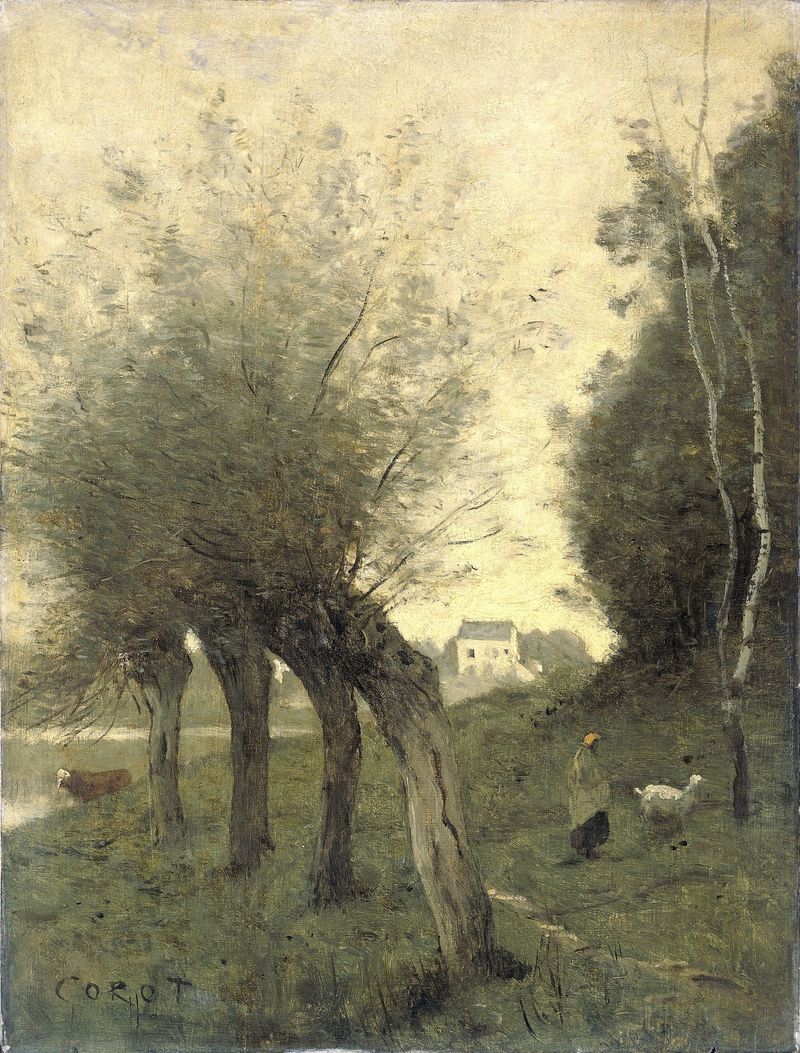
Landscape with Pollard Willows
Jean-Baptiste-Camille Corot
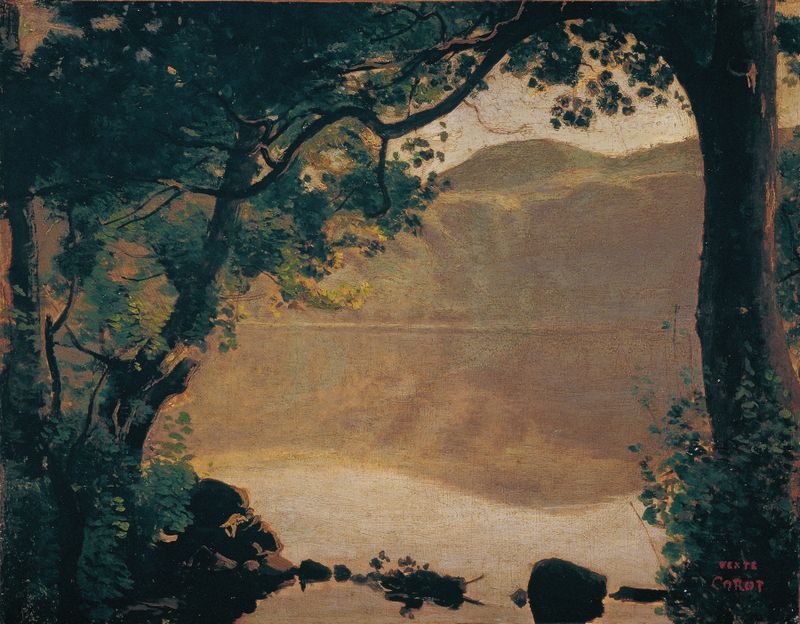
Der Nemisee
Jean-Baptiste-Camille Corot
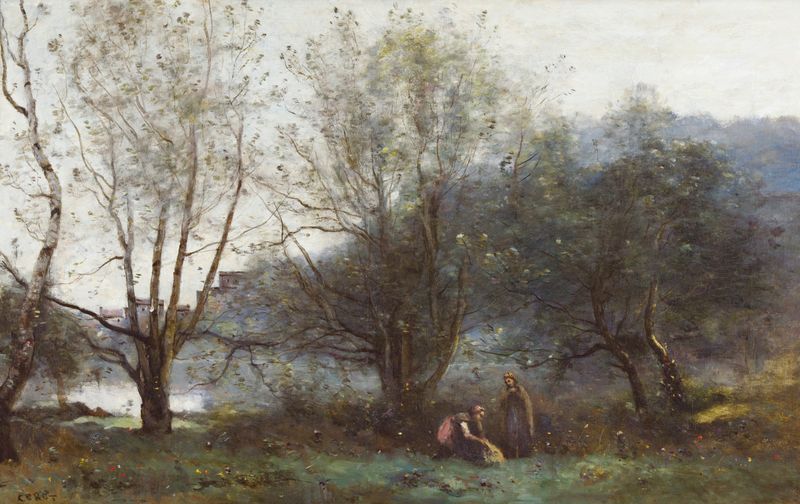
Les Étangs De Ville D’avray
Jean-Baptiste-Camille Corot
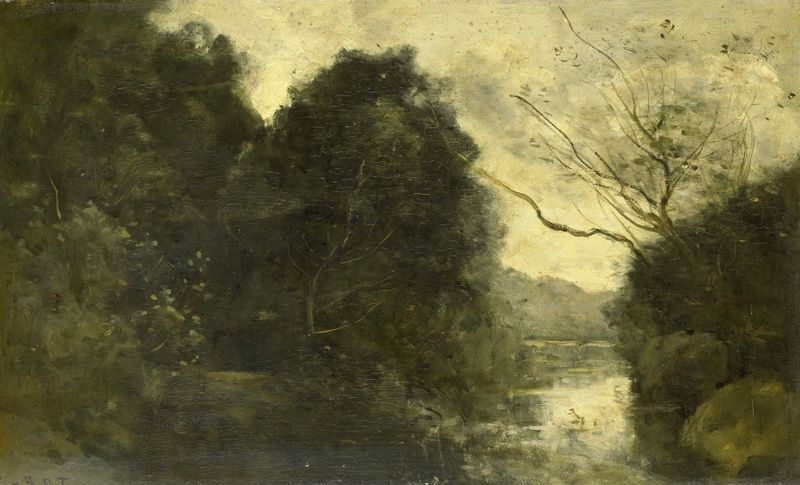
Pond in the Woods
Jean-Baptiste-Camille Corot
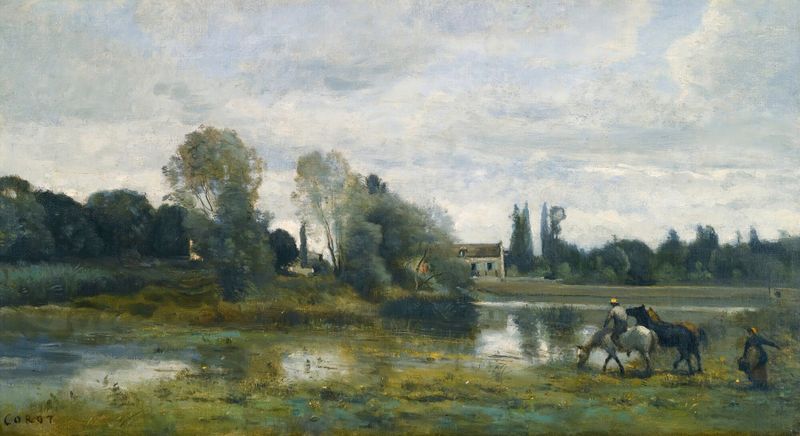
Ville D’avray; L’abreuvoir Des Chevaux
Jean-Baptiste-Camille Corot
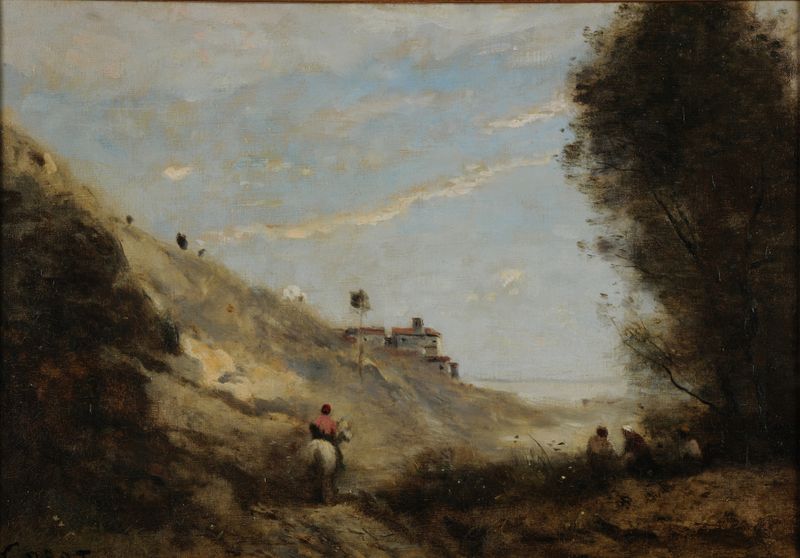
Le vallon au cavalier
Jean-Baptiste-Camille Corot





