
Virgin and Child — History & Facts
In Virgin and Child, the viewer is greeted by a serene depiction of the Virgin Mary holding the Christ Child. The colors are soft and warm, with gentle blues and golds dominating the palette. Mary is often shown in a flowing robe, her expression calm and nurturing as she gazes at her son.
The background is typically simple, focusing attention on the figures in the foreground. The painting is likely executed in oil on panel, a common medium during the Renaissance. Viewers can observe the fine details in the fabric of Mary's robe and the delicate features of the Child. The use of light and shadow creates a sense of depth, enhancing the three-dimensionality of the figures.
This technique is characteristic of the Italian Renaissance style, emphasizing realism and emotional expression. The Italian School encompasses a variety of artists, and this work reflects the religious devotion typical of the period. It is interesting to note that many similar depictions were created for private devotion, intended to inspire contemplation and prayer. This particular painting may have been part of a larger altarpiece or a standalone devotional image.
The Virgin and Child theme was especially popular, symbolizing maternal love and divine grace.
More Artworks by Italian School
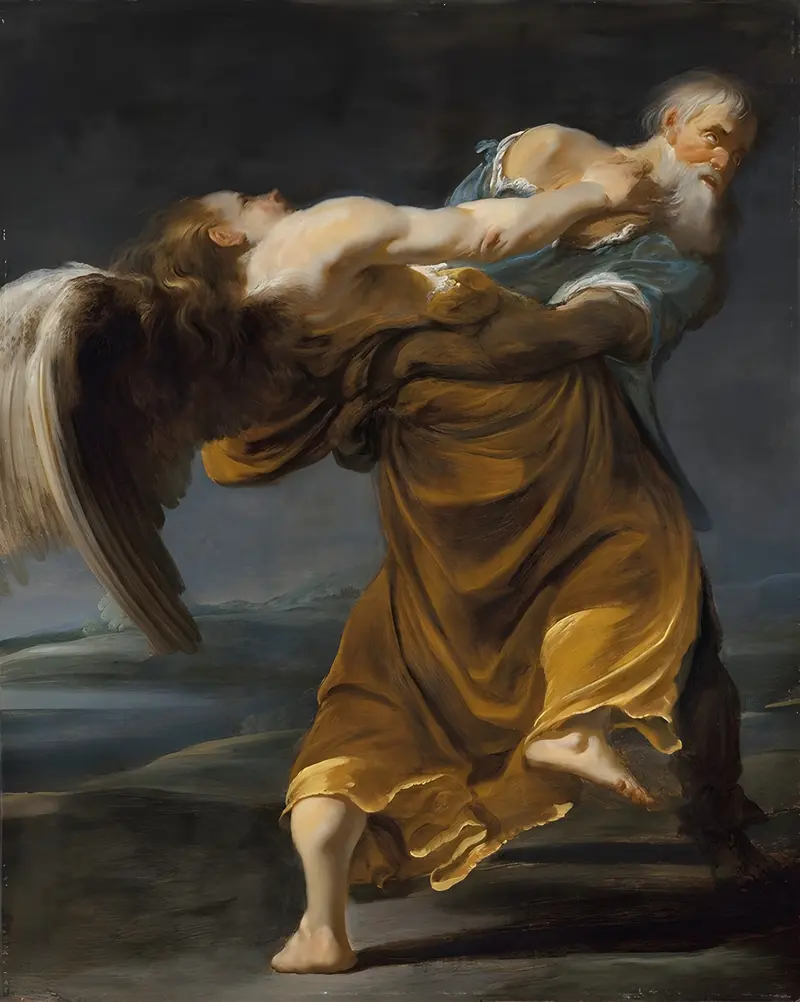
Jacob wrestling with the angel
Italian School
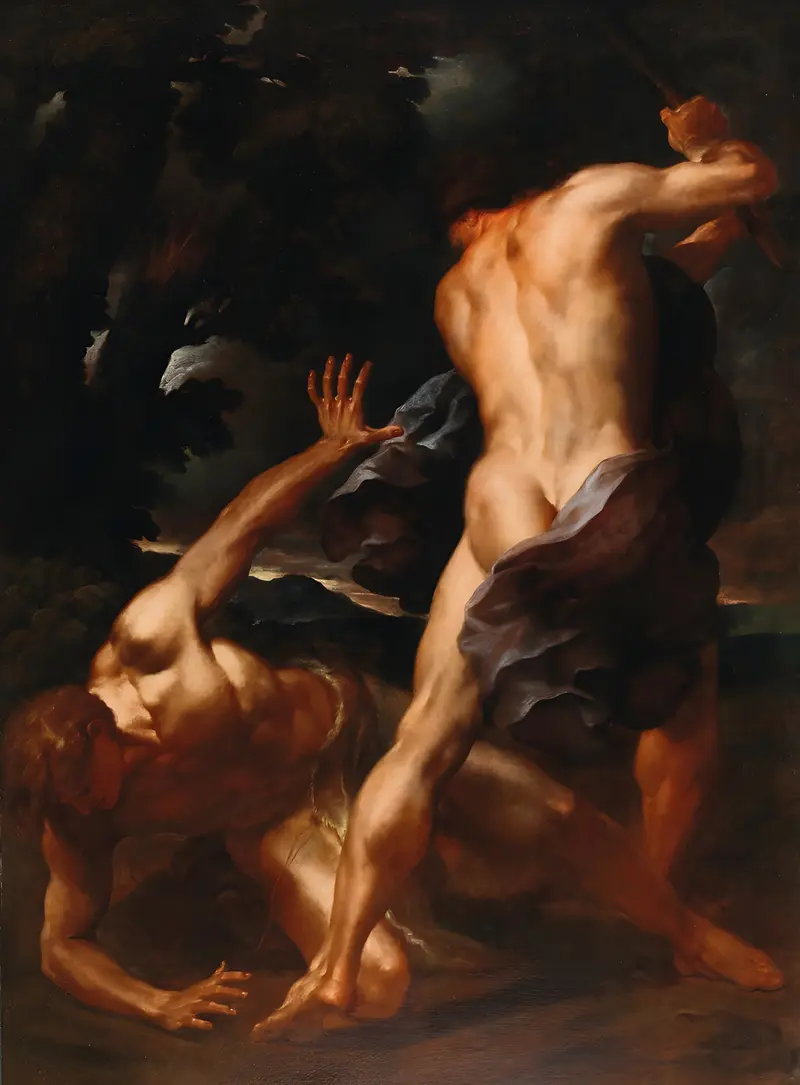
Cain and Abel
Italian School
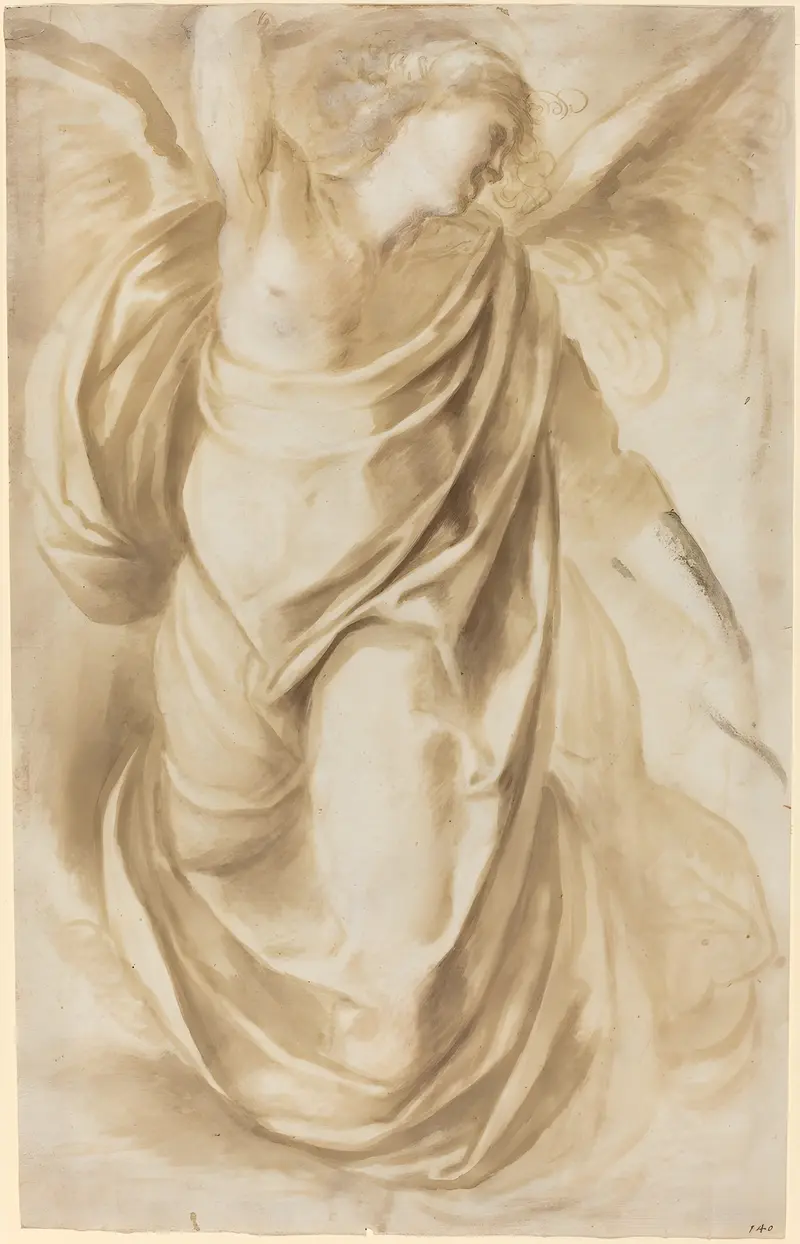
An Angel
Italian School
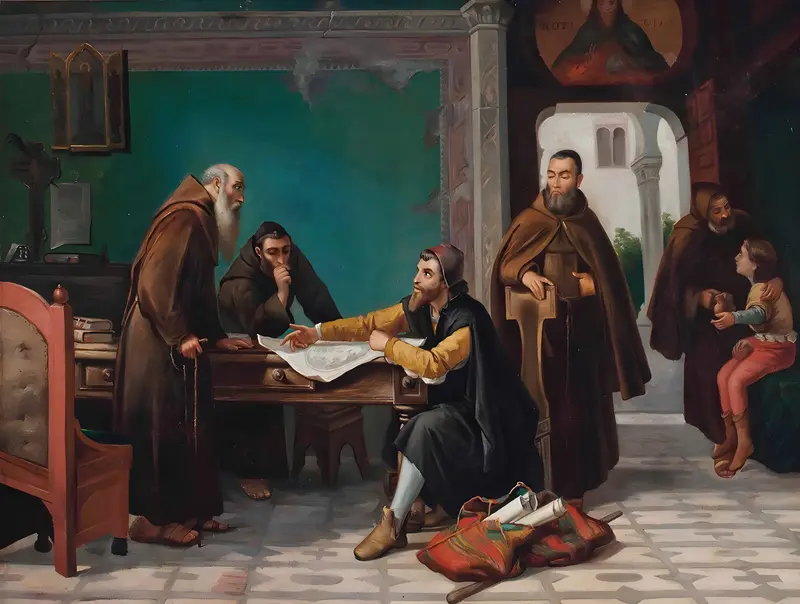
Christopher Columbus at the Monastery of Rabida
Italian School
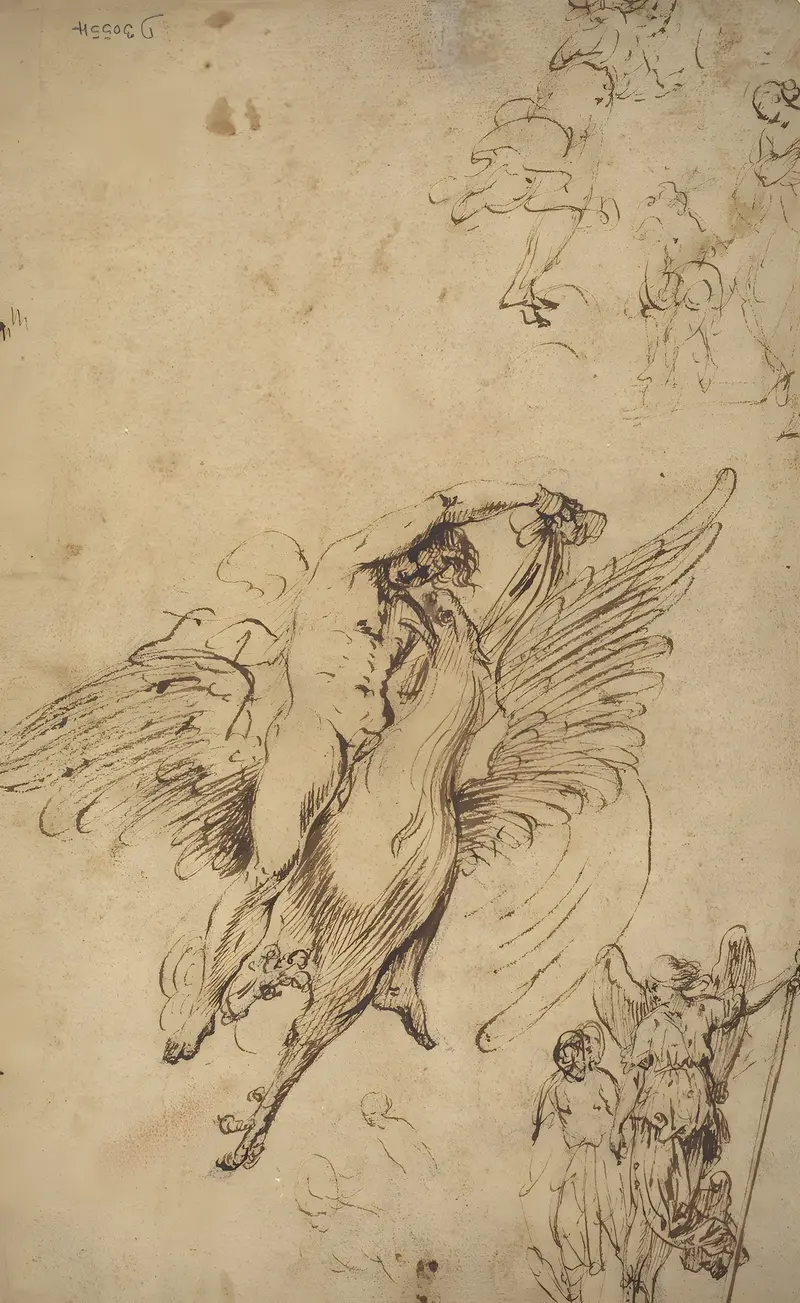
Ganymede
Italian School

MADONNA AND CHILD WITH THE INFANT SAINT JOHN THE BAPTIST, AMONG ARCHITECTURAL RUINS, A LANDSCAPE BEYOND
Italian School
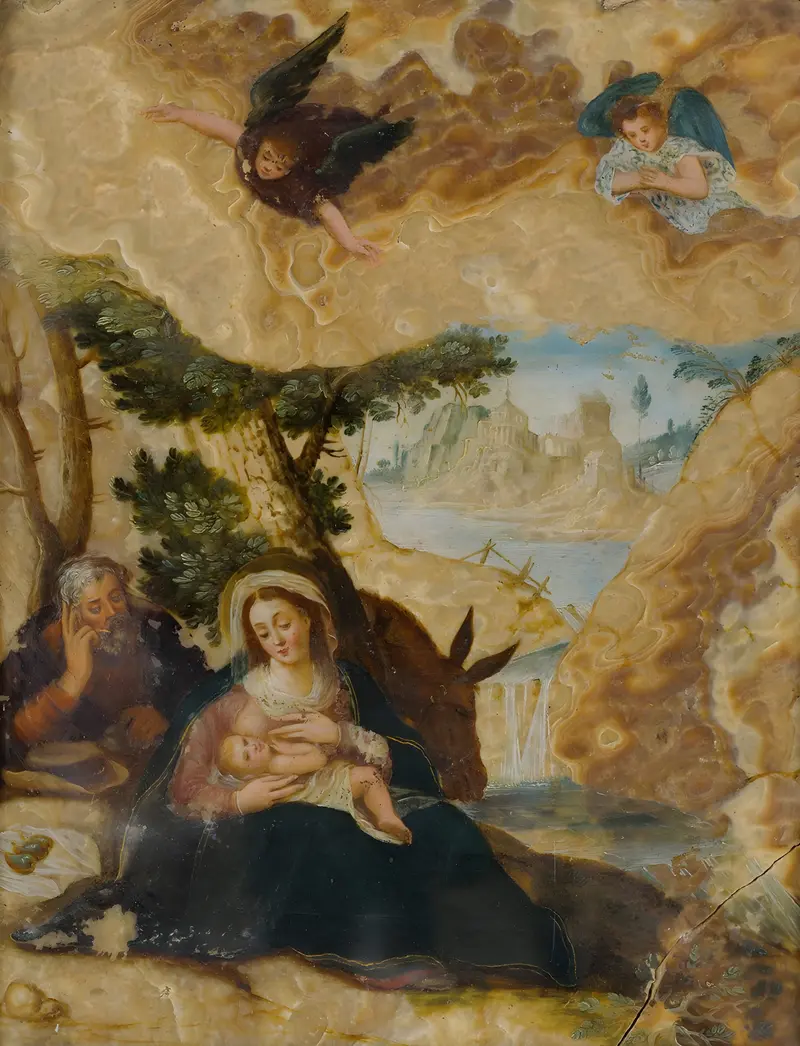
Madonna And Child
Italian School

Saint John the Baptist
Italian School
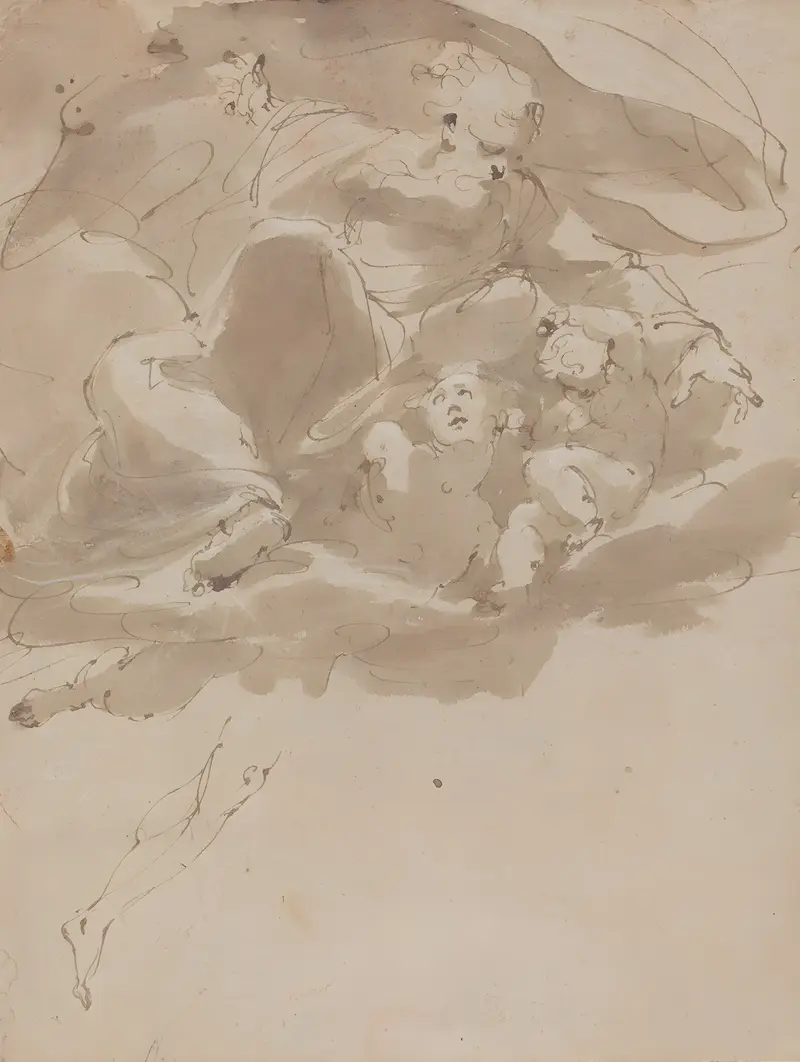
God the Father with Angels
Italian School

Standing Woman Holding a Scroll
Italian School





