
Virgin Annunciate — History & Facts
What draws the eye first in Virgin Annunciate is the startling immediacy of the figure: the Virgin Mary, interrupted mid-thought, her hands crossed in a gesture that is both defensive and receptive. She faces the viewer directly, her parted lips and wide eyes capturing a moment of sudden revelation. The blue of her mantle is rich and almost tactile, framing her pale face and hands against a dark, undefined background that pushes her presence forward.
The open book before her, its script rendered with care, hints at study or prayer—an ordinary moment made extraordinary by the invisible arrival of the angel. Every detail, from the delicate modeling of her fingers to the subtle halo, invites the viewer to linger on the threshold between the everyday and the miraculous. Painted in 1473, this work belongs to a world where images were expected to do more than decorate—they were meant to instruct, to move, and to make the sacred present. In fifteenth-century Italy, scenes of the Annunciation were a favored subject, often commissioned for private devotion or church altarpieces.
Artists like Antonello da Messina were experimenting with new ways to capture human emotion and psychological depth, blending the clarity of Northern European painting with the warmth of the Italian palette. The quiet drama of this piece, preserved in a digital archive from The Yorck Project, stands as a testament to that era’s search for realism and intimacy in religious art. Look again at her expression: it is the face of a story just beginning.
More Artworks by Antonello da Messina

San Cassiano Altarpiece
Antonello da Messina

Pietà
Antonello da Messina
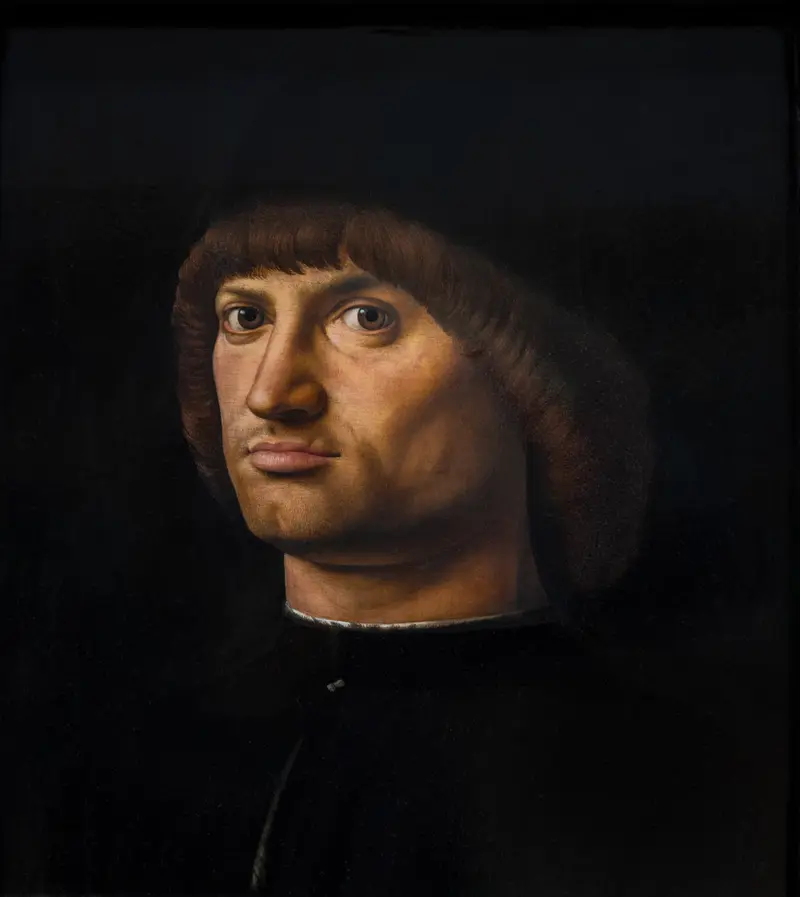
Portrait of a Man, called condottiere
Antonello da Messina
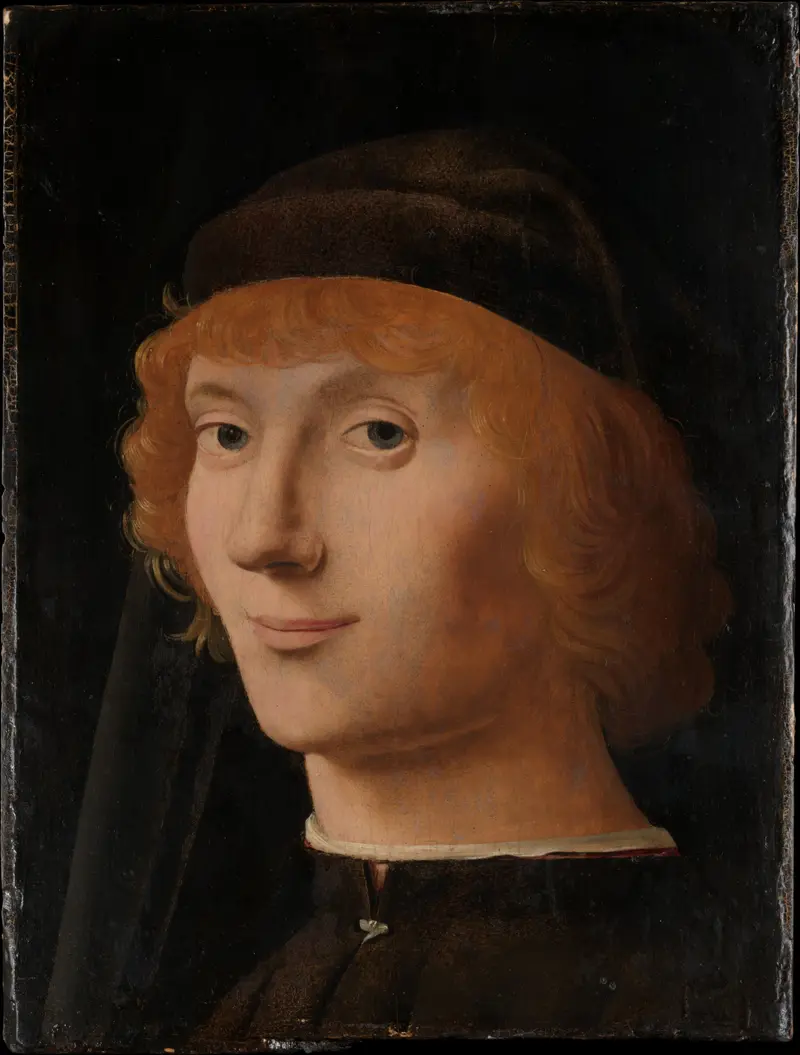
Portrait of a Young Man
Antonello da Messina
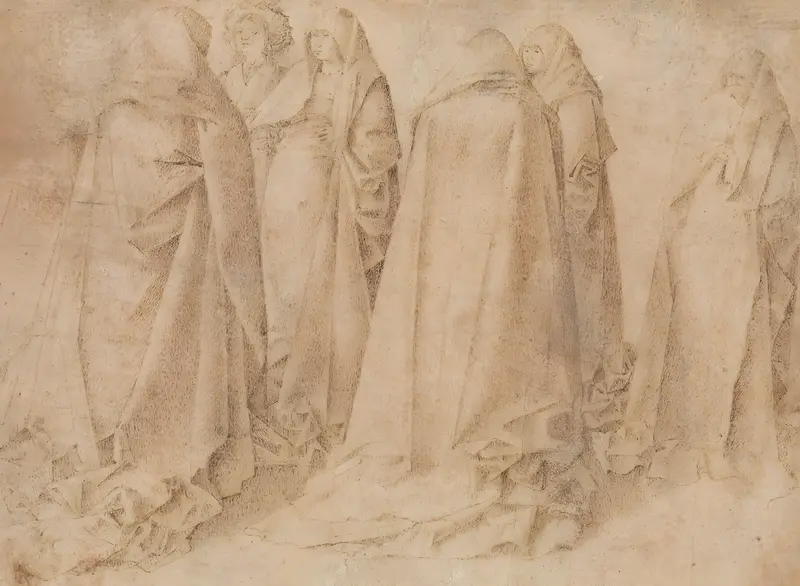
Group of Draped Figures
Antonello da Messina
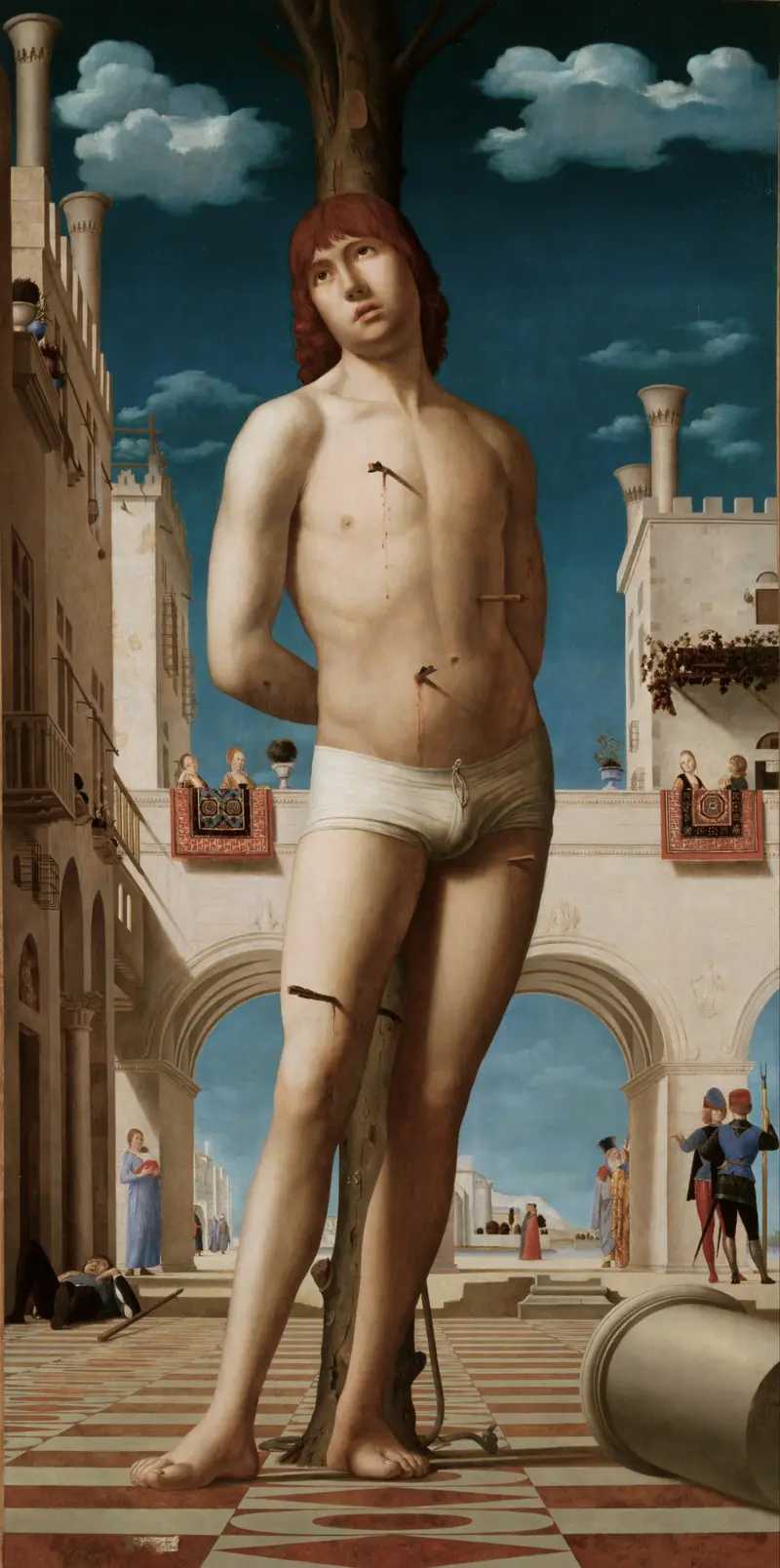
Saint Sebastian
Antonello da Messina
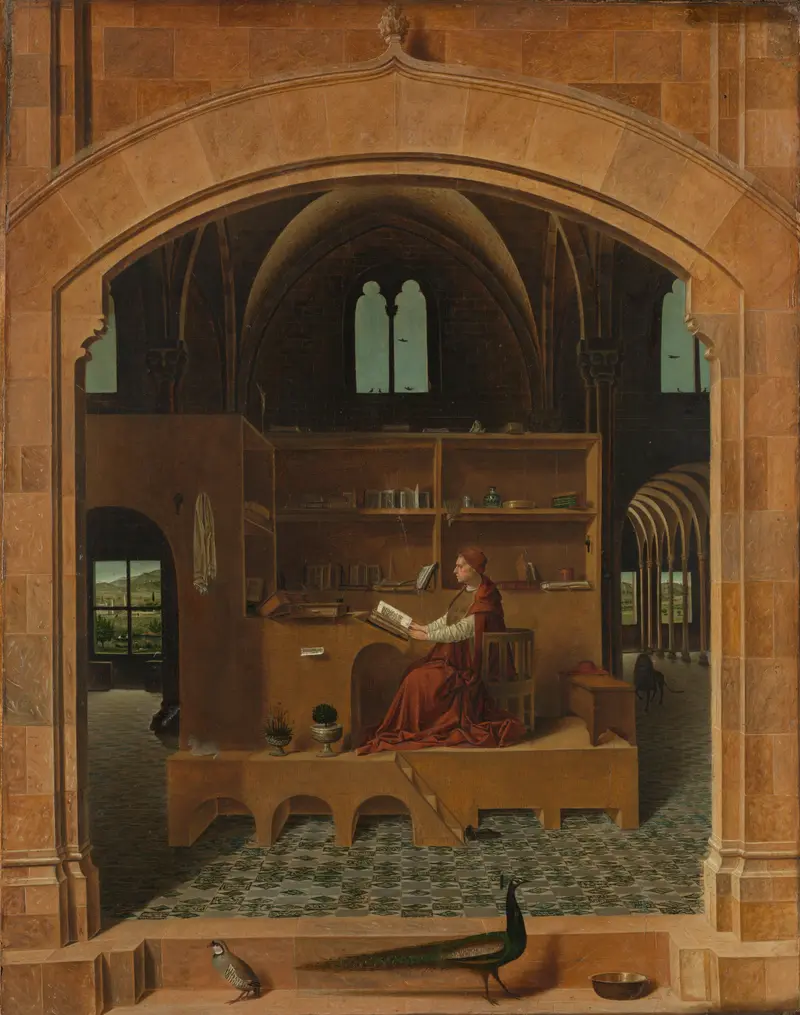
St. Jerome in His Study
Antonello da Messina
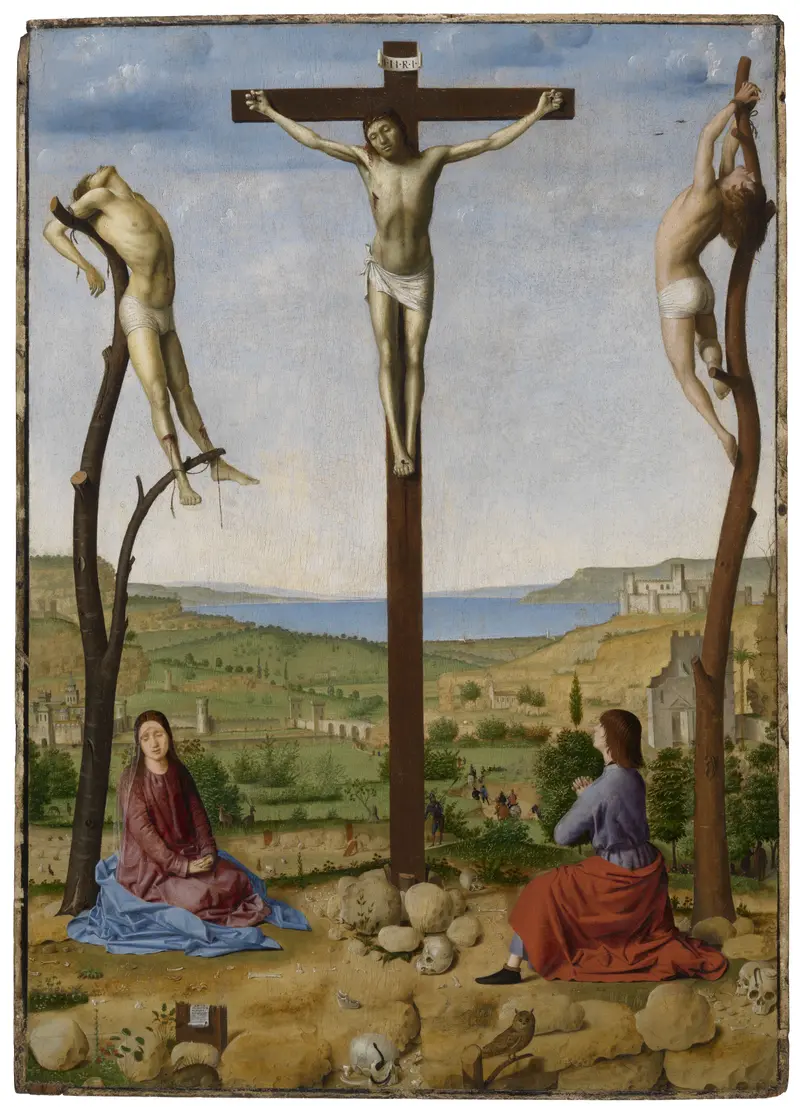
Calvary
Antonello da Messina
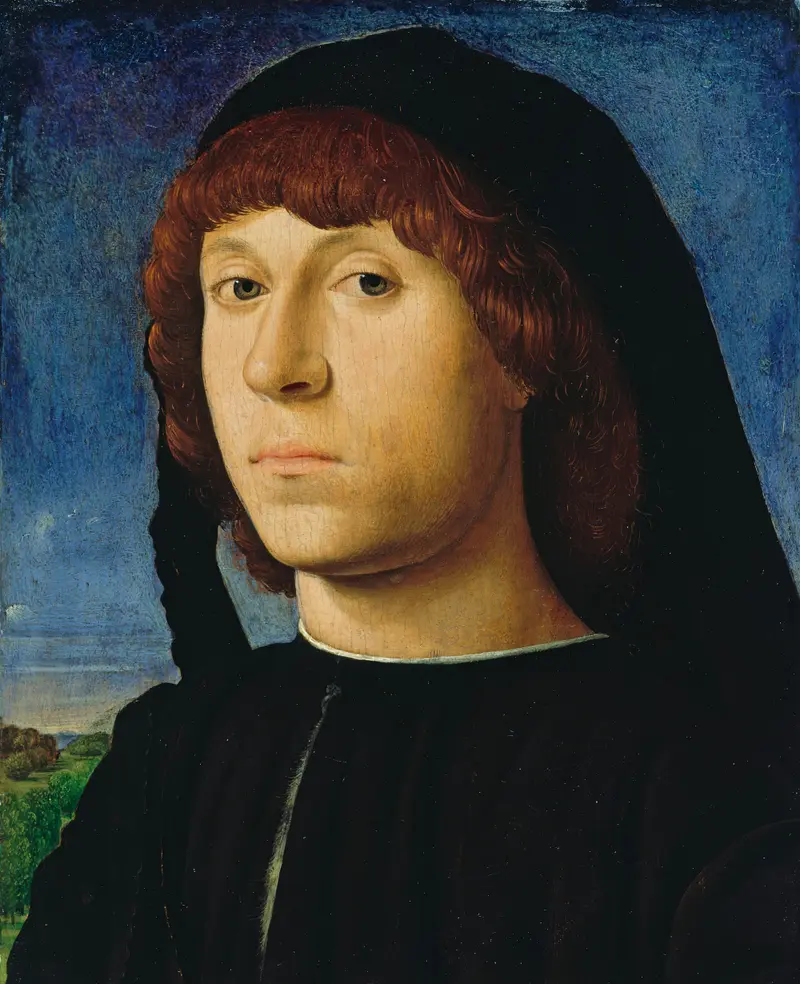
Portrait of a Man
Antonello da Messina
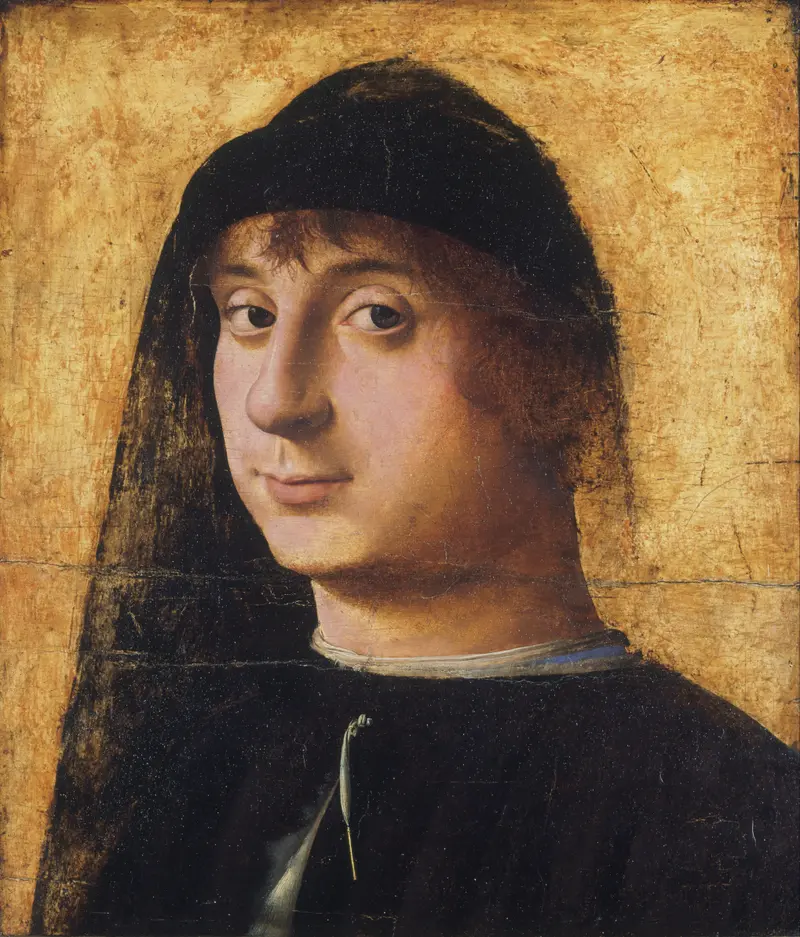
Portrait of a Young Gentleman
Antonello da Messina





