
Virgo Tiguriensis / Ein Züricher Iungfraw — History & Facts
Here, in the intricate design of a young woman, the delicate balance of rebirth and sorrow is palpable, capturing a moment that feels both ephemeral and eternal. Look closely at the young woman’s face, and you’ll find a serene yet resolute expression, the embodiment of grace caught between innocence and wisdom. Notice how the light dances across her golden hair, infusing it with a luminous warmth that contrasts starkly with the muted colors of her attire. Her soft gaze, directed slightly off-center, invites us to ponder her thoughts, while the meticulous detail in her floral crown suggests a connection to nature—an emblem of life's cyclical beauty. Here lies a rich tapestry of symbolism: the flowers adorning her head are not mere decoration but may signify renewal and growth, suggesting that beauty often emerges from pain.
The juxtaposition of her youthful visage and the solemnity captured in her slightly downturned mouth hints at personal sacrifice, invoking a deeper understanding of life as a journey of resilience and transformation. Each fold of her garment whispers secrets of time, illustrating the complexity of existence. In 1649, while working in London, Wenceslaus Hollar created this piece amid a turbulent period marked by social and political upheaval. The artist, who had fled his native Bohemia, sought refuge in England and became noted for his engravings and drawings.
This artwork reflects a blend of personal experience and broader cultural influences, resonating with a fascination for beauty that transcends mere appearance, embracing the duality of life.
More Artworks by Wenceslaus Hollar
Browse all →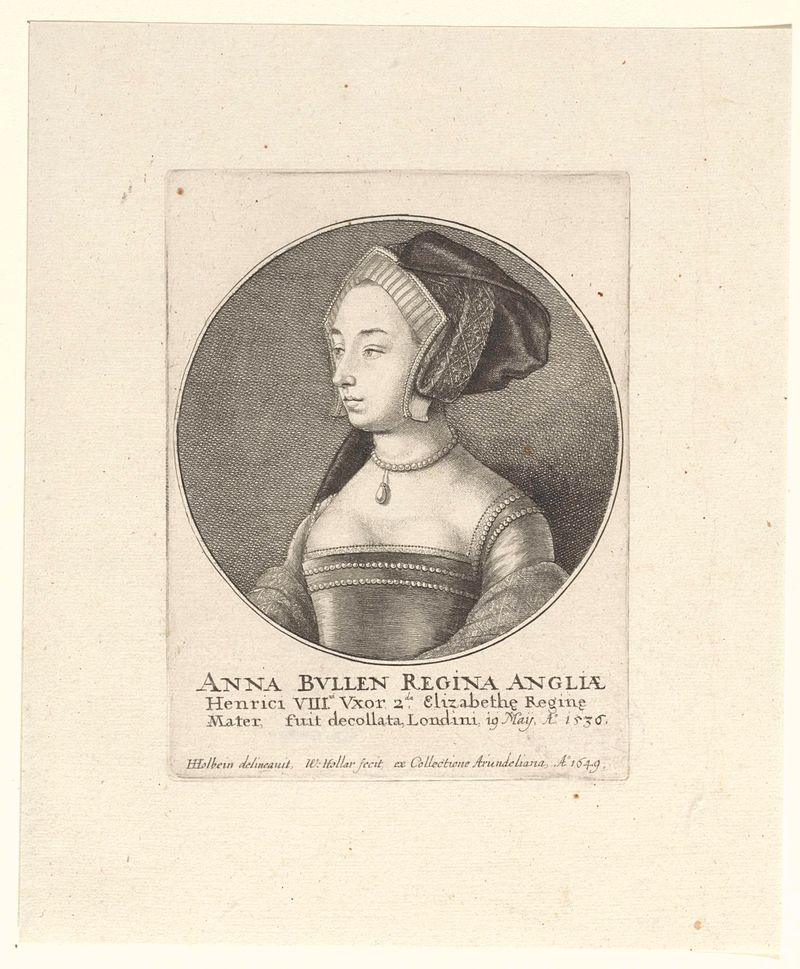
Portret van Anna Boleyn, koningin van Engeland
Wenceslaus Hollar
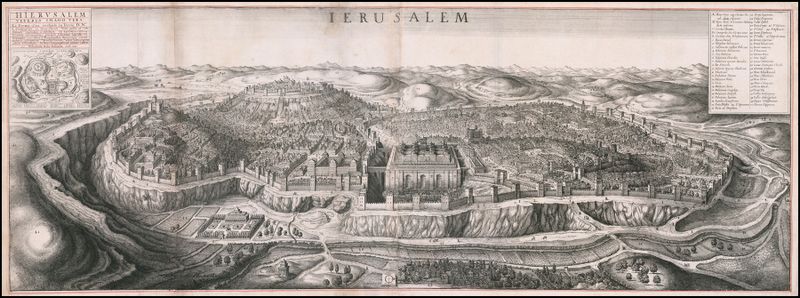
Bird’s eye view of Jerusalem
Wenceslaus Hollar
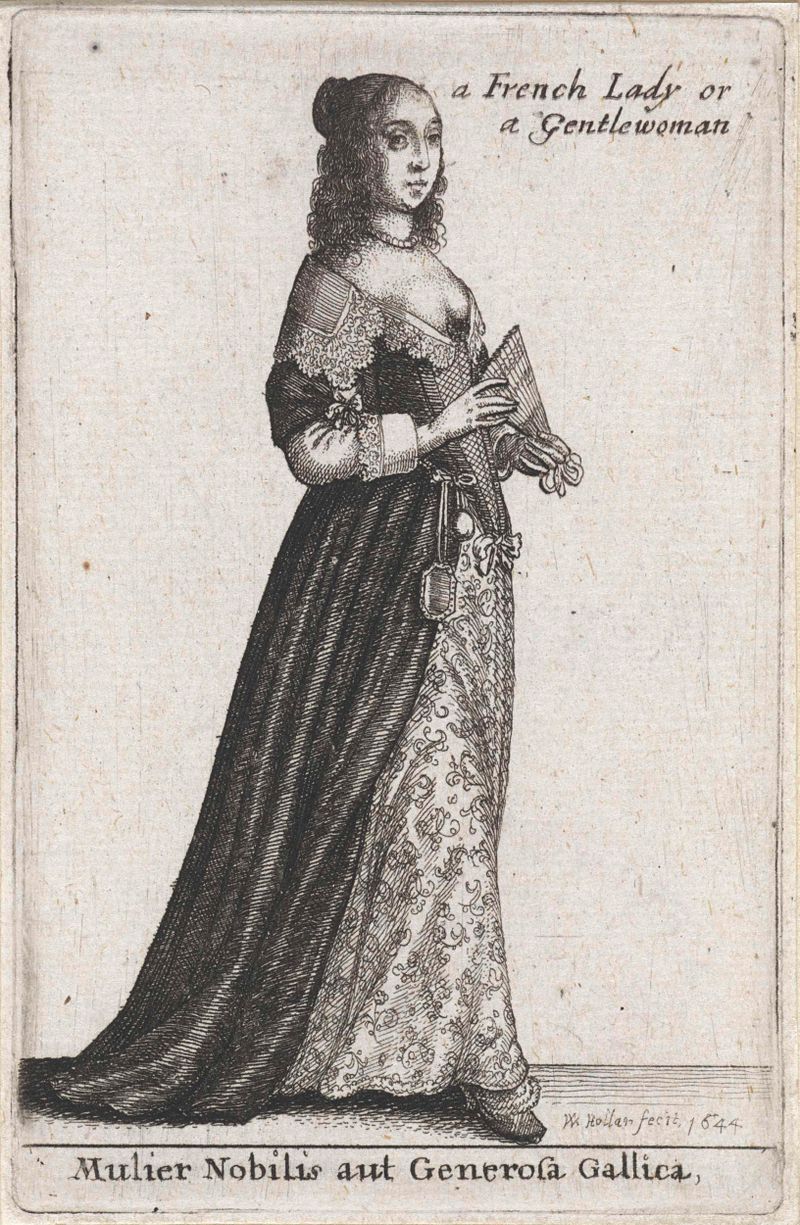
Mulier Nobilis aut Generosa Gallica / a French Lady or Gentlewoman
Wenceslaus Hollar
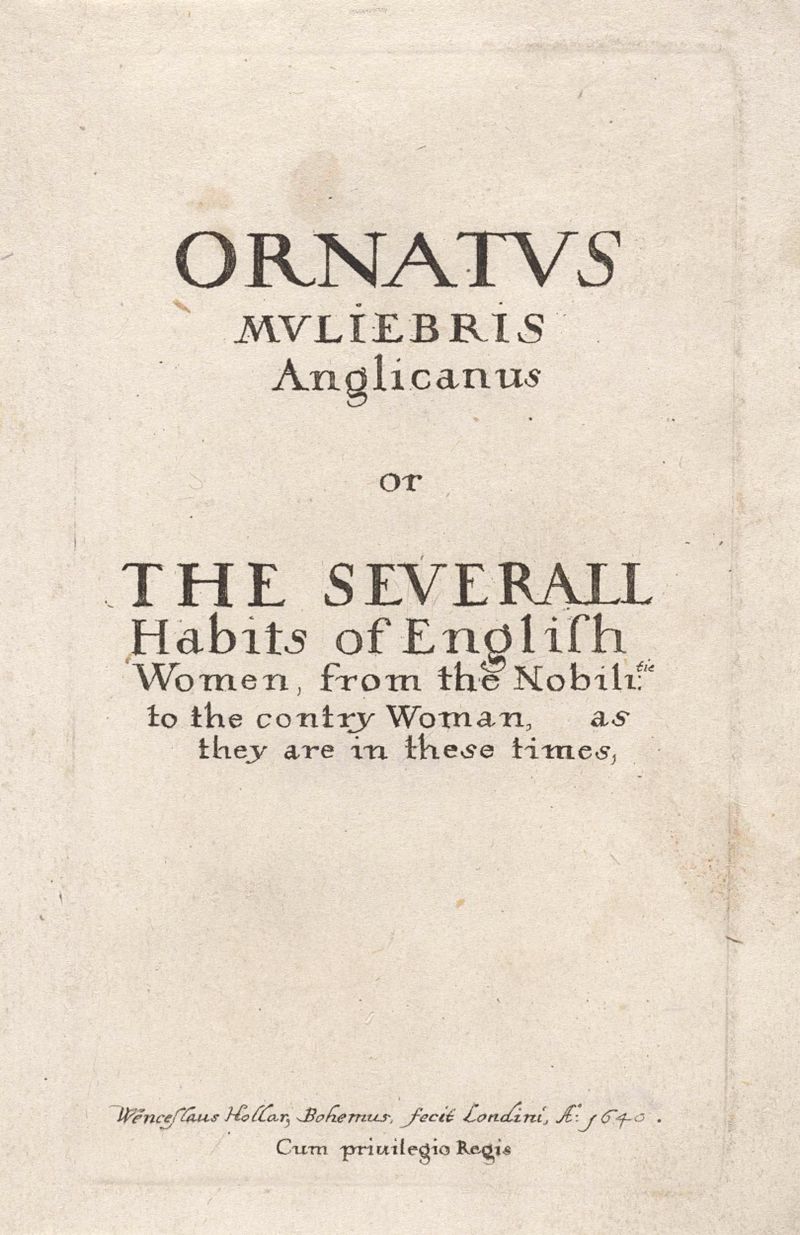
Titelprent voor: Ornatus Muliebris Anglicanus
Wenceslaus Hollar
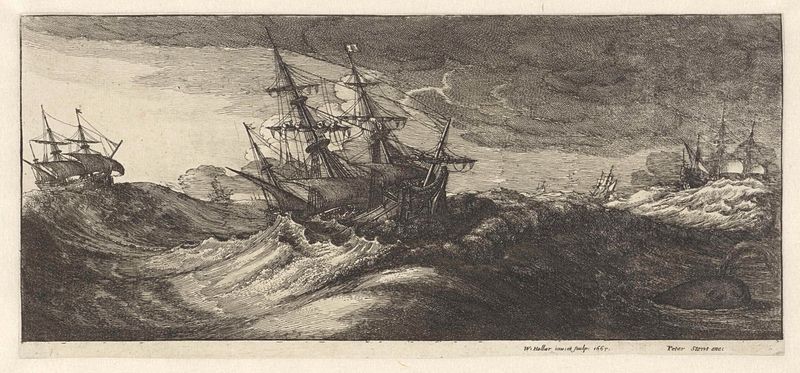
Oorlogsschepen en een walvis in een zeestorm
Wenceslaus Hollar
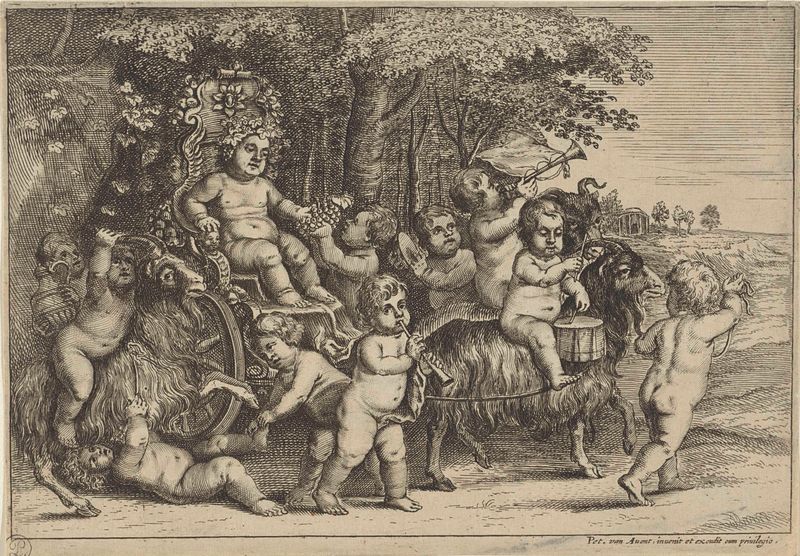
Optocht van bacchant en jongetjes op geiten
Wenceslaus Hollar
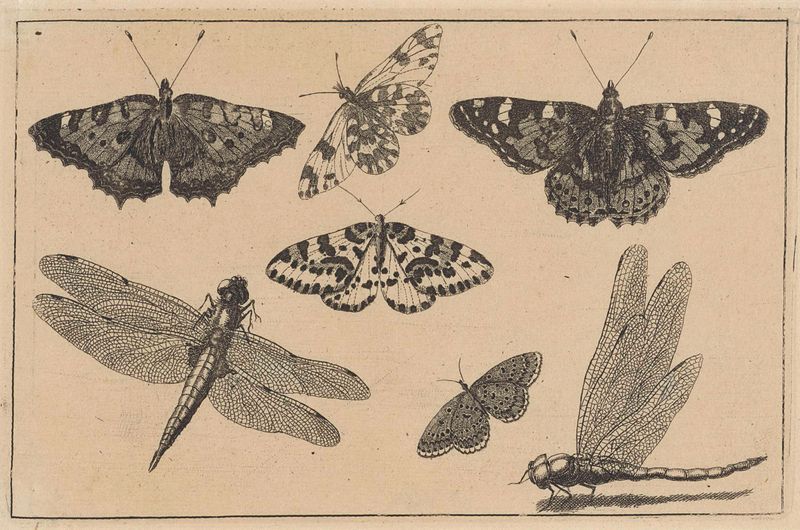
Twee libellen en vijf vlinders
Wenceslaus Hollar
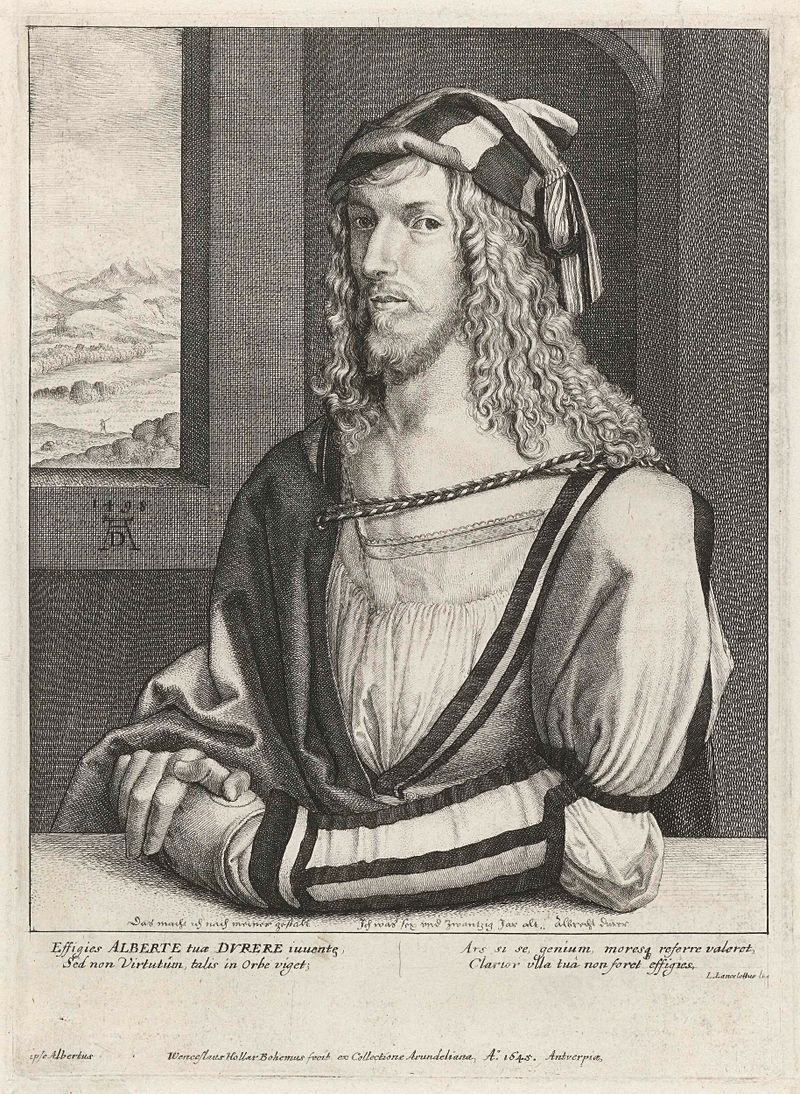
Portret van Albrecht Dürer
Wenceslaus Hollar
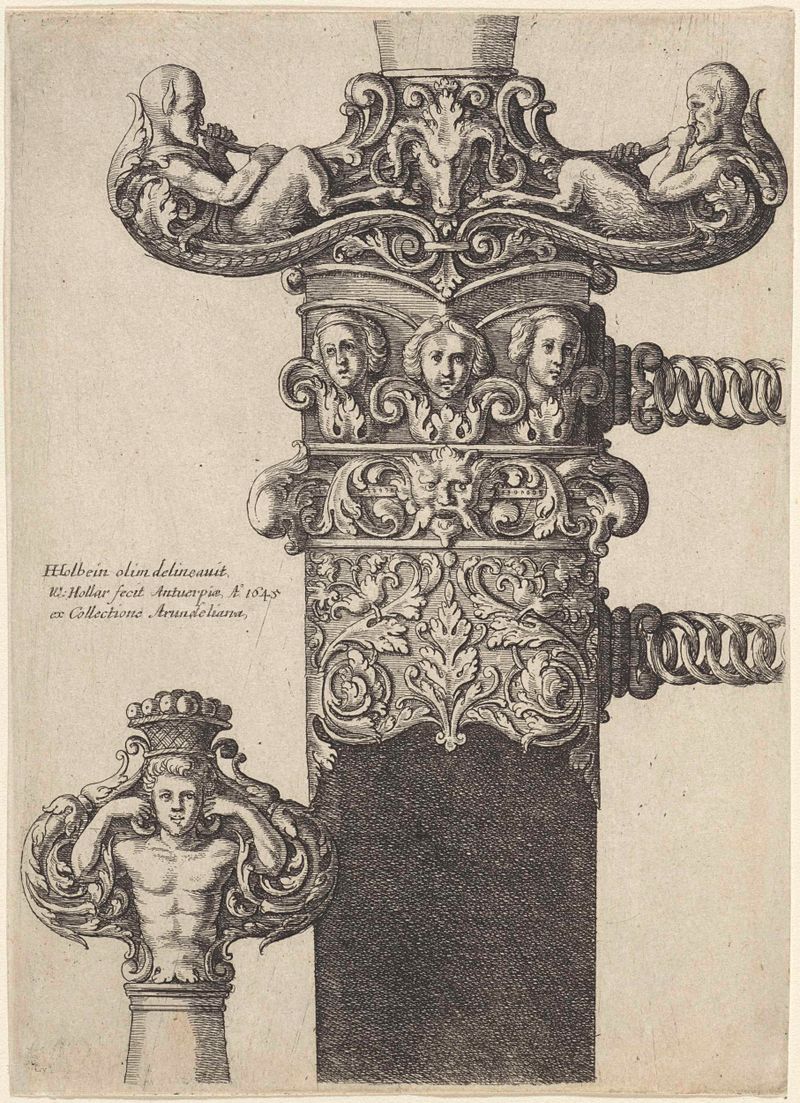
Ornamenteel ontwerp voor een dolk
Wenceslaus Hollar
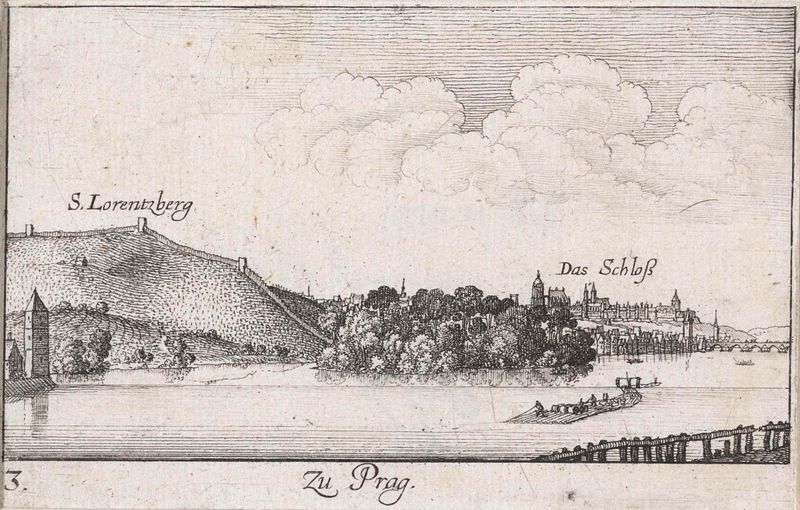
Gezicht op Praag vanaf de Moldau
Wenceslaus Hollar
More Portrait Art
Browse all →
Las meninas
Diego Velázquez

Self-portrait with a Bandaged Ear and Pipe
Unidentified artist

Girl with a Pearl Earring
Johannes Vermeer

The Sampling Officials of the Amsterdam Drapers’ Guild, Known as ‘The Syndics’
Rembrandt van Rijn

The Hundred Guilder Print: the man seen on the back in the lower left corner
Rembrandt van Rijn

Portrait of Dr Gachet
Vincent van Gogh