
Visegrád — History & Facts
In the stillness of Visegrád, whispers of obsession weave through the air, inviting a closer look at the layers beneath the surface. Focus on the gentle curves of the landscape that cradle the towering castle, drawing the eye to the imposing cliffs that both shield and isolate. Notice how the soft light bathes the scene in a golden hue, illuminating the delicate interplay of shadows and highlights across the trees and the water below. Each brushstroke reflects a meticulous craftsmanship, harmonizing earthy tones with touches of vibrant green, breathing life into what may seem a static view. However, the true power lies in the juxtaposition of strength and vulnerability.
The castle stands resolute, a monument to ambition, while the shimmering river flows gently, representing the passage of time and the inevitability of change. The stillness of the landscape speaks volumes, echoing the quiet tension of human longing and the pursuit of dreams, revealing an underlying obsession with both nature and history. Károly Markó created this work during the 19th century, a period marked by a renewed interest in romanticized landscapes. Living in Hungary, he was part of a movement that sought to capture the essence of national identity through art.
At a time when the art world was influenced by the rising Romanticism, Markó's depictions of his homeland reflected a desire to connect with the past, embracing both its beauty and complexity.
More Artworks by Károly Markó
Browse all →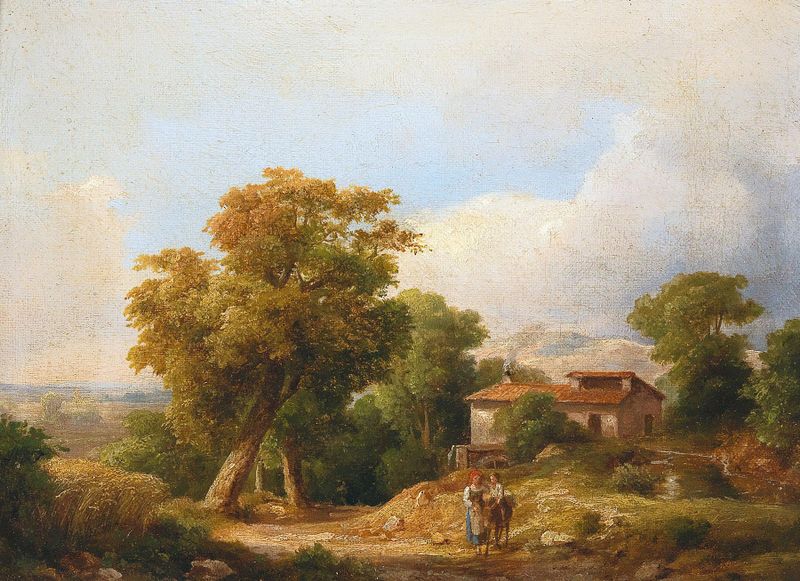
Italian Landscape with Farmhouse
Károly Markó

Landschaft mit Heuernte
Károly Markó
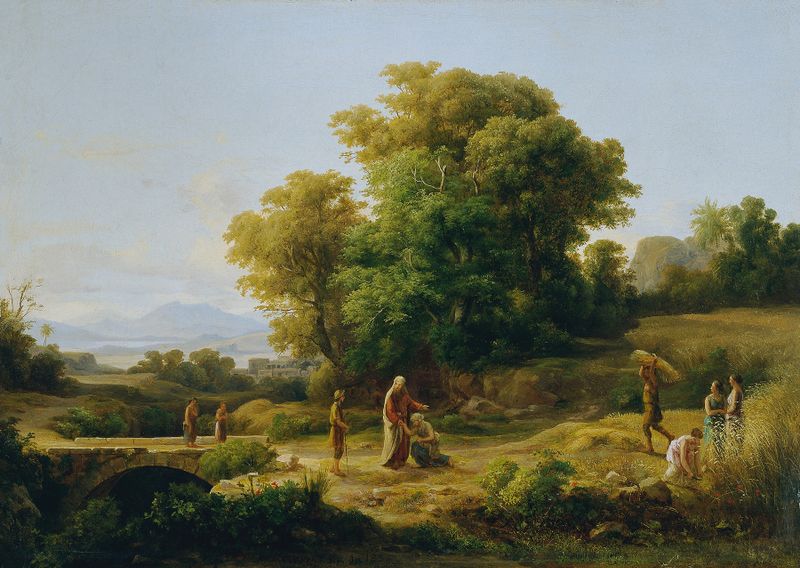
Ideale Landschaft mit Boas und Ruth
Károly Markó

Landscape at Tivoli, with a Scene from the Grape Harvest
Károly Markó
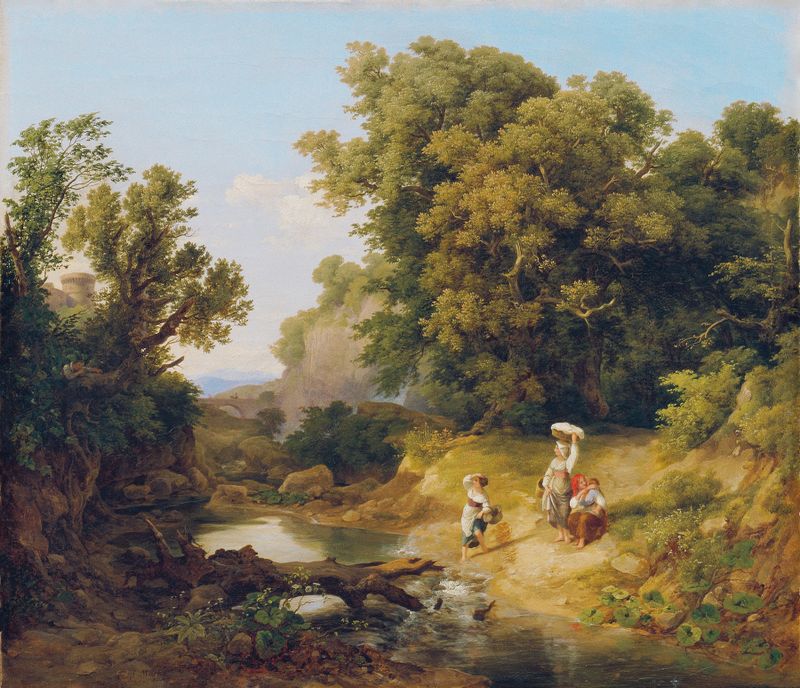
Ideale Landschaft (Italienische Landschaft)
Károly Markó
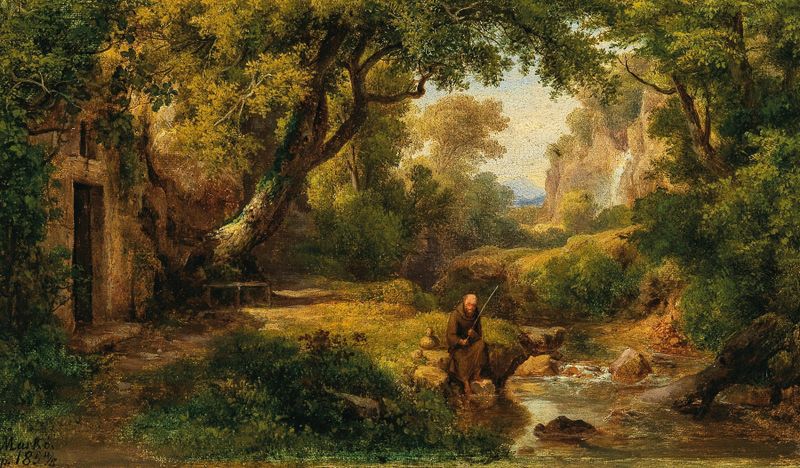
Flusslandschaft mit angelndem Mönch
Károly Markó

Italian Landscapes at Sunset, Fishermen
Károly Markó
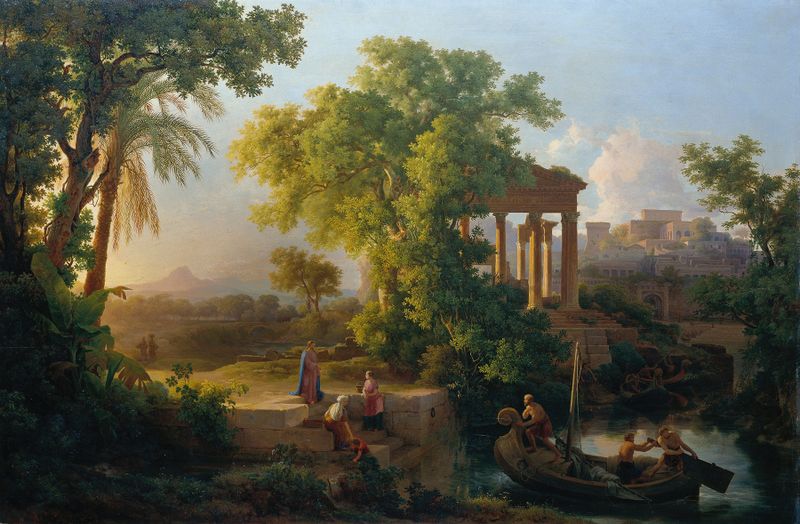
Landschaft mit der Berufung des Hl. Petrus
Károly Markó
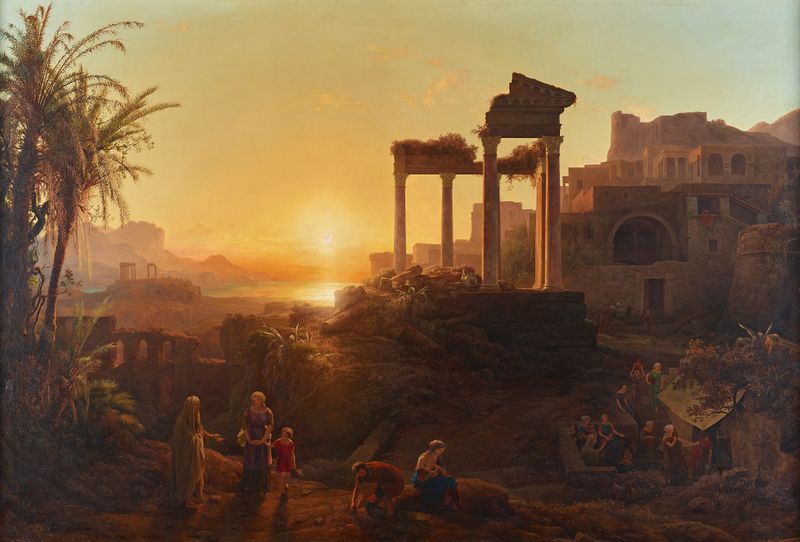
Landschaft mit Sonnenuntergang
Károly Markó

Ideallandschaft mit Christus und den Jüngern
Károly Markó





