
Visitatie — History & Facts
In a sun-dappled room, two women stand amid a tapestry of emotion. One, cloaked in a rich, vibrant gown, greets the other, whose modest attire belies her celestial presence. The air is thick with unspoken anticipation, and the gentle play of light highlights the intimate connection between them, suggesting a moment of profound hope and revelation. Look to the left at the radiant figure, who embodies grace and serenity.
Notice how Dürer employs luminous colors—the gold of her robe contrasting with the soft blues surrounding her. The delicate interplay of light and shadow across their faces creates a palpable tension, guiding your gaze to their entwined hands, where the promise of faith and connection is expressed. The composition draws you inward, making you a witness to this sacred moment. Yet, the contrast between the richly adorned visitor and her humble counterpart speaks volumes.
The elegance of one against the simplicity of the other evokes a dialogue about status, expectation, and the universality of spiritual experience. The subtle details, such as the intricate folds of their garments and the serene expressions, encapsulate a moment of profound significance, suggesting that hope can blossom in the most unexpected of encounters. Created between 1503 and 1504, this work reflects Dürer's exploration of religious themes during the Northern Renaissance. Living in Nuremberg at a time when humanism was gaining traction, the artist was influenced by both the spiritual and the intellectual currents of his day.
Amidst the evolving landscape of European art, he sought to bridge the sacred and the everyday, delivering messages of hope that resonate through the ages.
More Artworks by Albrecht Dürer

Melancholia
Albrecht Dürer

St. George and the dragon.
Albrecht Dürer
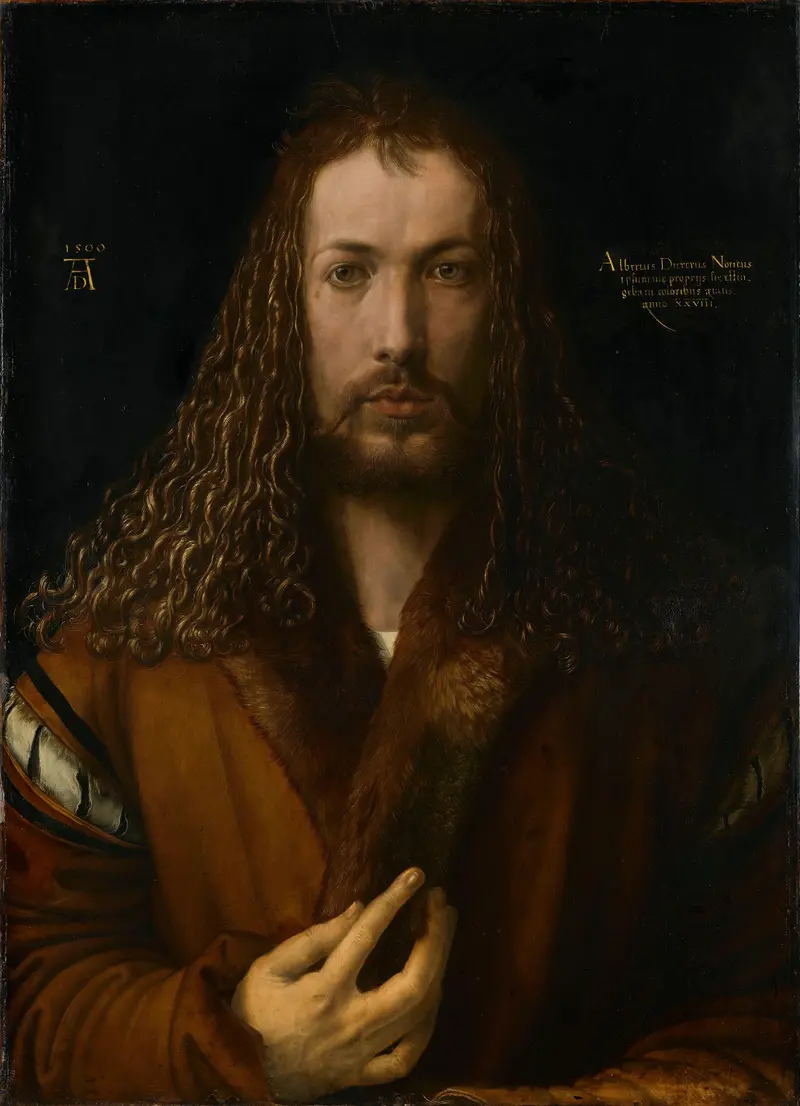
Self-Portrait with Fur-Trimmed Robe
Albrecht Dürer

Wing of a European Roller
Albrecht Dürer

Iris
Albrecht Dürer

The Great Piece of Turf
Albrecht Dürer
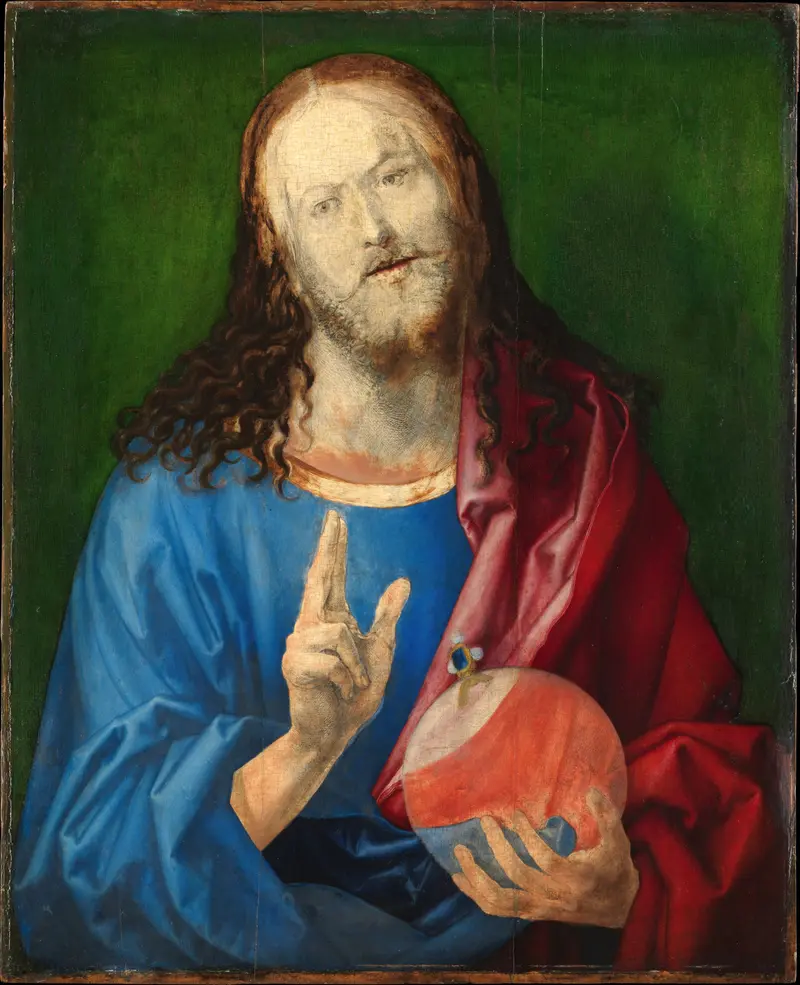
Salvator Mundi
Albrecht Dürer
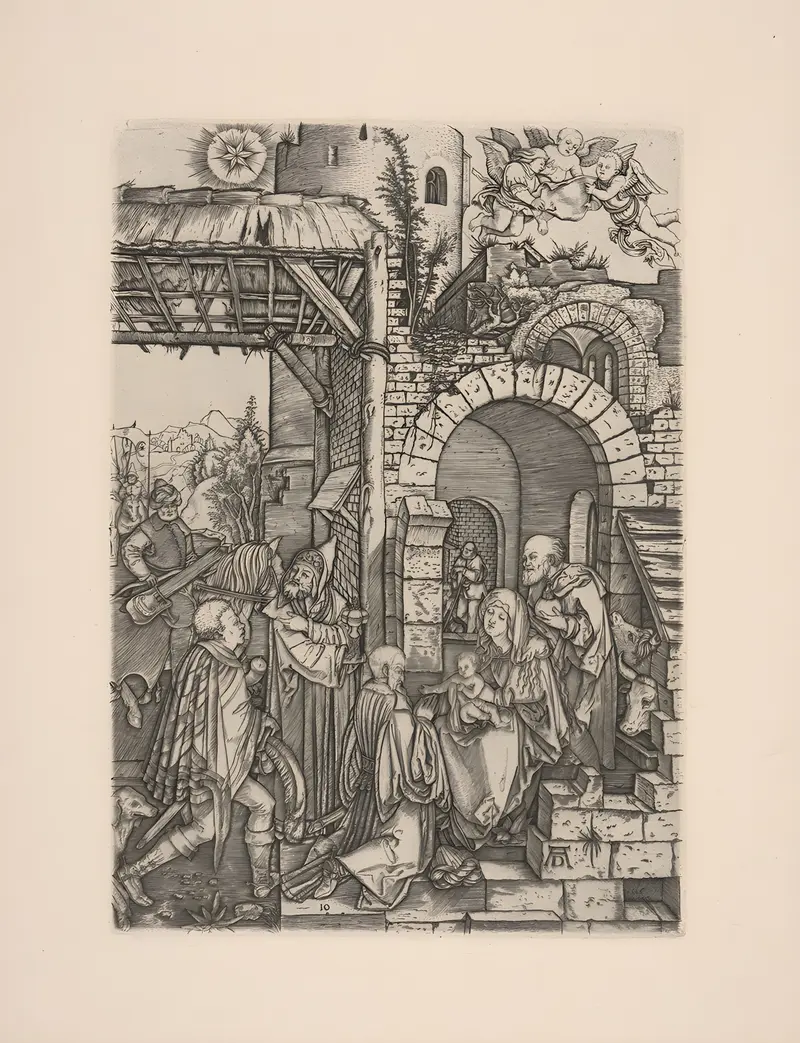
The Adoration of the Magi
Albrecht Dürer
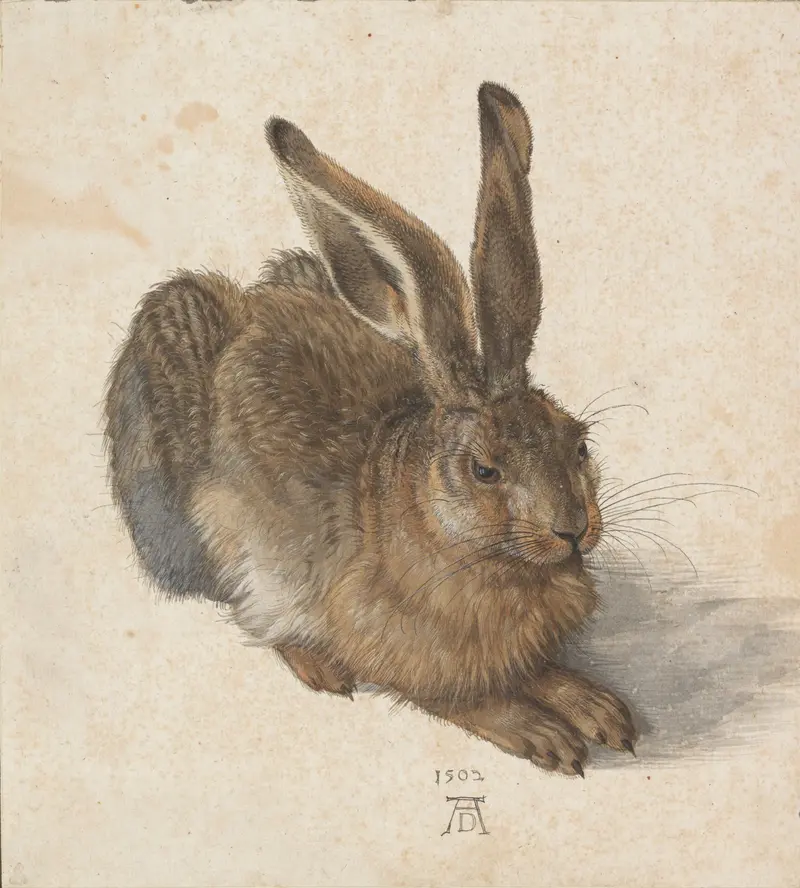
Young Hare
Albrecht Dürer
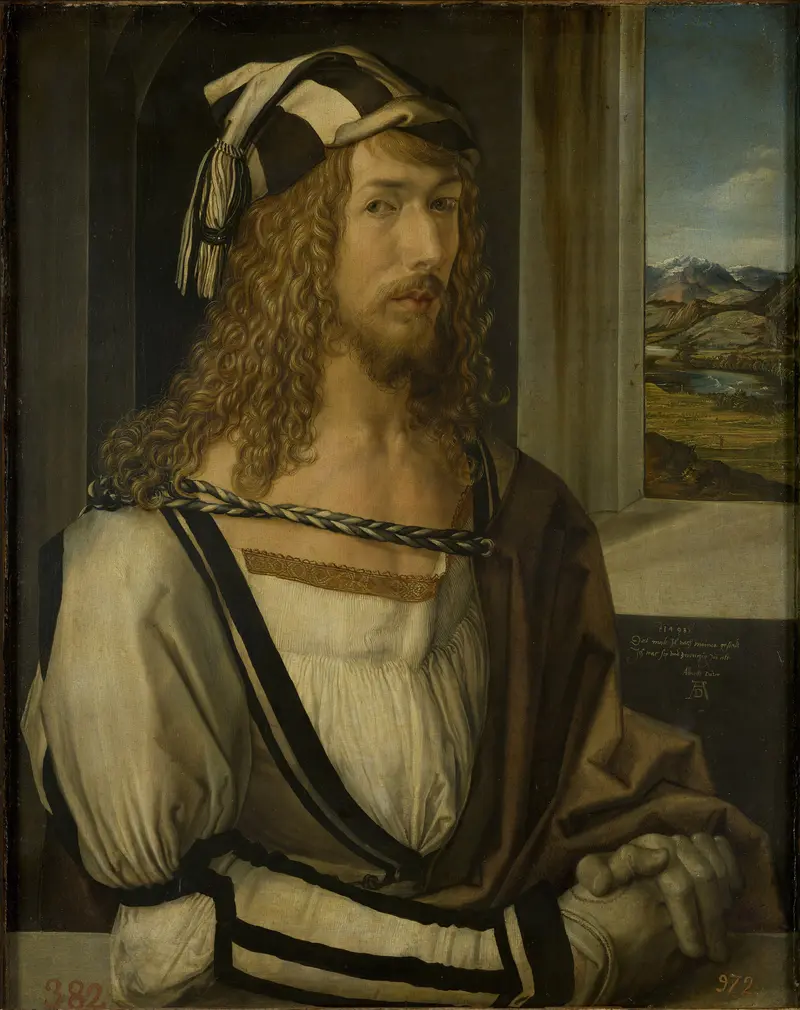
Self-portrait
Albrecht Dürer





