
Vissers bij de Tiber — History & Facts
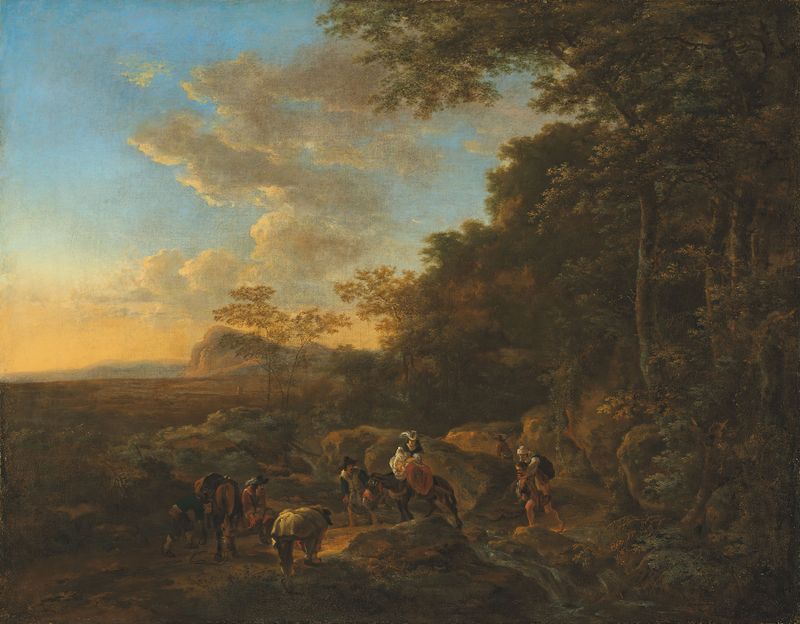
In the depth of its shadows, a world unfolds, quietly urging you to step closer and discover what lies beneath its surface. Look to the lower left corner, where the fishermen's boats are gently tethered, their reflections dancing on the water's edge. Notice how the soft, muted greens and browns contrast with the brilliant cerulean sky above, creating a sense of harmony. The play of light and shadow across the scene draws your eye and invites you into the lives of these workers, each stroke revealing not just their toil but also their connection to nature and the ancient river. In the midst of tranquil labor, there’s an underlying tension in the figures’ postures, as if they share secrets whispered by the current.
The shadow cast by a nearby tree envelops them, hinting at the weight of their daily struggles while simultaneously offering solace from the sun’s glare. This duality suggests a world in balance yet teetering on the edge of change, mirroring the complexities of life itself. Created between 1644 and 1652, the painting emerged during a time when the artist was firmly rooted in the Dutch Golden Age. Working primarily in Italy, Jan Both captured the allure of the natural world, marked by a burgeoning interest in landscape painting.
His brushwork and attention to the interplay of light and shadow reflected the era's fascination with realism and the sublime, as he sought to immortalize the quiet beauty found in everyday moments.
More Artworks by Jan Both
Browse all →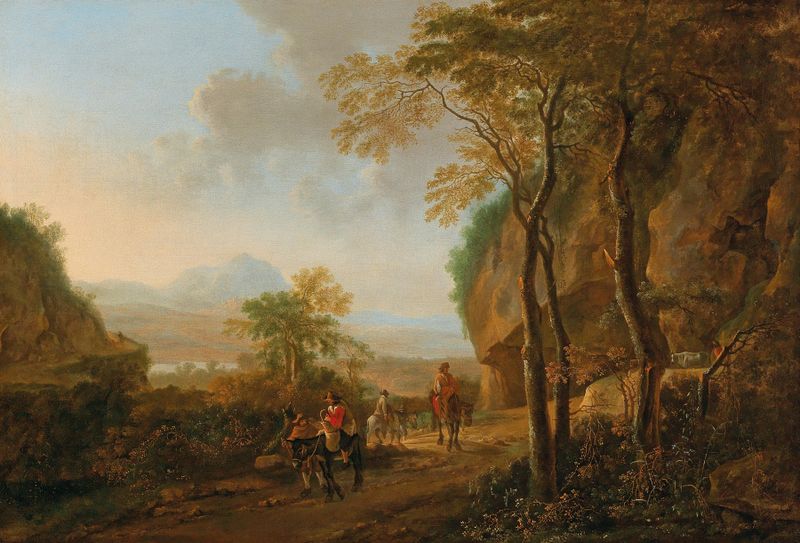
An Italianate landscape with travellers
Jan Both
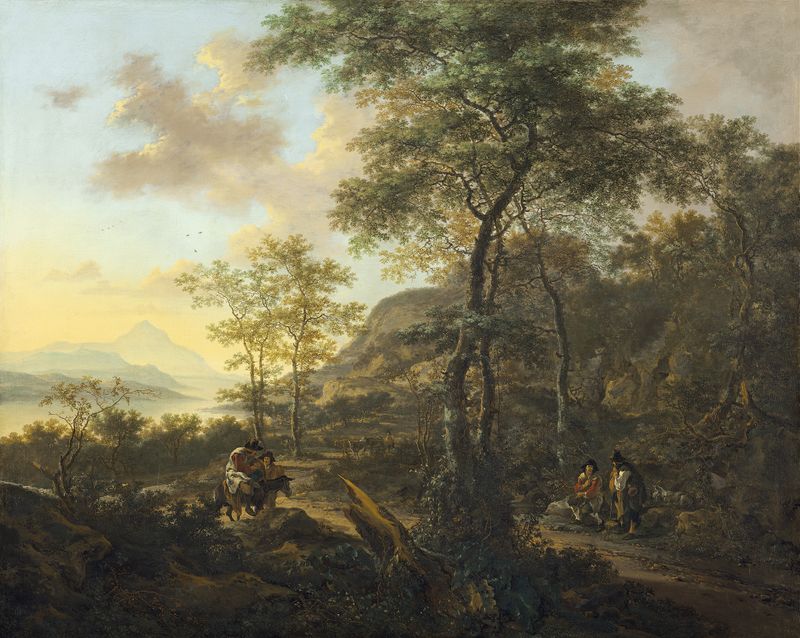
An Italianate Evening Landscape
Jan Both
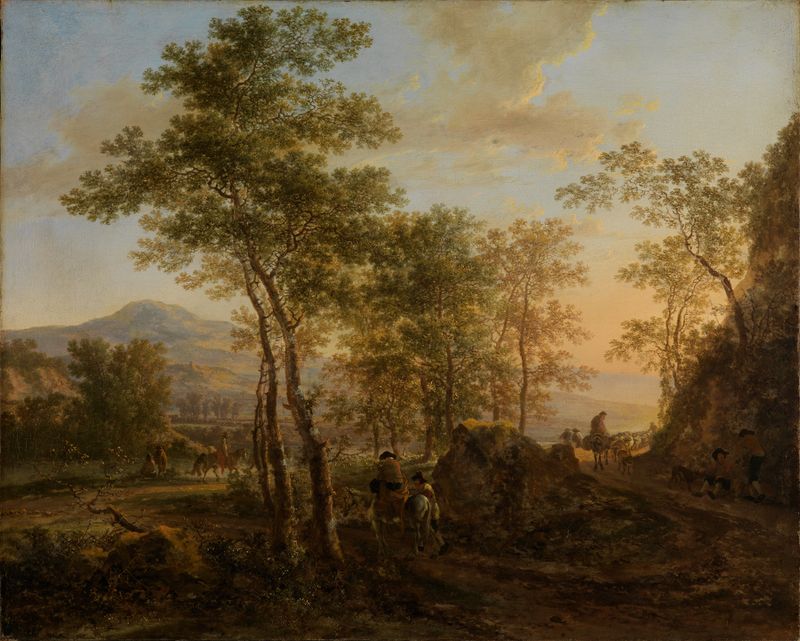
Italienische Landschaft am Abend
Jan Both
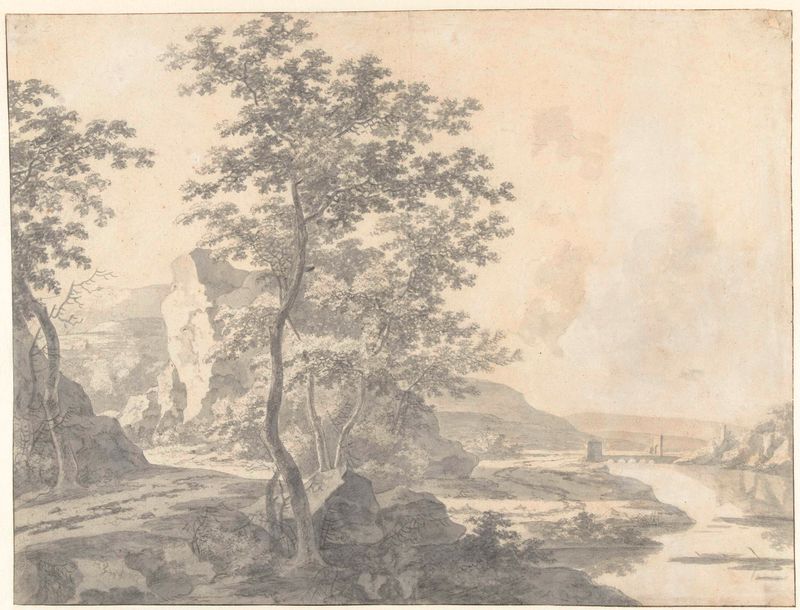
Italiaans landschap
Jan Both
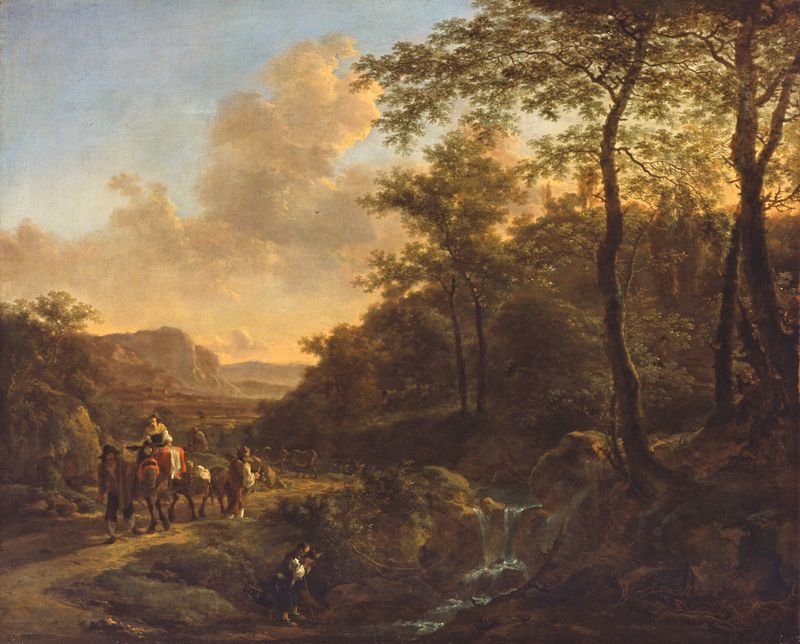
Scene of the Roman Campagna
Jan Both
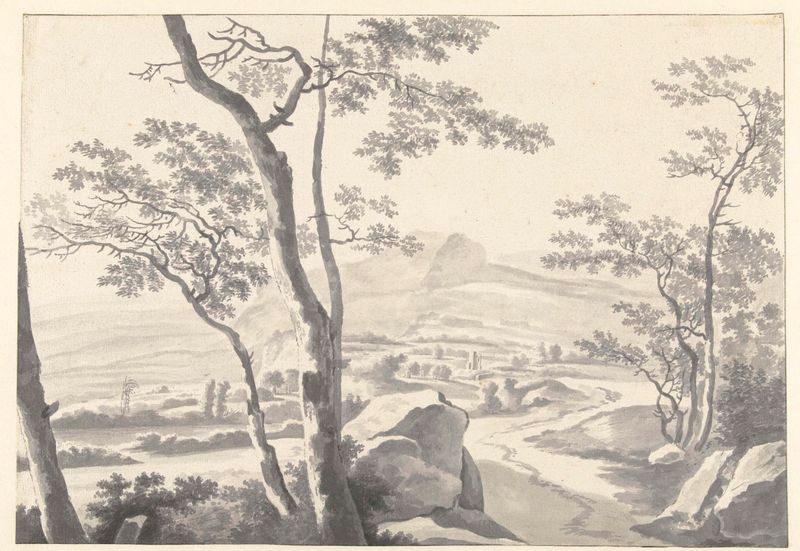
Landschap
Jan Both
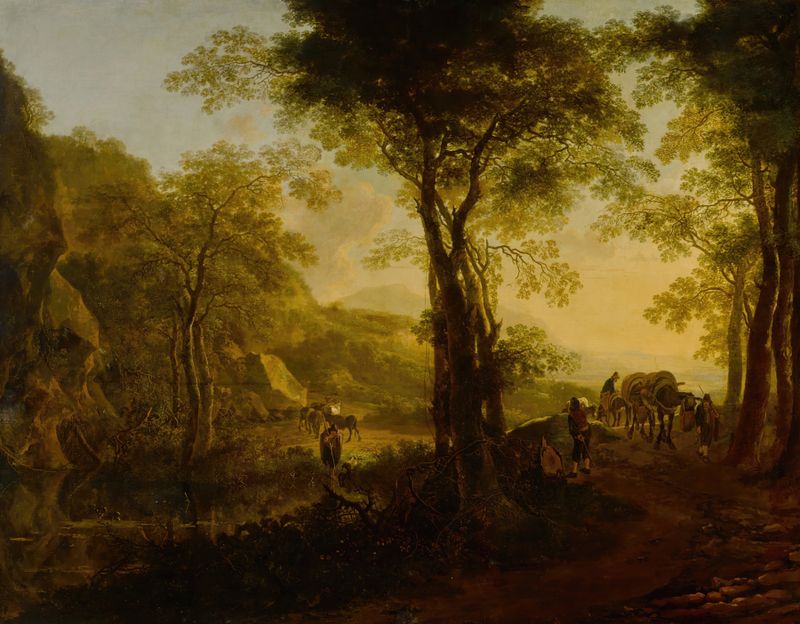
Italianate landscape at sunset, with travelers on a country road
Jan Both
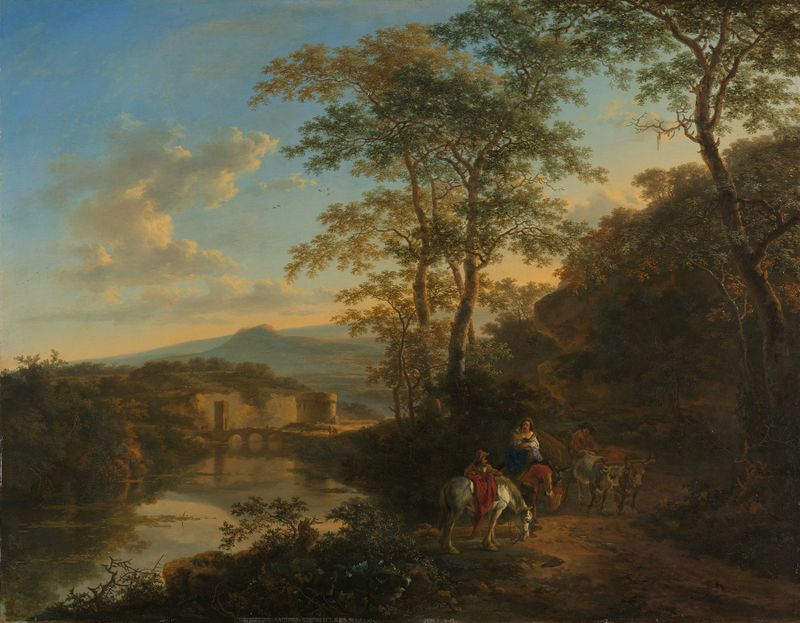
Italian Landscape with the Ponte Lucano over the Aniene River
Jan Both
A wooded landscape with travellers crossing a ford
Jan Both

Italian Landscape
Jan Both





