
Voetwassing — History & Facts
What if beauty was never meant to be finished? In Voetwassing, the unending cycle of fear and vulnerability is captured in an intimate moment of care and reverence. Look to the center of the canvas, where a group gathers in quiet concentration, their forms enveloped in soft, muted hues. The gentle play of light draws your eye to the delicate woman washing the feet of a figure who remains slightly obscured, his identity shrouded in the faint shadows. Notice how the brushstrokes blend seamlessly, creating a sense of fluidity that contrasts with the starkness of their surroundings, inviting a closer inspection of the emotions etched on each face. In the background, the tension is palpable—an unseen threat lurks beyond the visible space, hinting at a world outside this cocoon of tenderness.
The juxtaposition of the serene act of washing feet with the underlying anxiety of what lies beyond creates a profound emotional complexity. Each figure's gaze reflects an unspoken narrative, suggesting vulnerability and the weight of societal expectations, amplifying the fear of exposure and judgment. Created between 1521 and 1522, this work emerged during a tumultuous period for its creator, who was navigating the shifting tides of the Renaissance and the Reformation. Cranach, an established artist in Wittenberg, was deeply intertwined with the Lutheran movement, which sought both spiritual and artistic reform.
The painting resonates with this context, reflecting not only personal connections to faith and fear but also the broader uncertainties of an era in flux.
More Artworks by Lucas Cranach (I)
Browse all →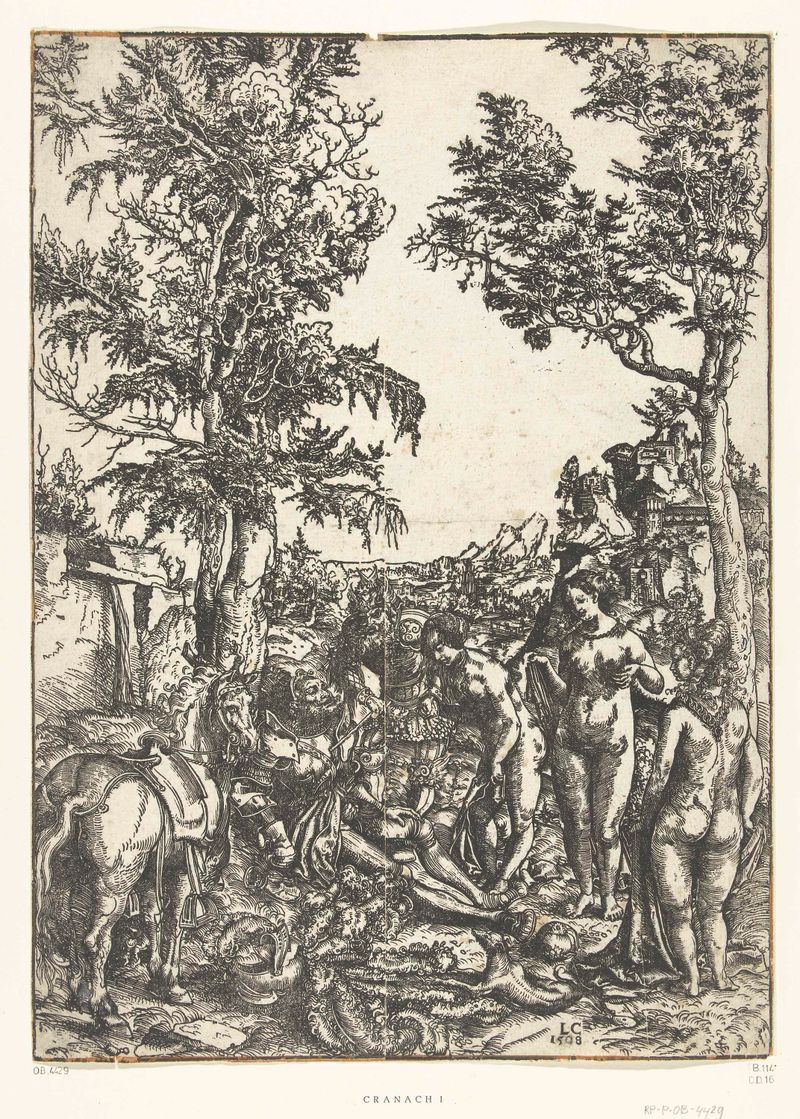
Oordeel van Paris
Lucas Cranach (I)
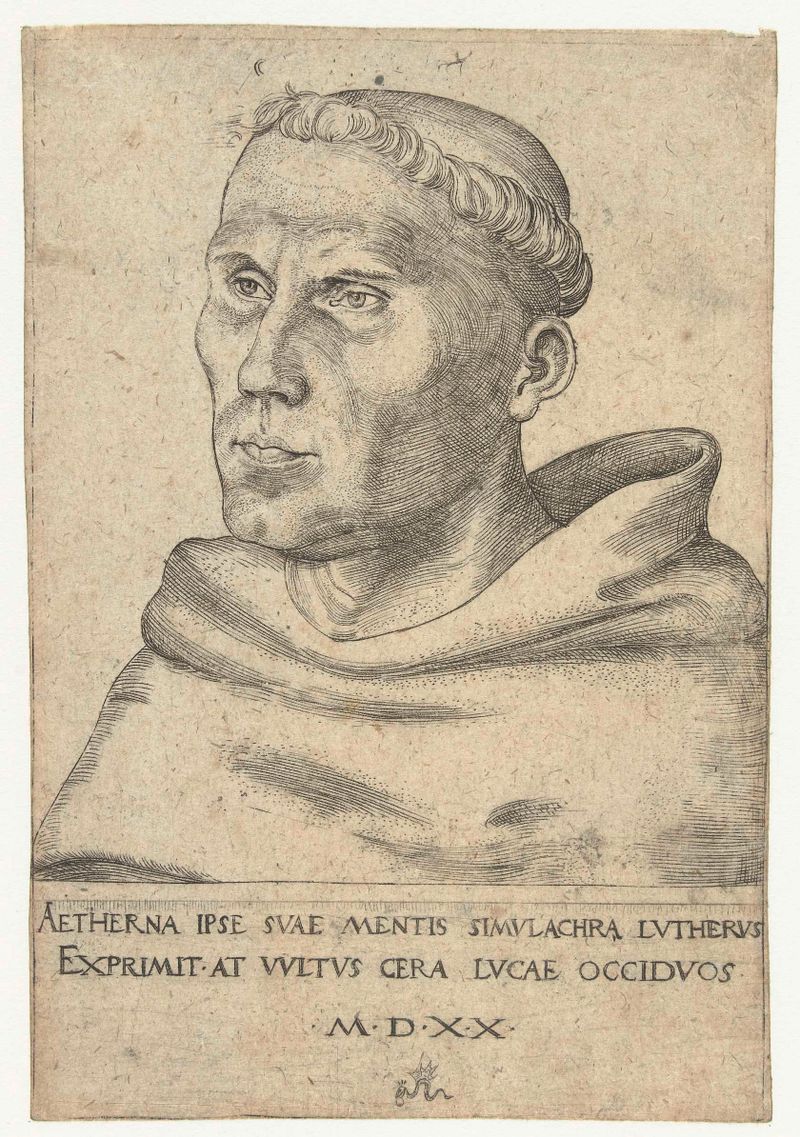
Portret van Martin Luther als Augustijner monnik
Lucas Cranach (I)
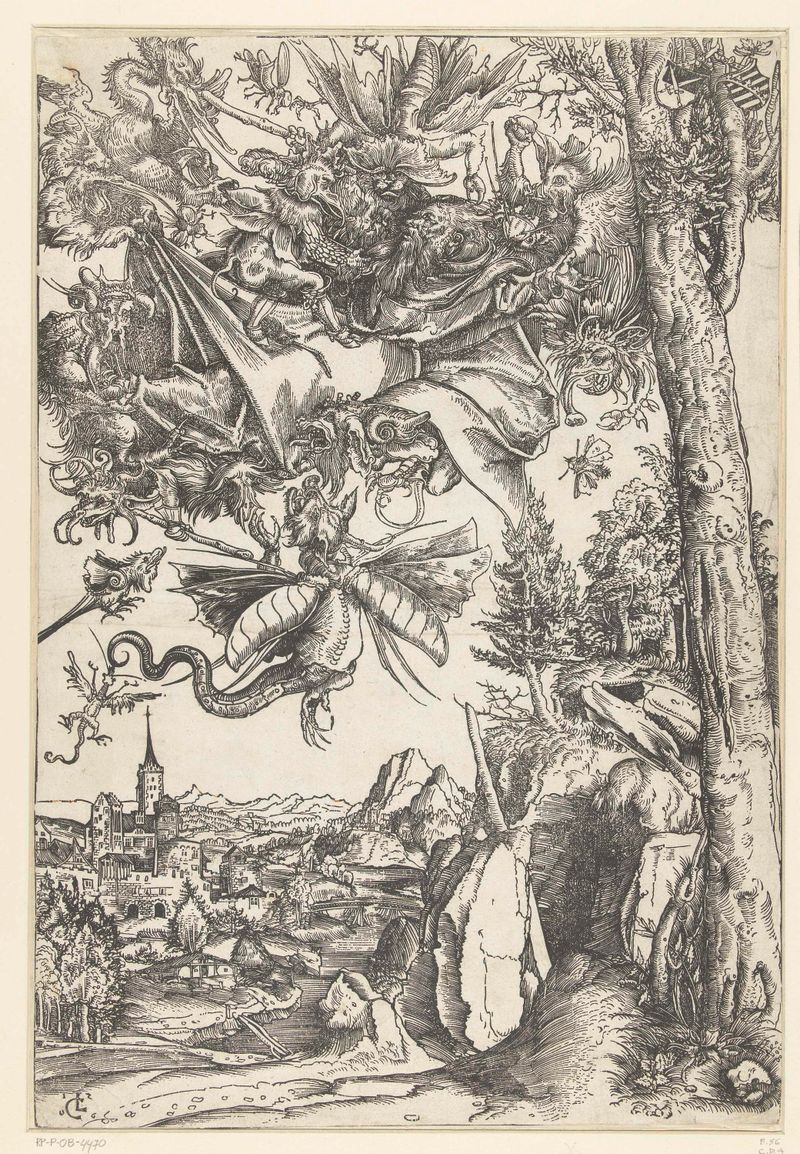
Verzoeking van Antonius met aanval door demonen
Lucas Cranach (I)

Christus en de Samaritaanse vrouw
Lucas Cranach (I)

Duits toernooi met twee edelmannen als ridders te paard
Lucas Cranach (I)
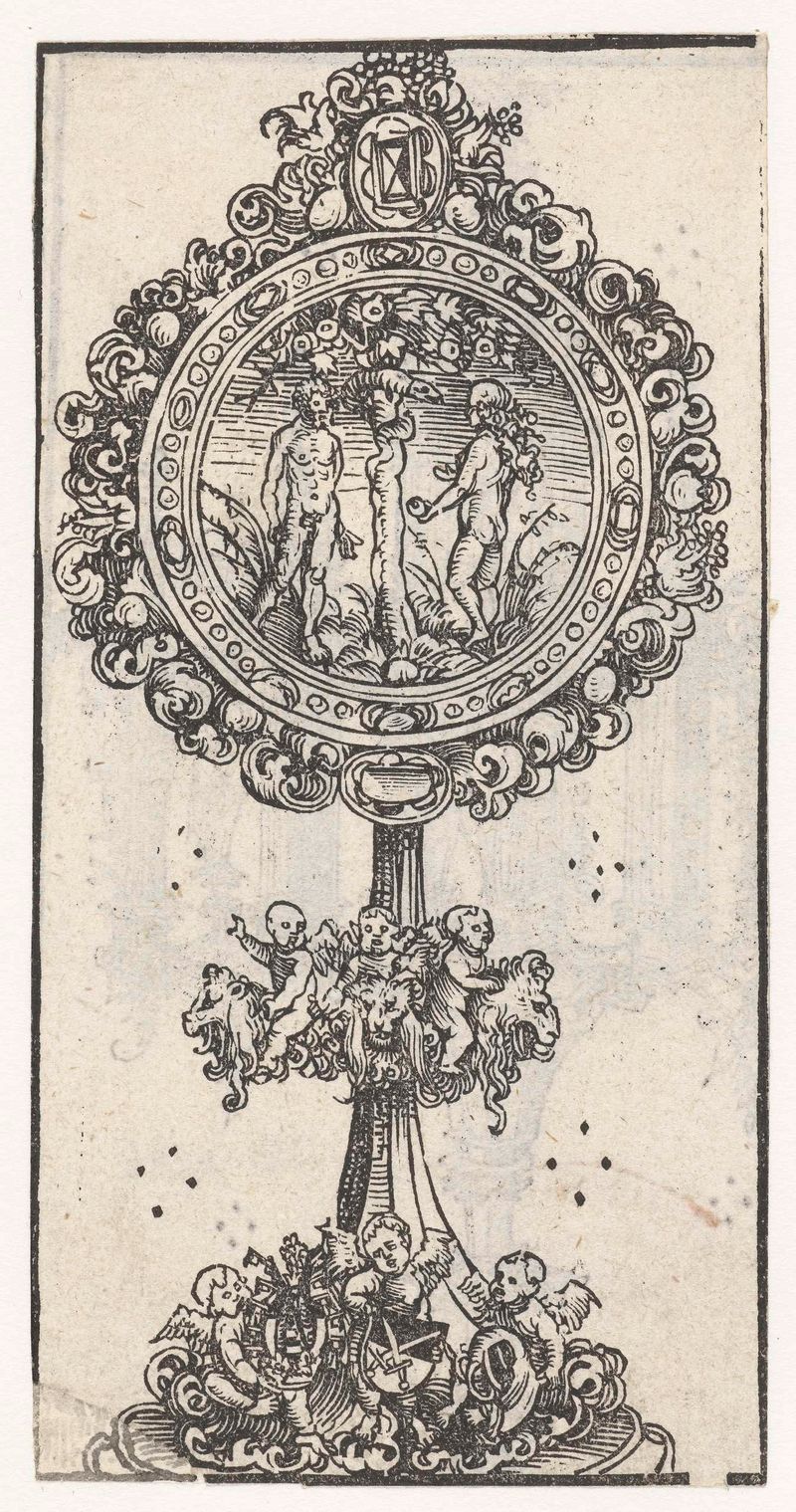
Reliekhouder met de verzoeking van Adam en Eva
Lucas Cranach (I)

Intocht van Christus in Jerusalem
Lucas Cranach (I)
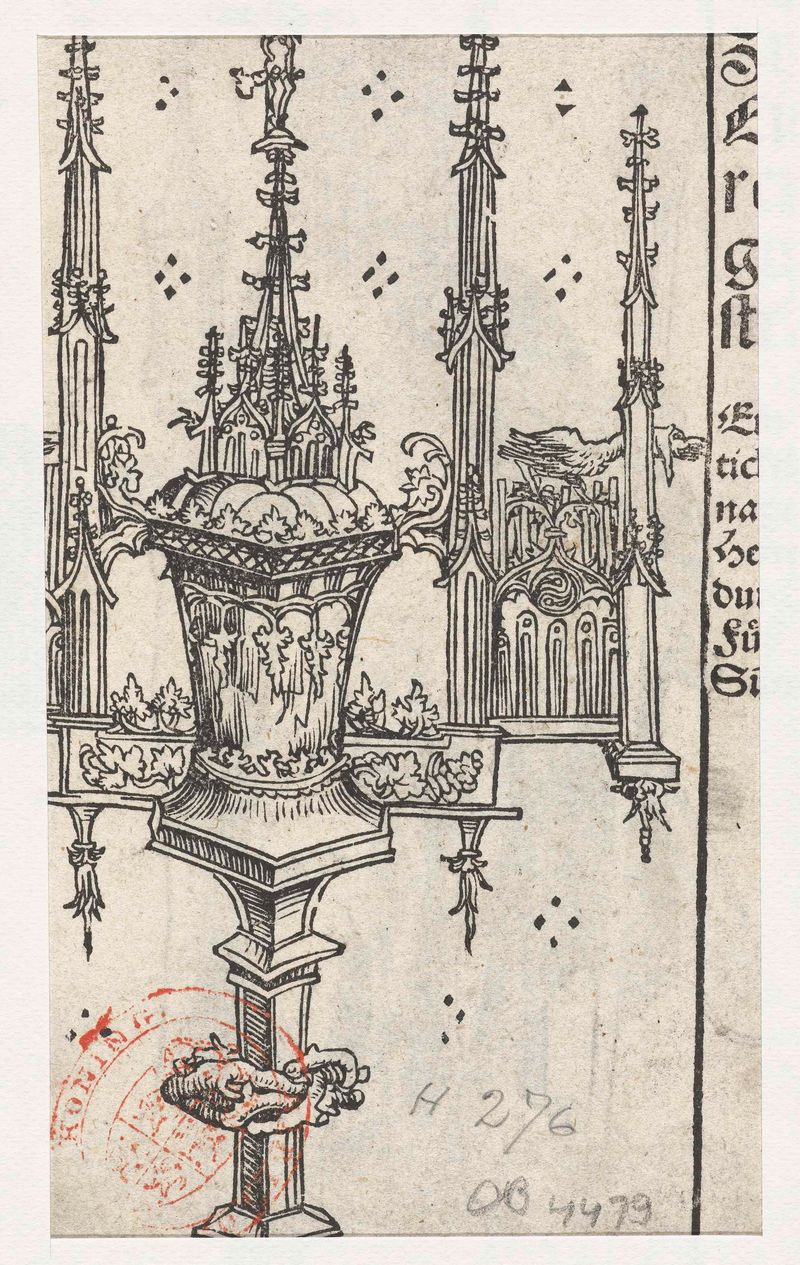
Monstrans met vogel (pelikaan)
Lucas Cranach (I)
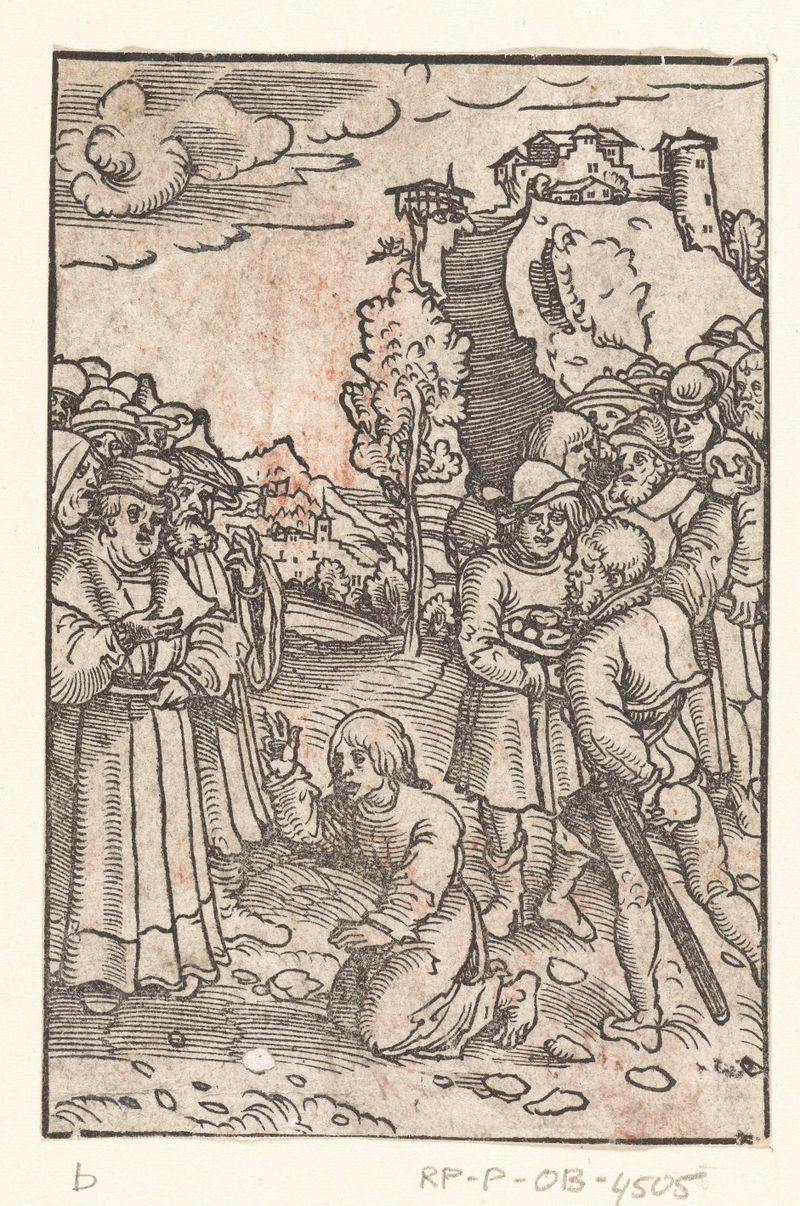
Steniging van Stefanus
Lucas Cranach (I)
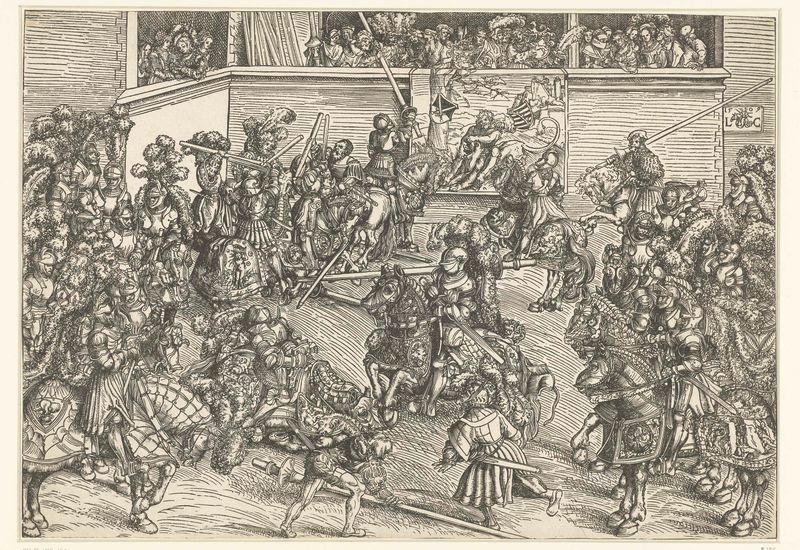
Toernooi van het keurvorstelijk hof van Saksen met wandtapijt Simson doodt de leeuw
Lucas Cranach (I)
More Religious Art
Browse all →
The Return of the Prodigal Son
Rembrandt van Rijn

The Garden of Earthly Delights
El Bosco

Count Orgaz’ funeral
El Greco

The Hundred Guilder Print: the central piece with Christ preaching, the plate arched
Rembrandt van Rijn

The Descent from the Cross
Rogier van der Weyden

The return of the prodigal son
Rembrandt van Rijn