Volterra — History & Facts
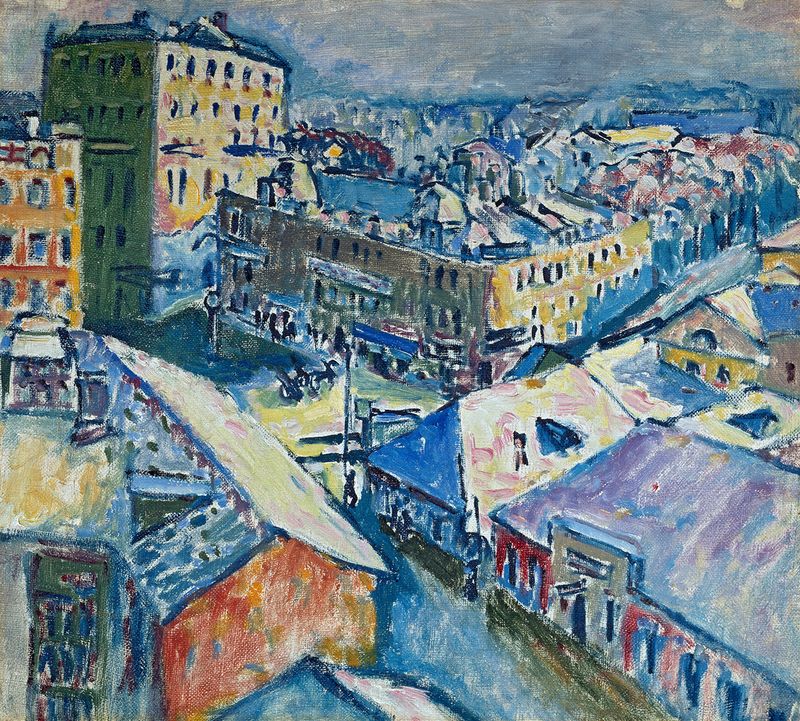
In the swirling depths of color lies an invitation to connect with the hidden emotions and thoughts that often go unexpressed. Here, vibrant hues dance for attention, conjuring the sensations of a moment, a place, and even a heartbeat. Look to the center of the canvas, where rich, warm tones of ochre and amber create an inviting glow, suggesting the warmth of the Tuscan sun. Notice how the brushwork melts into one another, a textured blend that draws you into the essence of Volterra, a town steeped in history.
Surrounding this heart of color, cooler shadows in deep blues and greens define the architecture, emphasizing their timelessness while hinting at the passage of time and memory. Yet, it is the contrast between the warmth of the foreground and the coolness of the background that sparks a deeper conversation about nostalgia and loss. The vibrant colors may evoke a sense of joy or a fleeting moment of connection, while the darker shadows subtly underscore the inevitable passage of time, reminding us that every beauty carries an echo of melancholy. In this way, color becomes more than a visual element—it transforms into an emotional landscape, navigating the complexities of human experience. In 1923, Hermann Lismann painted Volterra while living in Germany, a period marked by introspection and shifting societal dynamics following World War I.
The post-war art scene was grappling with expressionism and the desire to convey deeper emotional truths. Lismann, influenced by these movements, sought to capture not just a place but a feeling, painting a scene that resonates with both the beauty and impermanence of life.
More Artworks by Hermann Lismann
Browse all →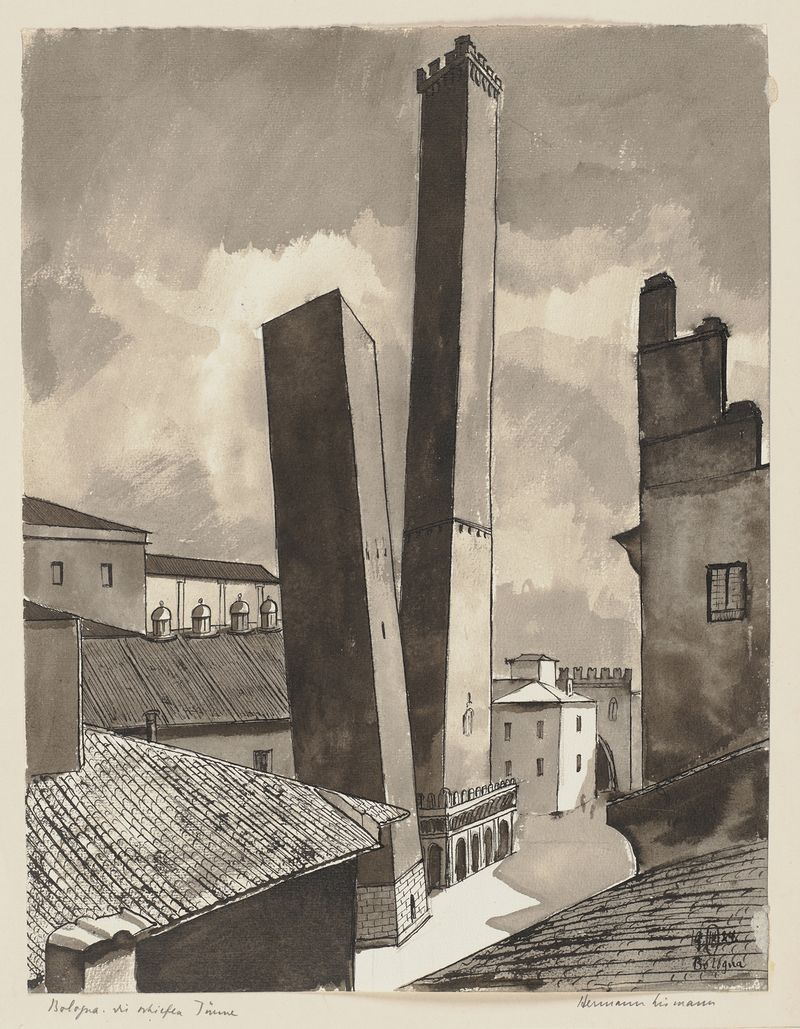
Die beiden Türme Garisenda und Asinelli in Bologna
Hermann Lismann
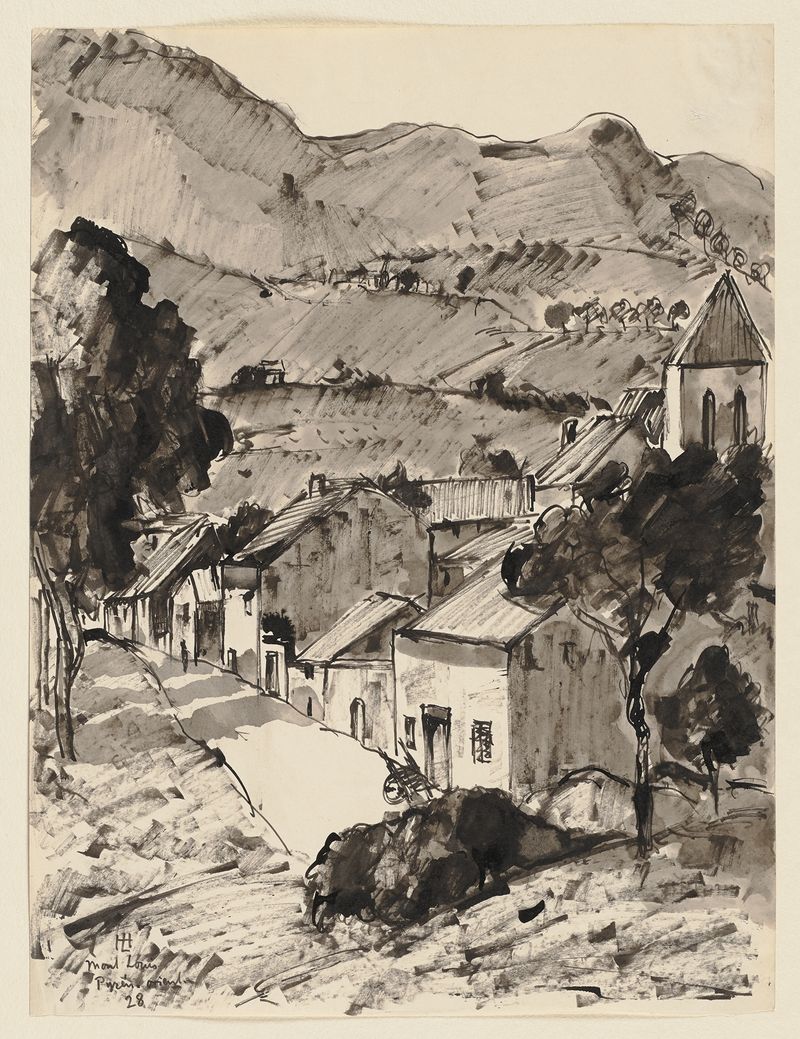
Mont-Louis
Hermann Lismann
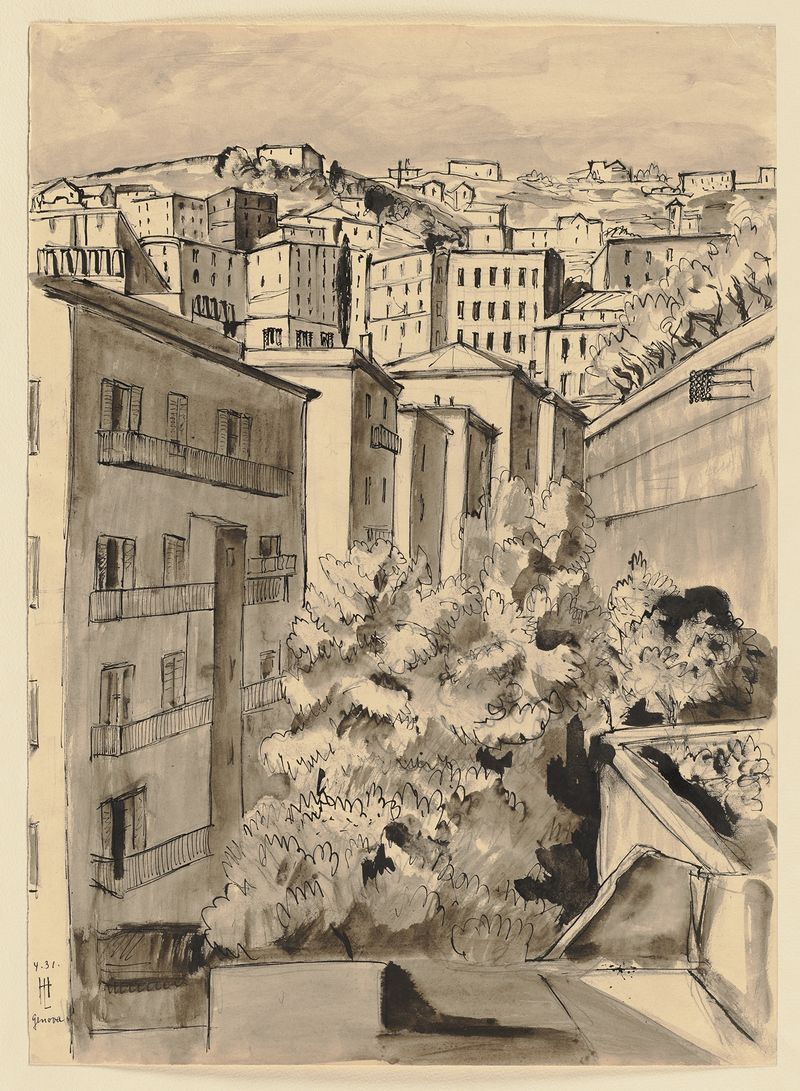
View of Genoa
Hermann Lismann
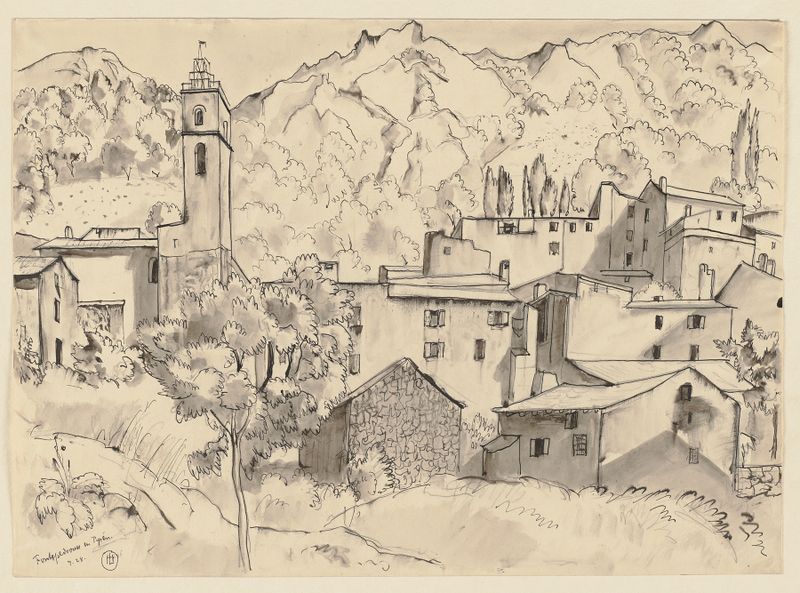
Fontpédrouse en Pyrénées
Hermann Lismann
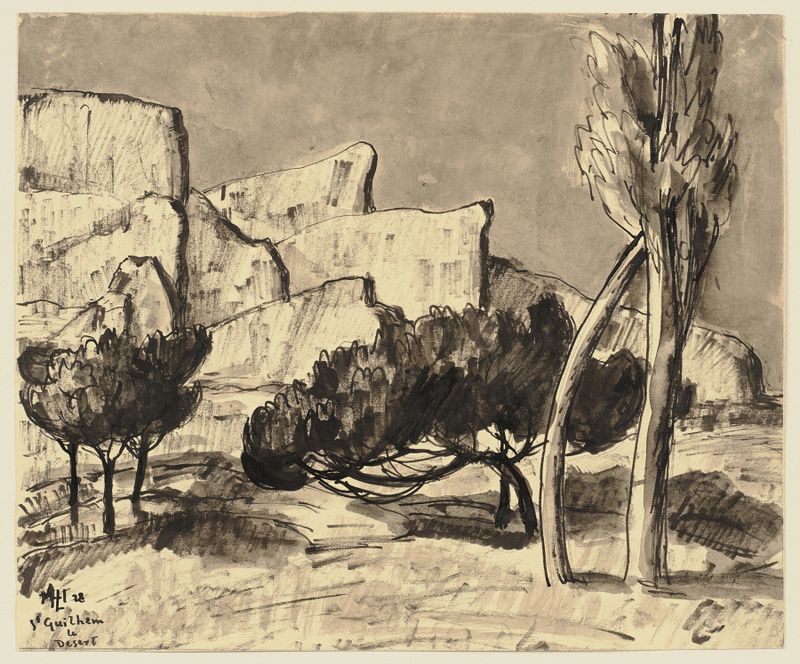
Saint-Guilhem-le-Désert
Hermann Lismann
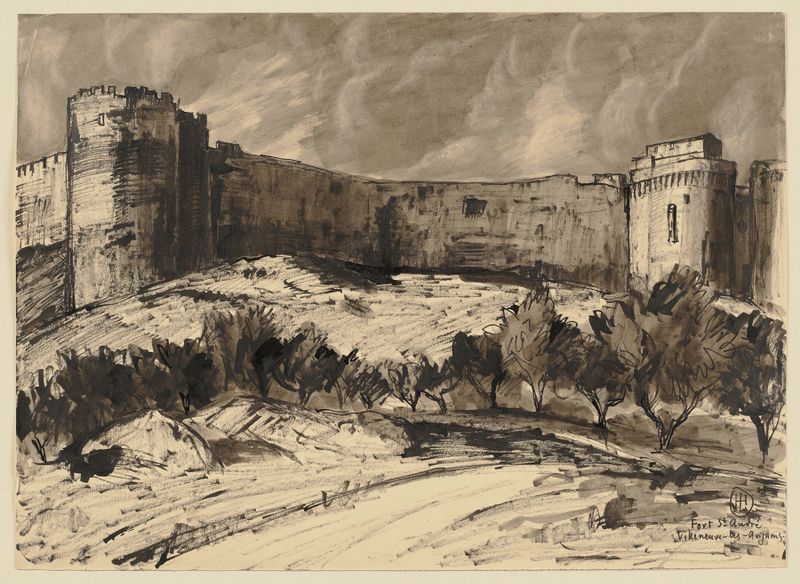
Fort Saint-André in Villeneuve-les-Avignon
Hermann Lismann
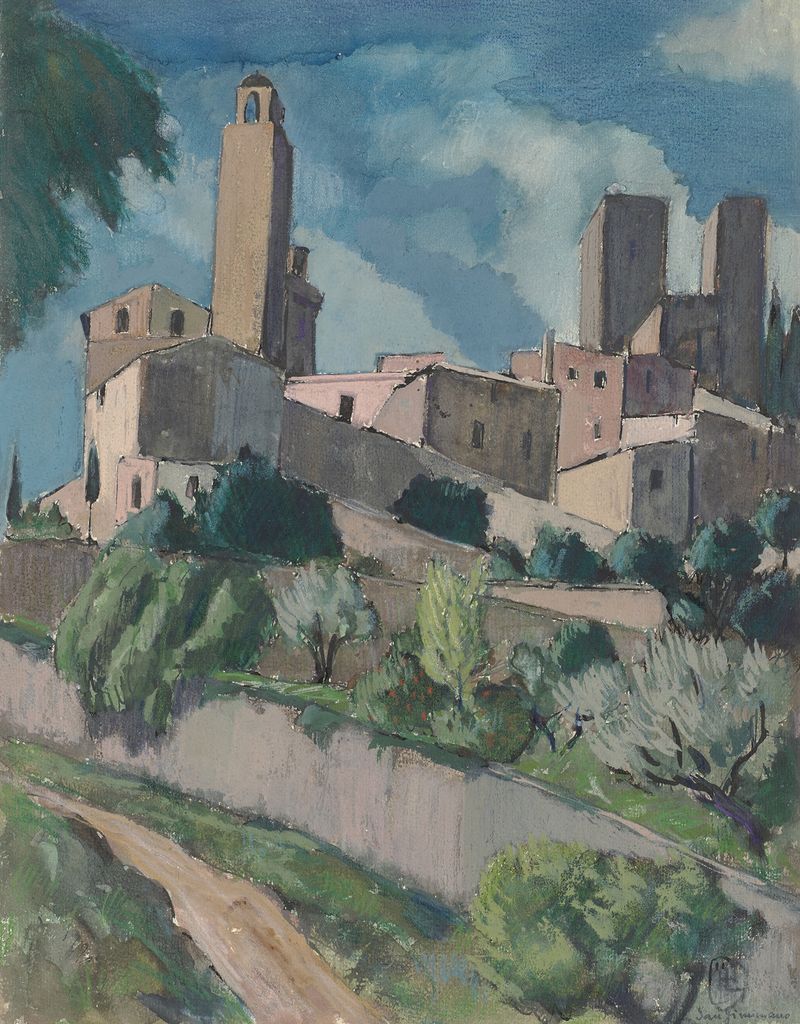
San Gimignano
Hermann Lismann
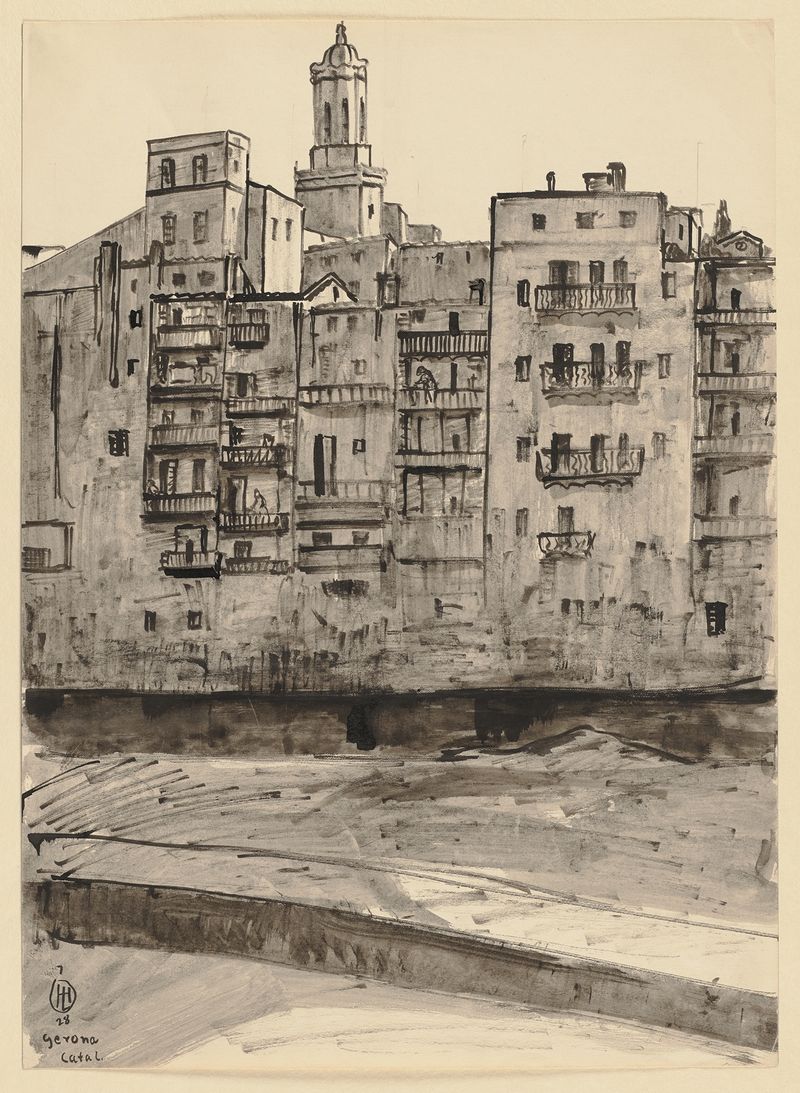
Girona vom Fluss aus gesehen, im Hintergrund der Turm der Kathedrale
Hermann Lismann
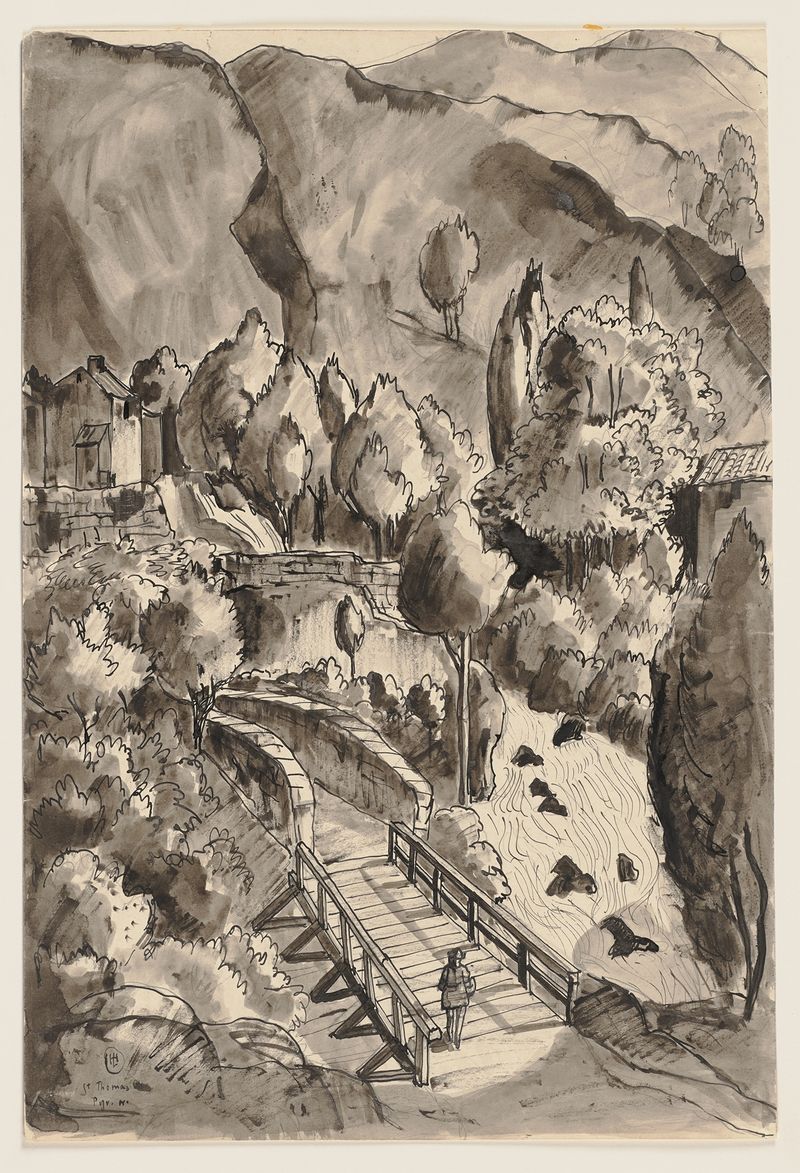
Saint Thomas, Pyrénées
Hermann Lismann
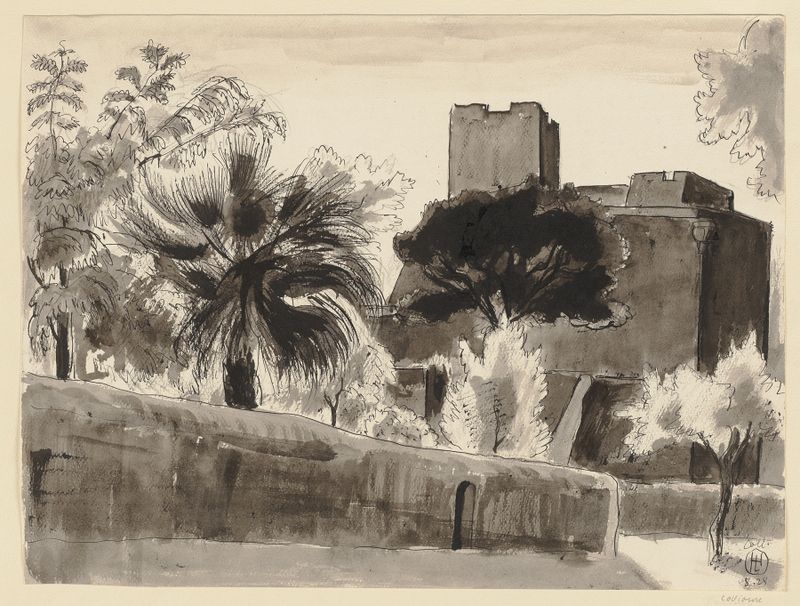
Collioure
Hermann Lismann