Voskresensky Bridge in the XVII Century — History & Facts
What first catches the eye in Voskresensky Bridge in the XVII Century is the sense of bustling, everyday life unfolding beneath the heavy timbered roof of the bridge. The viewer is drawn into a world where merchants, townsfolk, and travelers converge, their movements guided by the sheltering structure above. The artist, Apollinari Mikhailovich Vasnetsov, uses the long, receding lines of the bridge to pull us deeper into the scene, while the scattered groups and varied postures of the figures hint at countless small dramas—negotiations, greetings, the steady labor of commerce.
The palette, dominated by muted earth tones and the pale wash of winter light, grounds the scene in a chilly, workaday Moscow, while the flock of birds overhead animates the sky and reminds us that this is a living city. Works like this, painted in 1921, are windows onto a past that was already vanishing when Vasnetsov set brush to canvas. In the early twentieth century, Russian artists and historians were urgently reconstructing the architectural and social fabric of old Moscow, often from fragments and memory. Scenes of bridges, markets, and city gates were not only nostalgic; they were acts of preservation, capturing the rhythms and textures of a world swept away by modernization and revolution.
Vasnetsov was renowned for his historical reconstructions, and though little is recorded about the specific journey of this painting, its presence in an online collection today is a testament to the enduring fascination with Russia’s layered urban past. Let your eye wander again through the archways and stalls—the painting rewards every return with another story in miniature.
More Artworks by Apollinari Mikhailovich Vasnetsov

Landscape With Lake
Apollinari Mikhailovich Vasnetsov
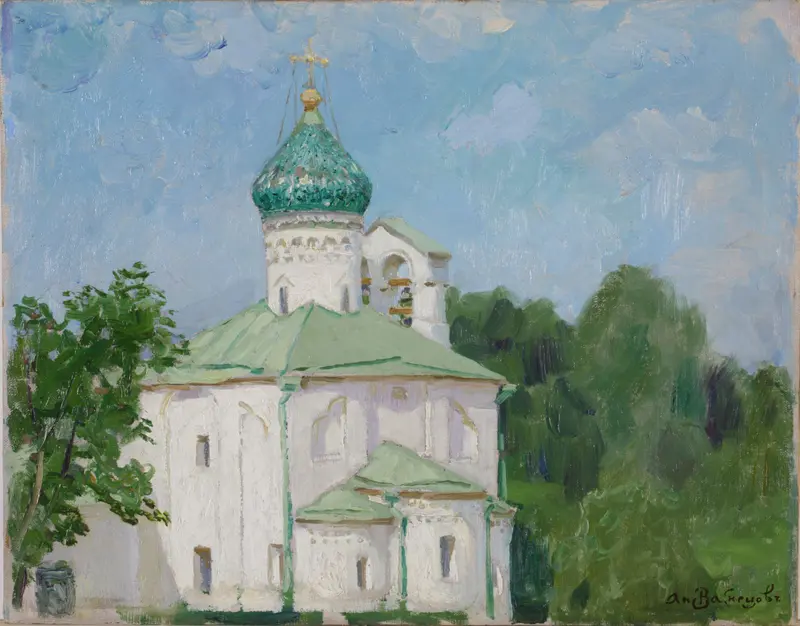
Sergius Luzhki
Apollinari Mikhailovich Vasnetsov
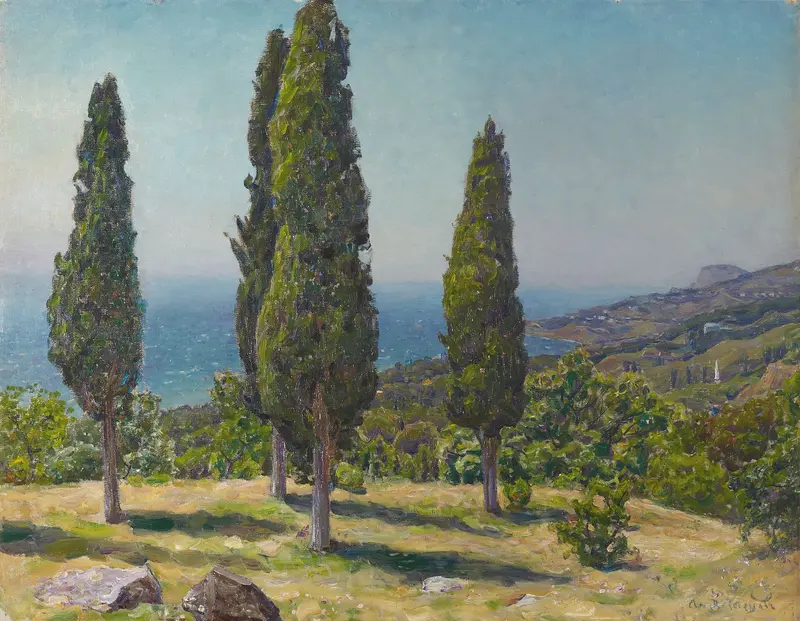
cypresses. Crimea
Apollinari Mikhailovich Vasnetsov
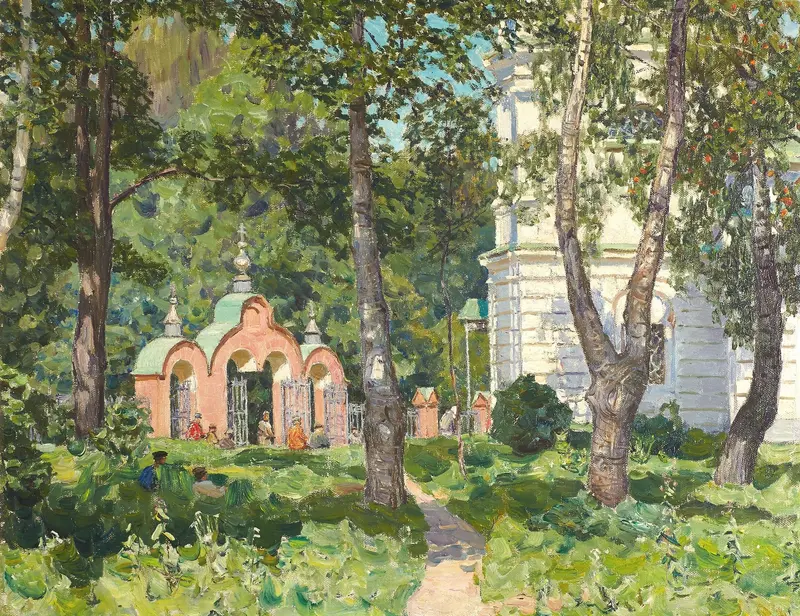
Demyanovo. At the churchyard
Apollinari Mikhailovich Vasnetsov
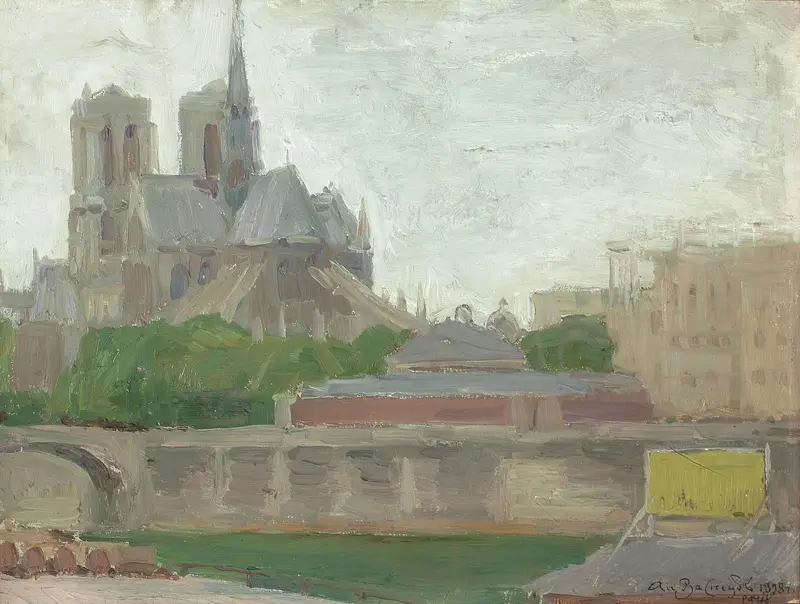
Notre Dame de Paris
Apollinari Mikhailovich Vasnetsov
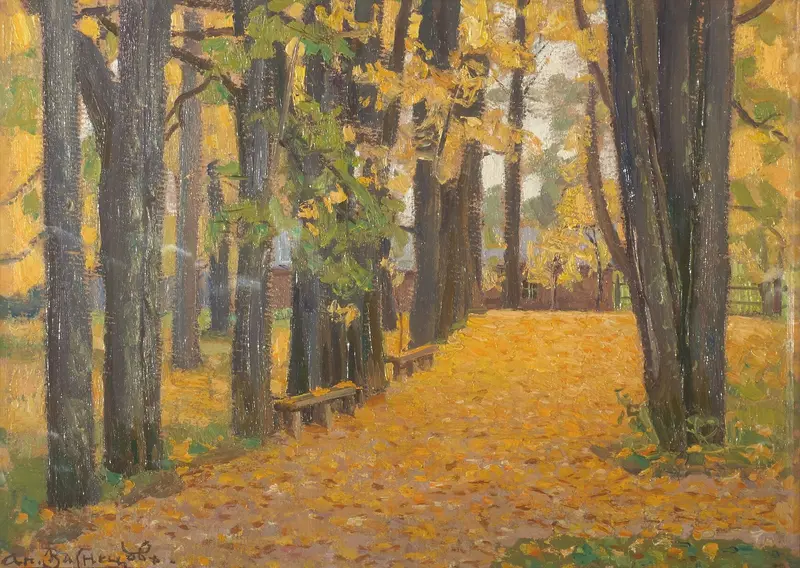
Autumn park
Apollinari Mikhailovich Vasnetsov
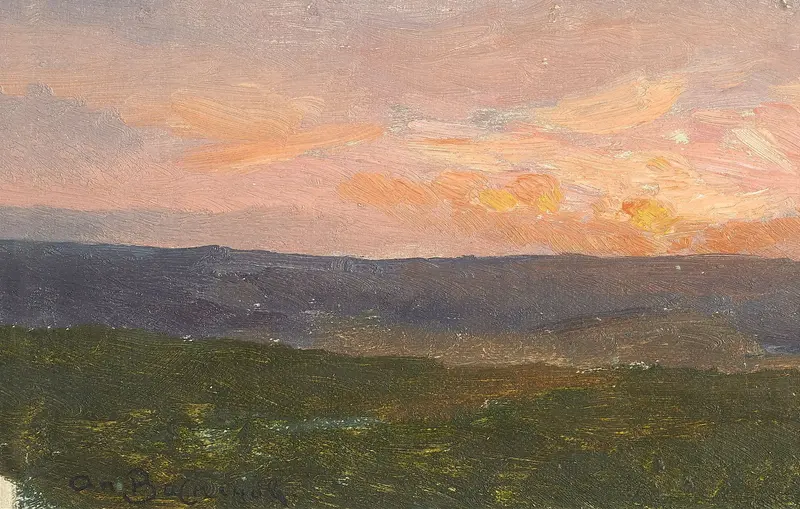
Sunset. Shurma
Apollinari Mikhailovich Vasnetsov

Via delle Tombe Pompeii
Apollinari Mikhailovich Vasnetsov
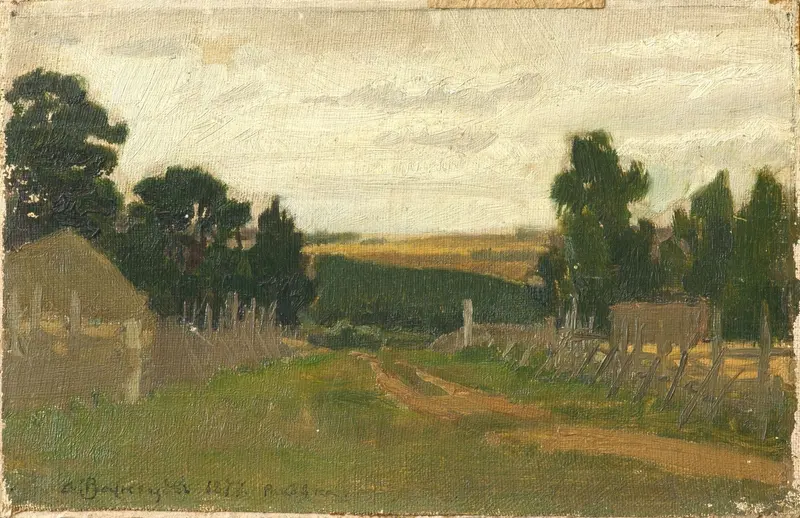
Rakovka
Apollinari Mikhailovich Vasnetsov
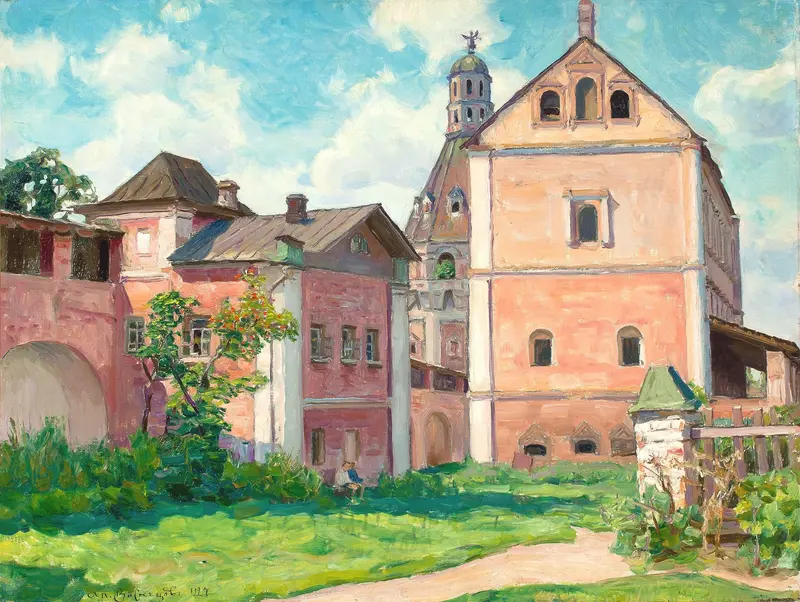
Simonov tower
Apollinari Mikhailovich Vasnetsov