
Vrouw met grote kanten kraag en gekruld haar — History & Facts
In the hands of a master, it can also transform, revealing layers of identity and emotion hidden beneath the surface. Look closely at the intricate lace collar that frames the subject's face; its sharp, delicate patterns contrast with the soft, cascading curls of her hair. The light kisses the edges of the lace, creating a three-dimensional quality that seems to animate the fabric, while shadows deepen the contours of her expression. The muted earth tones of her attire serve to enhance the brightness of the collar, drawing your gaze instinctively to its ornate detailing. As you explore further, notice the subtle interplay between the woman's poised demeanor and the tension held in her gaze.
The contrast between her serene exterior and the complexity of her expression hints at a deeper narrative, one of societal expectations and personal yearning. The choice to highlight her collar symbolizes a duality; it is both a decorative shield and a statement of status, suggesting the confines of her world while revealing a spirit striving for liberation. In 1647, Wenceslaus Hollar was living in London after fleeing the Thirty Years' War, a time when the art scene was burgeoning with influences from various European styles. His meticulous attention to detail in this work reflects his dedication to capturing the nuances of character and the changing tides of society.
This portrait encapsulates not just a moment in time, but the very essence of a woman caught between tradition and transformation.
More Artworks by Wenceslaus Hollar
Browse all →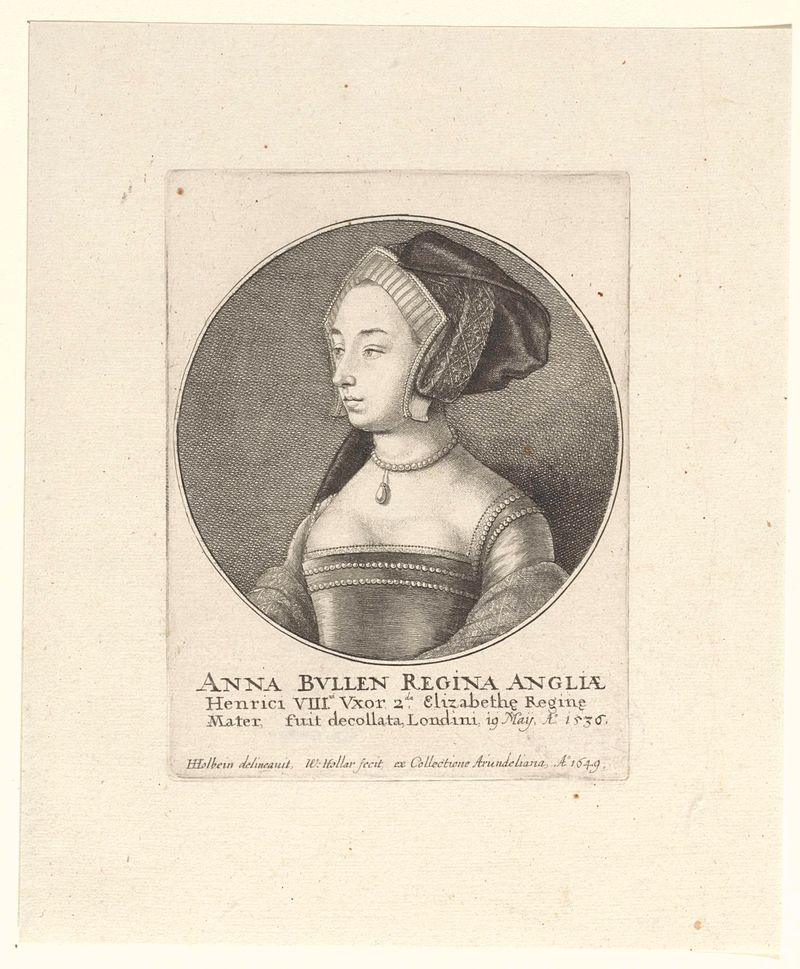
Portret van Anna Boleyn, koningin van Engeland
Wenceslaus Hollar
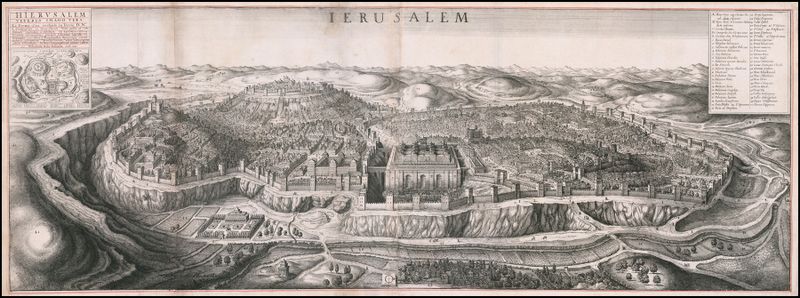
Bird’s eye view of Jerusalem
Wenceslaus Hollar
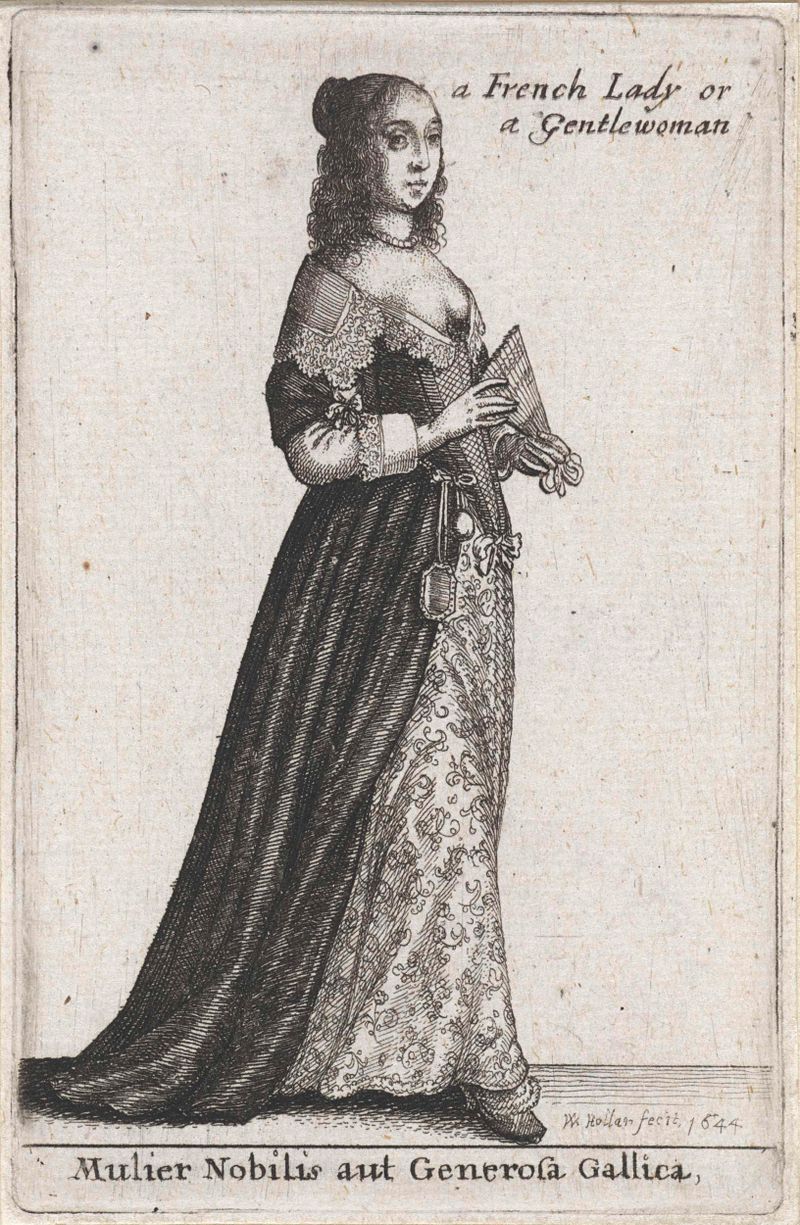
Mulier Nobilis aut Generosa Gallica / a French Lady or Gentlewoman
Wenceslaus Hollar
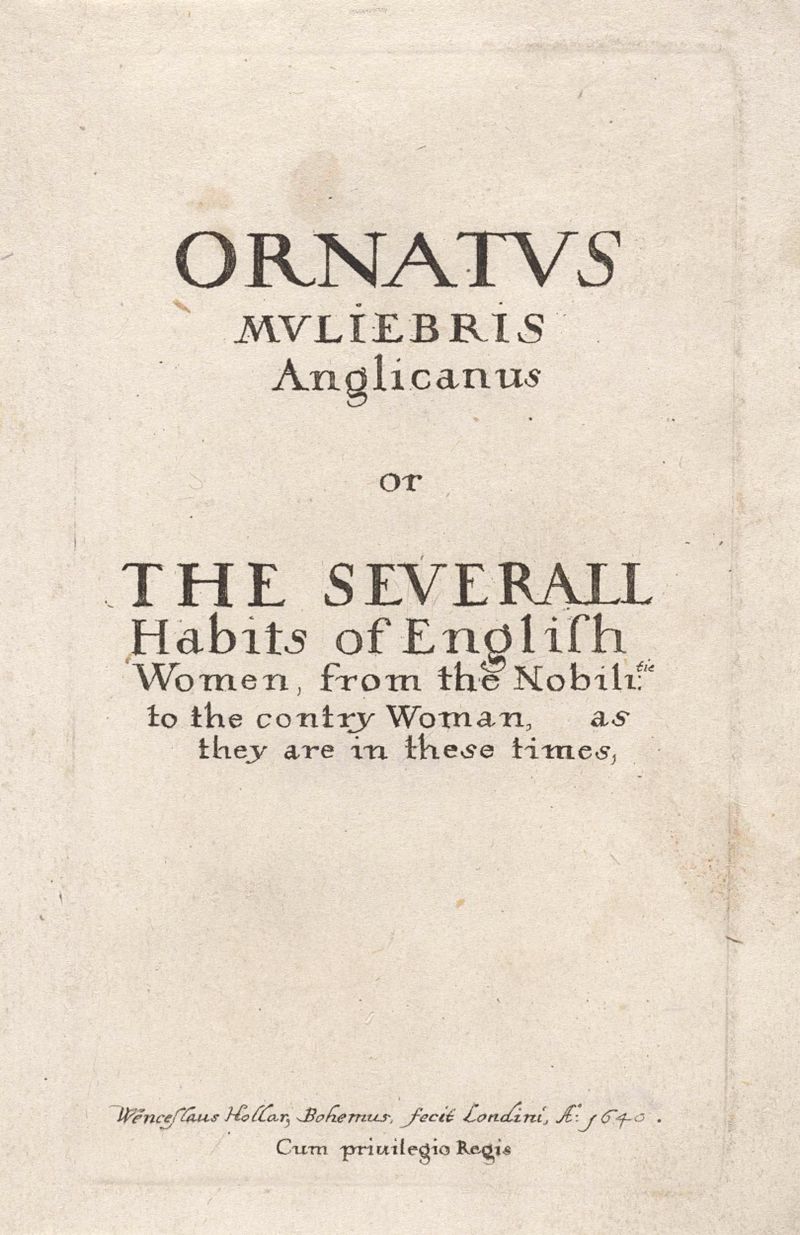
Titelprent voor: Ornatus Muliebris Anglicanus
Wenceslaus Hollar
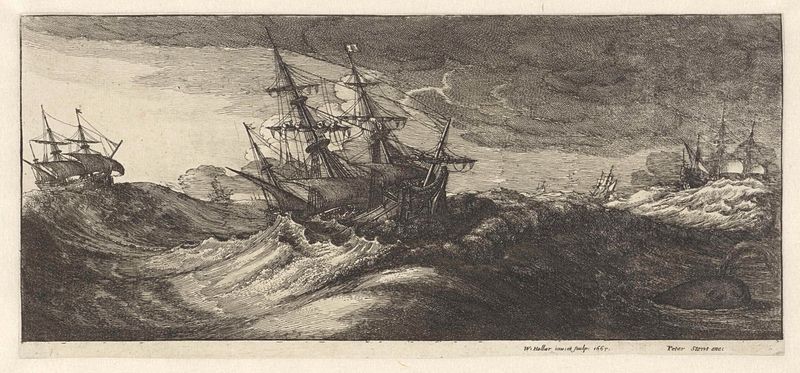
Oorlogsschepen en een walvis in een zeestorm
Wenceslaus Hollar
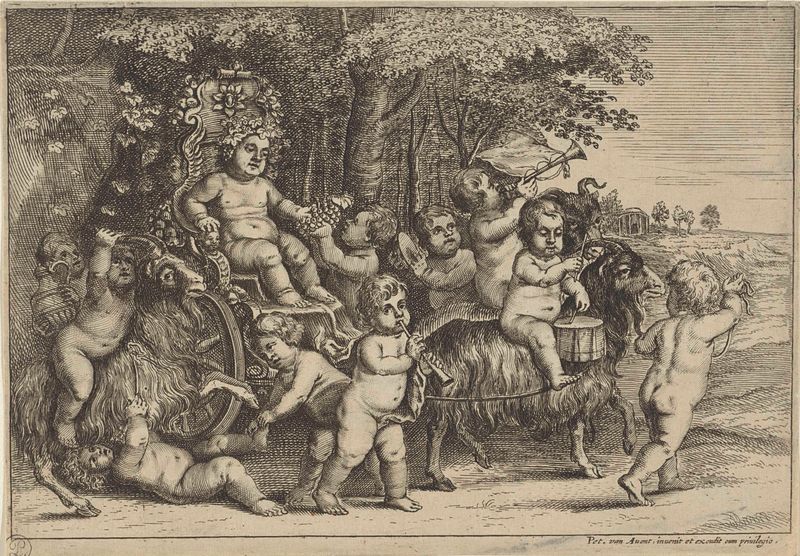
Optocht van bacchant en jongetjes op geiten
Wenceslaus Hollar
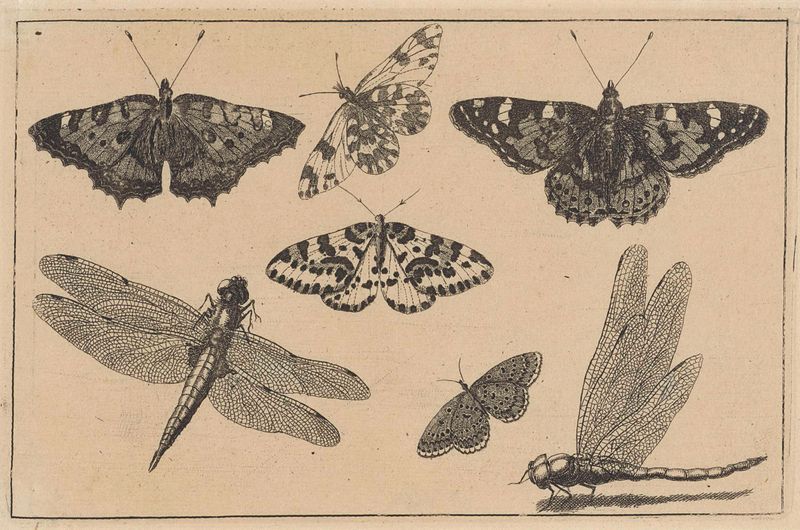
Twee libellen en vijf vlinders
Wenceslaus Hollar
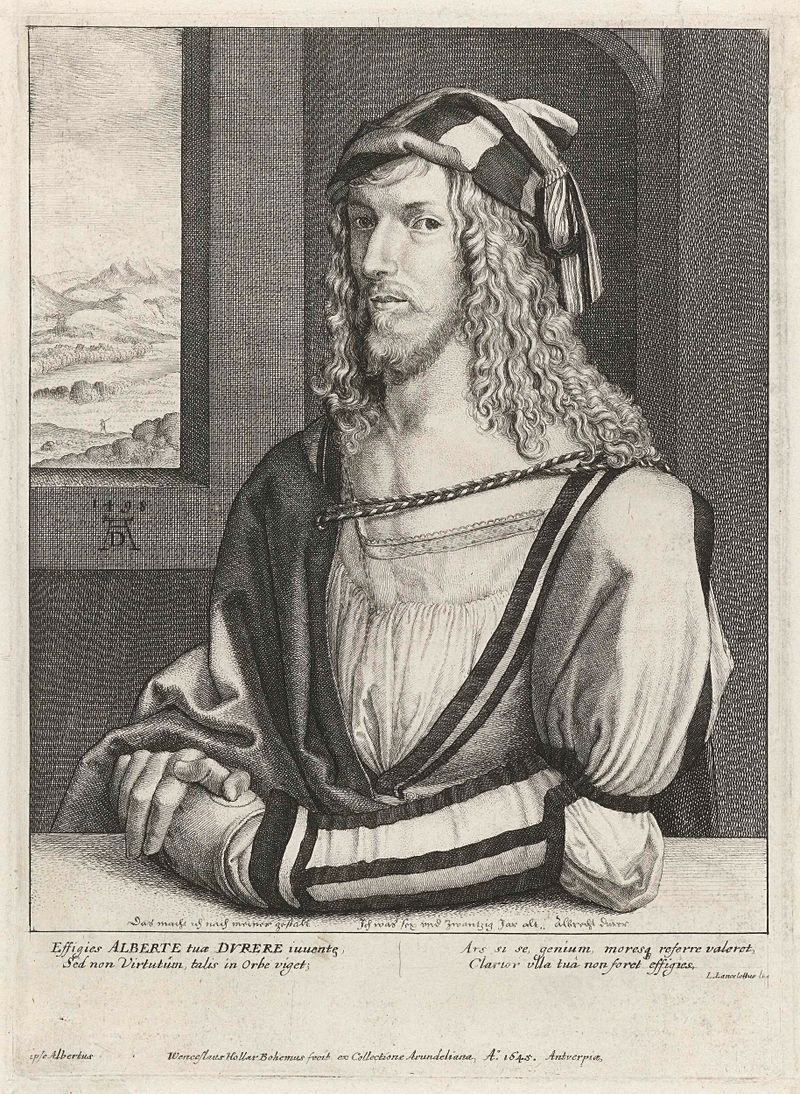
Portret van Albrecht Dürer
Wenceslaus Hollar
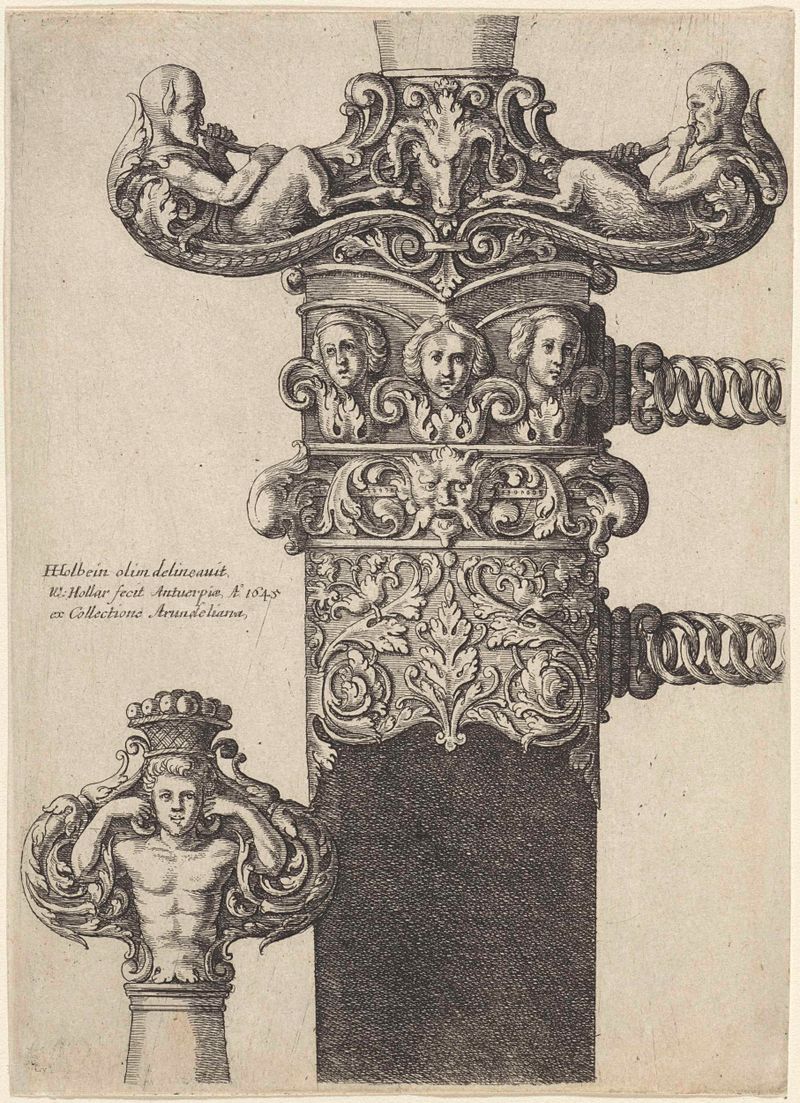
Ornamenteel ontwerp voor een dolk
Wenceslaus Hollar
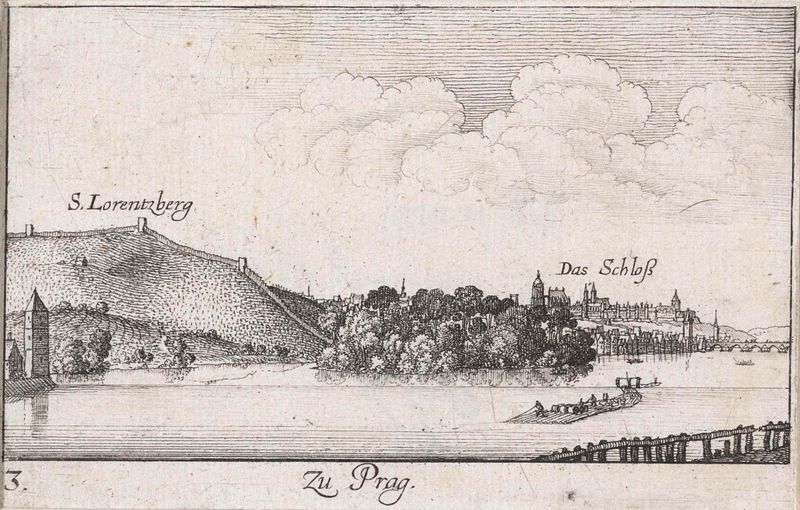
Gezicht op Praag vanaf de Moldau
Wenceslaus Hollar
More Portrait Art
Browse all →
Las meninas
Diego Velázquez
Self-portrait with a Bandaged Ear and Pipe
Unidentified artist
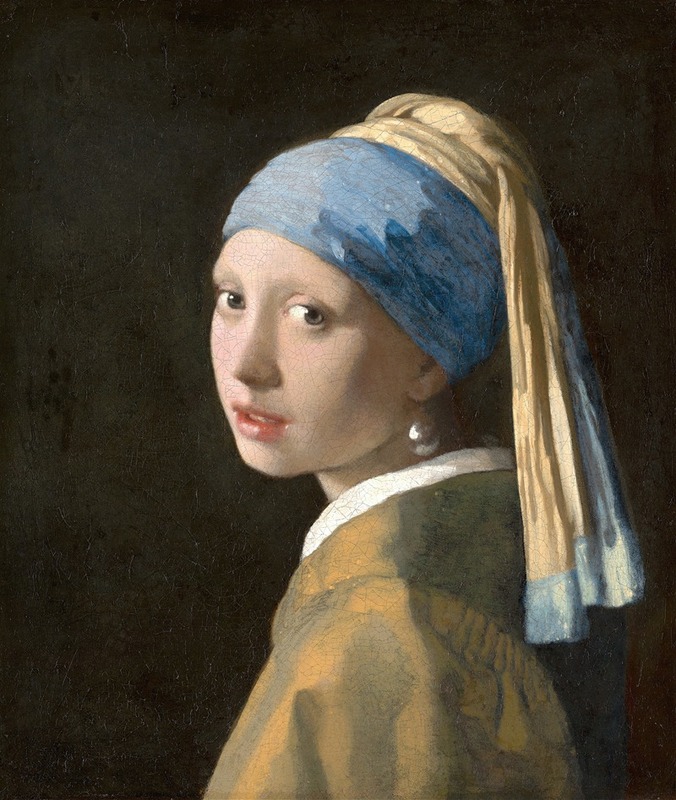
Girl with a Pearl Earring
Johannes Vermeer

The Sampling Officials of the Amsterdam Drapers’ Guild, Known as ‘The Syndics’
Rembrandt van Rijn

The Hundred Guilder Print: the man seen on the back in the lower left corner
Rembrandt van Rijn

Portrait of Dr Gachet
Vincent van Gogh