
Vrouw met grote stijve kraag en opgestoken haar, en profil — History & Facts
When did color learn to lie? The subtlety of shades can twist truth into illusion, revealing the complex layers of human identity. Look to the left at the woman’s elaborate ruff, a striking white halo encircling her neck, contrasting sharply with the inky darkness of the background. Notice how the artist’s meticulous linework captures each fold and curve, drawing the eye into the intricate details of her coifed hair. The delicacy of the etching technique imbues the woman with both elegance and an air of enigma, while the soft shadows suggest an almost ethereal glow surrounding her. The tension in this portrait lies in her profile; an ordinary pose transformed into an extraordinary revelation.
She exudes confidence and poise, yet there is an underlying tension in her gaze—a silent contemplation of her world and the roles she inhabits. The ruff, a symbol of status, may also evoke a sense of confinement, conveying the contradictions of societal expectations during the era. The stark contrast between light and dark serves as a reminder of the complexities within identity, inviting the viewer to ponder the truths hidden beneath the surface. Wenceslaus Hollar crafted this etching in 1642, amidst the flourishing of Baroque art in Europe.
Living in London after fleeing the Thirty Years' War, Hollar became known for his ability to blend realism and ornamentation. This period marked significant developments in portraiture, with artists exploring not just likeness but deeper psychological truths. As Hollar navigated personal and societal upheaval, he captured not just a woman, but the silent stories that echo through the ages.
More Artworks by Wenceslaus Hollar
Browse all →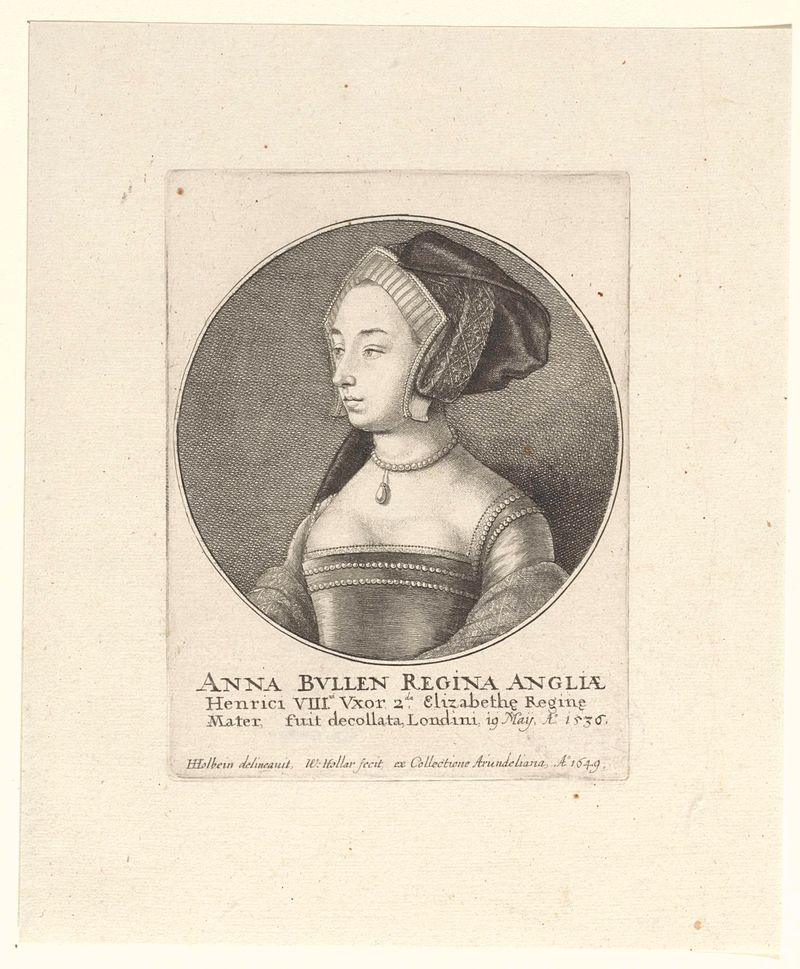
Portret van Anna Boleyn, koningin van Engeland
Wenceslaus Hollar
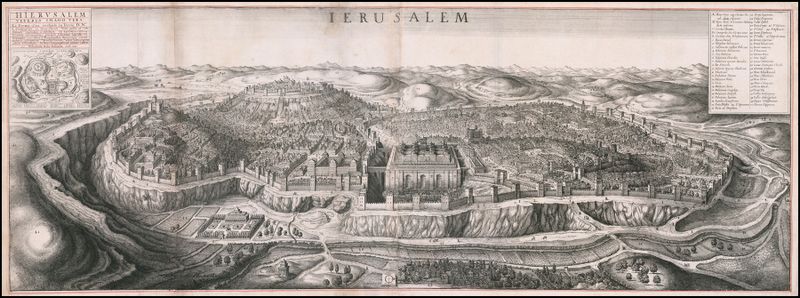
Bird’s eye view of Jerusalem
Wenceslaus Hollar
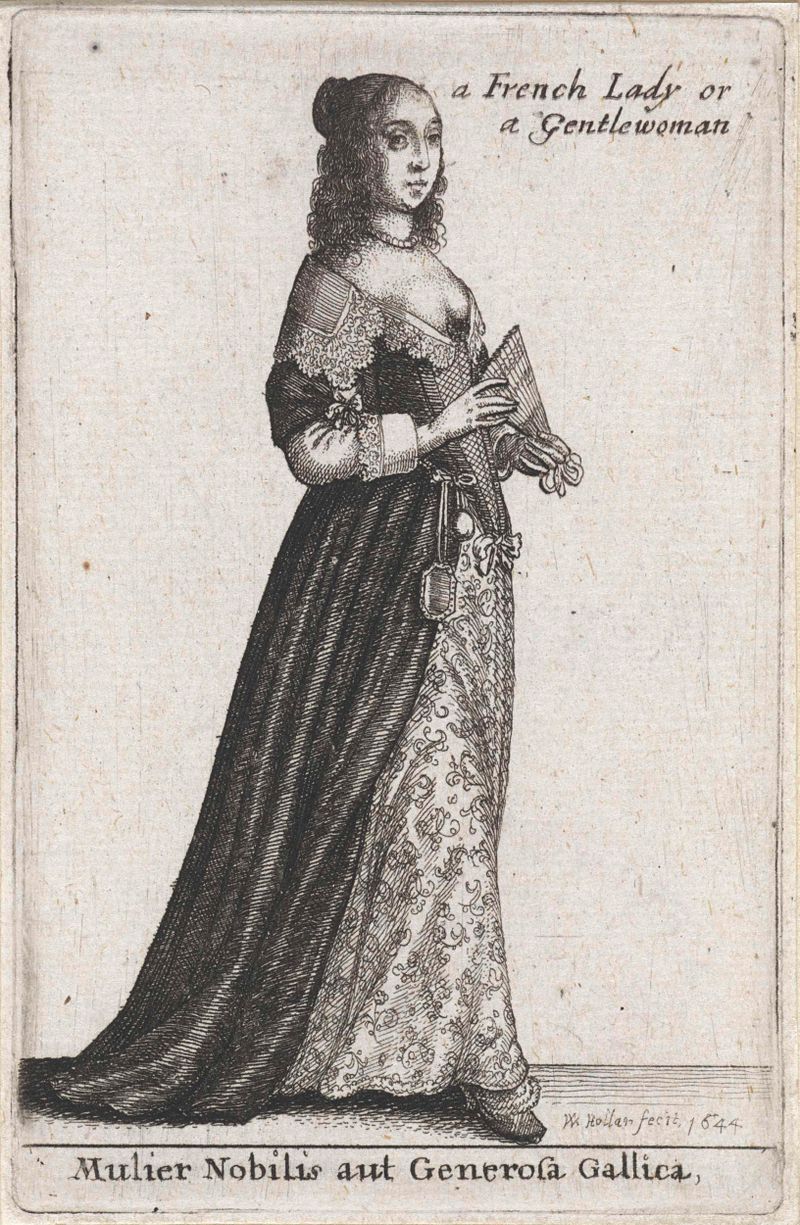
Mulier Nobilis aut Generosa Gallica / a French Lady or Gentlewoman
Wenceslaus Hollar
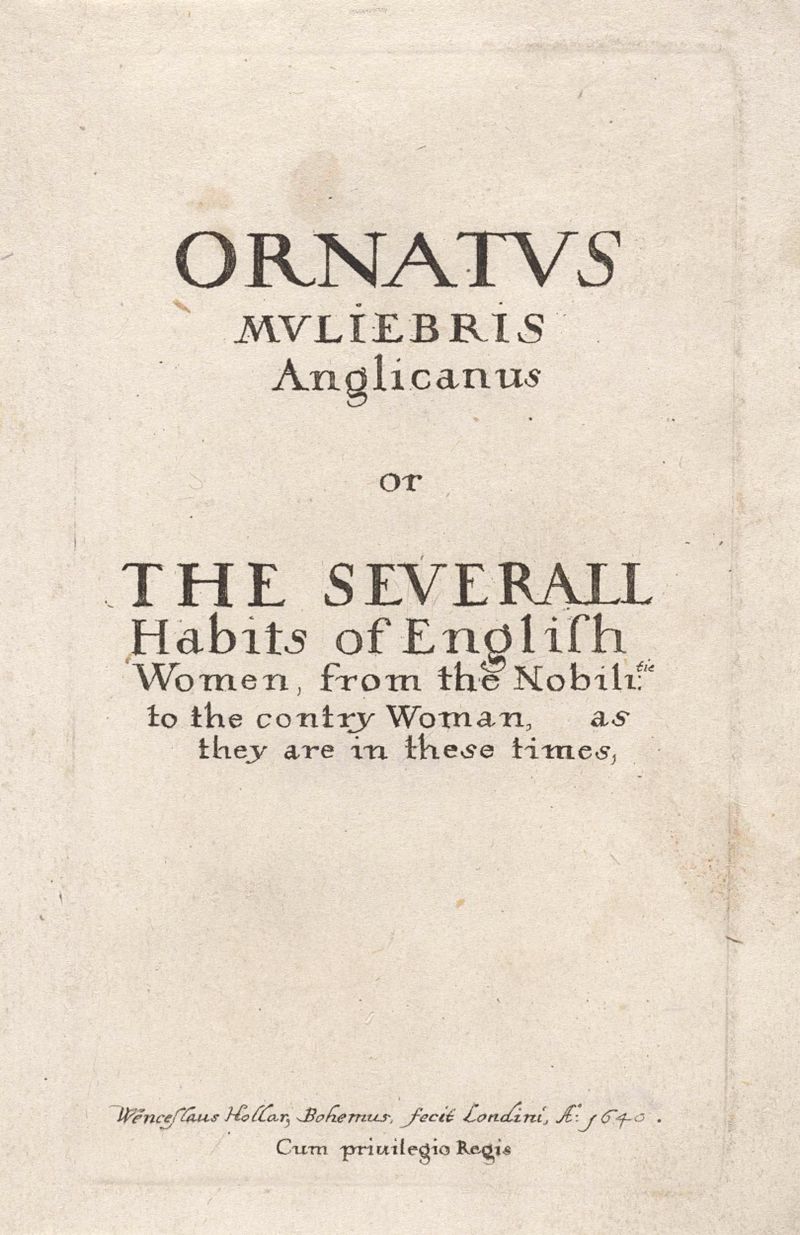
Titelprent voor: Ornatus Muliebris Anglicanus
Wenceslaus Hollar
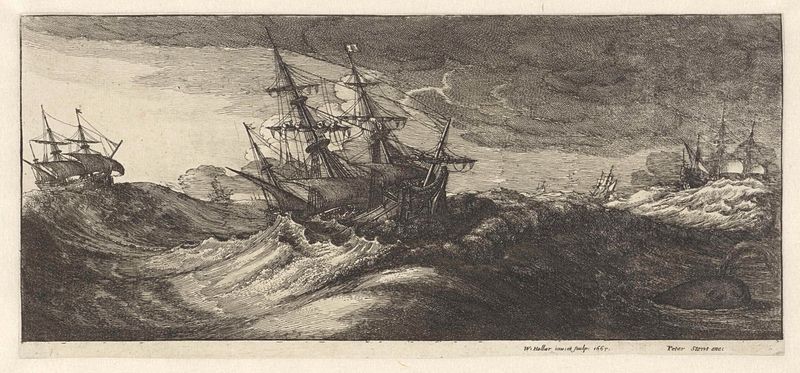
Oorlogsschepen en een walvis in een zeestorm
Wenceslaus Hollar
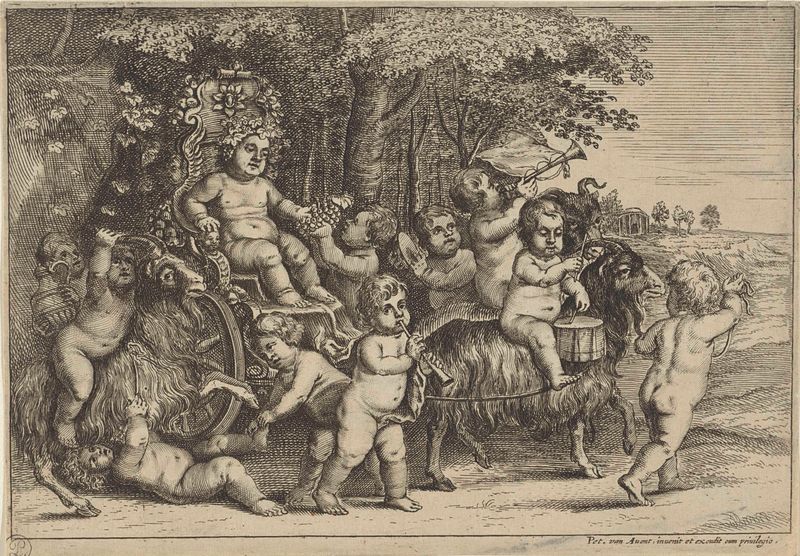
Optocht van bacchant en jongetjes op geiten
Wenceslaus Hollar
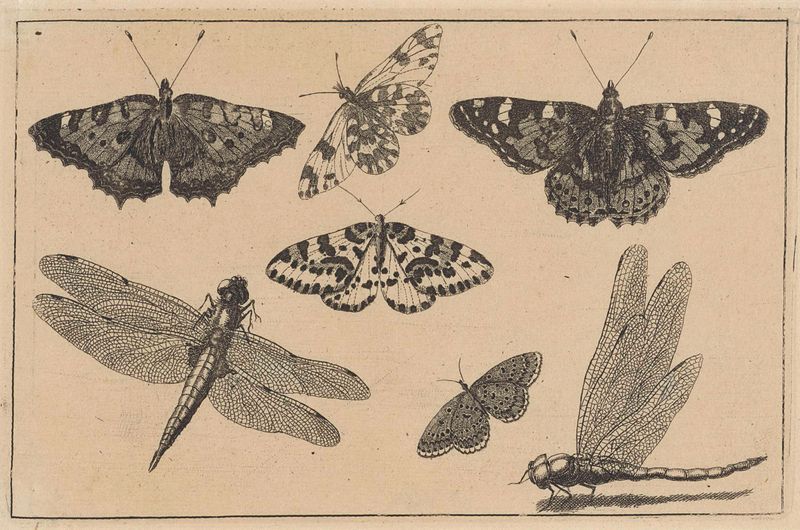
Twee libellen en vijf vlinders
Wenceslaus Hollar
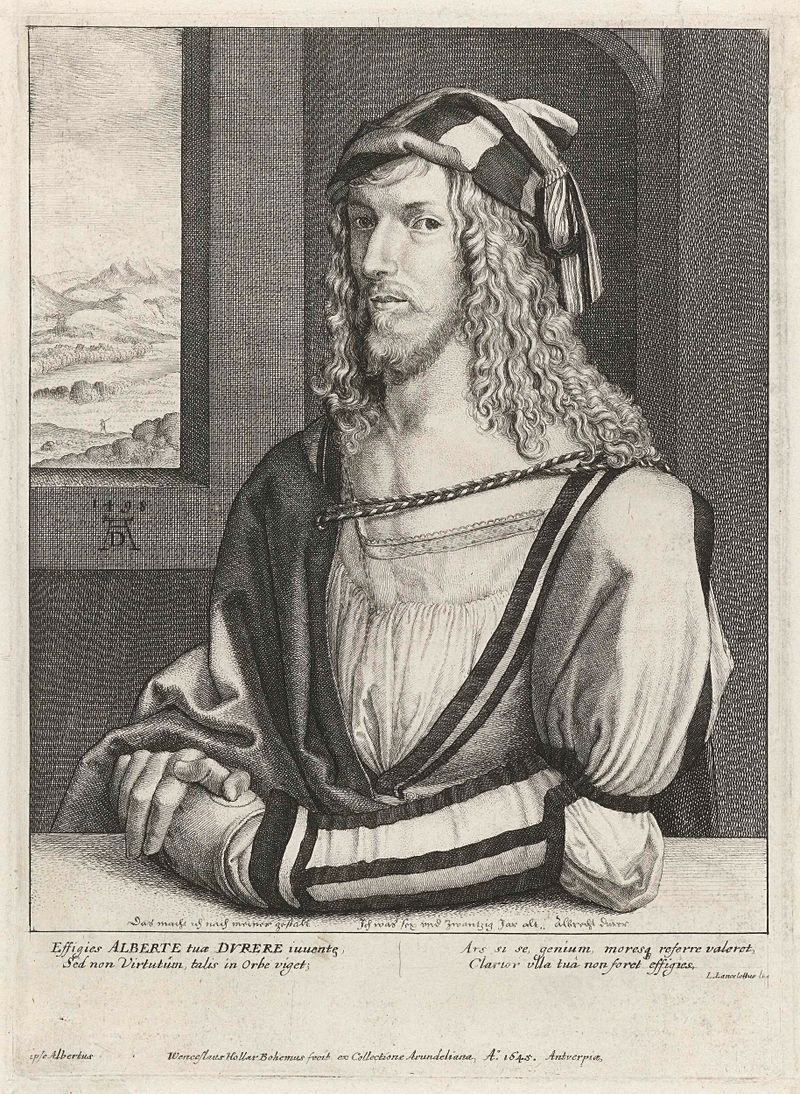
Portret van Albrecht Dürer
Wenceslaus Hollar
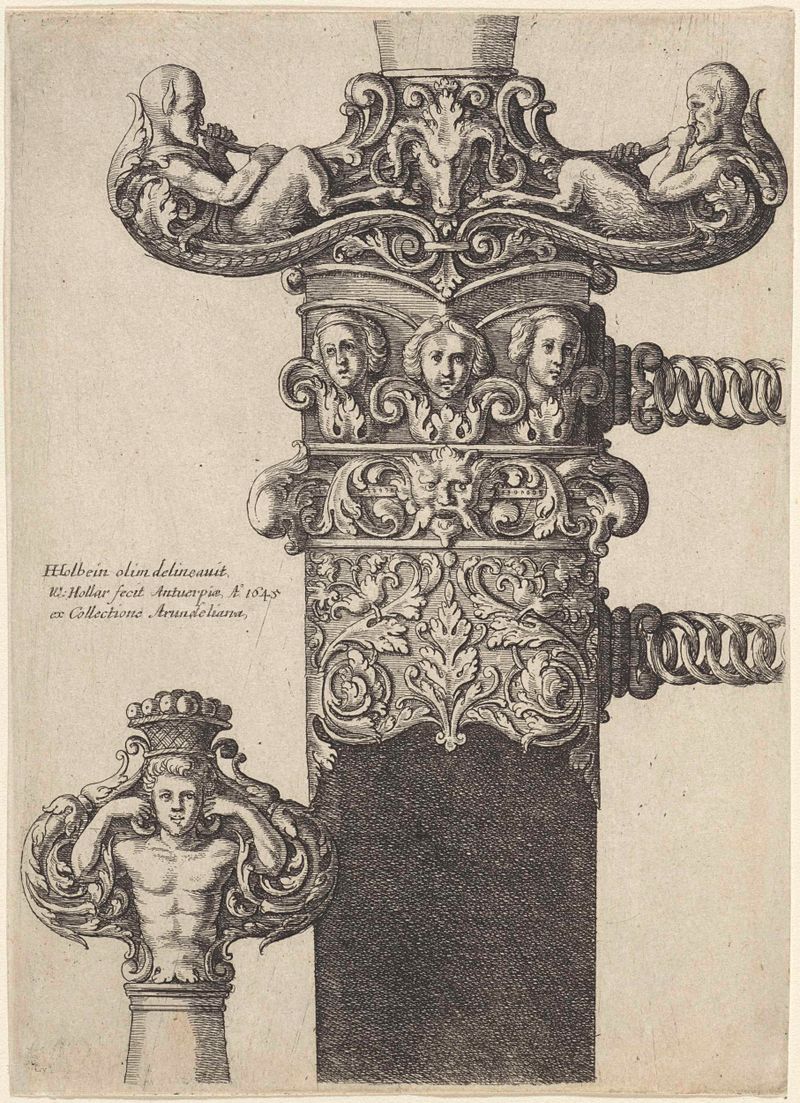
Ornamenteel ontwerp voor een dolk
Wenceslaus Hollar
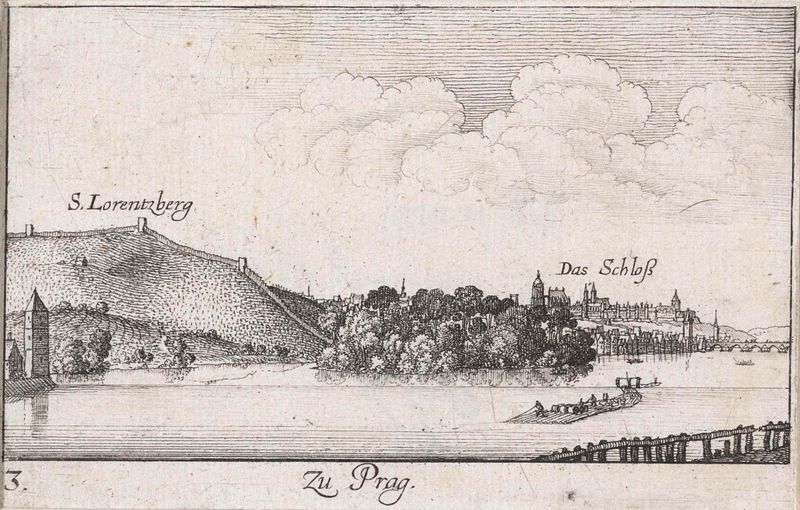
Gezicht op Praag vanaf de Moldau
Wenceslaus Hollar
More Portrait Art
Browse all →
Las meninas
Diego Velázquez

Self-portrait with a Bandaged Ear and Pipe
Unidentified artist

Girl with a Pearl Earring
Johannes Vermeer

The Sampling Officials of the Amsterdam Drapers’ Guild, Known as ‘The Syndics’
Rembrandt van Rijn

The Hundred Guilder Print: the man seen on the back in the lower left corner
Rembrandt van Rijn

Portrait of Dr Gachet
Vincent van Gogh