
Vrouw met grote stijve kraag, hoofdkapje en haarpin — History & Facts
Could a single brushstroke hold eternity? In Wenceslaus Hollar's Vrouw met grote stijve kraag, hoofdkapje en haarpin, we find a portal into a moment suspended in time, where attire speaks volumes and every detail has the potential to revolutionize our understanding of identity. Look closely at the figure's imposing ruff, its rigid folds creating a halo around her face. The delicate interplay of light and shadow reveals the intricate lacework, while the soft glow illuminating her skin contrasts sharply with the dark background. Notice how her expression, poised yet enigmatic, invites you to ponder the thoughts swirling beneath that elaborate headpiece.
Hollar's meticulous engraving technique captures not just the physical attributes of the woman but also her presence, framing her as both subject and statement. Delve deeper into the symbolism of her costume; the grandeur of the ruff suggests elevated social status, while the understated hairpin hints at a personal narrative hidden beneath layers of societal expectation. The rigidness of her attire juxtaposed with the softness of her gaze creates a tension between duty and individuality, a silent rebellion against the constraints of her era. This emotional undercurrent reverberates through the meticulous detail, prompting reflections on the roles women were often confined to during the 17th century. In 1642, Hollar was navigating the intricacies of the art world amidst political upheaval in Europe, particularly the Thirty Years' War.
Working in Amsterdam, he sought to document the shifting tides of society through his art, capturing the essence of a rapidly changing world. This period marked a shift in artistic focus, where personal identity began to emerge prominently alongside the collective narrative, and Hollar’s work stands testament to this evolving discourse.
More Artworks by Wenceslaus Hollar
Browse all →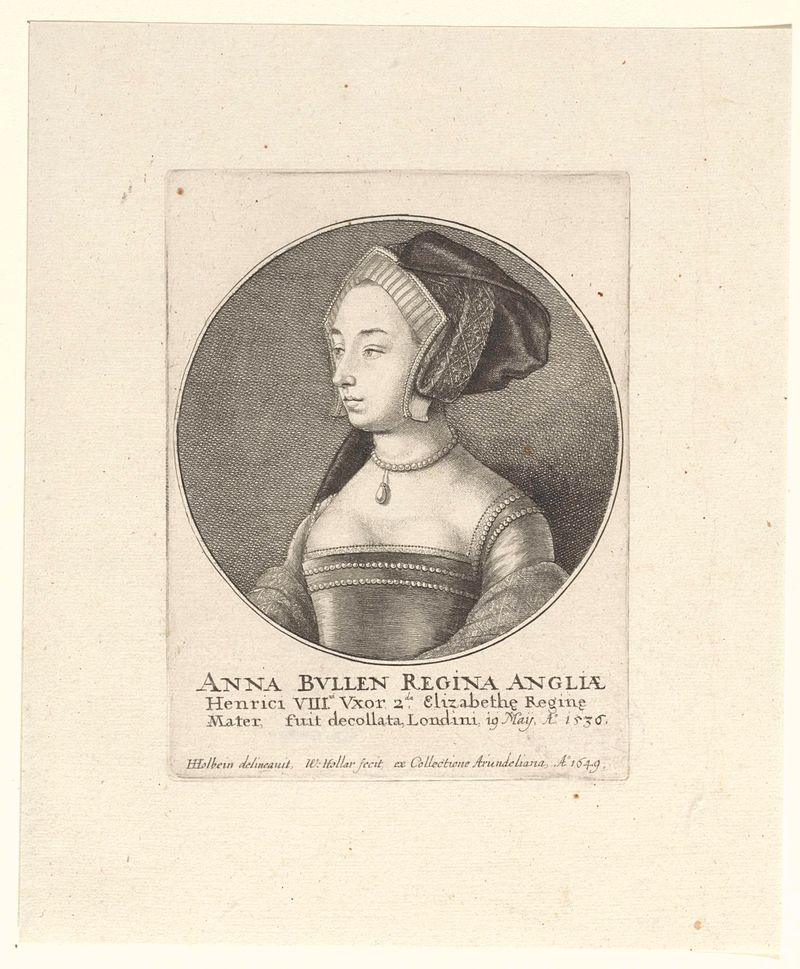
Portret van Anna Boleyn, koningin van Engeland
Wenceslaus Hollar
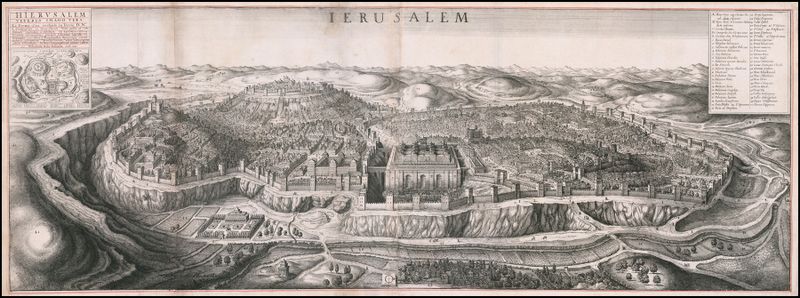
Bird’s eye view of Jerusalem
Wenceslaus Hollar
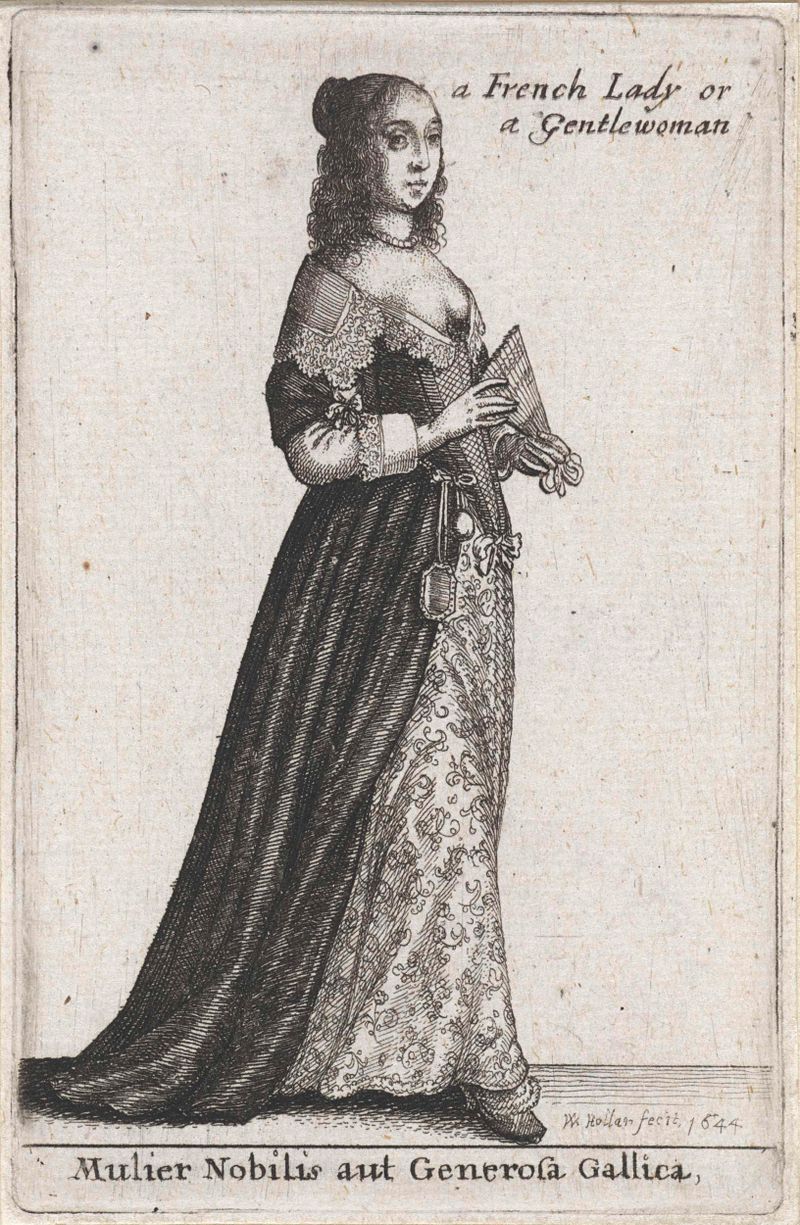
Mulier Nobilis aut Generosa Gallica / a French Lady or Gentlewoman
Wenceslaus Hollar
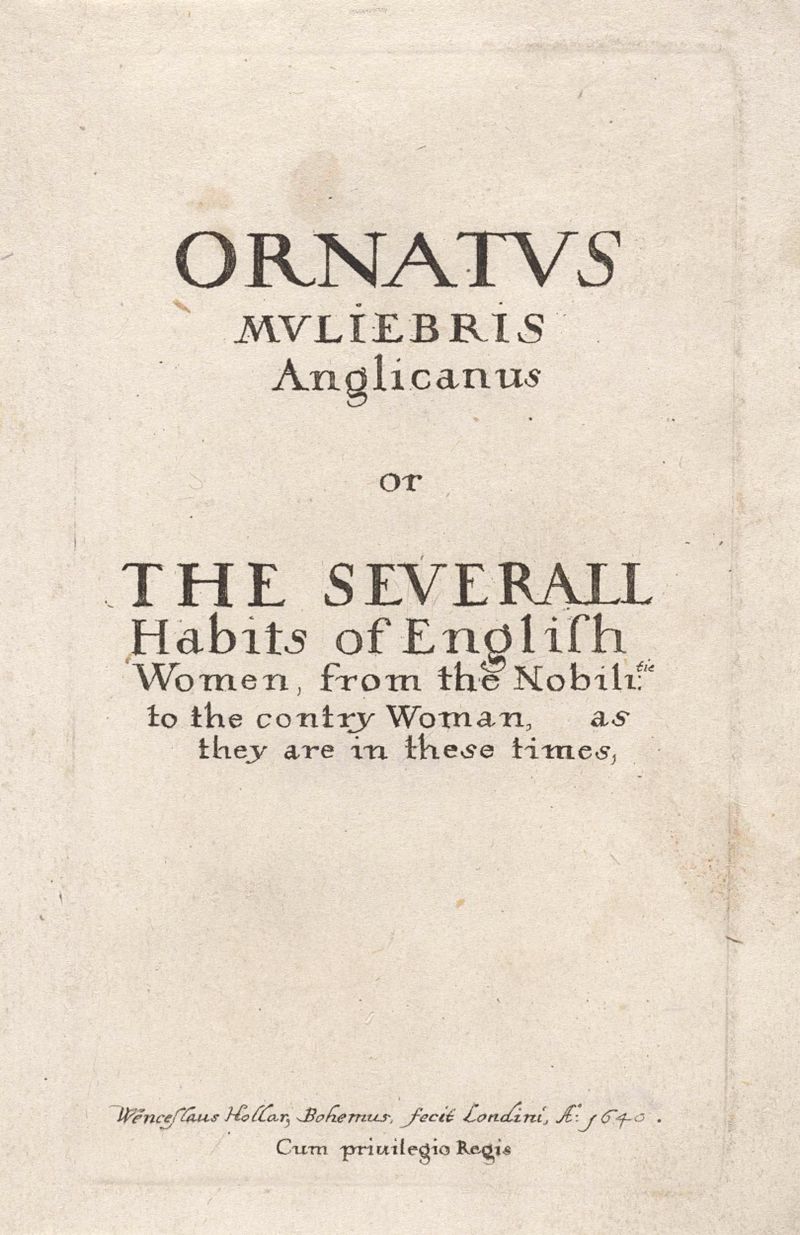
Titelprent voor: Ornatus Muliebris Anglicanus
Wenceslaus Hollar
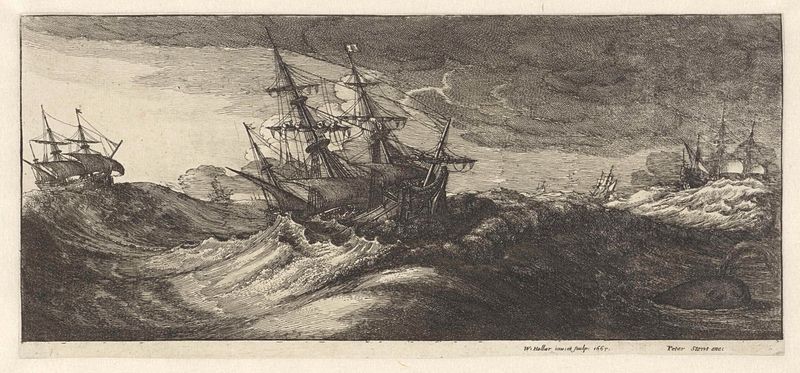
Oorlogsschepen en een walvis in een zeestorm
Wenceslaus Hollar
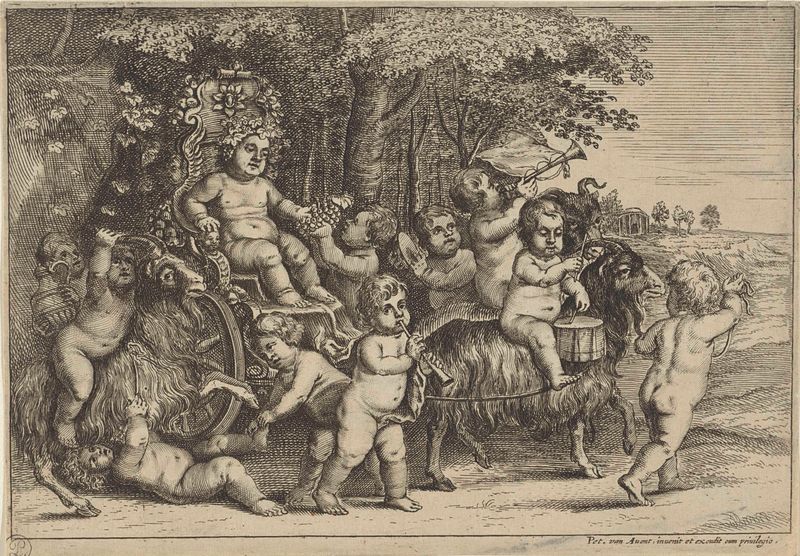
Optocht van bacchant en jongetjes op geiten
Wenceslaus Hollar
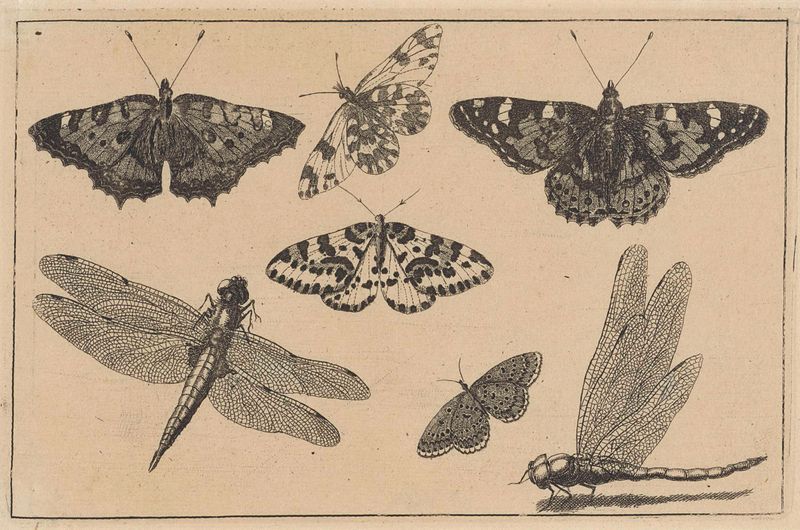
Twee libellen en vijf vlinders
Wenceslaus Hollar
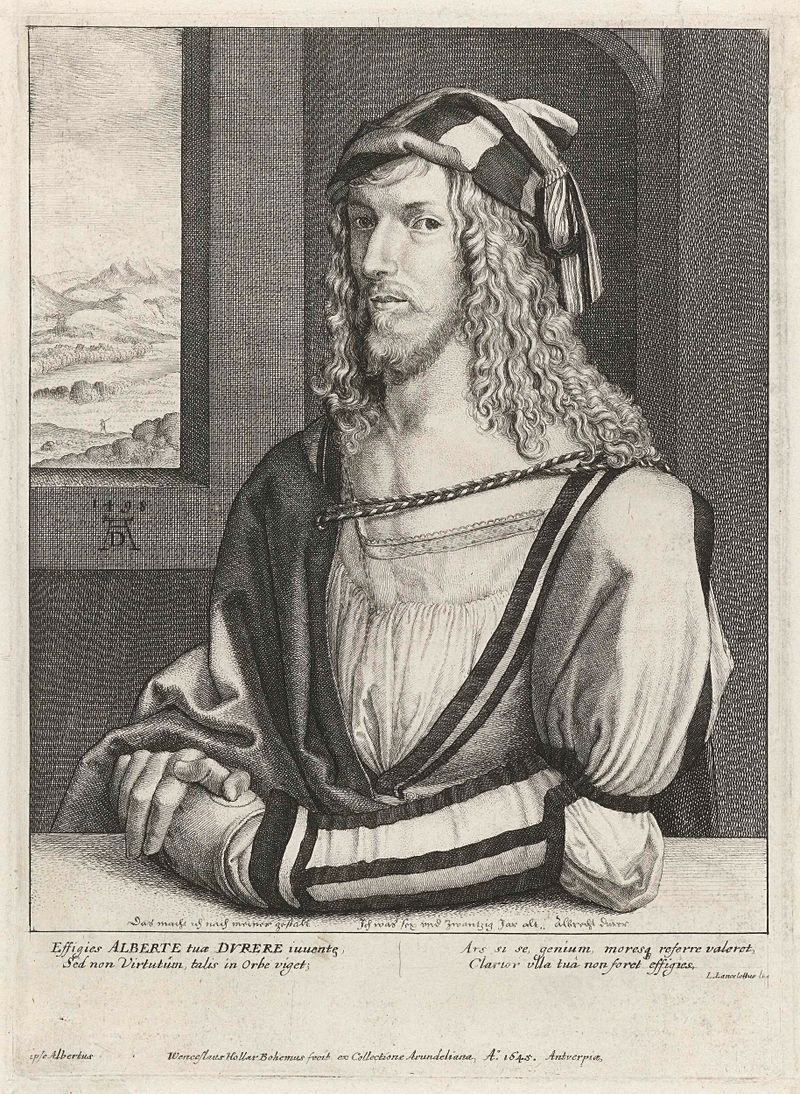
Portret van Albrecht Dürer
Wenceslaus Hollar
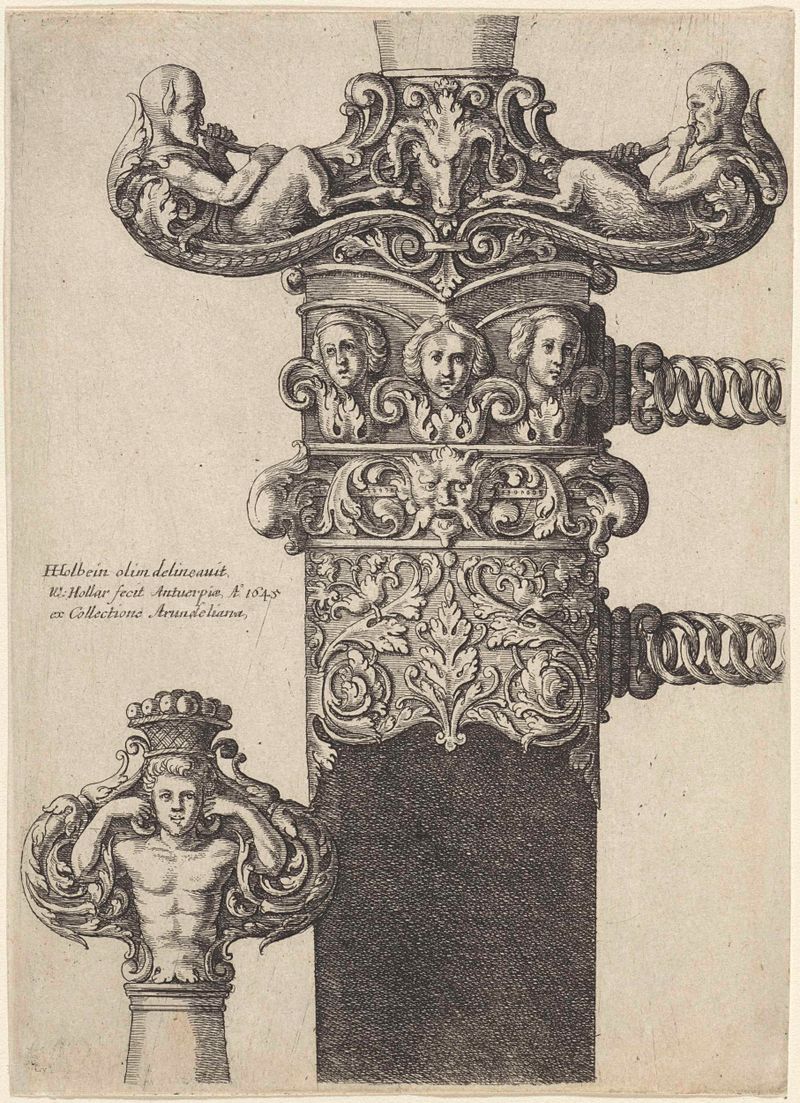
Ornamenteel ontwerp voor een dolk
Wenceslaus Hollar
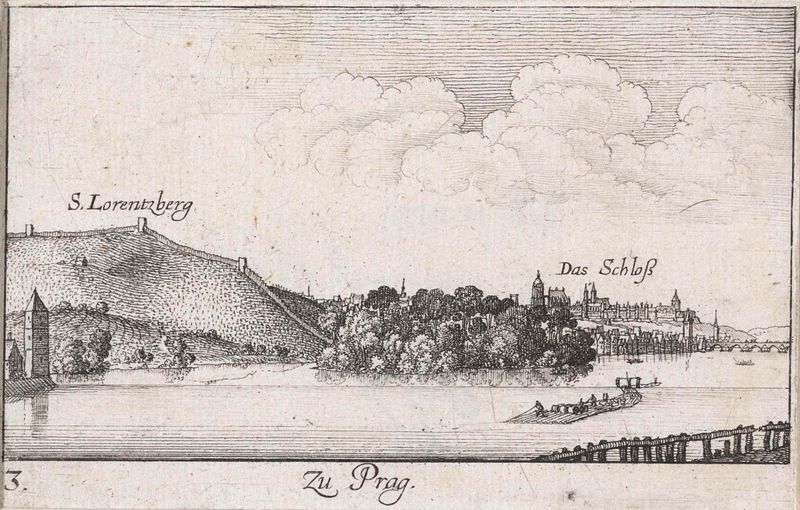
Gezicht op Praag vanaf de Moldau
Wenceslaus Hollar
More Portrait Art
Browse all →
Las meninas
Diego Velázquez

Self-portrait with a Bandaged Ear and Pipe
Unidentified artist

Girl with a Pearl Earring
Johannes Vermeer

The Sampling Officials of the Amsterdam Drapers’ Guild, Known as ‘The Syndics’
Rembrandt van Rijn

The Hundred Guilder Print: the man seen on the back in the lower left corner
Rembrandt van Rijn

Portrait of Dr Gachet
Vincent van Gogh