
Vrouw met houpette — History & Facts
What if beauty was never meant to be finished? In the delicate strokes of a master, we find a moment suspended in time, where movement teeters on the edge of stillness. Look closely at the woman, poised in the center of the composition, as she holds a houpette—a small, decorative powder puff—imbued with a sense of grace. Notice how her silk gown cascades like a gentle waterfall, the fabric catching the light and shimmering in an array of soft hues. The intricate details of her attire draw the eye, leading us beyond mere visual appreciation to a deeper understanding of her character.
The way the light dances upon her skin emphasizes not just her beauty but the transient nature of the moment. The tension lies in the contrast between the fluidity of her movement and the rigid formality of her surroundings. The background, though muted, reveals hints of an opulence that mirrors her own elegance—a reflection of societal expectations wrapped in the guise of beauty. Yet, her gaze is contemplative, suggesting a deeper narrative that questions the very essence of femininity and allure.
In this painting, the potential for motion—a captured breath, a fleeting thought—invites viewers to consider what lies beyond the surface. During the years this work was created, the artist found himself navigating the turbulent landscapes of 17th-century Europe, a time marked by social upheaval and artistic innovation. Hollar, originally from Prague, settled in England where he became a prominent engraver. This period of his life was characterized by a blend of influences, as he embraced the intricacies of portraiture and still life, attempting to capture the evolving notions of beauty amidst a backdrop of change.
More Artworks by Wenceslaus Hollar
Browse all →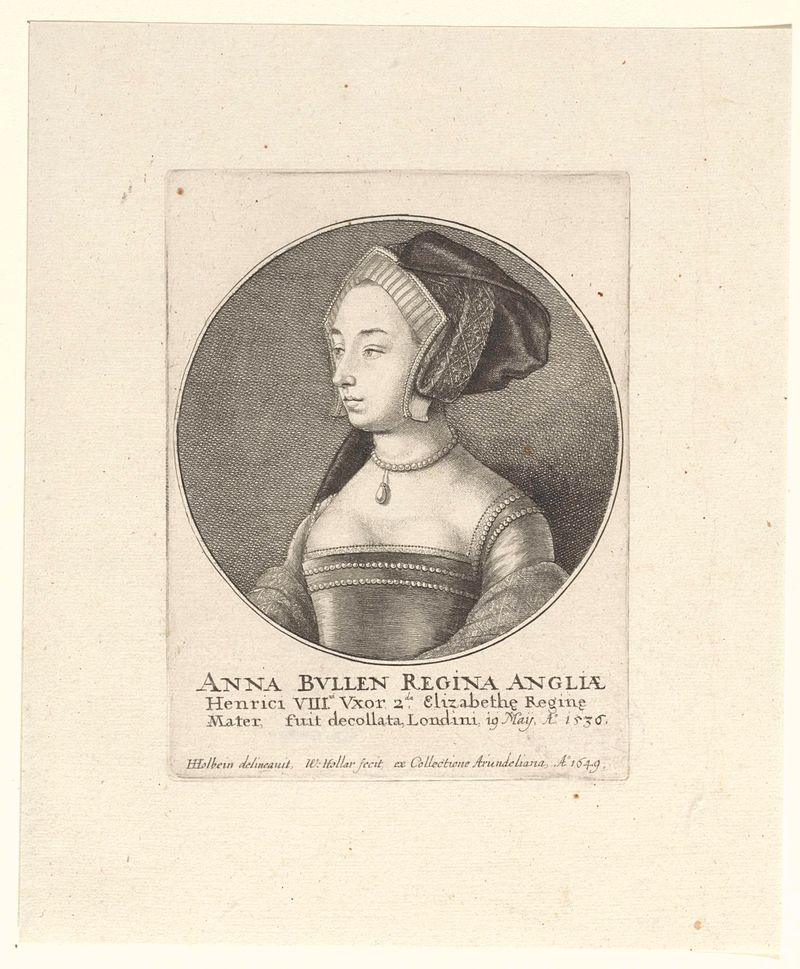
Portret van Anna Boleyn, koningin van Engeland
Wenceslaus Hollar
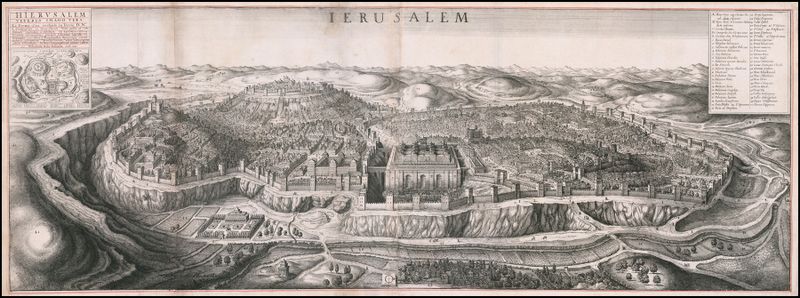
Bird’s eye view of Jerusalem
Wenceslaus Hollar
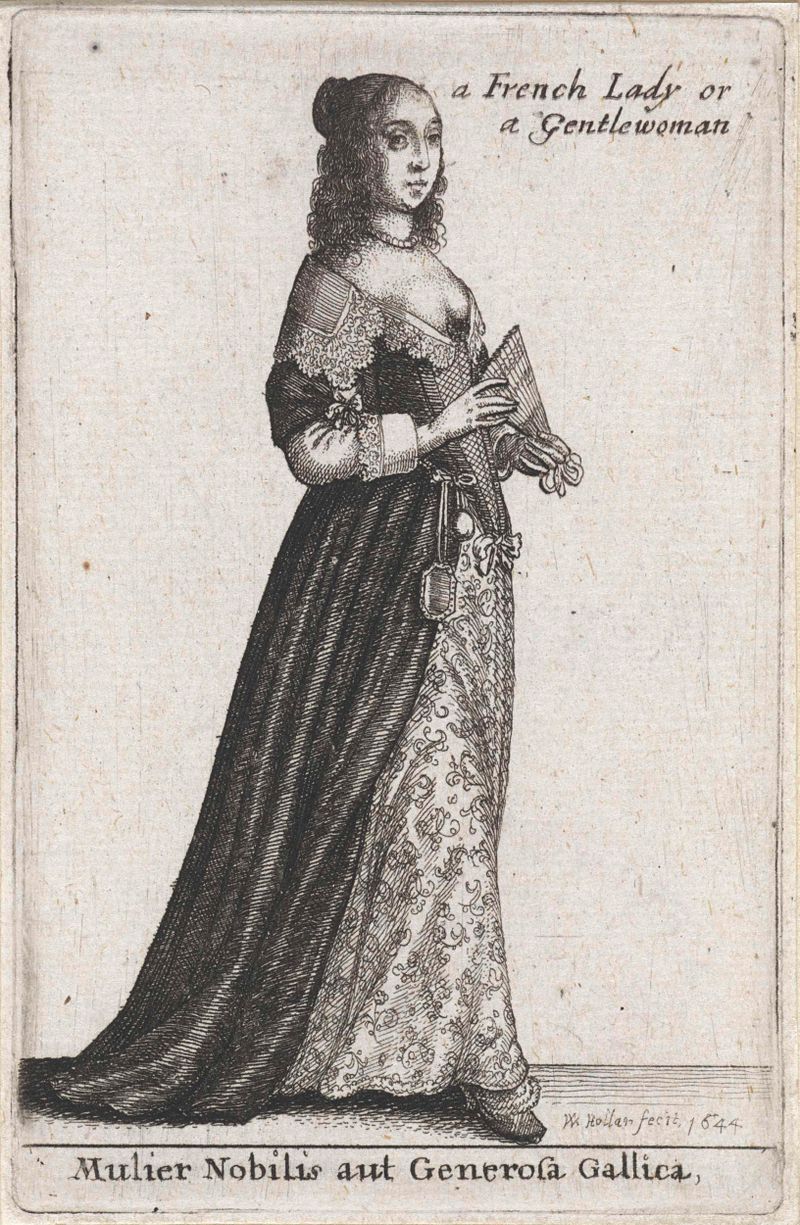
Mulier Nobilis aut Generosa Gallica / a French Lady or Gentlewoman
Wenceslaus Hollar
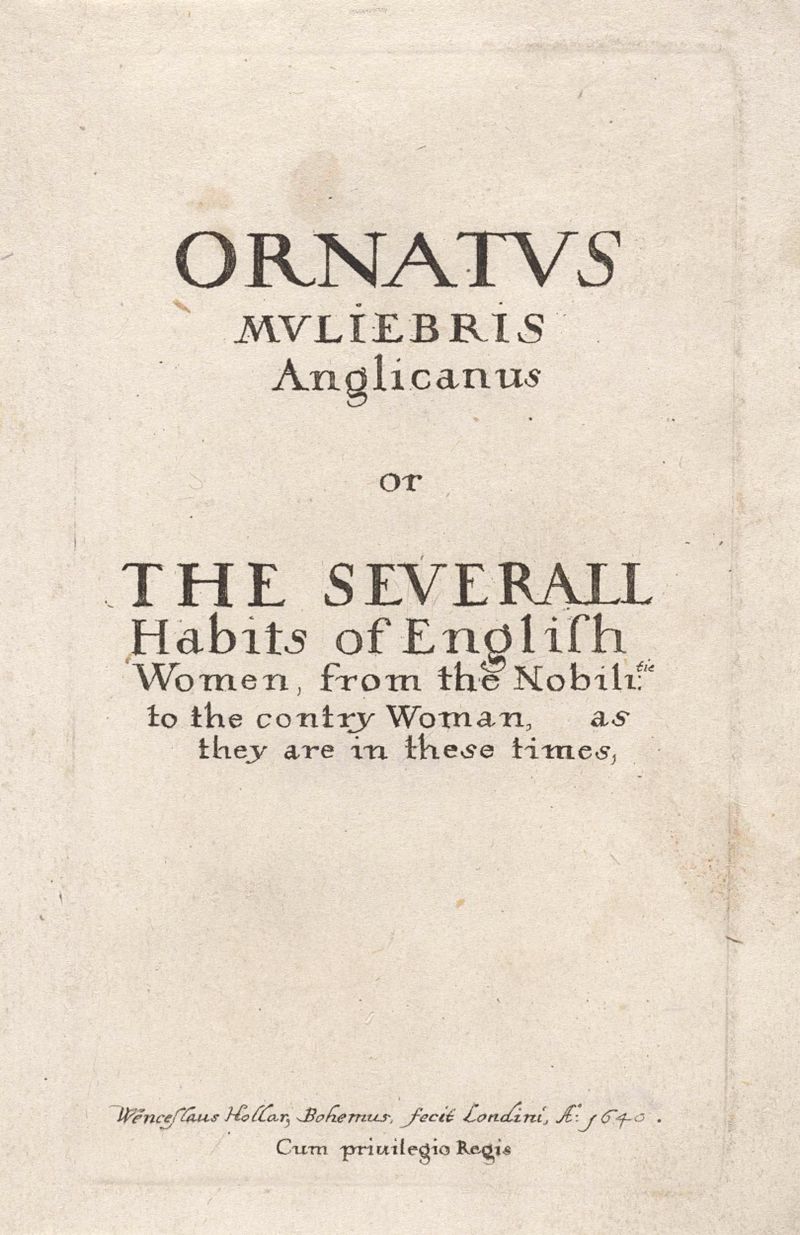
Titelprent voor: Ornatus Muliebris Anglicanus
Wenceslaus Hollar
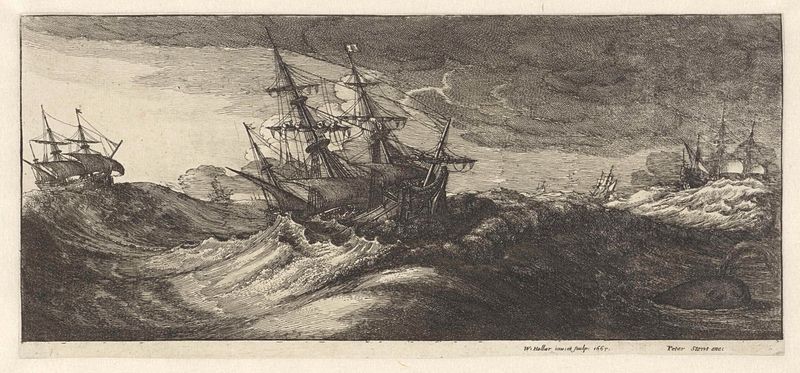
Oorlogsschepen en een walvis in een zeestorm
Wenceslaus Hollar
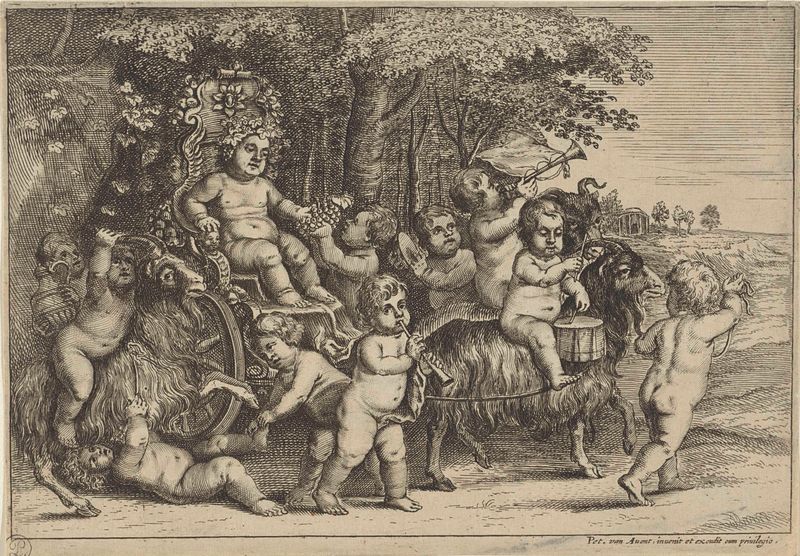
Optocht van bacchant en jongetjes op geiten
Wenceslaus Hollar
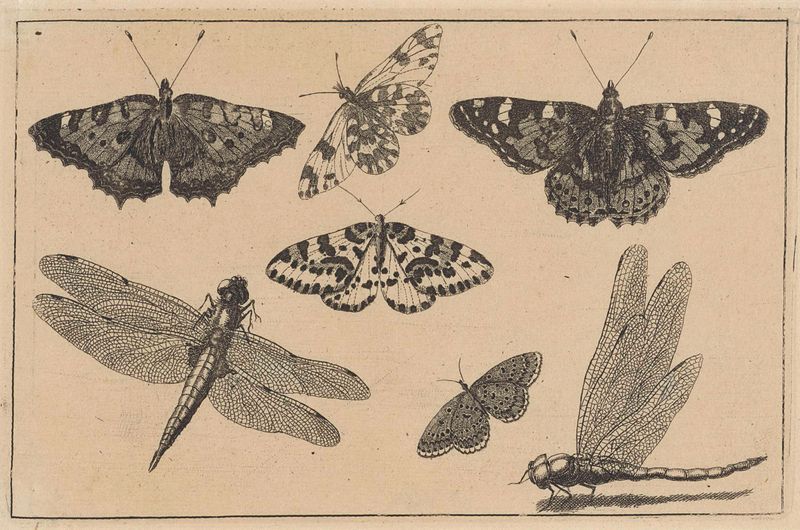
Twee libellen en vijf vlinders
Wenceslaus Hollar
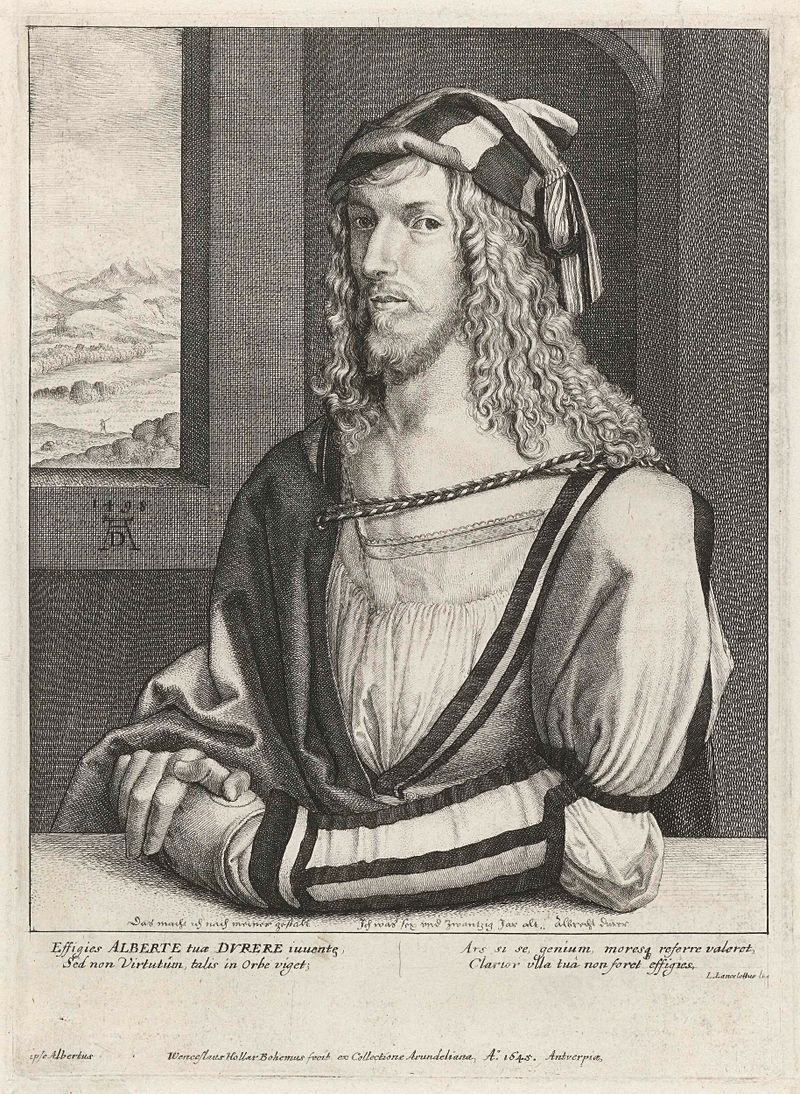
Portret van Albrecht Dürer
Wenceslaus Hollar
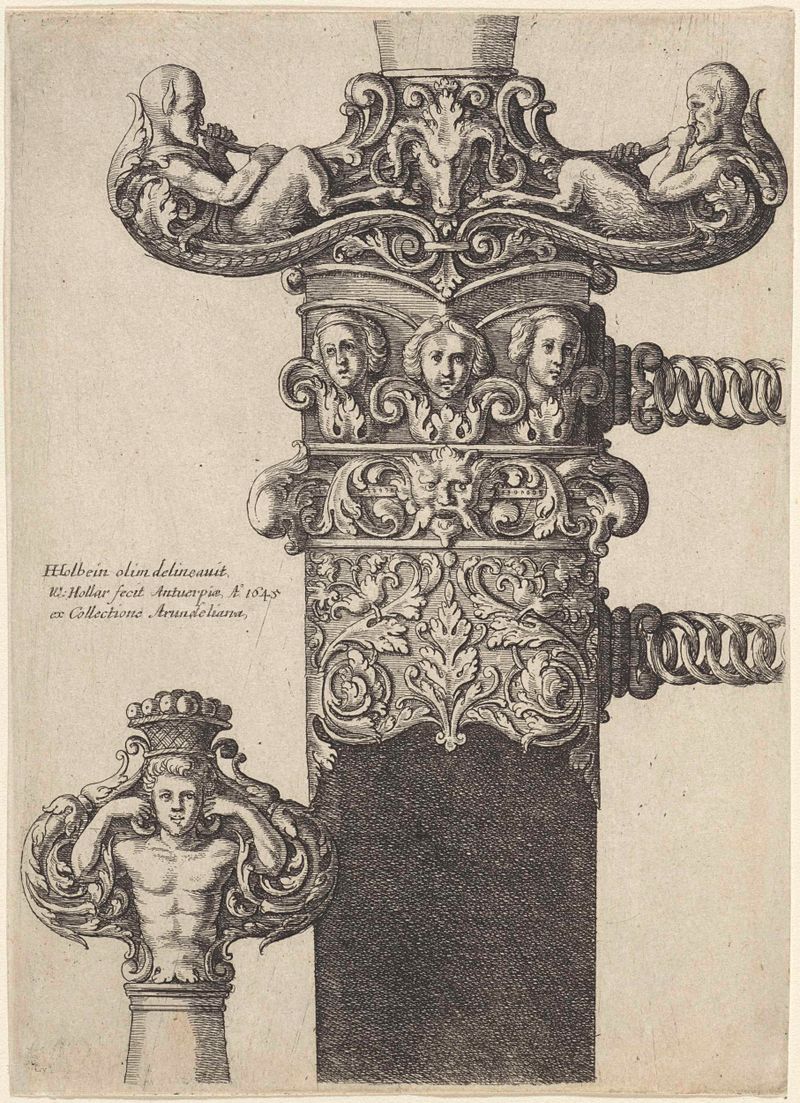
Ornamenteel ontwerp voor een dolk
Wenceslaus Hollar
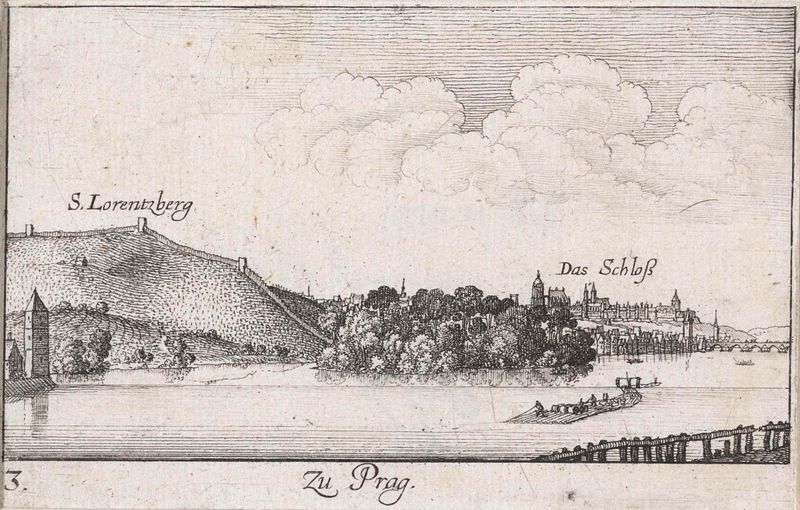
Gezicht op Praag vanaf de Moldau
Wenceslaus Hollar
More Portrait Art
Browse all →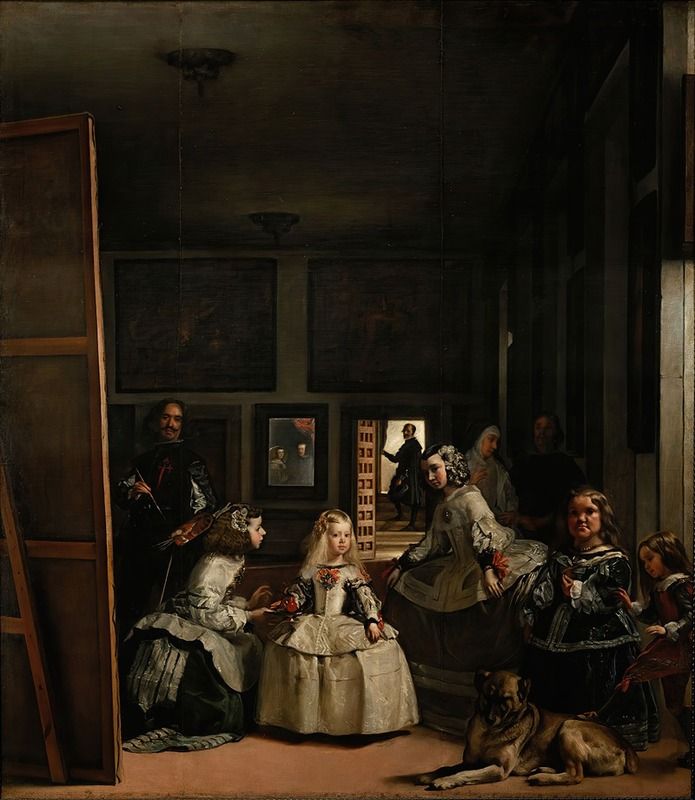
Las meninas
Diego Velázquez
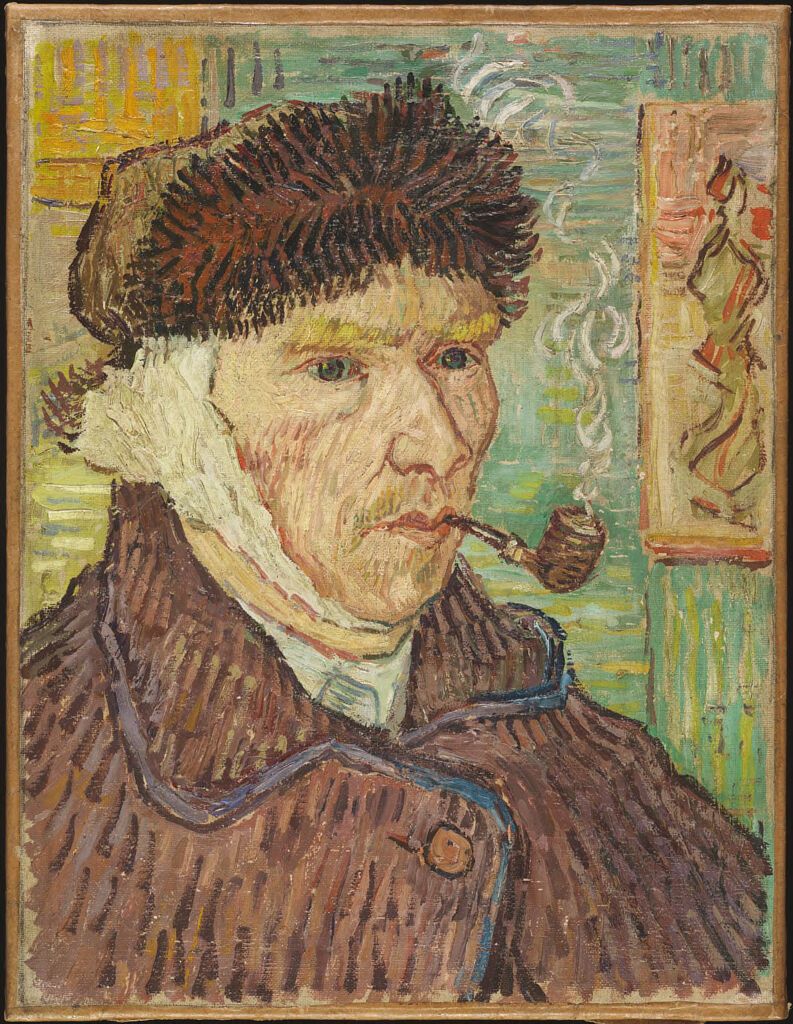
Self-portrait with a Bandaged Ear and Pipe
Unidentified artist
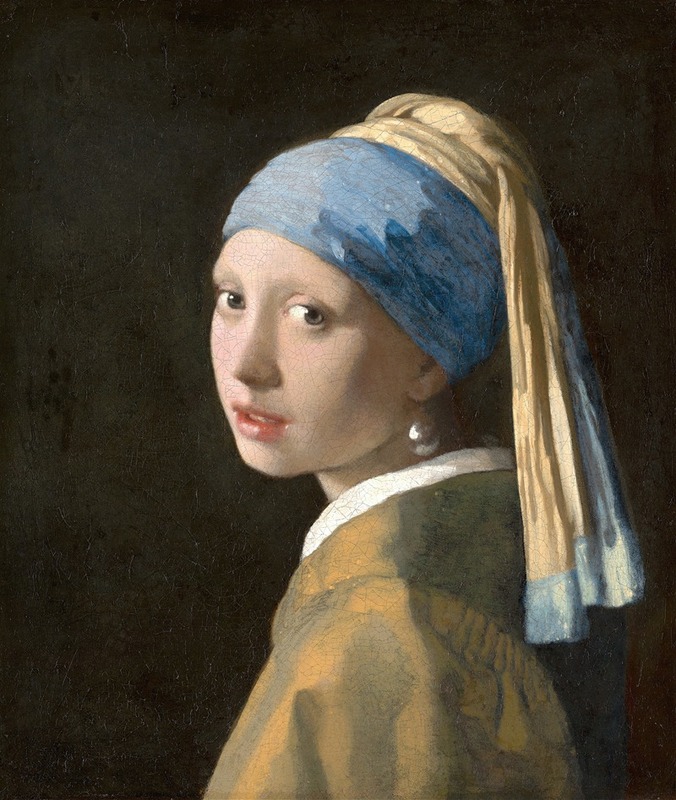
Girl with a Pearl Earring
Johannes Vermeer

The Sampling Officials of the Amsterdam Drapers’ Guild, Known as ‘The Syndics’
Rembrandt van Rijn

The Hundred Guilder Print: the man seen on the back in the lower left corner
Rembrandt van Rijn

Portrait of Dr Gachet
Vincent van Gogh