
Vrouw met kanten hoofdkapje en bijpassende kraag — History & Facts
Who listens when art speaks of silence? In the delicate lines and muted tones of Vrouw met kanten hoofdkapje en bijpassende kraag, a voice of nostalgia whispers from centuries past. Look to the left at the gentle curve of the woman's neck, framed by a lace cap that seems to float, ethereal yet profoundly intimate. Notice how the soft shadows caress her profile, giving depth to her expression, which teeters on the edge of contemplation and vulnerability. The careful interplay of light and dark, masterfully rendered with etching techniques, draws you into the intricate details of her attire, where lace and fabric meld seamlessly, capturing a moment of sheer grace. Beyond the technical mastery lies an emotional landscape rich in contrast.
The lace speaks of elegance, yet it also evokes the constraints of societal expectations for women during the 17th century. The soft gaze of the figure reveals a profound stillness, suggesting an inner world filled with longing or perhaps unfulfilled dreams. Each thread of lace tells a story of beauty and fragility, echoing the complexity of femininity and identity at the time. Wenceslaus Hollar created this piece in 1647 while living in London, having fled the Thirty Years' War in his native Bohemia.
This period was marked by Hollar’s transition as he began to establish himself in the world of printmaking, leaning into the exquisite detail that would become his hallmark. Amidst a backdrop of artistic flourishing, he captured not just the likeness of his subjects but also a poignant connection to the past, preserving a moment that continues to resonate.
More Artworks by Wenceslaus Hollar
Browse all →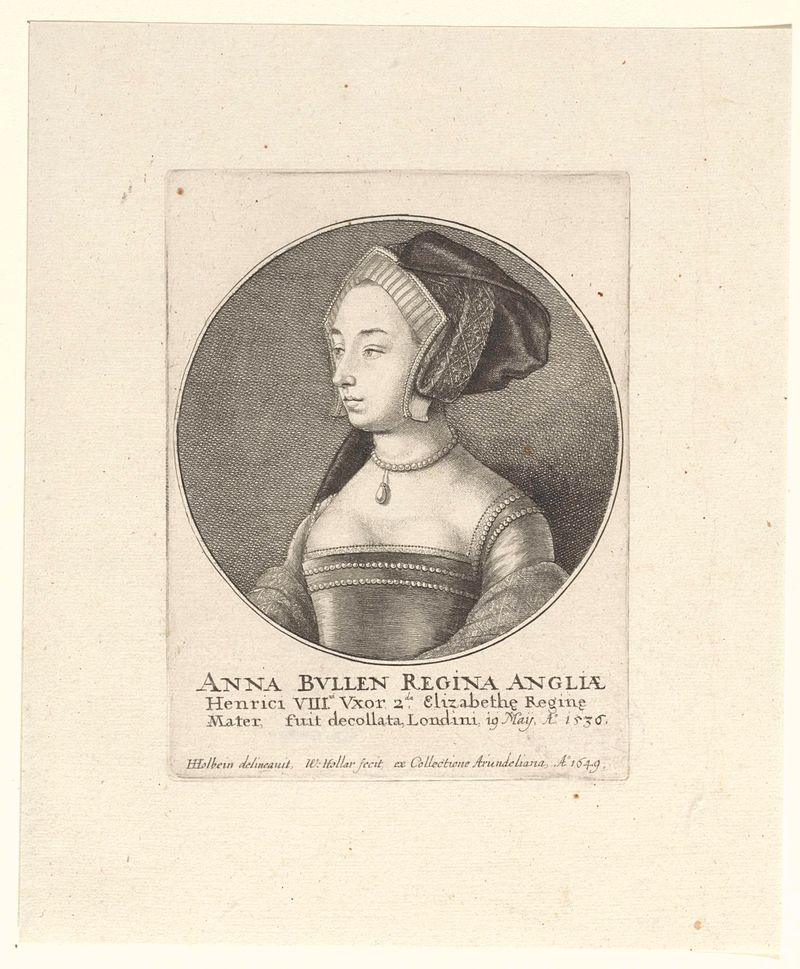
Portret van Anna Boleyn, koningin van Engeland
Wenceslaus Hollar
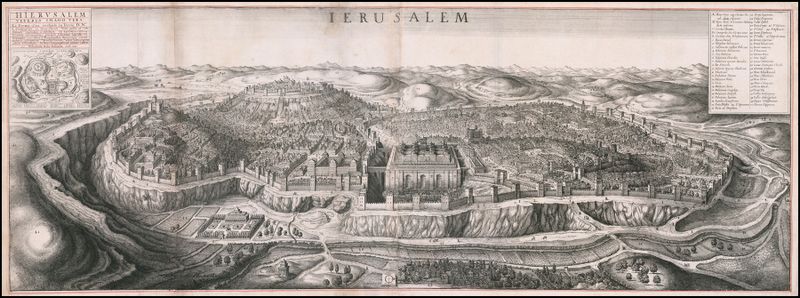
Bird’s eye view of Jerusalem
Wenceslaus Hollar
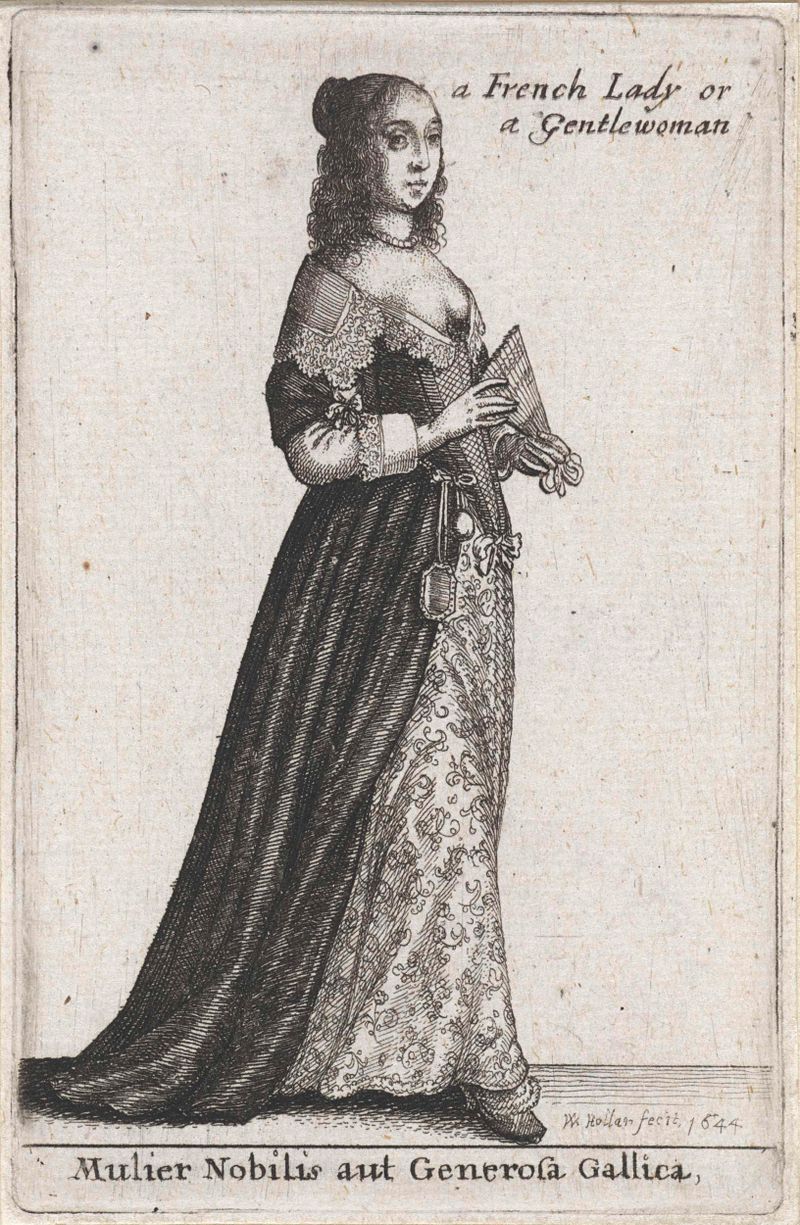
Mulier Nobilis aut Generosa Gallica / a French Lady or Gentlewoman
Wenceslaus Hollar
Titelprent voor: Ornatus Muliebris Anglicanus
Wenceslaus Hollar
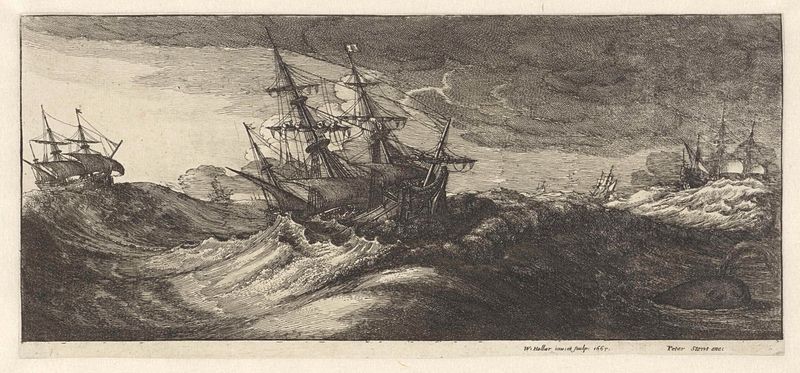
Oorlogsschepen en een walvis in een zeestorm
Wenceslaus Hollar
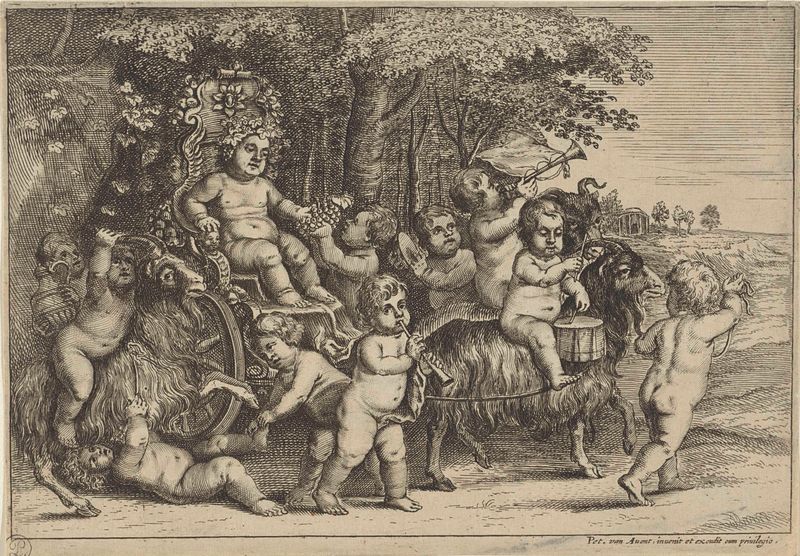
Optocht van bacchant en jongetjes op geiten
Wenceslaus Hollar
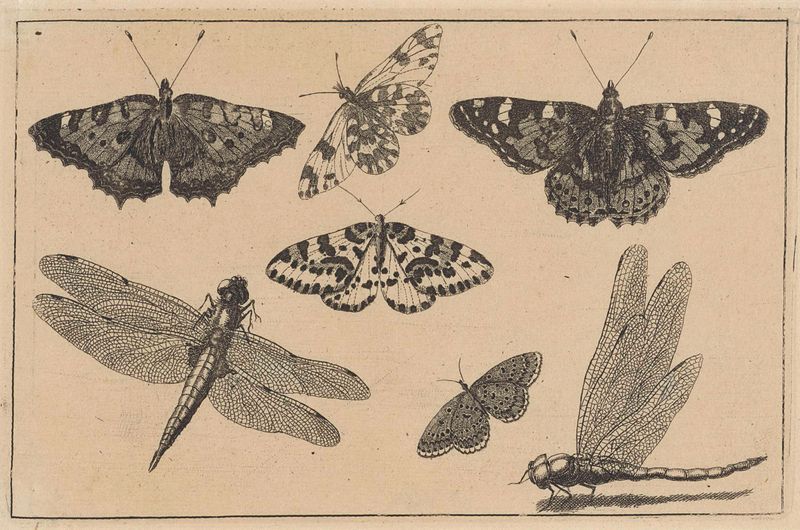
Twee libellen en vijf vlinders
Wenceslaus Hollar
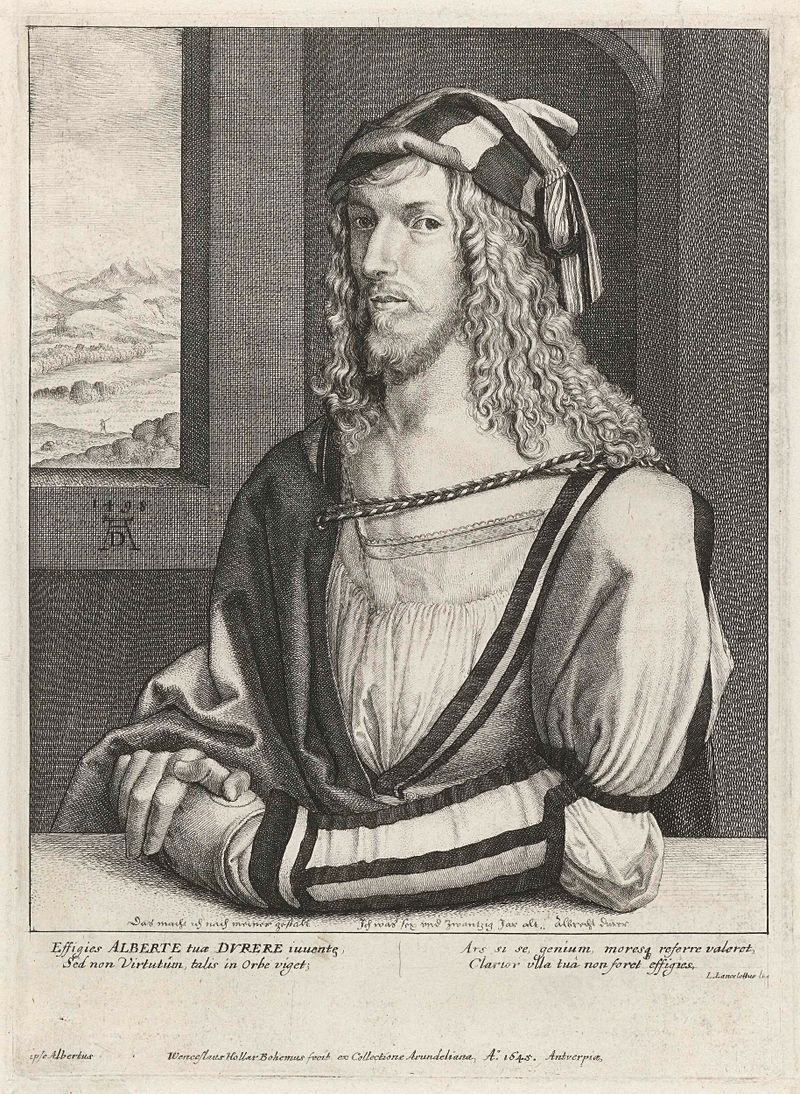
Portret van Albrecht Dürer
Wenceslaus Hollar
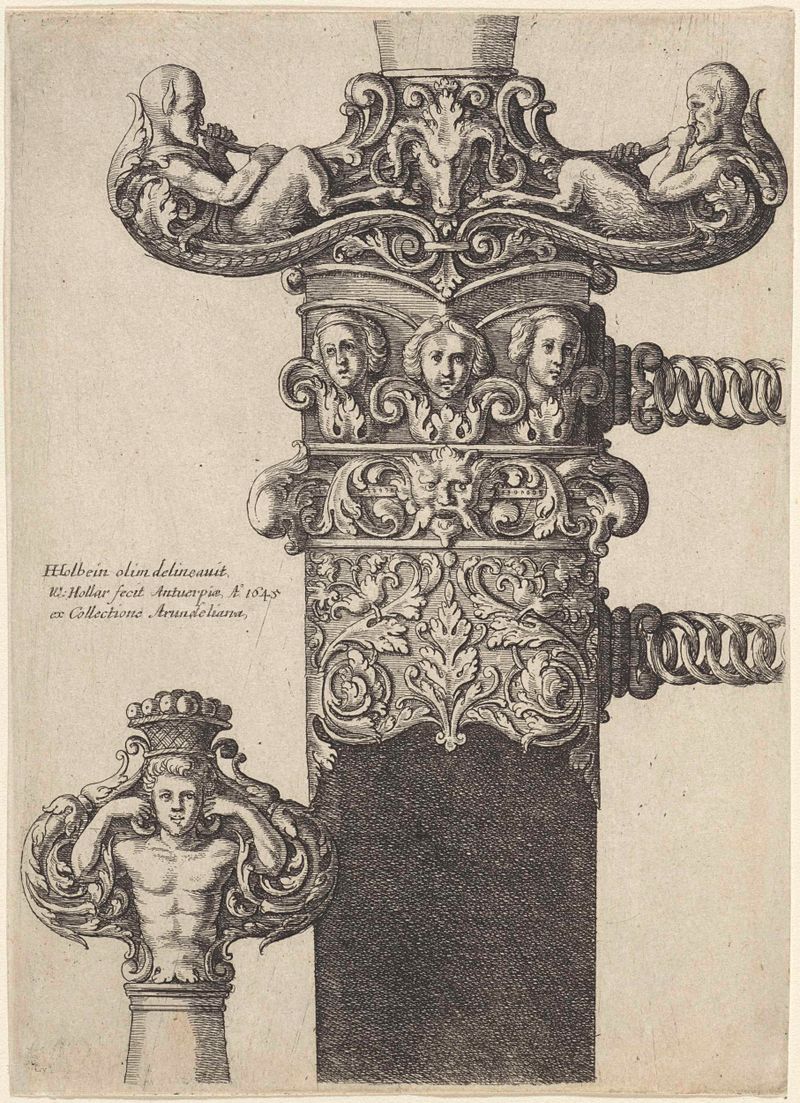
Ornamenteel ontwerp voor een dolk
Wenceslaus Hollar
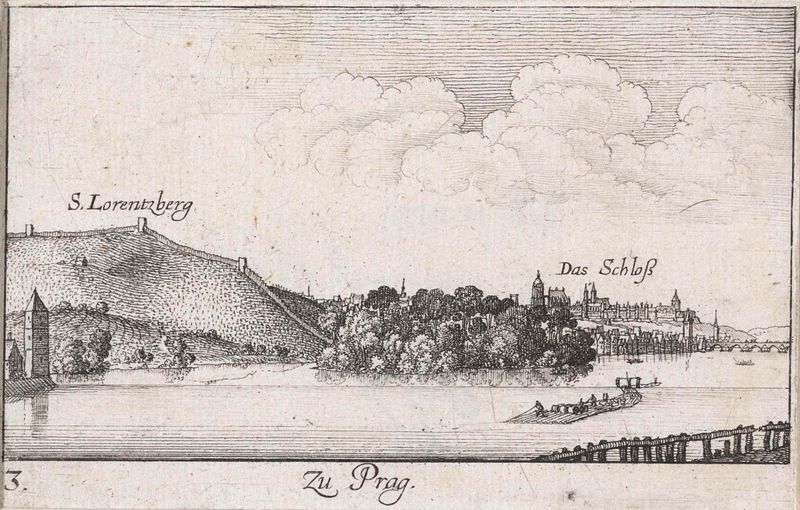
Gezicht op Praag vanaf de Moldau
Wenceslaus Hollar
More Portrait Art
Browse all →
Las meninas
Diego Velázquez

Self-portrait with a Bandaged Ear and Pipe
Unidentified artist

Girl with a Pearl Earring
Johannes Vermeer

The Sampling Officials of the Amsterdam Drapers’ Guild, Known as ‘The Syndics’
Rembrandt van Rijn

The Hundred Guilder Print: the man seen on the back in the lower left corner
Rembrandt van Rijn

Portrait of Dr Gachet
Vincent van Gogh