
Vrouw met kanten hoofdkapje en bijpassende kraag, naar links — History & Facts
Can paint confess what words never could? In Vrouw met kanten hoofdkapje en bijpassende kraag, naar links, the weight of destiny rests upon the delicate shoulders of its subject, captured in a moment that transcends time. Look to the left at the intricately detailed lace cap, a striking focal point that draws you in with its soft, ethereal texture. Notice how the light caresses the contours of her face, accentuating the gracefulness of her features while casting a gentle shadow that hints at her inner world. The muted palette of earth tones and pale whites creates a serene atmosphere, grounding the viewer in the simplicity of her attire yet inviting contemplation of her existence. Beneath the poised exterior lies an array of emotional complexities.
The lace, with its delicate intricacy, symbolizes the fragility of womanhood, while her direct gaze offers an unwavering strength, challenging the viewer to confront societal expectations. The contrast between her softness and the sharpness of her collar suggests a tension between vulnerability and assertion, embodying the diverse destinies that women navigate in their lives. Wenceslaus Hollar painted this work in 1647 while residing in London, amidst the political turbulence of the English Civil War. A notable figure in the world of printmaking and drawing, Hollar's career flourished in a moment of artistic exploration and innovation, reflecting an era where portraiture began to intertwine personal narrative with visual representation.
This work stands as a testament not only to his skill but to the enduring significance of the individual story within the greater tapestry of history.
More Artworks by Wenceslaus Hollar
Browse all →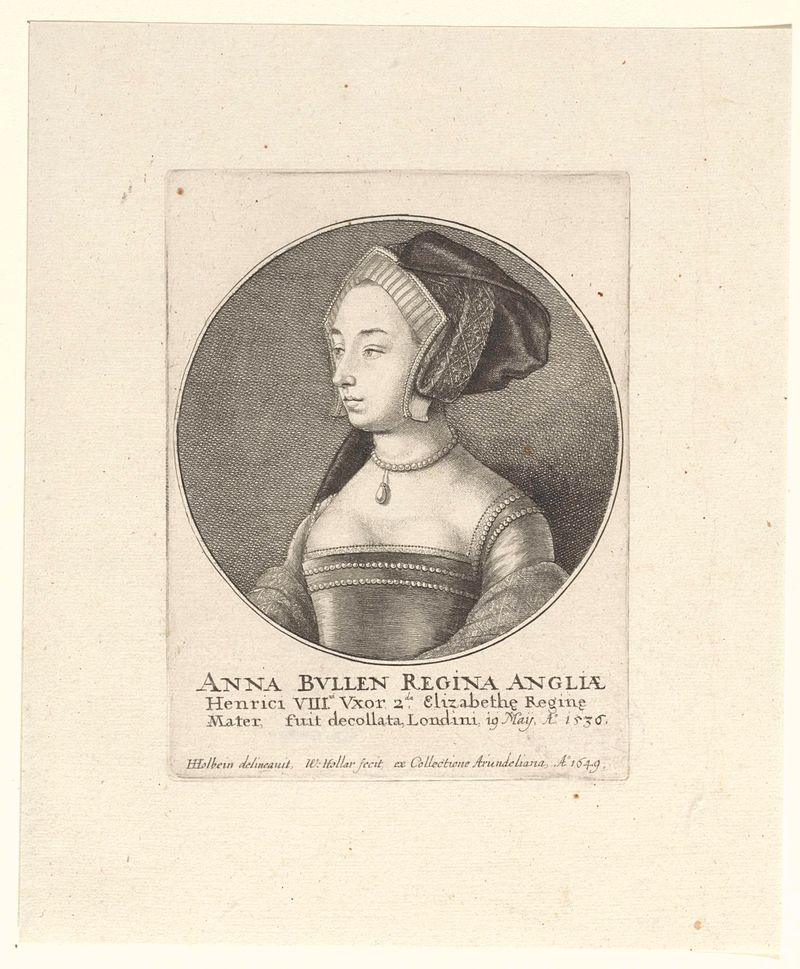
Portret van Anna Boleyn, koningin van Engeland
Wenceslaus Hollar
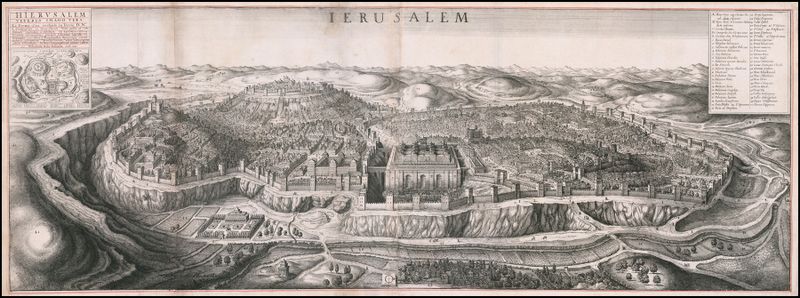
Bird’s eye view of Jerusalem
Wenceslaus Hollar
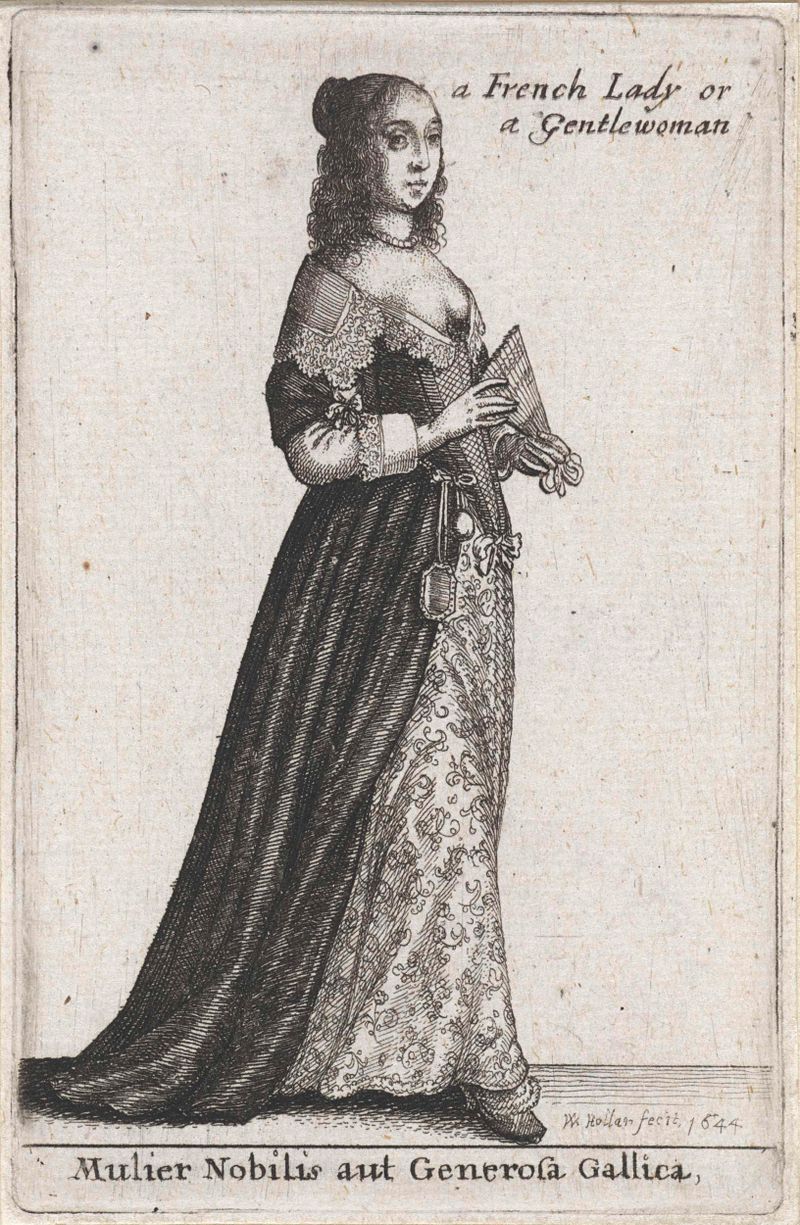
Mulier Nobilis aut Generosa Gallica / a French Lady or Gentlewoman
Wenceslaus Hollar
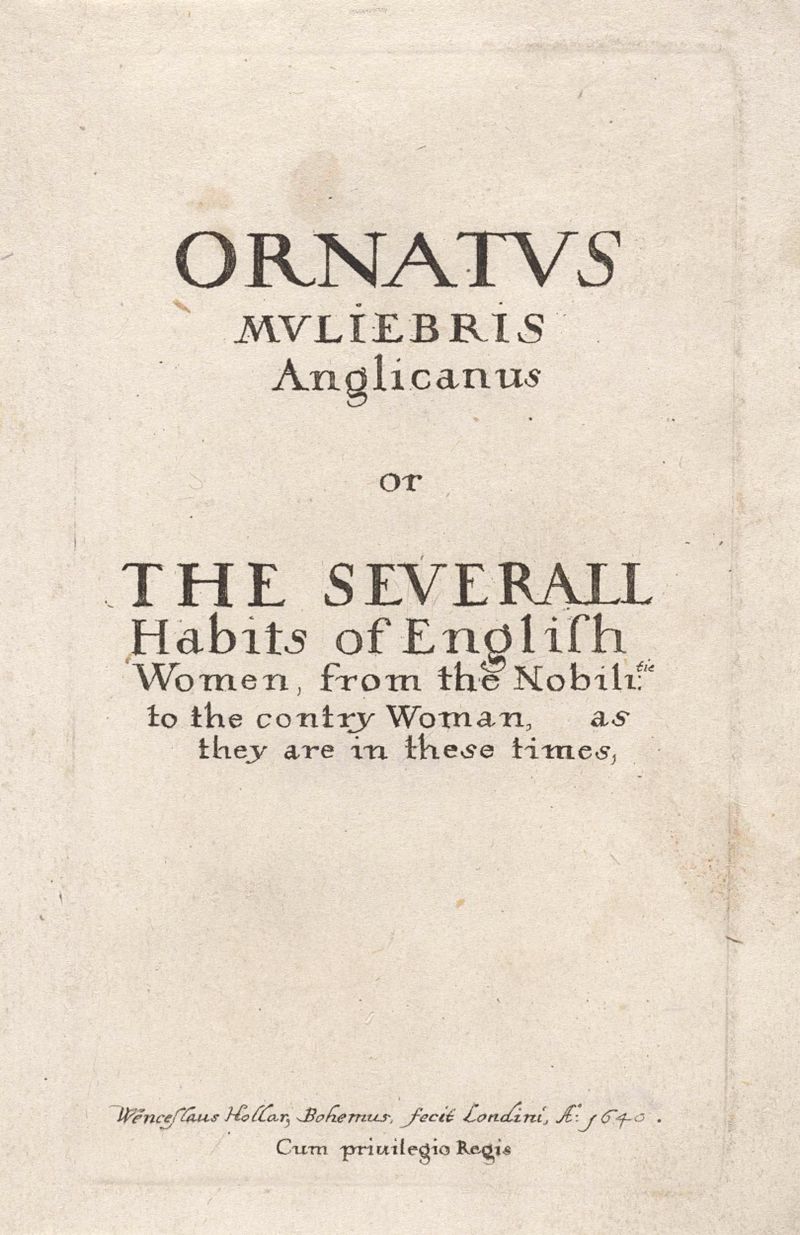
Titelprent voor: Ornatus Muliebris Anglicanus
Wenceslaus Hollar
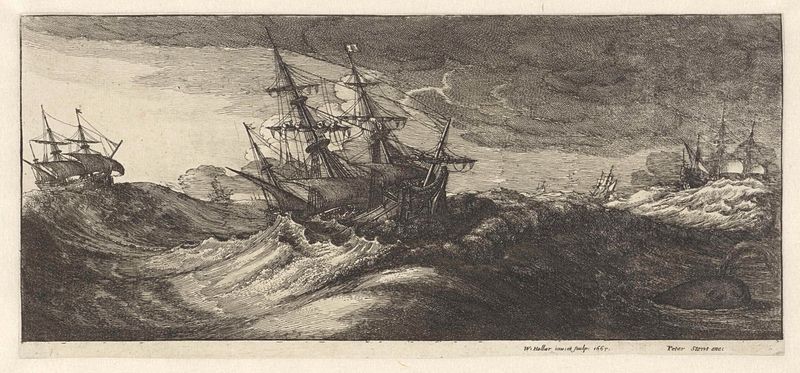
Oorlogsschepen en een walvis in een zeestorm
Wenceslaus Hollar
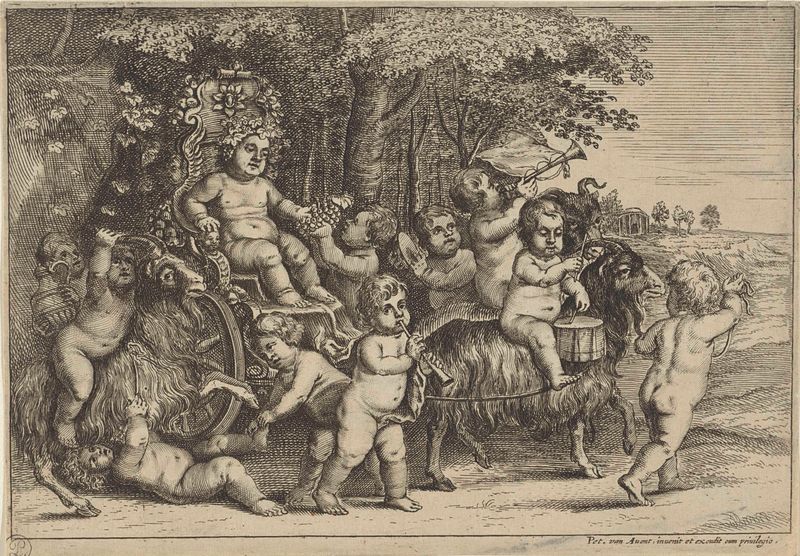
Optocht van bacchant en jongetjes op geiten
Wenceslaus Hollar
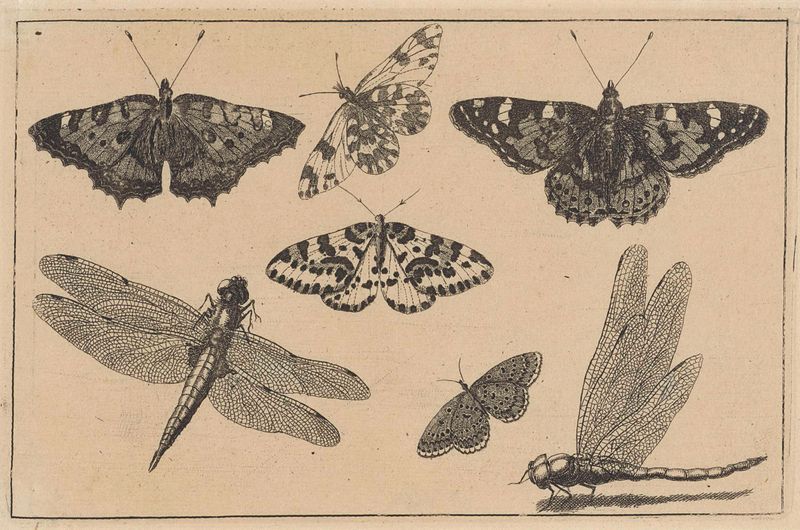
Twee libellen en vijf vlinders
Wenceslaus Hollar
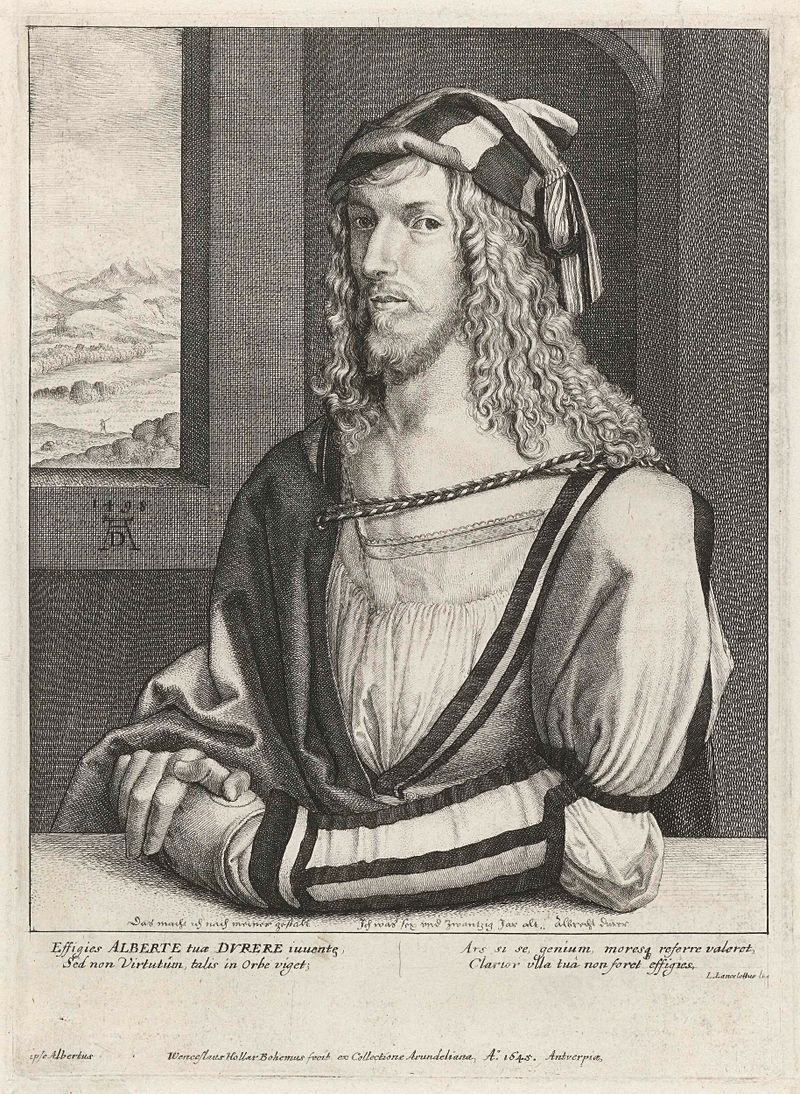
Portret van Albrecht Dürer
Wenceslaus Hollar
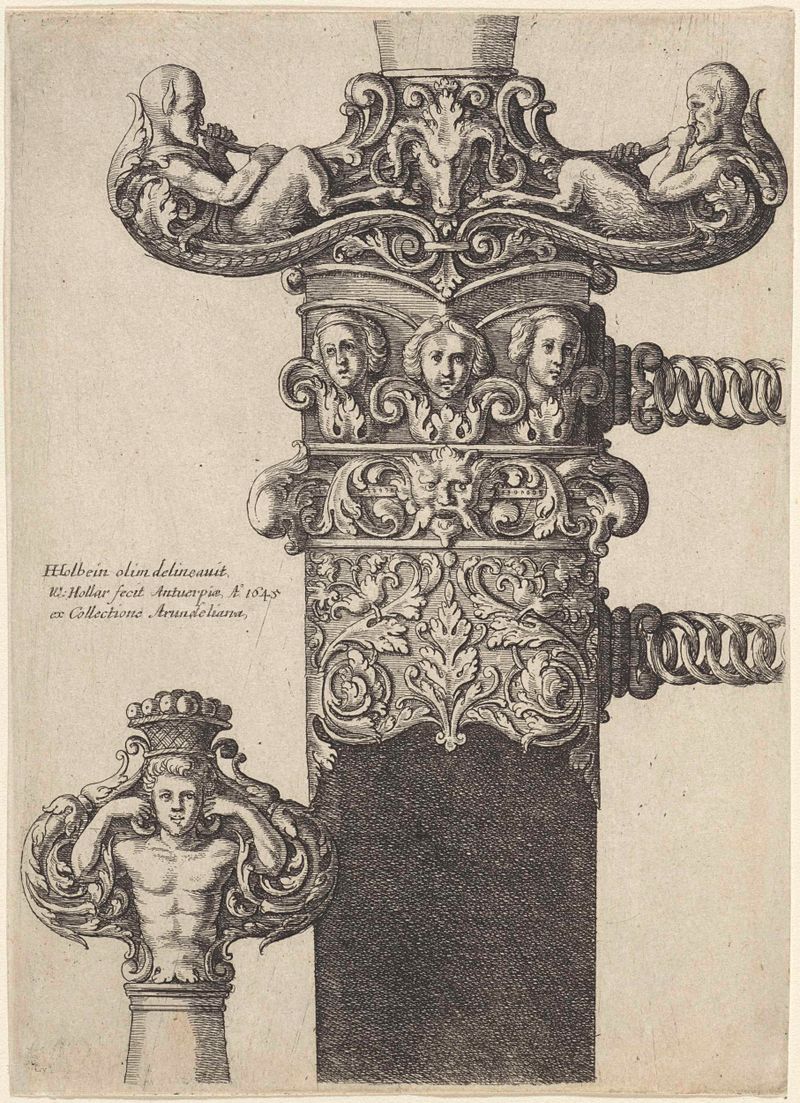
Ornamenteel ontwerp voor een dolk
Wenceslaus Hollar
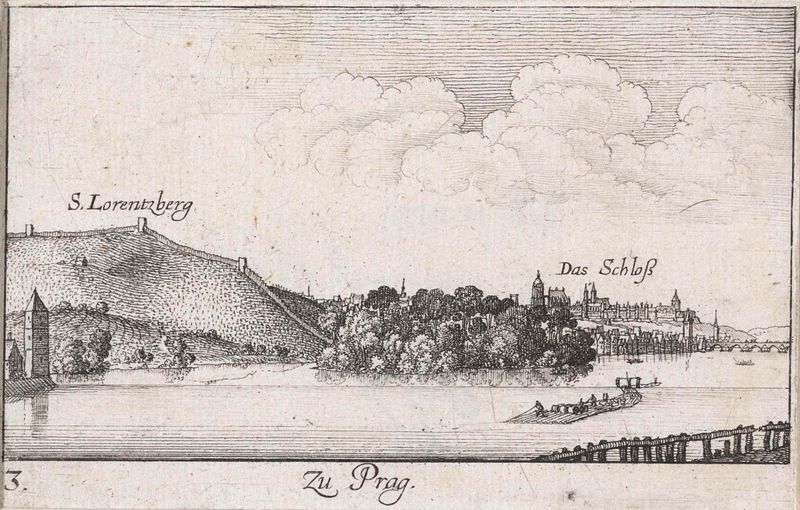
Gezicht op Praag vanaf de Moldau
Wenceslaus Hollar
More Portrait Art
Browse all →
Las meninas
Diego Velázquez

Self-portrait with a Bandaged Ear and Pipe
Unidentified artist

Girl with a Pearl Earring
Johannes Vermeer

The Sampling Officials of the Amsterdam Drapers’ Guild, Known as ‘The Syndics’
Rembrandt van Rijn

The Hundred Guilder Print: the man seen on the back in the lower left corner
Rembrandt van Rijn

Portrait of Dr Gachet
Vincent van Gogh