
Vrouw met kanten hoofdkapje en vierkante kraag — History & Facts
Is this a mirror — or a memory? The delicate interplay of light and shadow in this portrait evokes a sense of nostalgia, drawing the viewer into a world where time stands still, yet teeters on the edge of oblivion. Look to the left at the intricate lace of the woman’s cap, each fine thread meticulously rendered, casting soft shadows that suggest the weight of her presence. Focus on her gaze, a blend of stoicism and vulnerability, anchored by the sharp lines of her collar. The muted palette enhances the ethereal quality of the scene, allowing light to play across her face, illuminating the contours that tell untold stories of the past. The contrasts in this piece are striking; the fragility of her lace against the firmness of her expression suggests an inner conflict between societal expectation and personal identity.
The shadows surrounding her serve not only as a backdrop but also as an invitation to delve deeper into her psyche. Each fold of fabric captures light and dark, illustrating the duality of existence – the visible and the hidden, the seen and the felt. Wenceslaus Hollar created this work in 1645 while residing in London, a time marked by political upheaval and shifting artistic influences. Emerging from a tumultuous period in his life, Hollar was transitioning from a talented etcher to a revered portraitist, grappling with the expectations of his burgeoning career.
The artist's meticulous attention to detail and innovative use of light reflect both his personal journey and the evolving landscape of 17th-century art.
More Artworks by Wenceslaus Hollar
Browse all →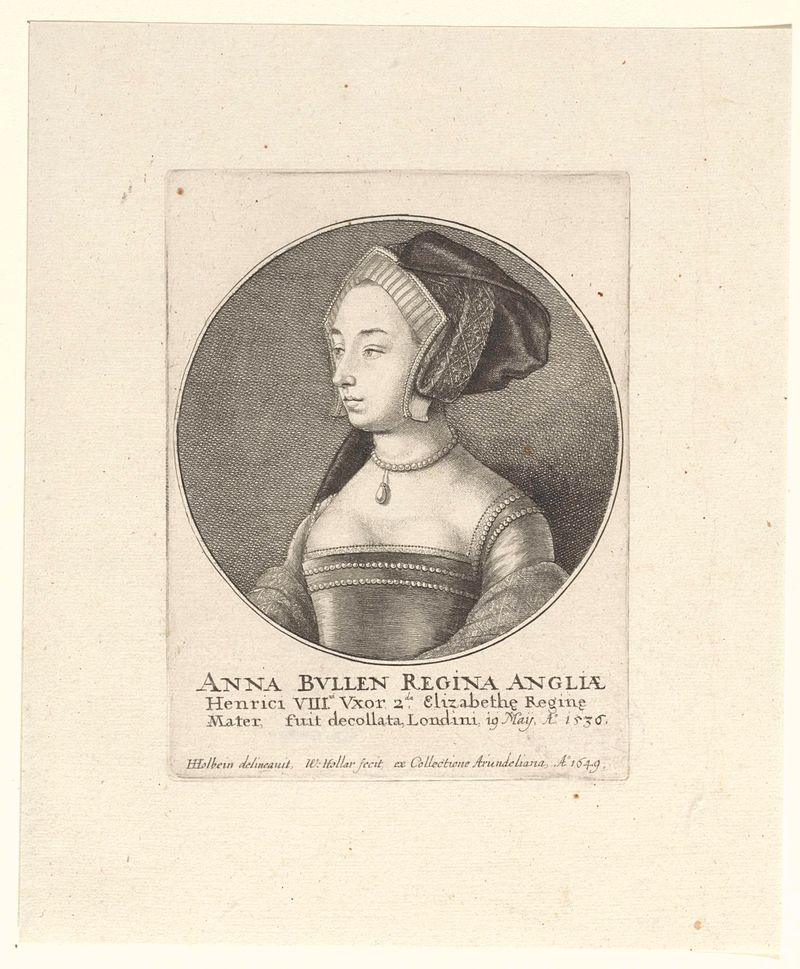
Portret van Anna Boleyn, koningin van Engeland
Wenceslaus Hollar
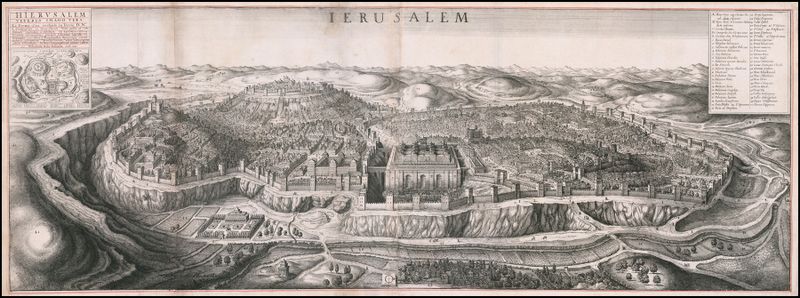
Bird’s eye view of Jerusalem
Wenceslaus Hollar
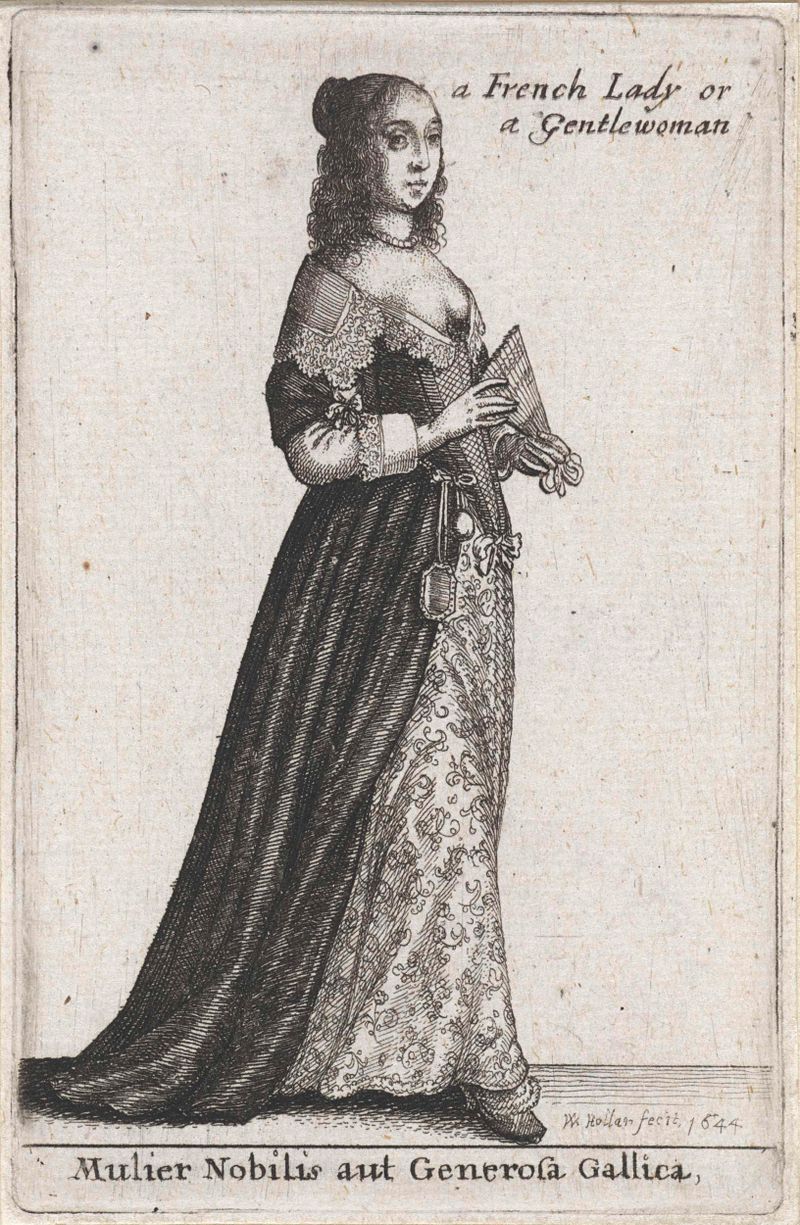
Mulier Nobilis aut Generosa Gallica / a French Lady or Gentlewoman
Wenceslaus Hollar
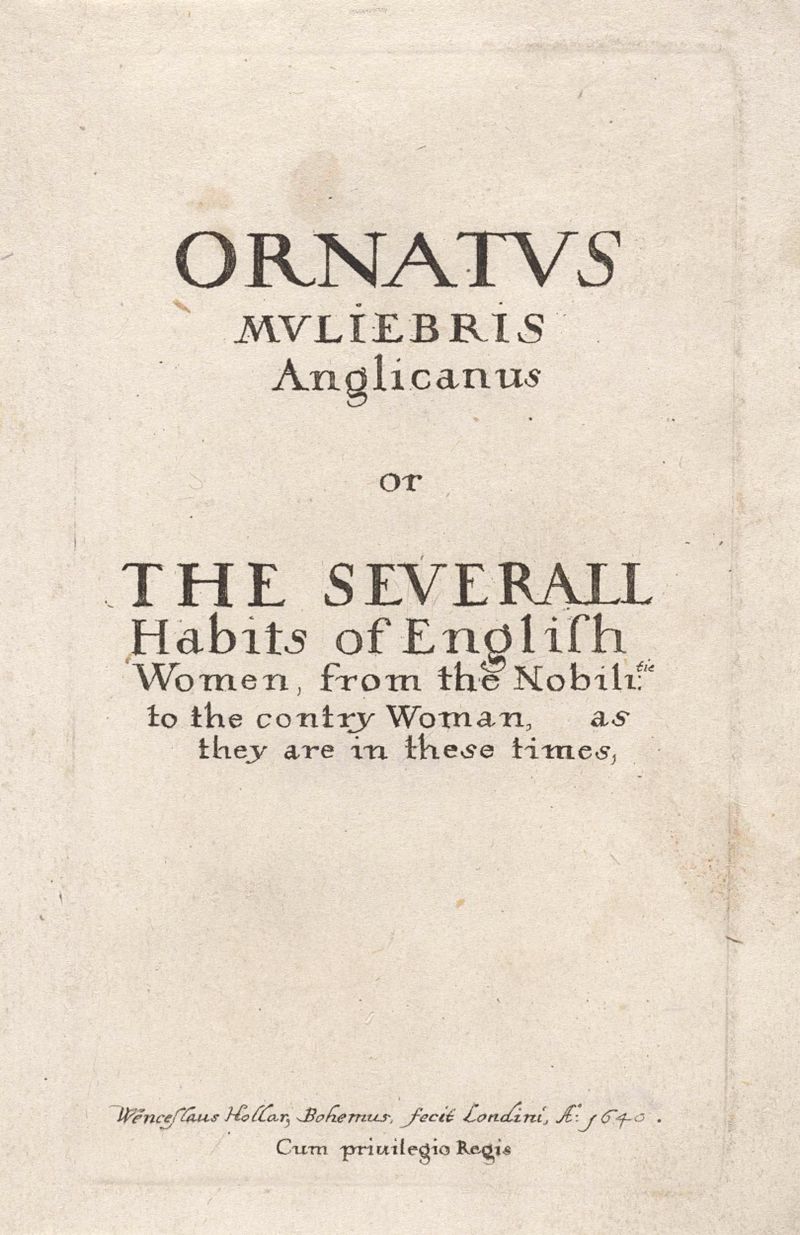
Titelprent voor: Ornatus Muliebris Anglicanus
Wenceslaus Hollar
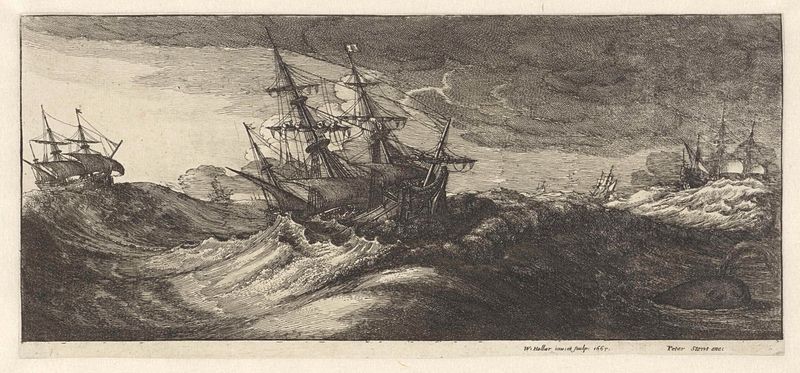
Oorlogsschepen en een walvis in een zeestorm
Wenceslaus Hollar
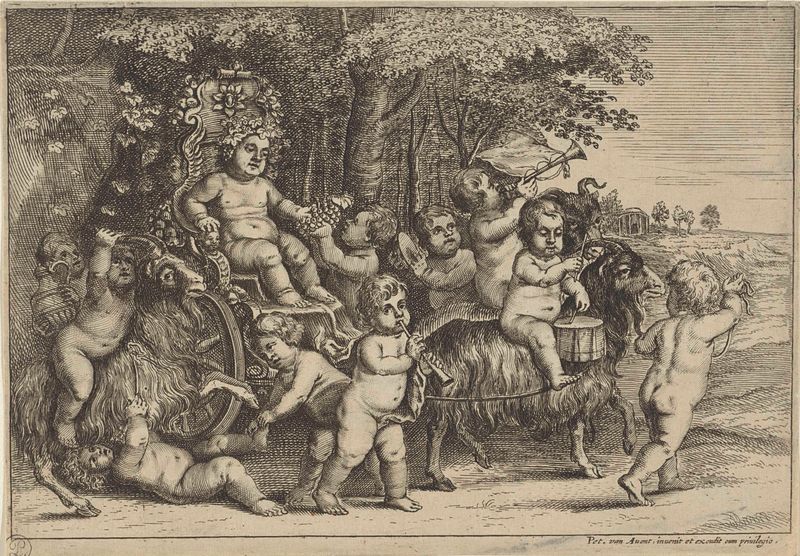
Optocht van bacchant en jongetjes op geiten
Wenceslaus Hollar
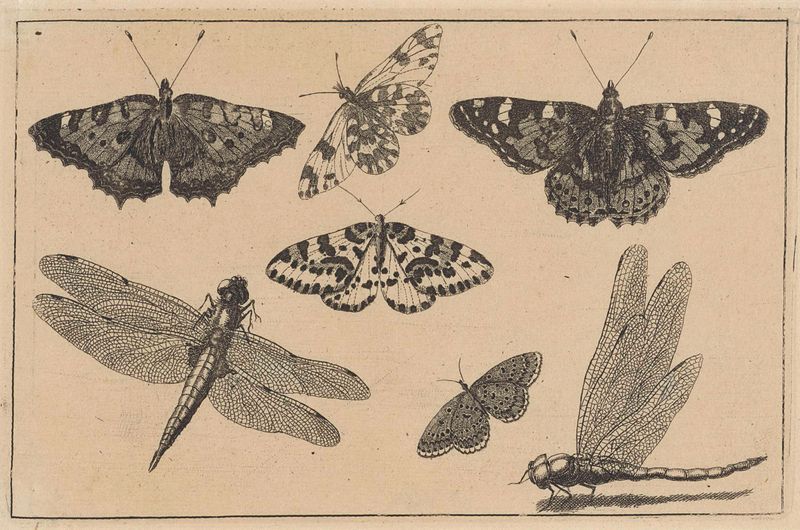
Twee libellen en vijf vlinders
Wenceslaus Hollar
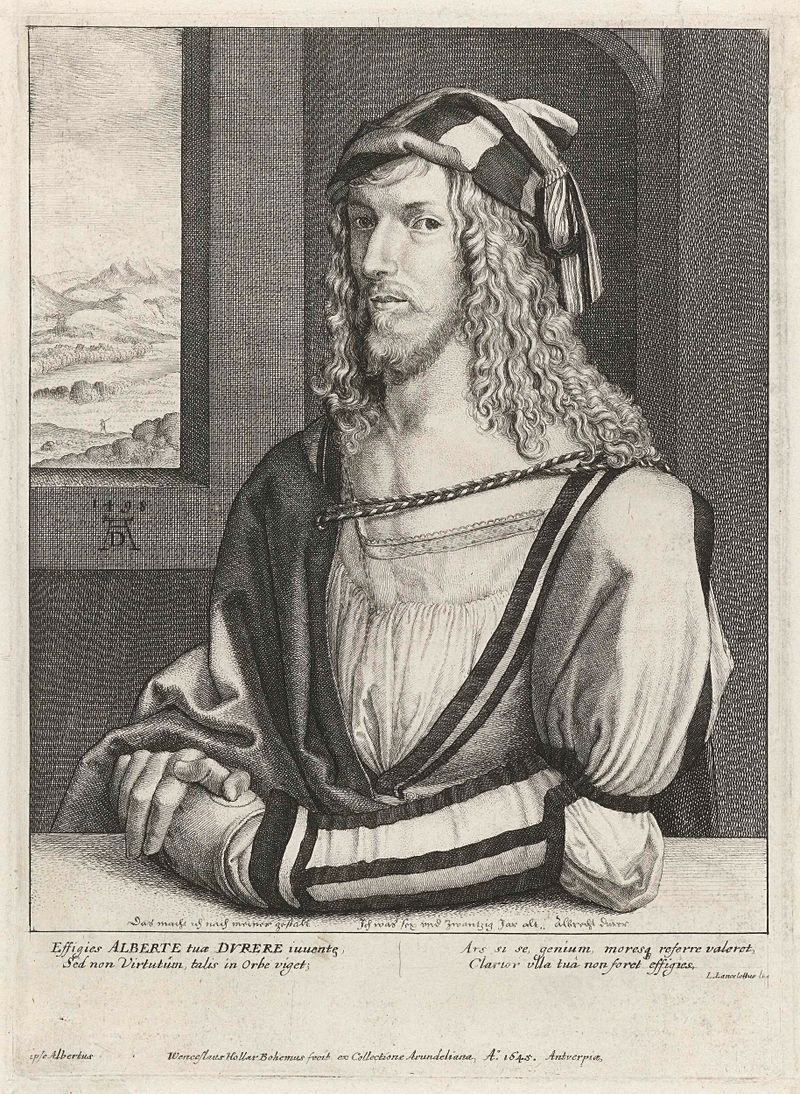
Portret van Albrecht Dürer
Wenceslaus Hollar
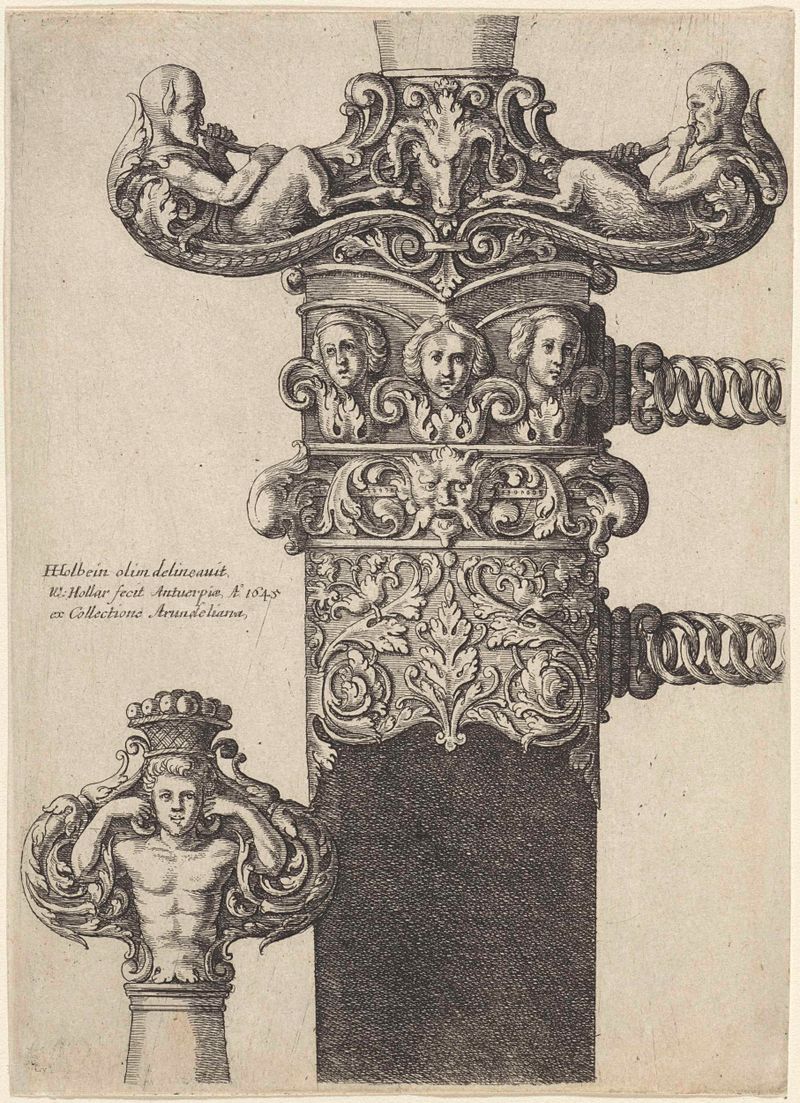
Ornamenteel ontwerp voor een dolk
Wenceslaus Hollar
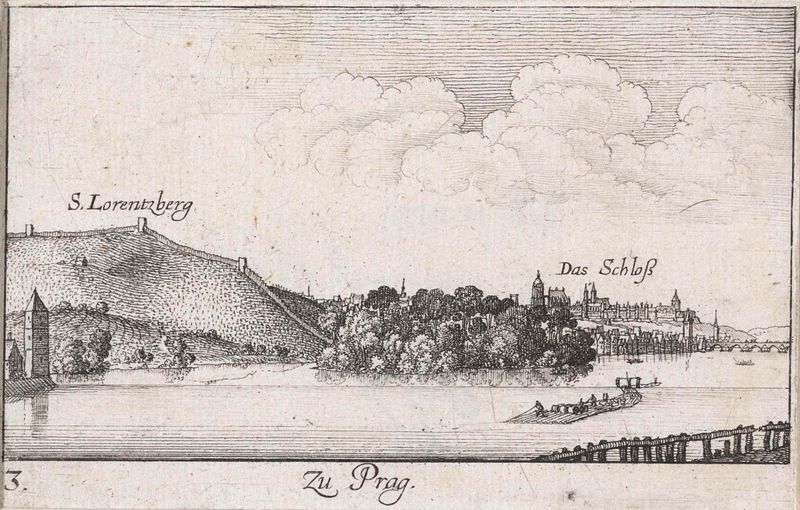
Gezicht op Praag vanaf de Moldau
Wenceslaus Hollar
More Portrait Art
Browse all →
Las meninas
Diego Velázquez

Self-portrait with a Bandaged Ear and Pipe
Unidentified artist

Girl with a Pearl Earring
Johannes Vermeer

The Sampling Officials of the Amsterdam Drapers’ Guild, Known as ‘The Syndics’
Rembrandt van Rijn

The Hundred Guilder Print: the man seen on the back in the lower left corner
Rembrandt van Rijn

Portrait of Dr Gachet
Vincent van Gogh