
Vrouw met kanten kraag en gepluimde hoed — History & Facts
In a world that reveres elegance, the legacy of Wenceslaus Hollar captures the delicate tension between grace and vulnerability. The intricate details of a woman's attire whisper stories of sacrifice and the complexities of identity. Look to the left at the remarkable lace collar that frames her face, meticulously rendered with fine lines that evoke a sense of fragility. The contrast of her dark attire against the soft, pale fabric creates a striking visual dynamic, drawing the viewer's eye.
Notice how her expression, poised yet distant, seems to blend the somber reality of her existence with the allure of her formal presentation. Each stroke speaks to the layers of her identity, suggesting a narrative woven with both pride and restraint. Peering deeper, one can sense the interplay between her adorned beauty and the isolation reflected in her gaze. The plume atop her hat, while extravagant, also hints at a burden — a societal expectation that weighs heavily.
The combination of opulence and subtle melancholy invites contemplation on the enduring legacies women bear, forever balancing the scales of aspiration and sacrifice. In 1647, during a period marked by societal upheaval and shifting artistic paradigms, Hollar produced this piece in the wake of the Thirty Years' War. Settling in England after fleeing the conflict in his native Bohemia, the artist became renowned for his engraving and etching techniques, illustrating the nuances of life amidst a changing world. This painting serves as a testament to both his skill and the silent stories of the women he depicted.
More Artworks by Wenceslaus Hollar
Browse all →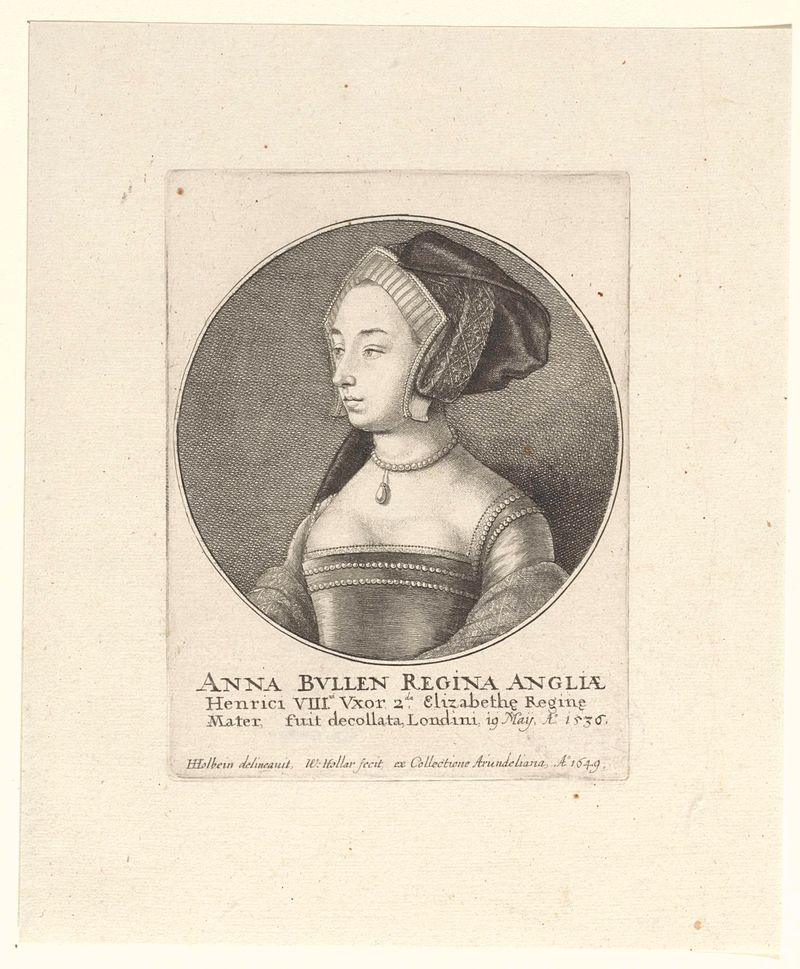
Portret van Anna Boleyn, koningin van Engeland
Wenceslaus Hollar
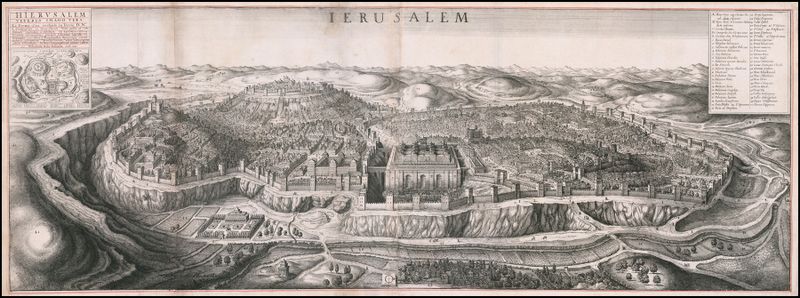
Bird’s eye view of Jerusalem
Wenceslaus Hollar
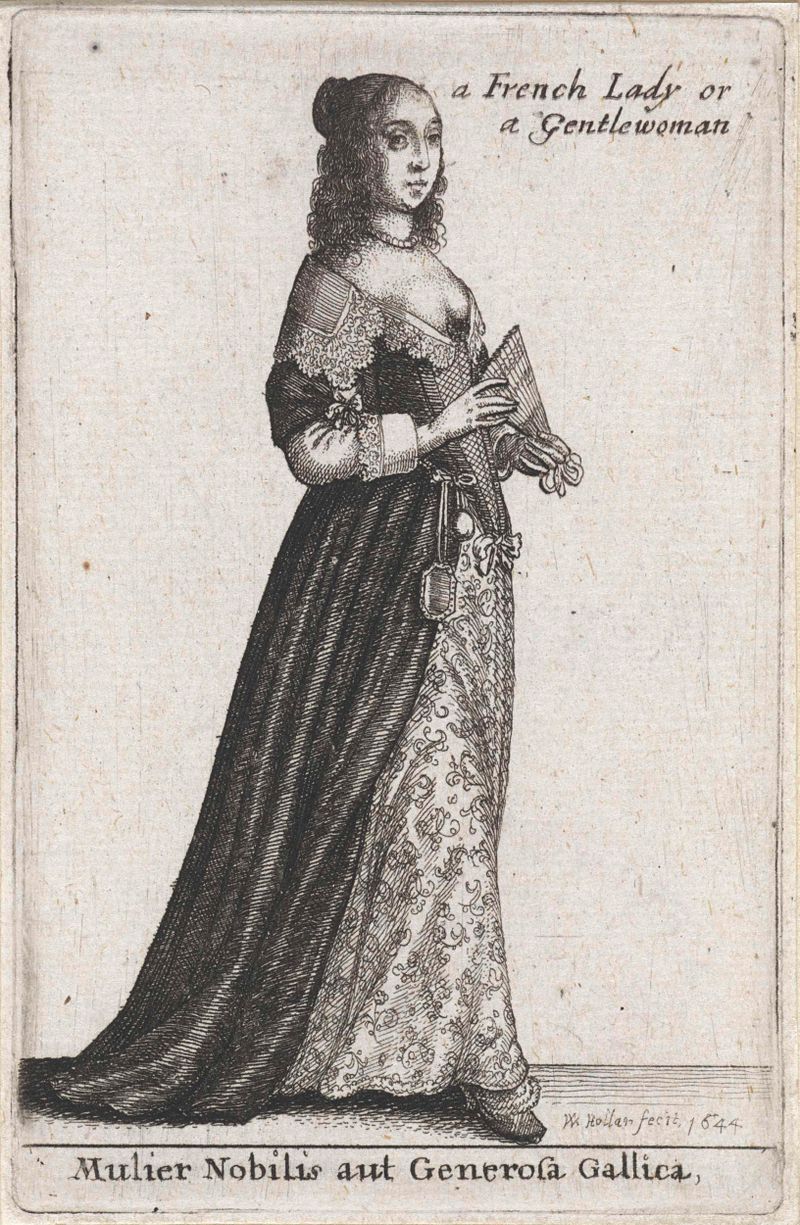
Mulier Nobilis aut Generosa Gallica / a French Lady or Gentlewoman
Wenceslaus Hollar
Titelprent voor: Ornatus Muliebris Anglicanus
Wenceslaus Hollar
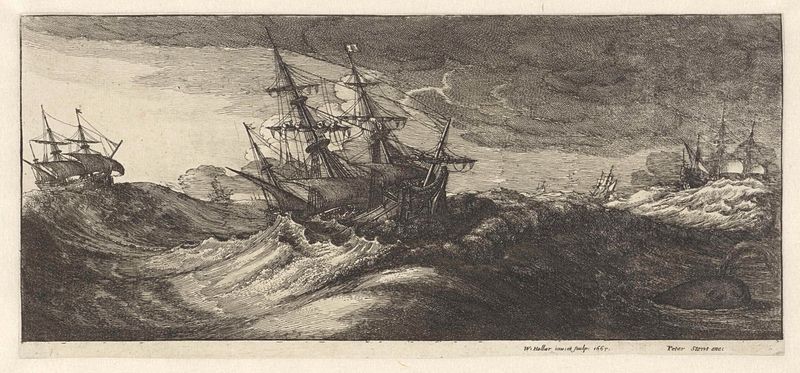
Oorlogsschepen en een walvis in een zeestorm
Wenceslaus Hollar
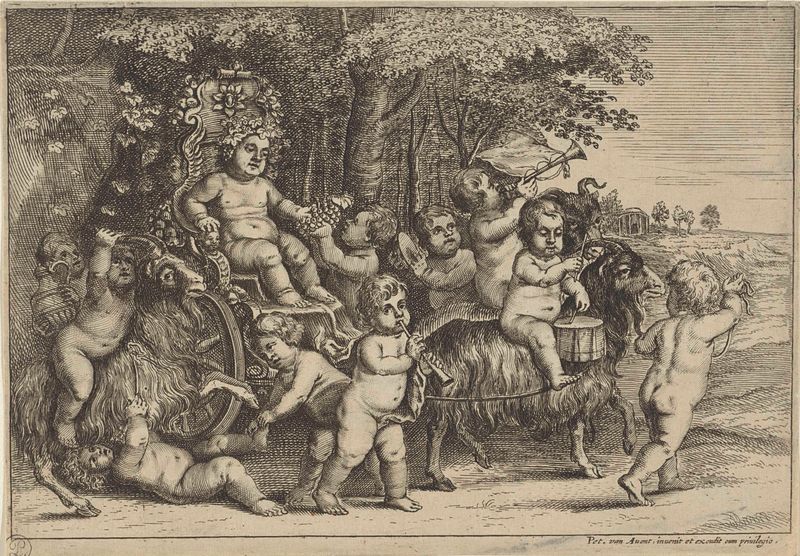
Optocht van bacchant en jongetjes op geiten
Wenceslaus Hollar
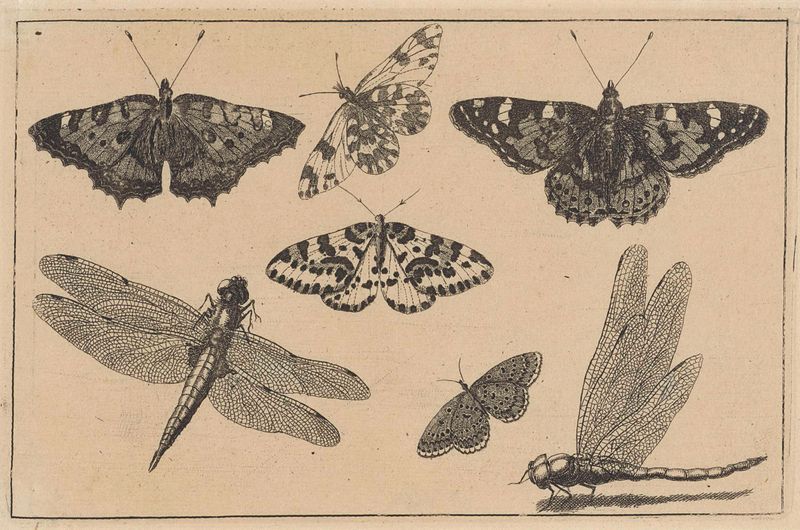
Twee libellen en vijf vlinders
Wenceslaus Hollar
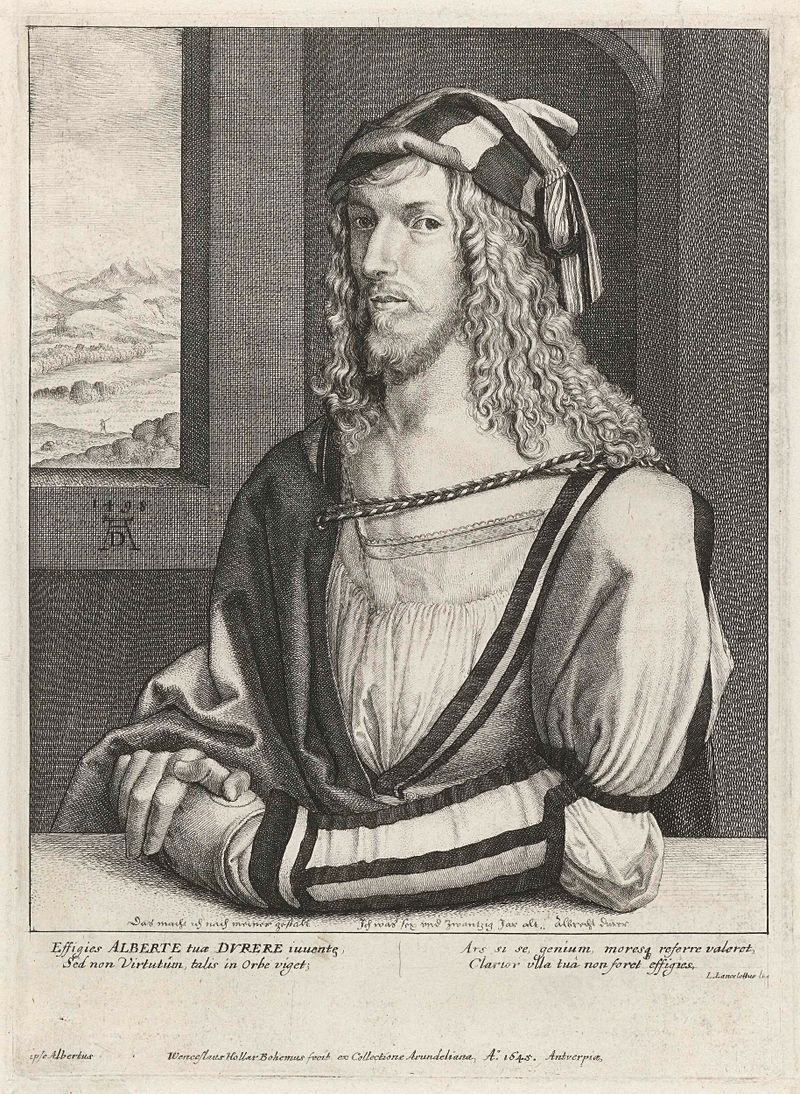
Portret van Albrecht Dürer
Wenceslaus Hollar
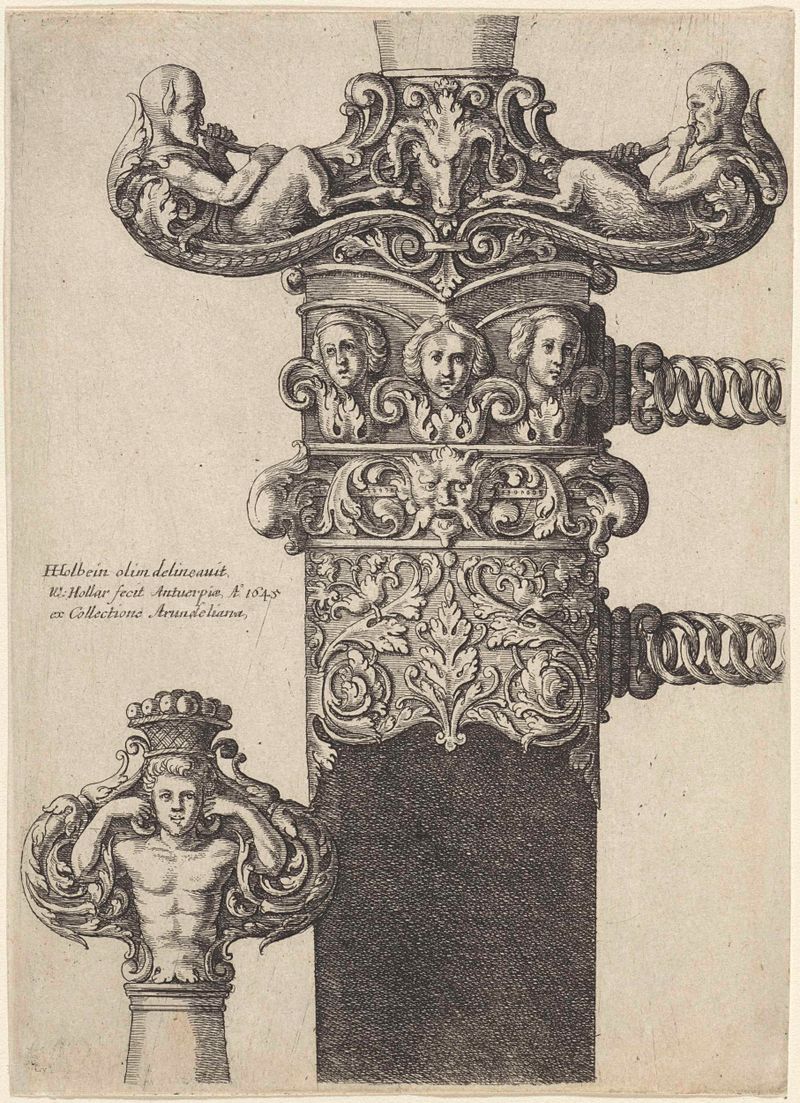
Ornamenteel ontwerp voor een dolk
Wenceslaus Hollar
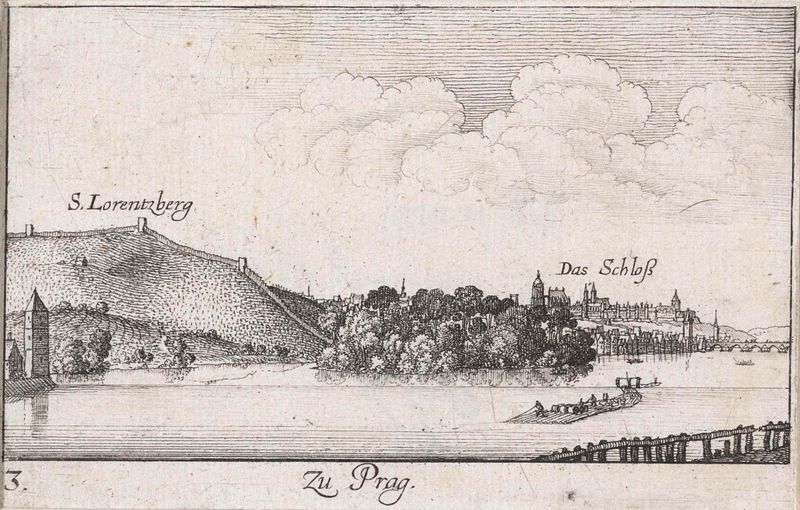
Gezicht op Praag vanaf de Moldau
Wenceslaus Hollar
More Portrait Art
Browse all →
Las meninas
Diego Velázquez

Self-portrait with a Bandaged Ear and Pipe
Unidentified artist

Girl with a Pearl Earring
Johannes Vermeer

The Sampling Officials of the Amsterdam Drapers’ Guild, Known as ‘The Syndics’
Rembrandt van Rijn

The Hundred Guilder Print: the man seen on the back in the lower left corner
Rembrandt van Rijn

Portrait of Dr Gachet
Vincent van Gogh