
Vrouw met plooikraag — History & Facts
In the delicate interplay of light and shadow, we find more than mere representation; we uncover the essence of humanity itself. Look to the left at the exquisite detail of the plaited collar, its intricate folds capturing the light in a way that draws your gaze. The soft, muted palette envelops the figure in a sense of calm, while the subtle textures add depth to her serene expression. Observe how the artist uses chiaroscuro to create a lifelike presence, rendering the lace with precision that elevates the ordinary into the extraordinary. Beyond the surface beauty, there lies a poignant contrast between the simplicity of her attire and the complexity of her gaze.
This quiet moment invites contemplation on the nature of identity and the roles women played in 17th-century society. The juxtaposition of the ornate collar against her modest clothing hints at the tension between social status and personal truth, suggesting layers of meaning concealed beneath the calm exterior. Wenceslaus Hollar crafted this piece in 1644 while residing in London, a city teeming with artistic exchange and turbulent political landscapes. At this time, he was exploring graphic techniques that would allow him to convey both realism and depth.
His work exemplifies the transition from the Baroque to a more grounded depiction of human emotion, shaped by a world that was simultaneously vibrant and uncertain.
More Artworks by Wenceslaus Hollar
Browse all →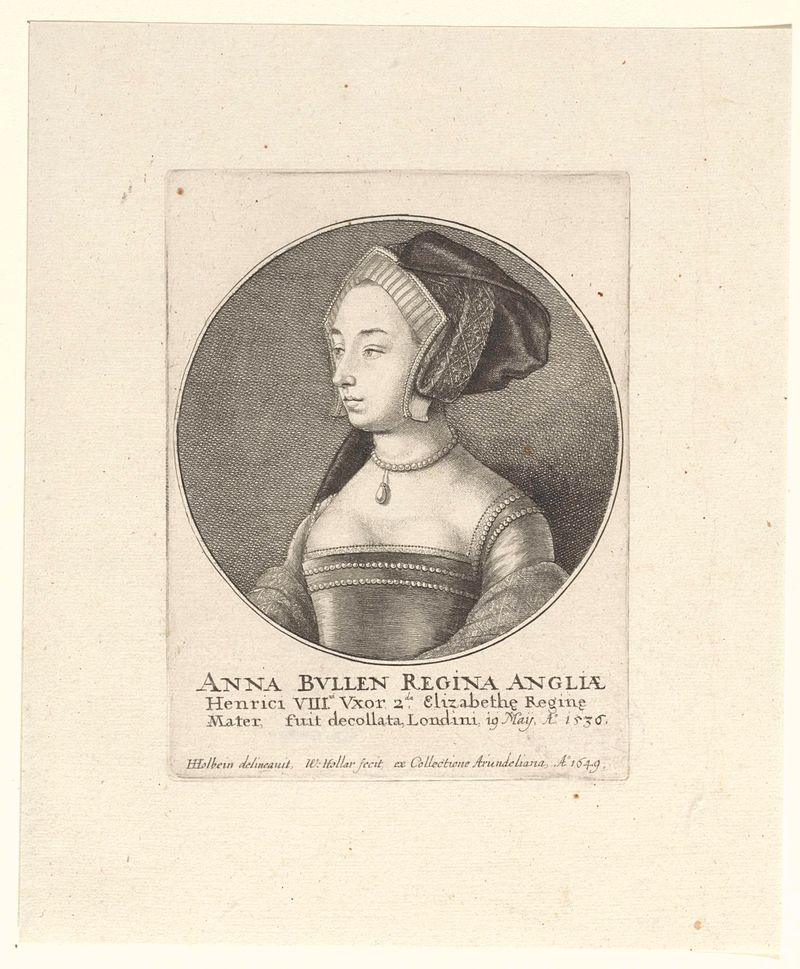
Portret van Anna Boleyn, koningin van Engeland
Wenceslaus Hollar
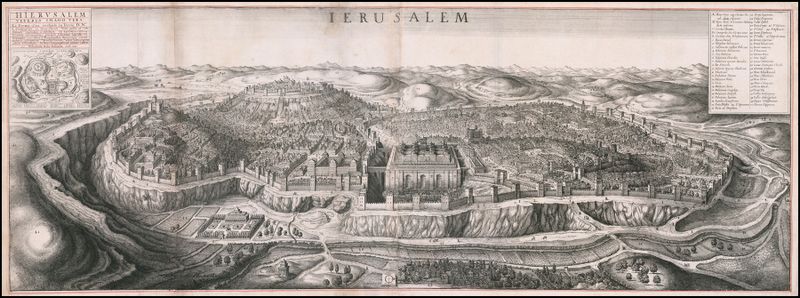
Bird’s eye view of Jerusalem
Wenceslaus Hollar
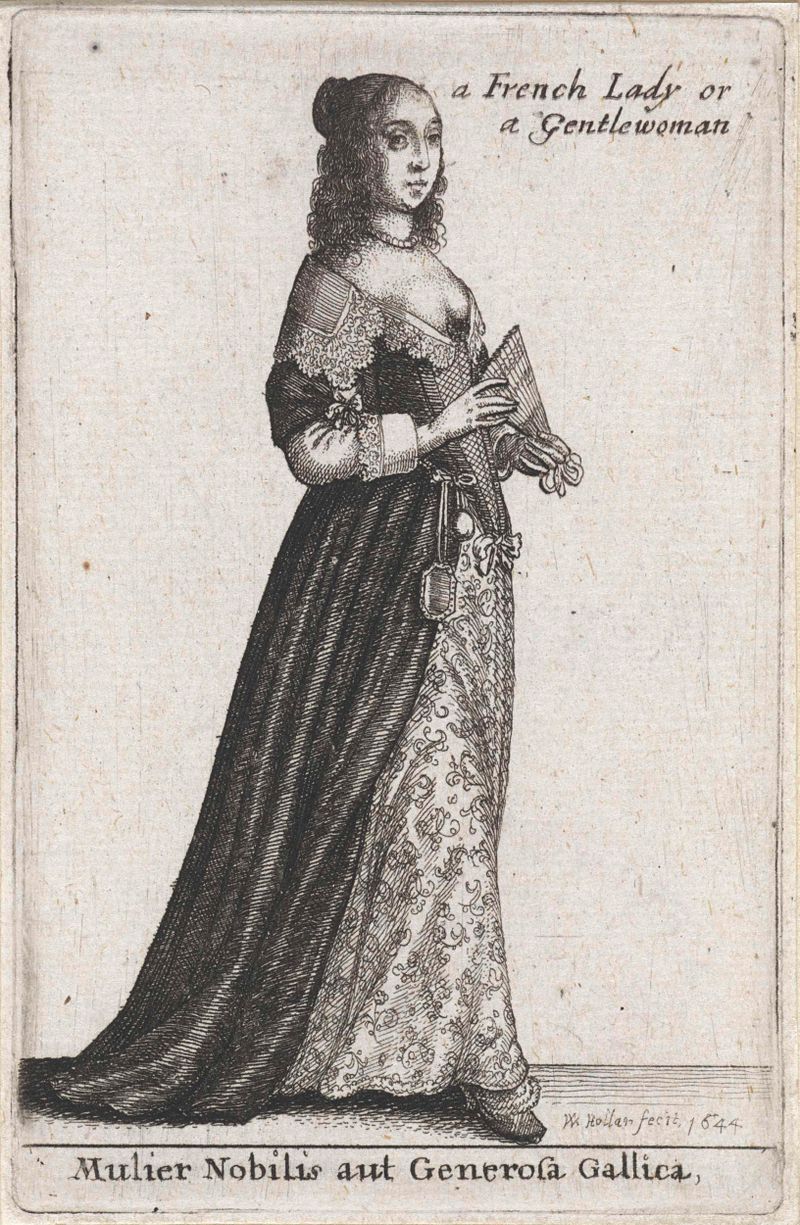
Mulier Nobilis aut Generosa Gallica / a French Lady or Gentlewoman
Wenceslaus Hollar
Titelprent voor: Ornatus Muliebris Anglicanus
Wenceslaus Hollar
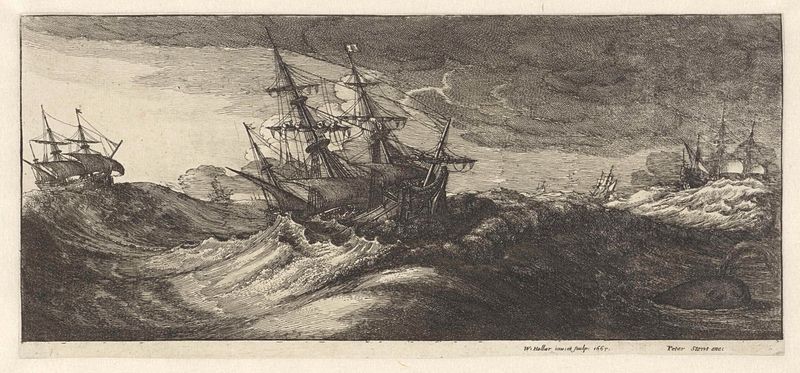
Oorlogsschepen en een walvis in een zeestorm
Wenceslaus Hollar
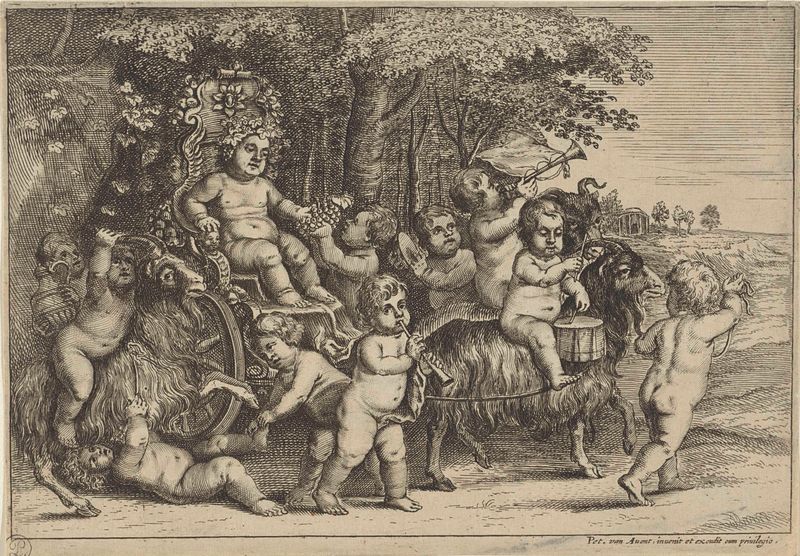
Optocht van bacchant en jongetjes op geiten
Wenceslaus Hollar
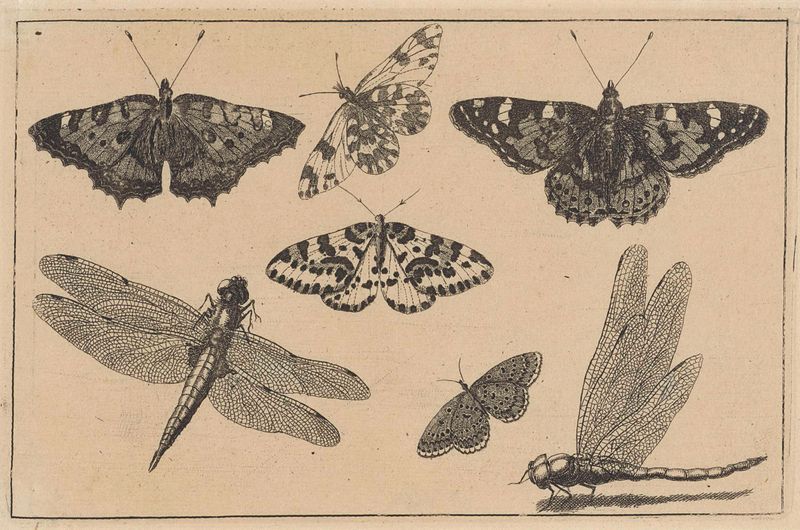
Twee libellen en vijf vlinders
Wenceslaus Hollar
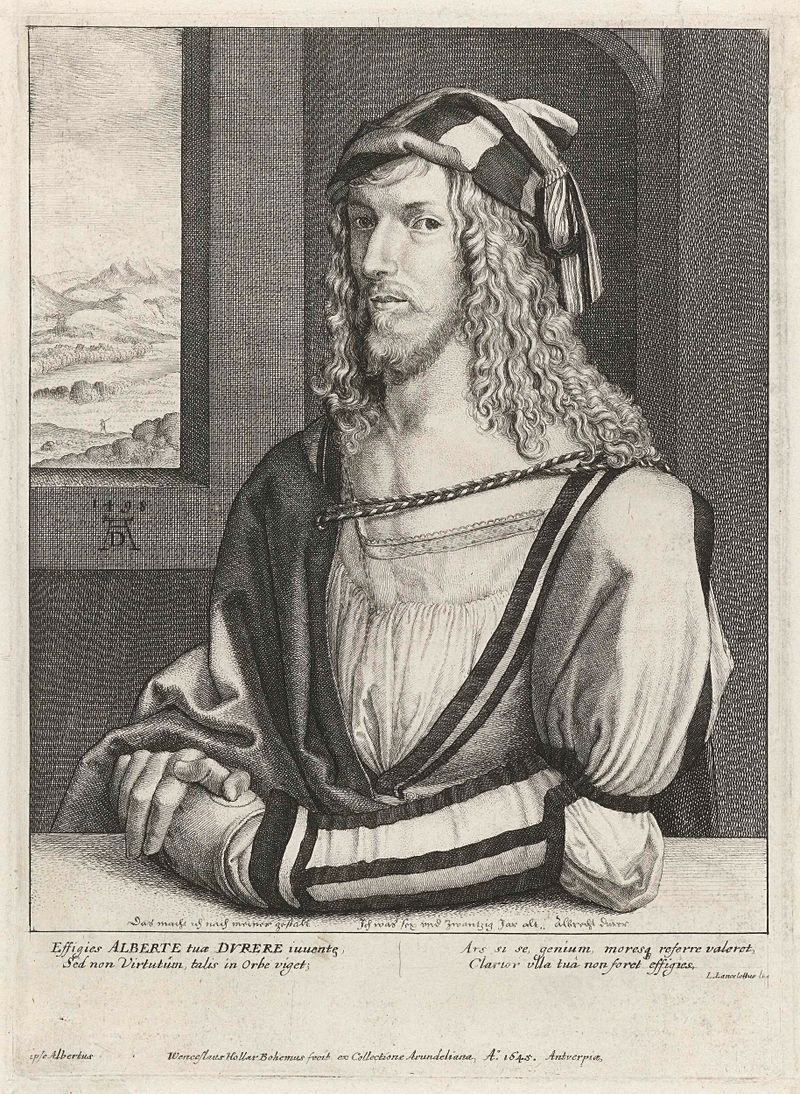
Portret van Albrecht Dürer
Wenceslaus Hollar
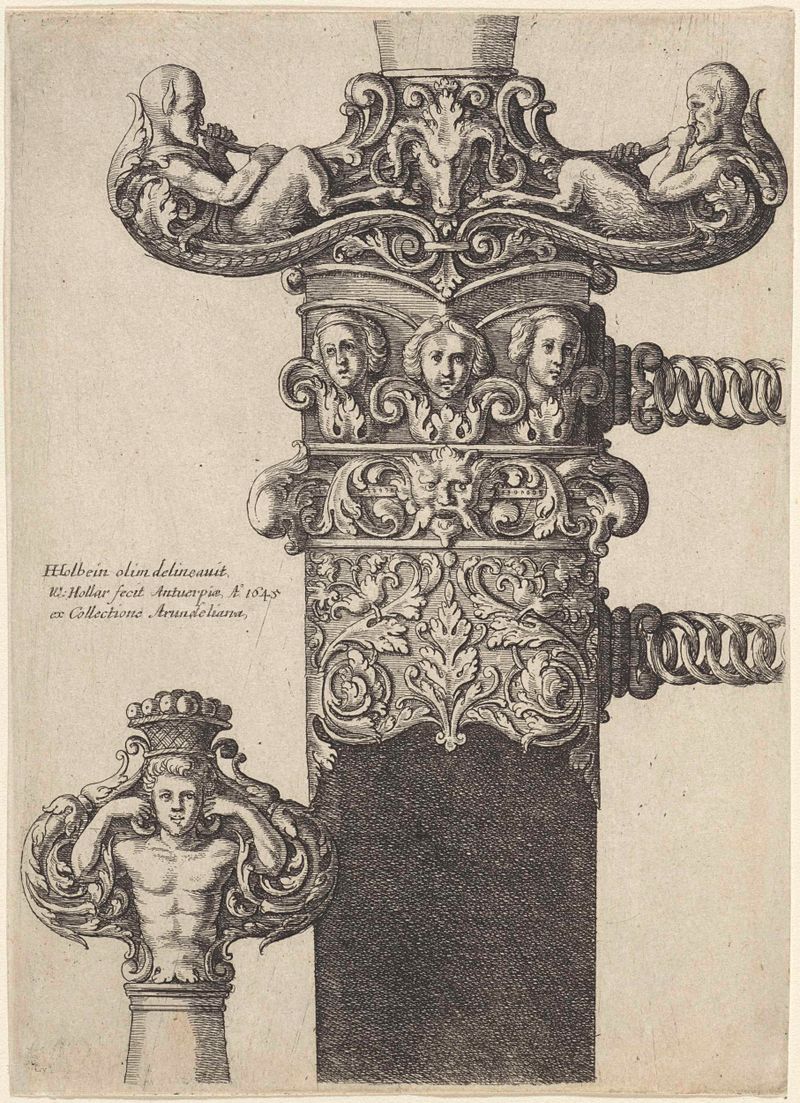
Ornamenteel ontwerp voor een dolk
Wenceslaus Hollar
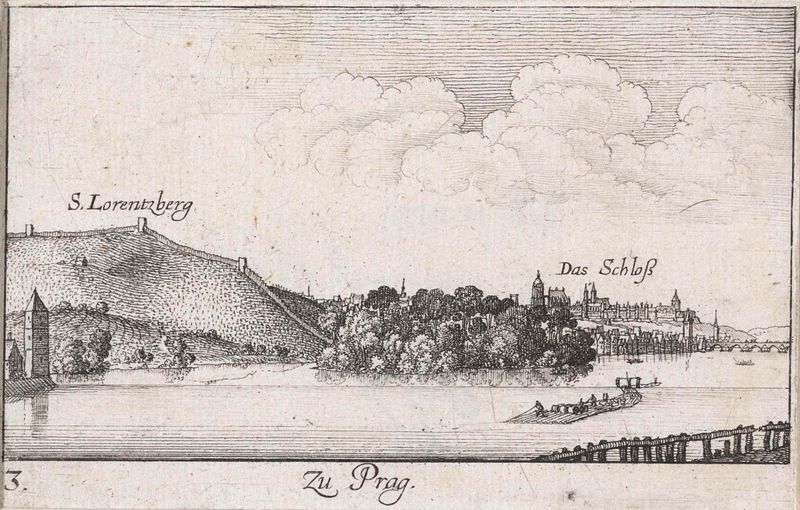
Gezicht op Praag vanaf de Moldau
Wenceslaus Hollar
More Portrait Art
Browse all →
Las meninas
Diego Velázquez

Self-portrait with a Bandaged Ear and Pipe
Unidentified artist

Girl with a Pearl Earring
Johannes Vermeer

The Sampling Officials of the Amsterdam Drapers’ Guild, Known as ‘The Syndics’
Rembrandt van Rijn

The Hundred Guilder Print: the man seen on the back in the lower left corner
Rembrandt van Rijn

Portrait of Dr Gachet
Vincent van Gogh