
Vrouw met plooikraag en breedgerande hoed — History & Facts
In Vrouw met plooikraag en breedgerande hoed, Wenceslaus Hollar presents us with a portrait that straddles the line between beauty and decay, evoking a quiet contemplation of life's transience. Look to the intricate folds of the collar, where the delicate lace dances with light, drawing your gaze inward. The soft chiaroscuro elegantly models the subject’s features, revealing a serene expression that speaks volumes. Notice the wide-brimmed hat, its dark fabric contrasting against the soft, luminous skin.
The rich textures and muted palette invite you to linger, absorbing the subtleties of Hollar’s craftsmanship. Yet, hidden beneath this surface beauty is a poignant tension. The crisp details of the clothing starkly contrast with the underlying themes of decay—each fold and shadow reminding us that time erodes even the most exquisite forms. The subject’s poised demeanor juxtaposes the inevitable decline of all things beautiful, suggesting that grace is but a fleeting illusion.
This duality prompts reflection on the nature of mortality, captured eloquently in every line and contour. Wenceslaus Hollar created this work in 1646 while residing in London, where he had fled from the Thirty Years’ War in Europe. During this period, the artist was known for his detailed engravings and portraits, often reflecting the Baroque preoccupation with realism and emotion. This painting stands as a testament to both his technical skill and his ability to convey deeper philosophical themes, resonating with viewers across centuries.
More Artworks by Wenceslaus Hollar
Browse all →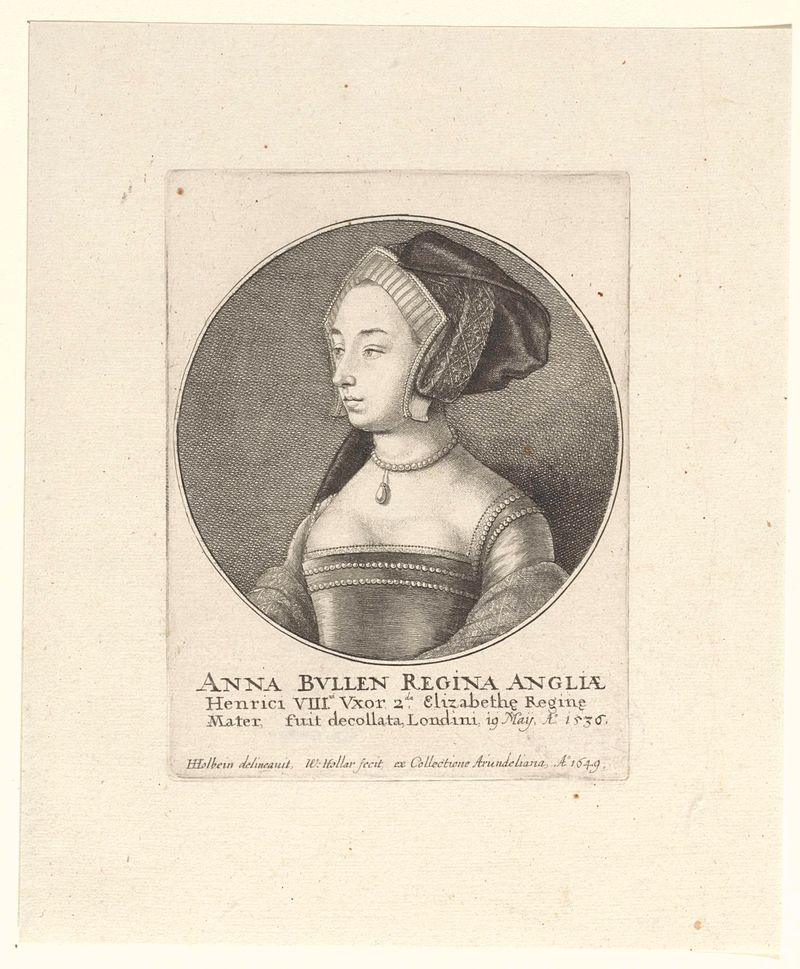
Portret van Anna Boleyn, koningin van Engeland
Wenceslaus Hollar
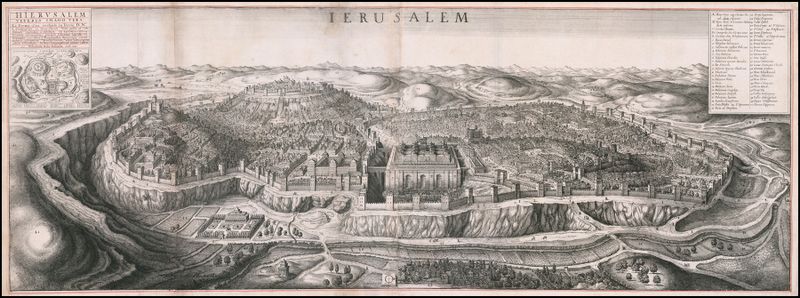
Bird’s eye view of Jerusalem
Wenceslaus Hollar
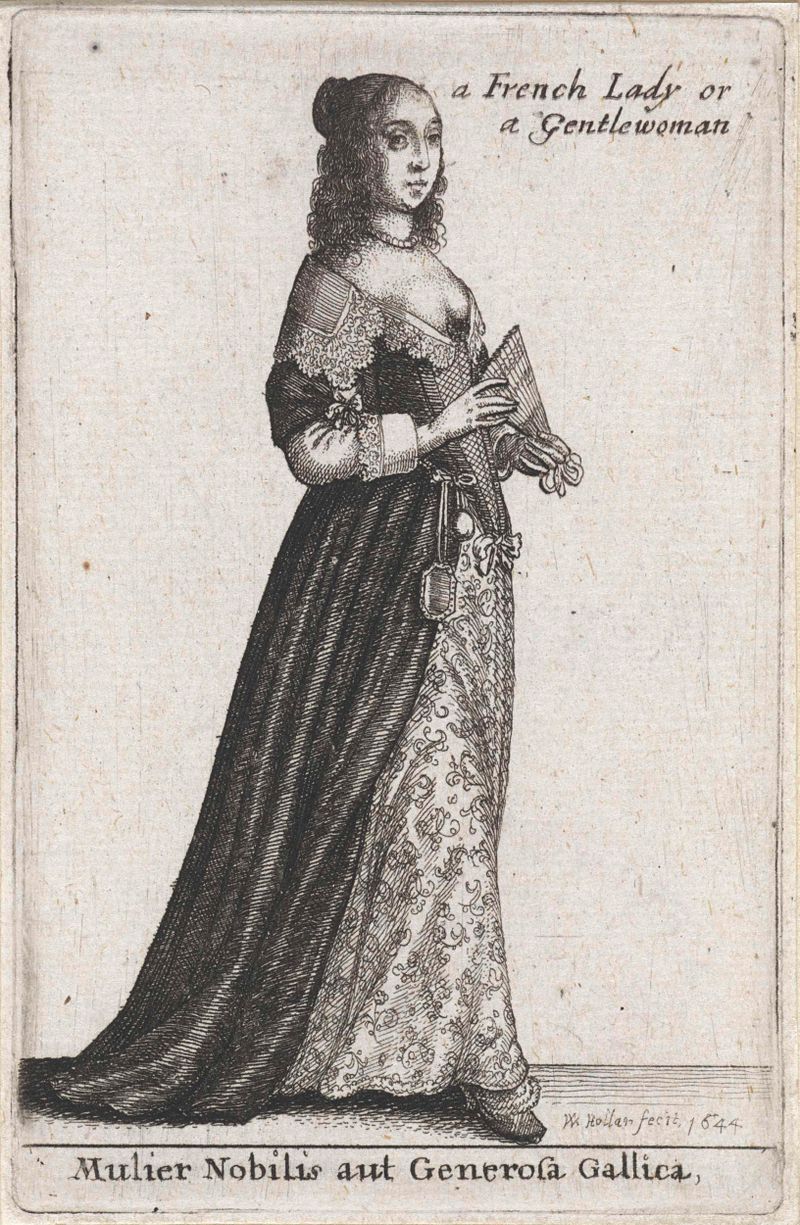
Mulier Nobilis aut Generosa Gallica / a French Lady or Gentlewoman
Wenceslaus Hollar
Titelprent voor: Ornatus Muliebris Anglicanus
Wenceslaus Hollar
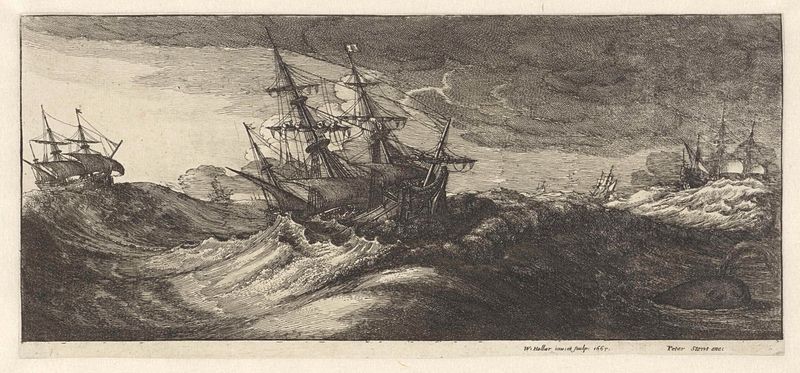
Oorlogsschepen en een walvis in een zeestorm
Wenceslaus Hollar
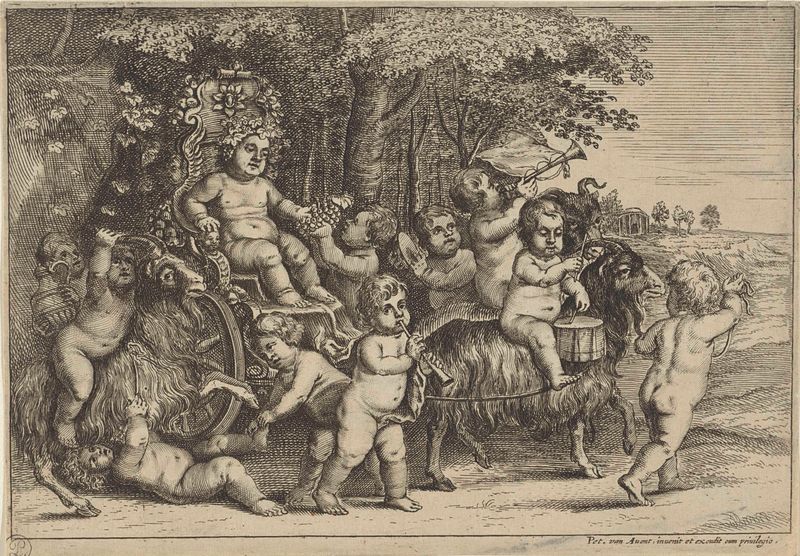
Optocht van bacchant en jongetjes op geiten
Wenceslaus Hollar
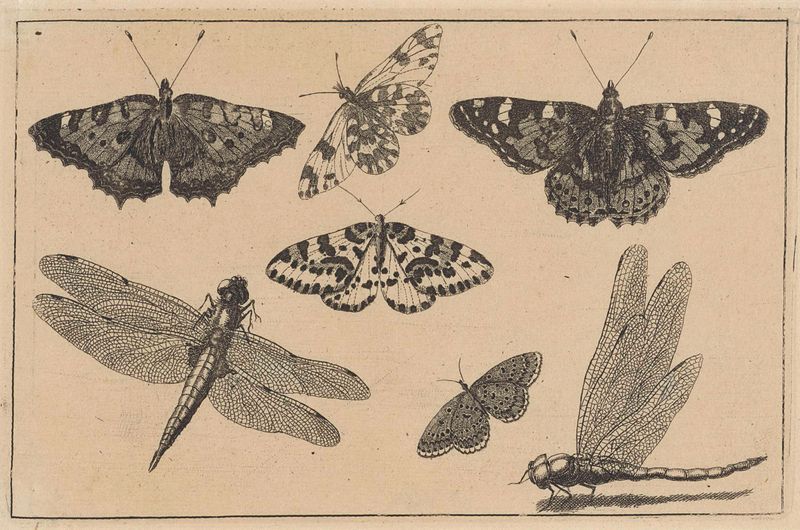
Twee libellen en vijf vlinders
Wenceslaus Hollar
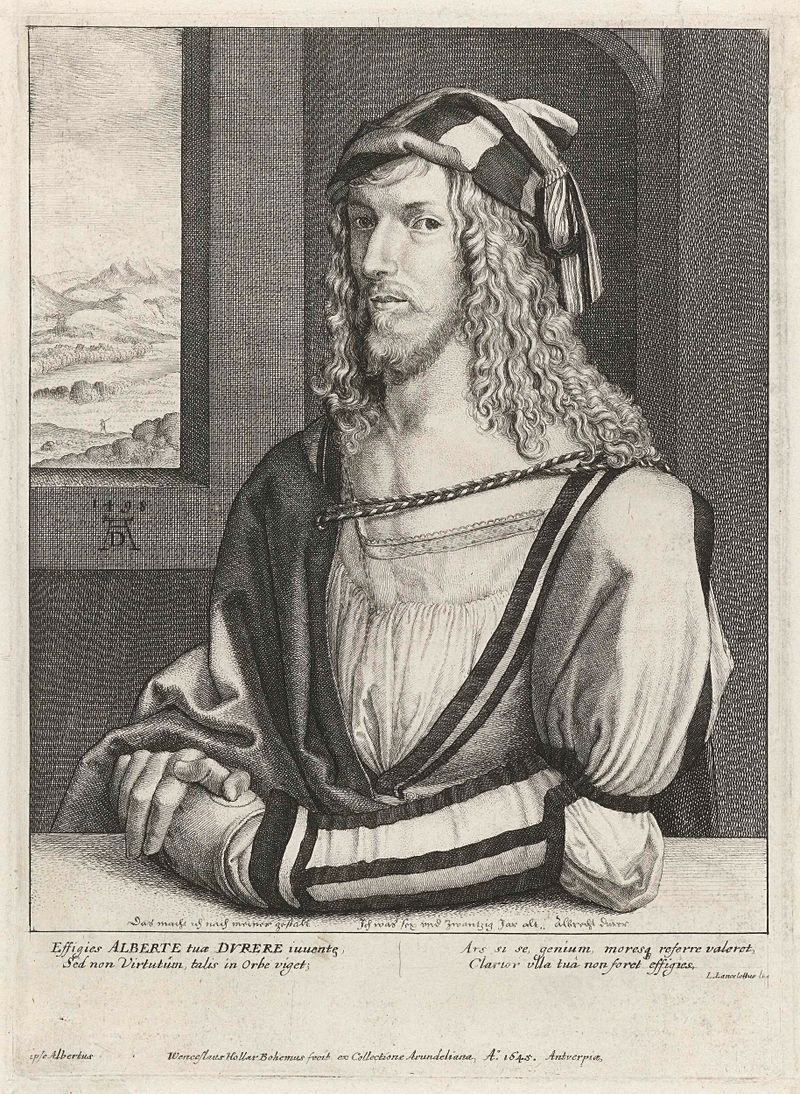
Portret van Albrecht Dürer
Wenceslaus Hollar
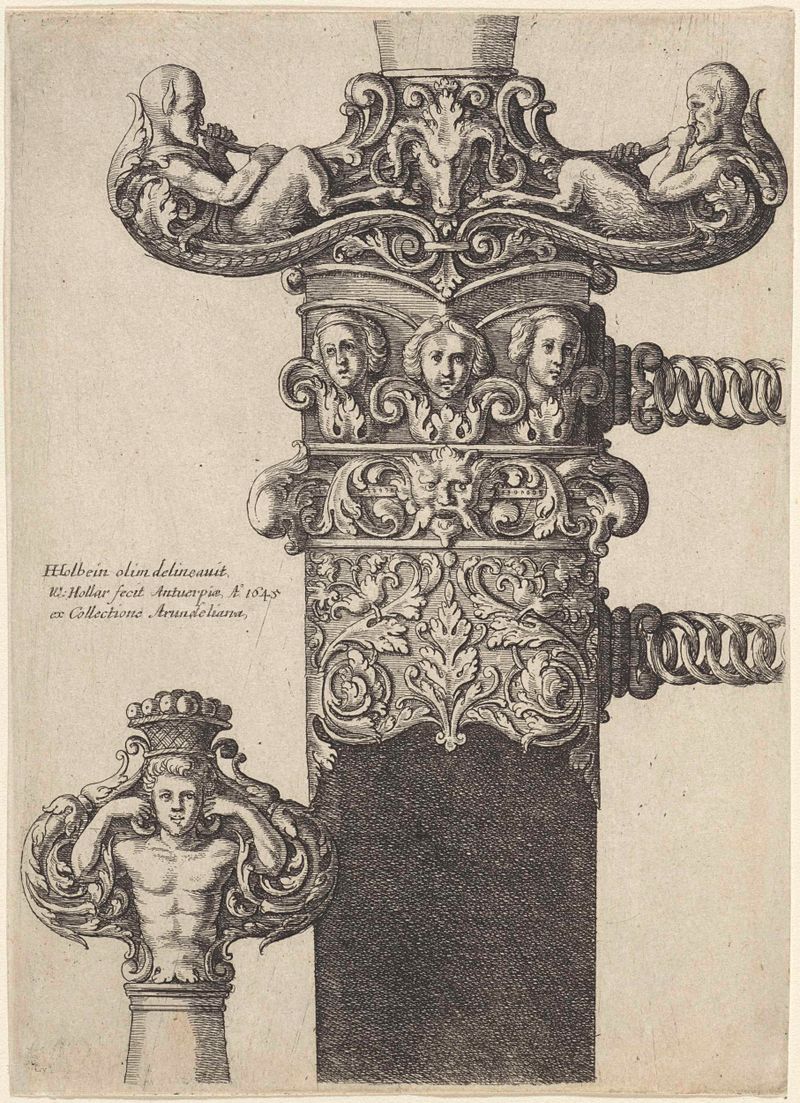
Ornamenteel ontwerp voor een dolk
Wenceslaus Hollar
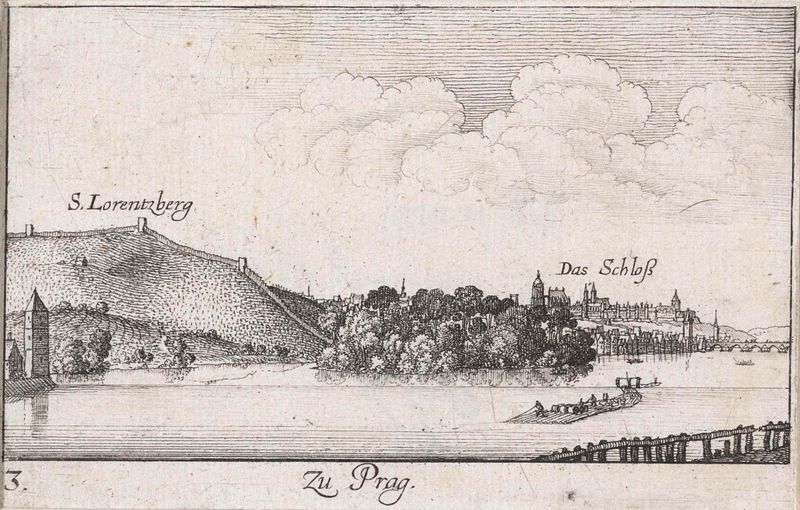
Gezicht op Praag vanaf de Moldau
Wenceslaus Hollar
More Portrait Art
Browse all →
Las meninas
Diego Velázquez

Self-portrait with a Bandaged Ear and Pipe
Unidentified artist

Girl with a Pearl Earring
Johannes Vermeer

The Sampling Officials of the Amsterdam Drapers’ Guild, Known as ‘The Syndics’
Rembrandt van Rijn

The Hundred Guilder Print: the man seen on the back in the lower left corner
Rembrandt van Rijn

Portrait of Dr Gachet
Vincent van Gogh