
Vrouw met plooikraag en kegelvormige bontmuts — History & Facts
In the stillness of this moment, captured in 1646, lies an unspoken tension that resonates with the viewer. The figure before us, adorned with a pleated collar and cone-shaped fur hat, emanates a quiet strength that belies an underlying fear—an emotion that silently pulses beneath the surface. Look to the left at the intricately woven folds of her collar, which frame her face with almost architectural precision. Notice how the light dances across the textured fabric, creating shadows that accentuate her features, lending gravity to her gaze.
The muted palette—earthy browns, soft whites, and delicate grays—evokes a sense of somberness, while the meticulous detail in her attire reveals Hollar's dedication to realism, inviting us to linger on each brushstroke. Yet, it is the subtle detail of her downturned gaze that deepens the narrative. Is she contemplating the uncertainty of her future, cloaked in the societal fears of her time? The juxtaposition of her ornate clothing against the starkness of her surroundings hints at the tension between appearance and reality. Each element—her accessories, the sitters’ posture—acts as a reflection of the era’s anxieties, mirroring the fragility of existence and identity. Wenceslaus Hollar created this work during his time in England, having fled his homeland due to the Thirty Years' War, which ravaged Europe.
In the midst of personal turmoil and societal upheaval, Hollar's focus on meticulous detail and emotive subjects showcased the depth of human experience, thus solidifying his place within the realm of notable Baroque artists. His mastery in portraying the interplay of light and emotion speaks to the complexities of life and the fears that dwell within it.
More Artworks by Wenceslaus Hollar
Browse all →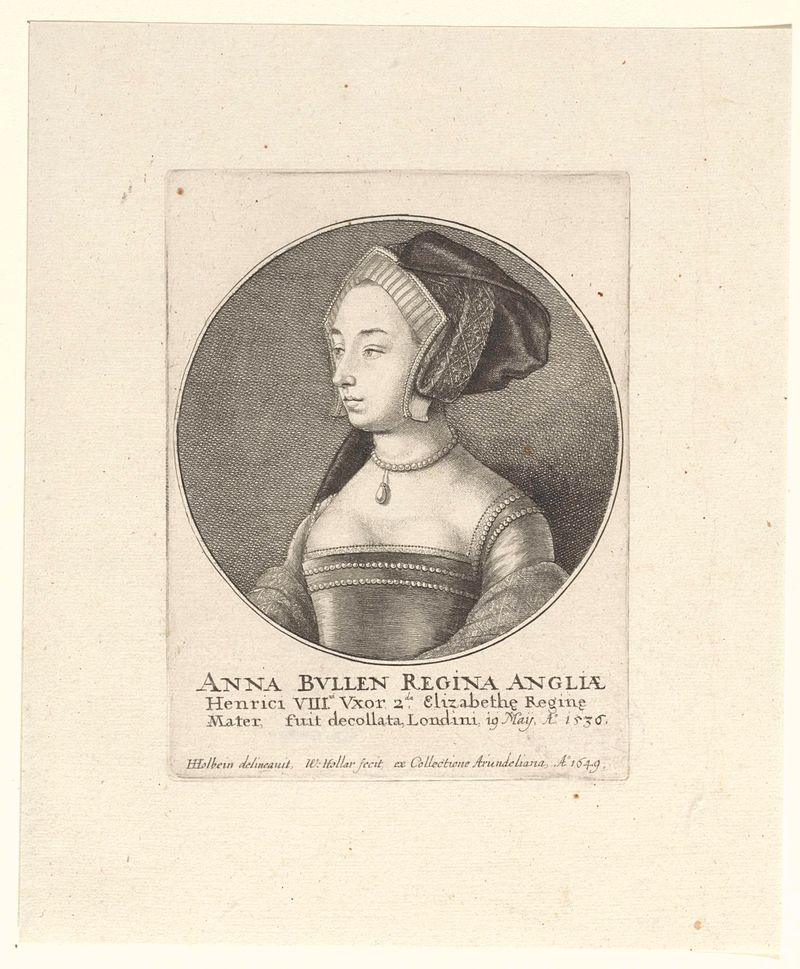
Portret van Anna Boleyn, koningin van Engeland
Wenceslaus Hollar
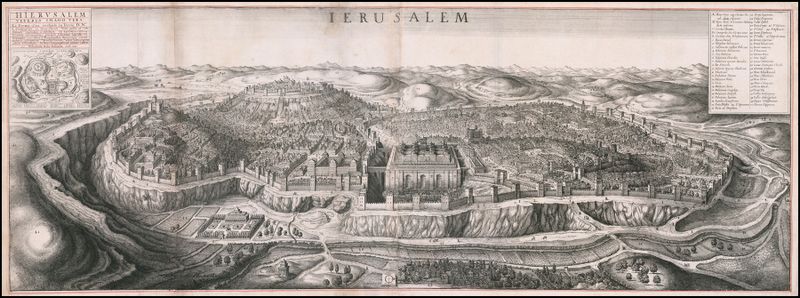
Bird’s eye view of Jerusalem
Wenceslaus Hollar
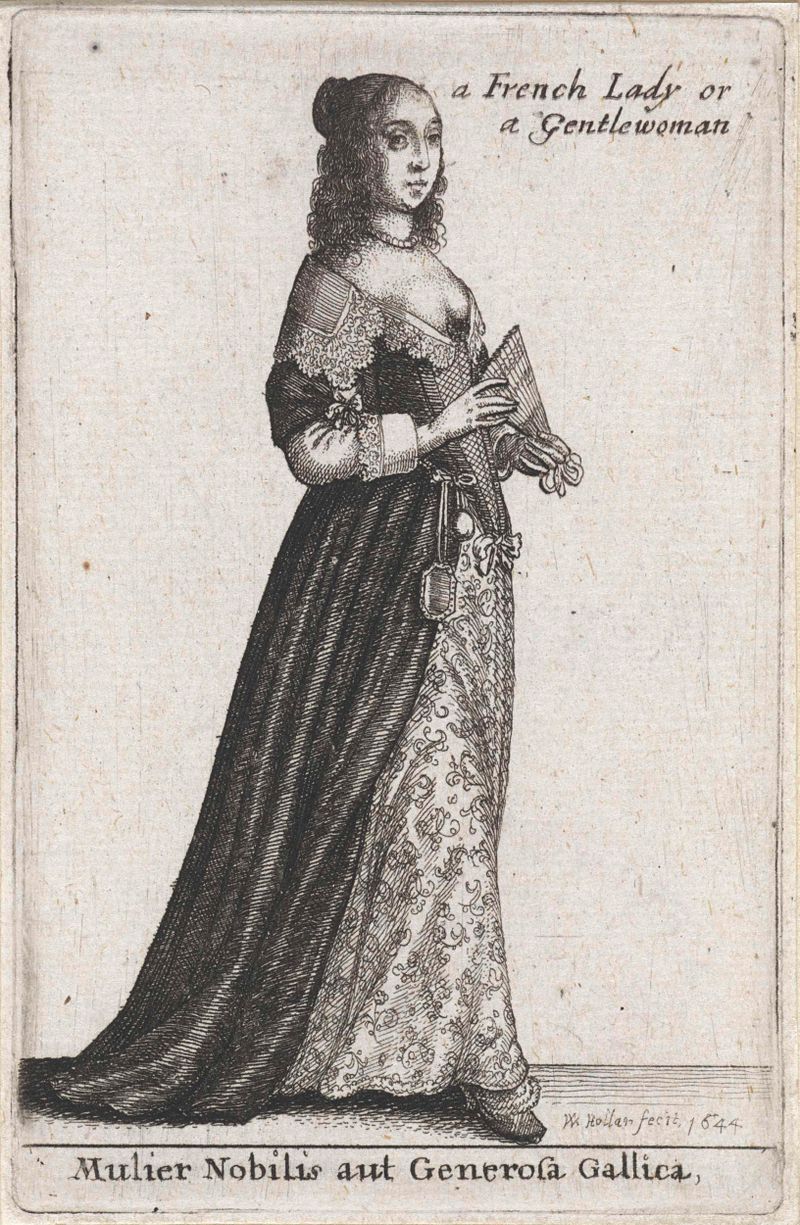
Mulier Nobilis aut Generosa Gallica / a French Lady or Gentlewoman
Wenceslaus Hollar
Titelprent voor: Ornatus Muliebris Anglicanus
Wenceslaus Hollar
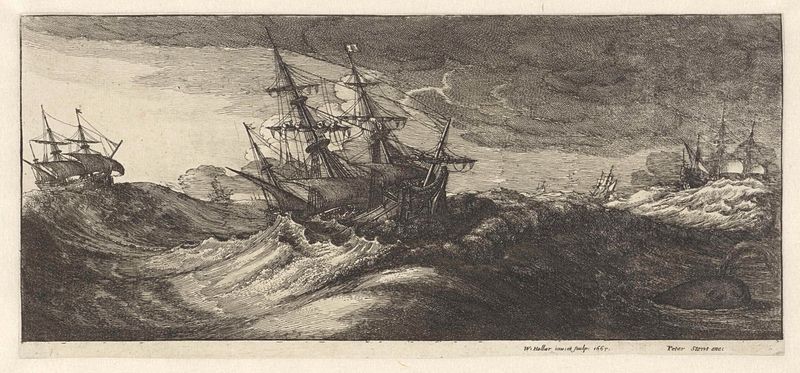
Oorlogsschepen en een walvis in een zeestorm
Wenceslaus Hollar
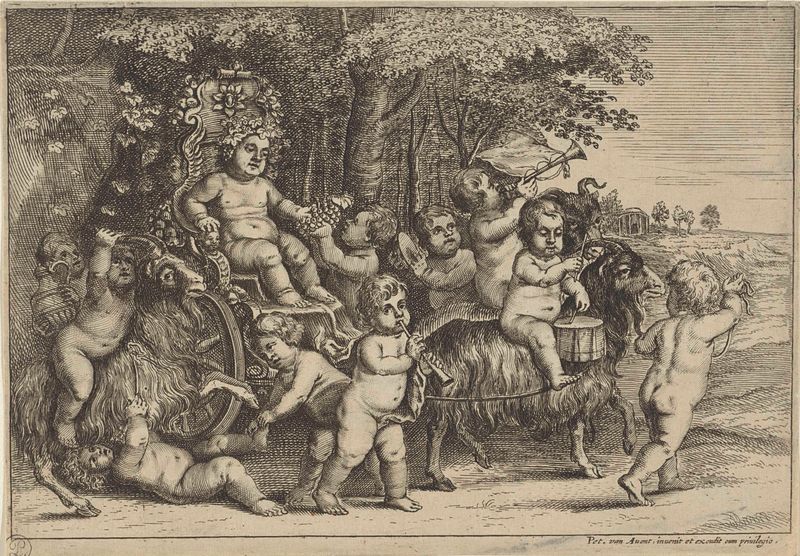
Optocht van bacchant en jongetjes op geiten
Wenceslaus Hollar
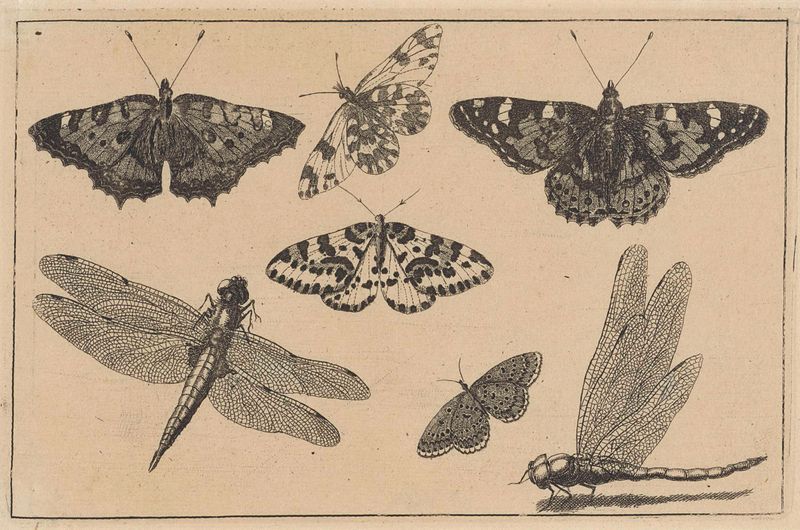
Twee libellen en vijf vlinders
Wenceslaus Hollar
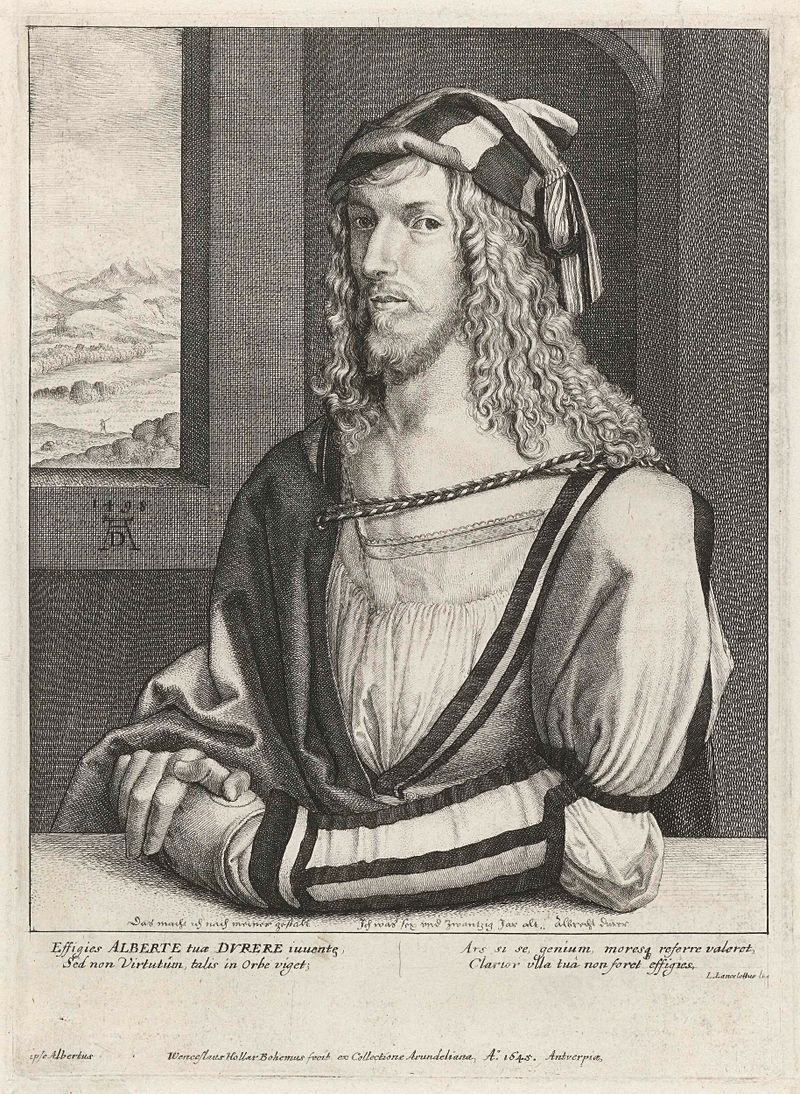
Portret van Albrecht Dürer
Wenceslaus Hollar
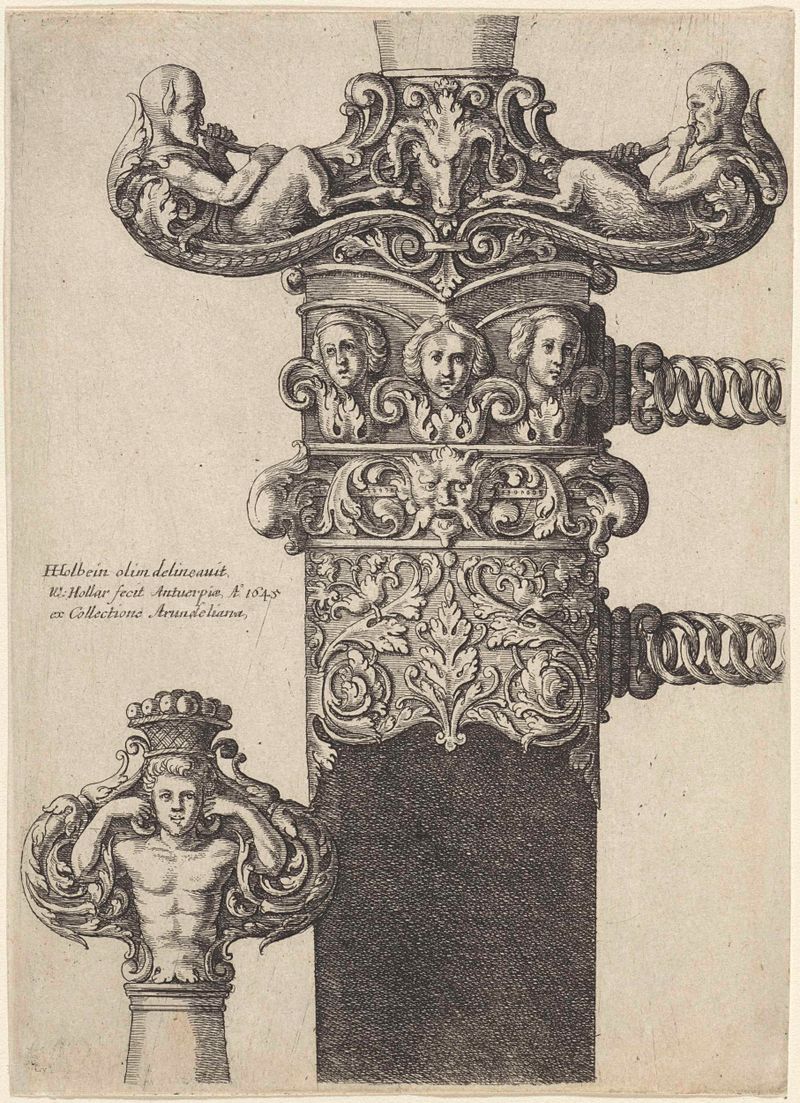
Ornamenteel ontwerp voor een dolk
Wenceslaus Hollar
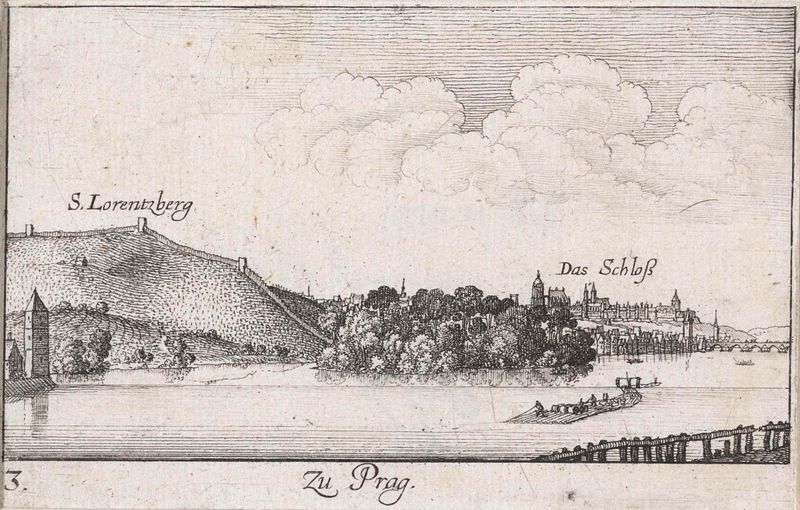
Gezicht op Praag vanaf de Moldau
Wenceslaus Hollar
More Portrait Art
Browse all →
Las meninas
Diego Velázquez

Self-portrait with a Bandaged Ear and Pipe
Unidentified artist

Girl with a Pearl Earring
Johannes Vermeer

The Sampling Officials of the Amsterdam Drapers’ Guild, Known as ‘The Syndics’
Rembrandt van Rijn

The Hundred Guilder Print: the man seen on the back in the lower left corner
Rembrandt van Rijn

Portrait of Dr Gachet
Vincent van Gogh