
Vrouw met transparante kraag en houpette — History & Facts
Who listens when art speaks of silence? In Vrouw met transparante kraag en houpette, the layers of fabric and delicate features invite us to witness a moment suspended between sound and stillness, between presence and absence. Look closely at the intricate lace collar framing her face, its transparency suggesting fragility and the complexity of identity. Notice how the soft chiaroscuro technique enhances the subtle contours of her profile, drawing your gaze to her serene expression. The warm earth tones contrasting with the white lace create a harmonious balance, suggesting both elegance and restraint, as if the subject holds within her a multitude of untold stories. Delve deeper into the emotional tension held in the sitter's gaze, which escapes the viewer while simultaneously inviting connection.
The sheer fabric of her collar symbolizes a veil between reality and the inner world, hinting at a quiet revelation. This interplay of light and shadow not only highlights her beauty but also evokes the transient nature of existence, as we ponder the silence that accompanies her unspoken thoughts. Wenceslaus Hollar painted this work in 1643, a time when he was living in London, having fled from his native Prague during the Thirty Years' War. The art world was shifting, influenced by the Baroque style's emphasis on realism and emotional depth.
Hollar's meticulous attention to detail and exploration of character set him apart in this evolving landscape, revealing his desire to capture the essence of human experience through delicate portrayals.
More Artworks by Wenceslaus Hollar
Browse all →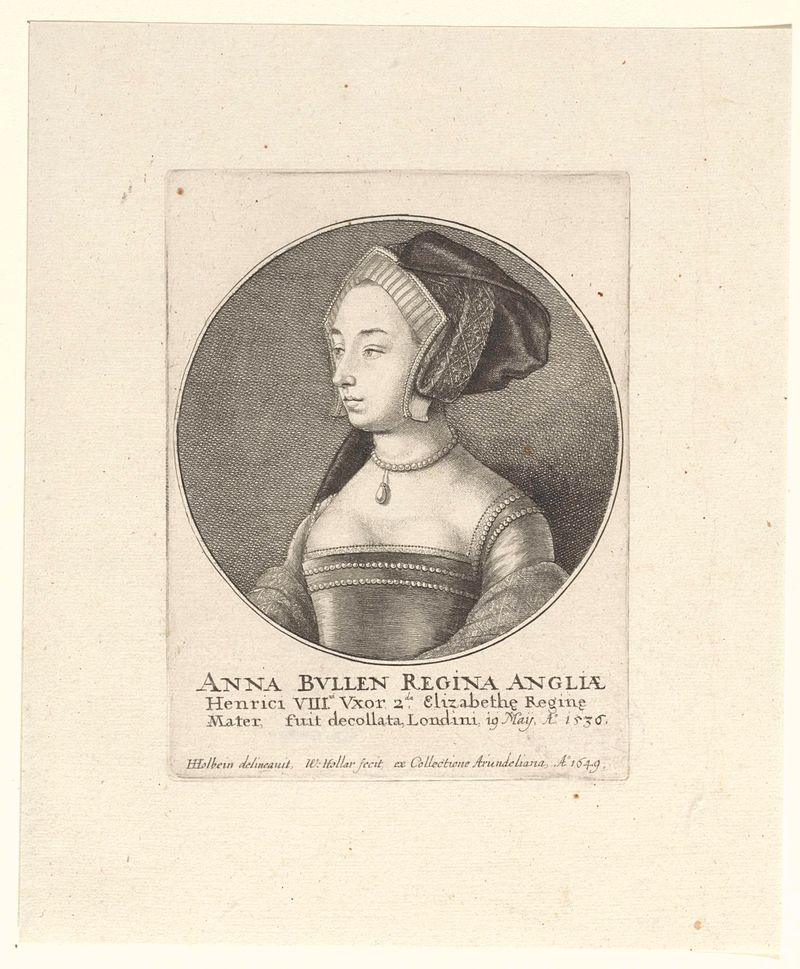
Portret van Anna Boleyn, koningin van Engeland
Wenceslaus Hollar
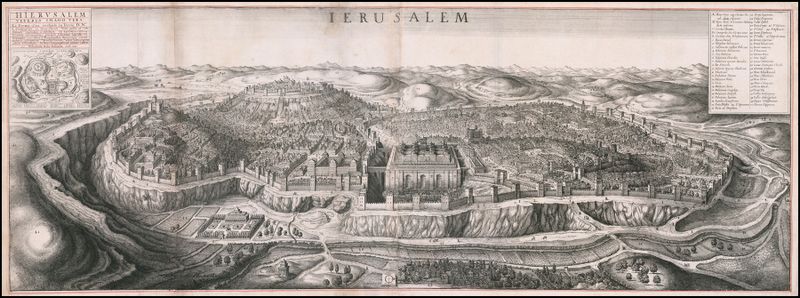
Bird’s eye view of Jerusalem
Wenceslaus Hollar
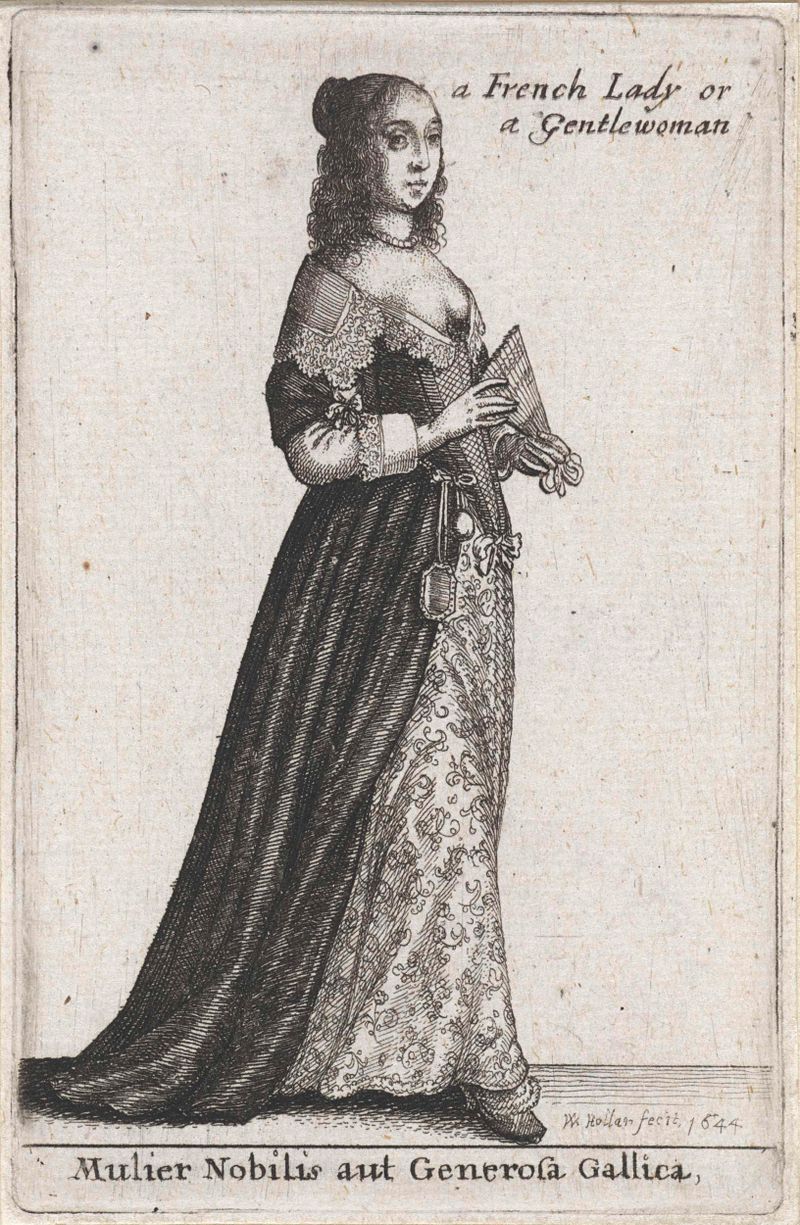
Mulier Nobilis aut Generosa Gallica / a French Lady or Gentlewoman
Wenceslaus Hollar
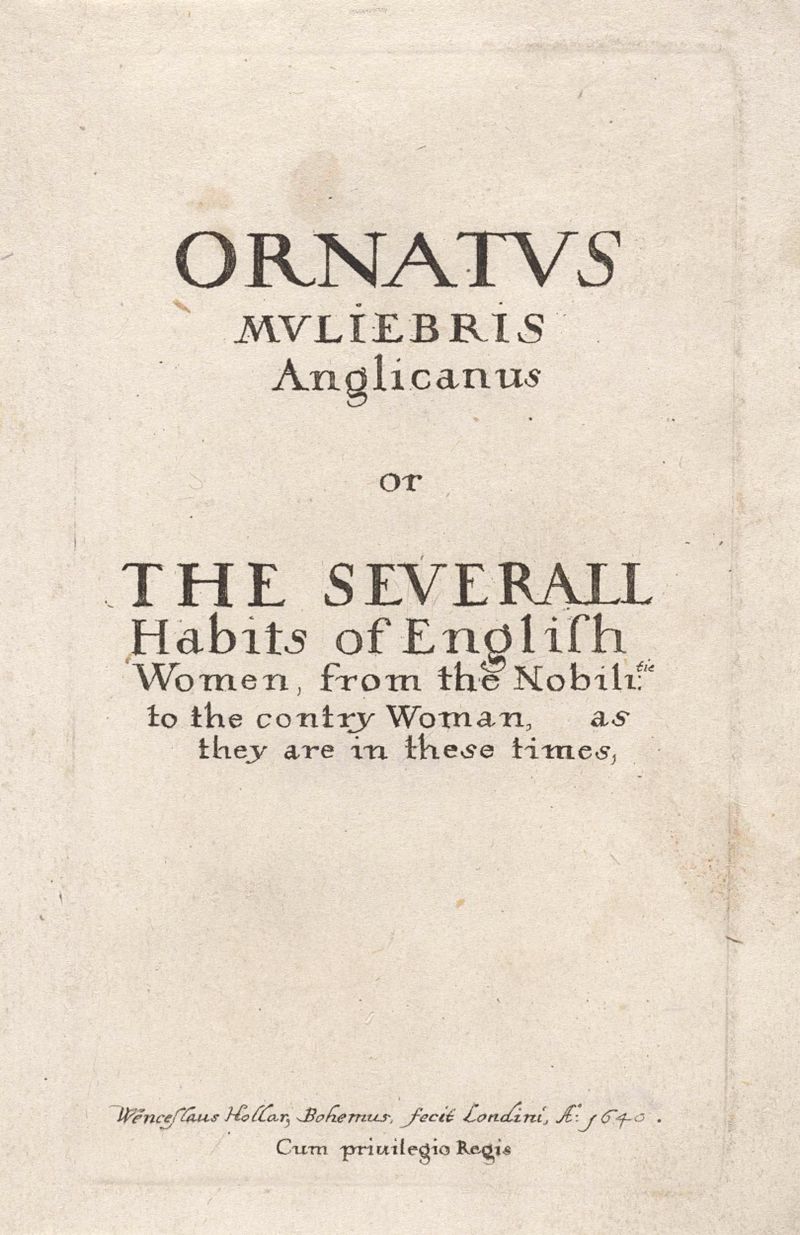
Titelprent voor: Ornatus Muliebris Anglicanus
Wenceslaus Hollar
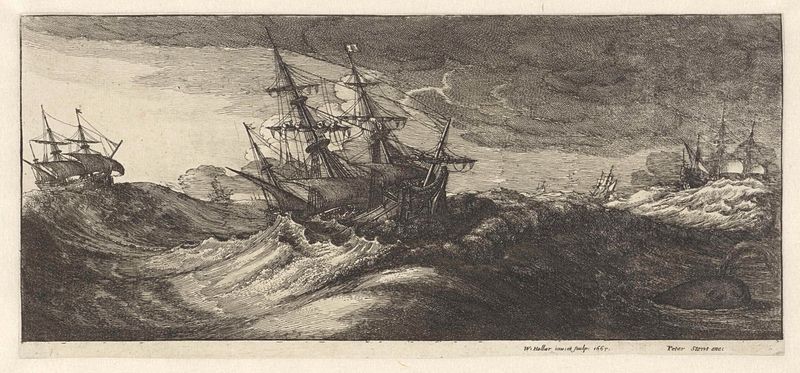
Oorlogsschepen en een walvis in een zeestorm
Wenceslaus Hollar
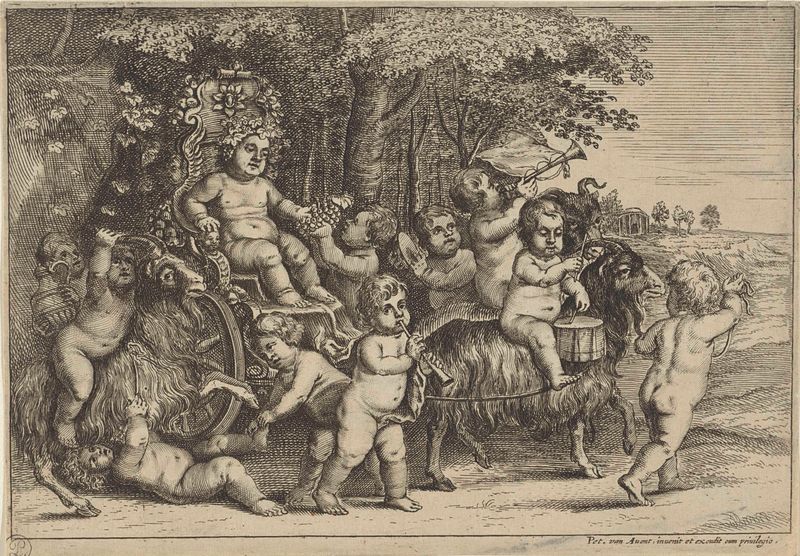
Optocht van bacchant en jongetjes op geiten
Wenceslaus Hollar
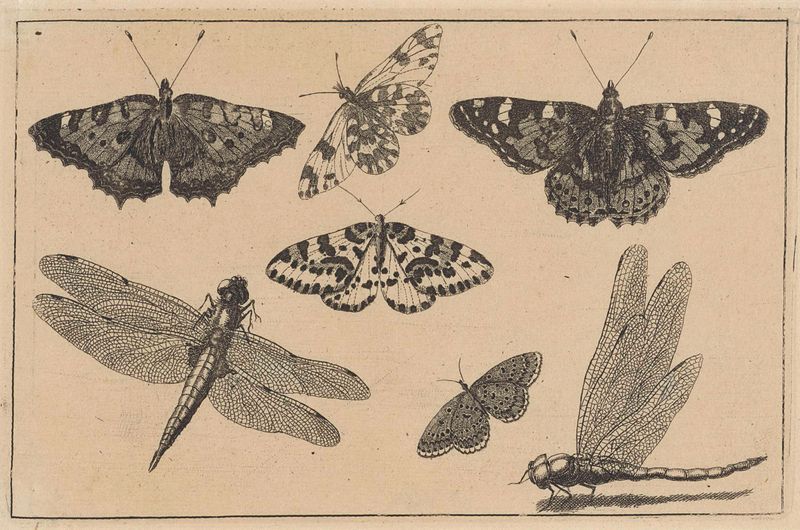
Twee libellen en vijf vlinders
Wenceslaus Hollar
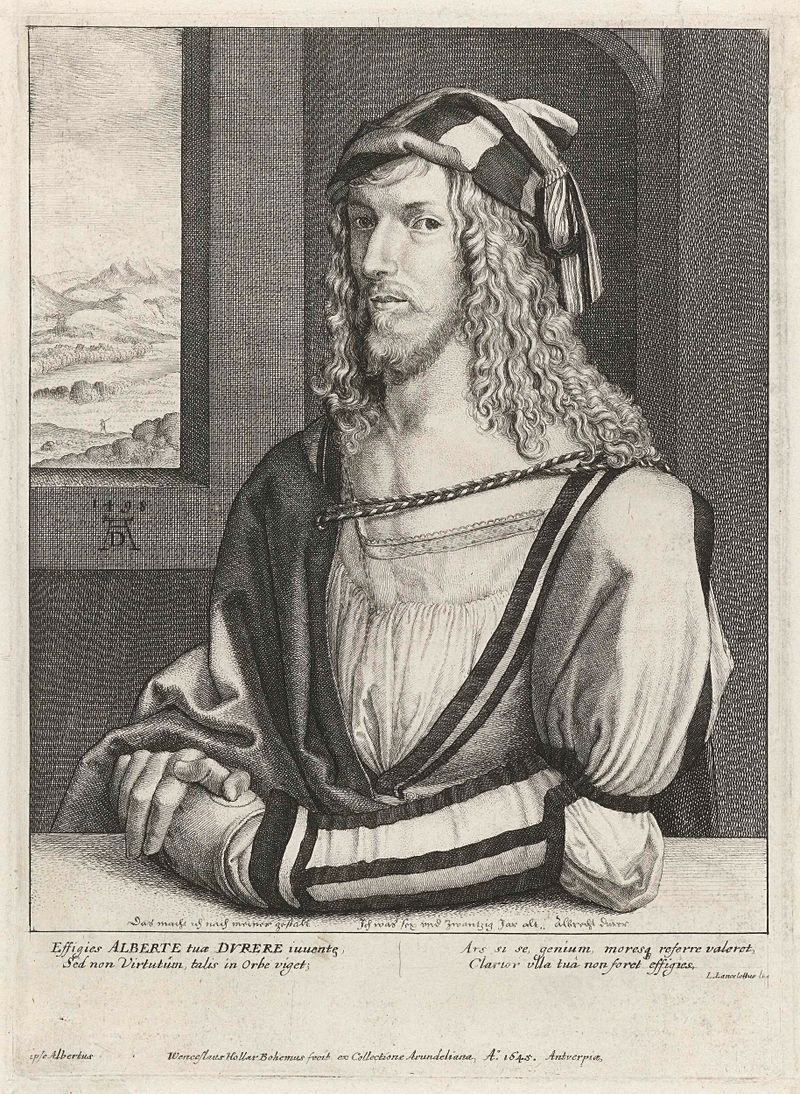
Portret van Albrecht Dürer
Wenceslaus Hollar
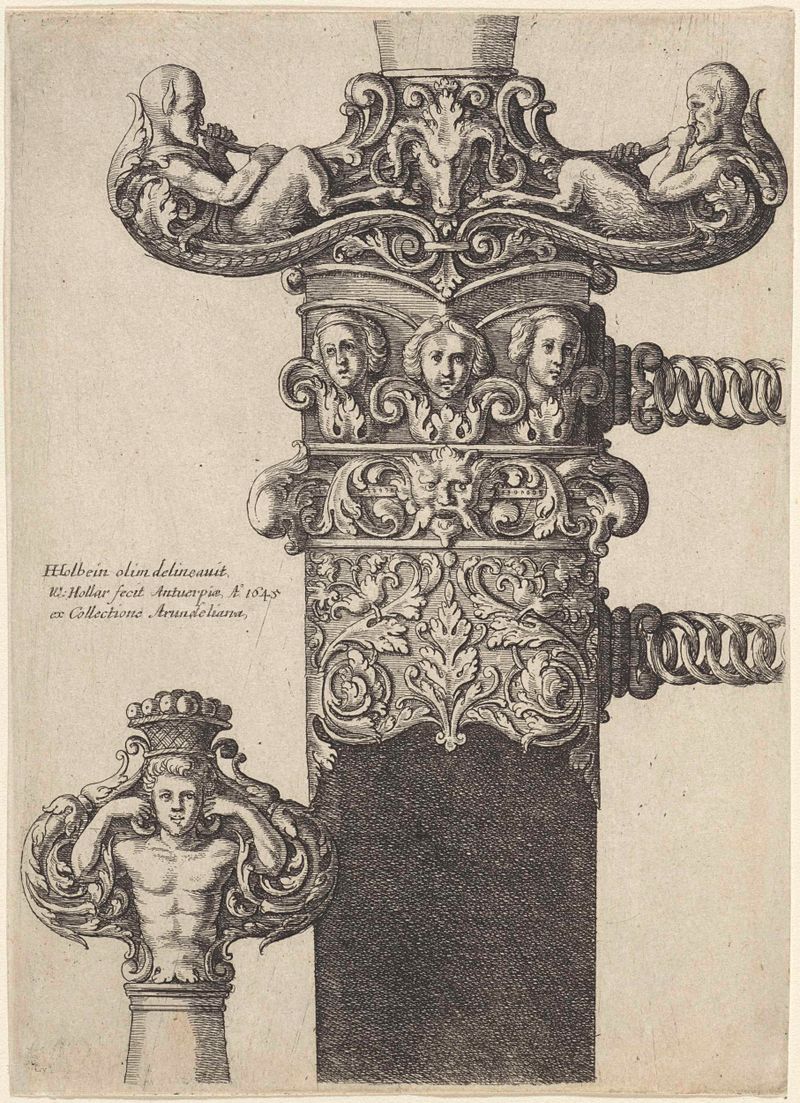
Ornamenteel ontwerp voor een dolk
Wenceslaus Hollar
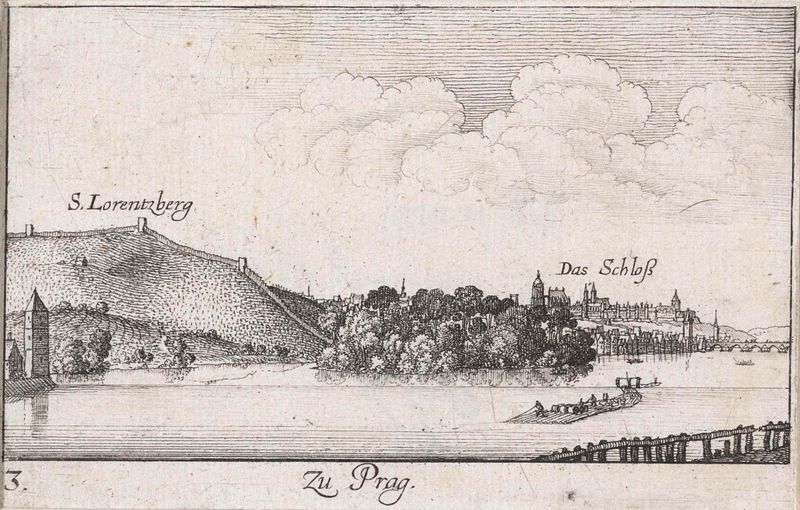
Gezicht op Praag vanaf de Moldau
Wenceslaus Hollar
More Portrait Art
Browse all →
Las meninas
Diego Velázquez

Self-portrait with a Bandaged Ear and Pipe
Unidentified artist

Girl with a Pearl Earring
Johannes Vermeer

The Sampling Officials of the Amsterdam Drapers’ Guild, Known as ‘The Syndics’
Rembrandt van Rijn

The Hundred Guilder Print: the man seen on the back in the lower left corner
Rembrandt van Rijn

Portrait of Dr Gachet
Vincent van Gogh