
Vrouw met zwarte hoofddoek — History & Facts
In the stillness of capture, the essence of longing unfolds, connecting the viewer to a moment suspended in time. Focus on the woman’s intense gaze, framed by her black headscarf, a stark contrast against the soft, muted tones that envelop her. Notice how the delicate brushwork brings life to the textured fabric, the intricate folds echoing the complexity of her thoughts. The gentle play of light highlights her features, suggesting a depth of emotion that invites you to ponder her story. Each detail whispers a narrative; the headscarf not only serves as adornment but symbolizes restraint, perhaps even the weight of expectation.
The subtle shadows that linger in the background cast a sense of melancholy, hinting at untold sorrows or memories lost in the passage of time. This juxtaposition between her serene expression and the darker undertones speaks to the human experience of nostalgia, where past and present intertwine. Wenceslaus Hollar created this poignant work between 1644 and 1647, during a time when he navigated the shifting art scene of Baroque Europe after fleeing his native Prague. Settling in London, he explored printmaking and drawing, influenced by the chiaroscuro style that defined the era.
This painting reflects both his personal journey and the broader artistic dialogues of his time, capturing the delicate balance of emotion and observation that characterizes his oeuvre.
More Artworks by Wenceslaus Hollar
Browse all →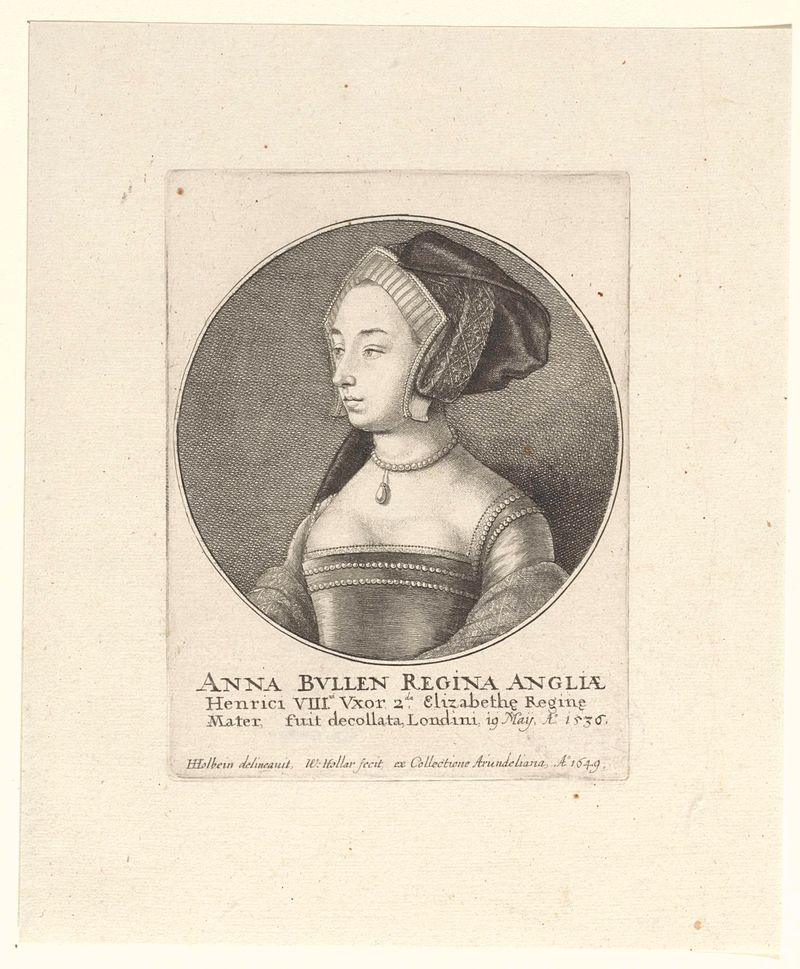
Portret van Anna Boleyn, koningin van Engeland
Wenceslaus Hollar
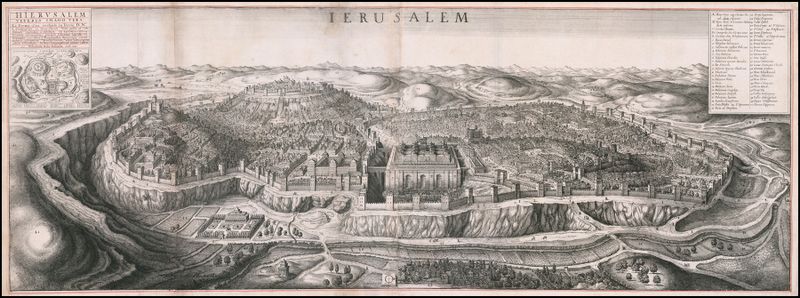
Bird’s eye view of Jerusalem
Wenceslaus Hollar
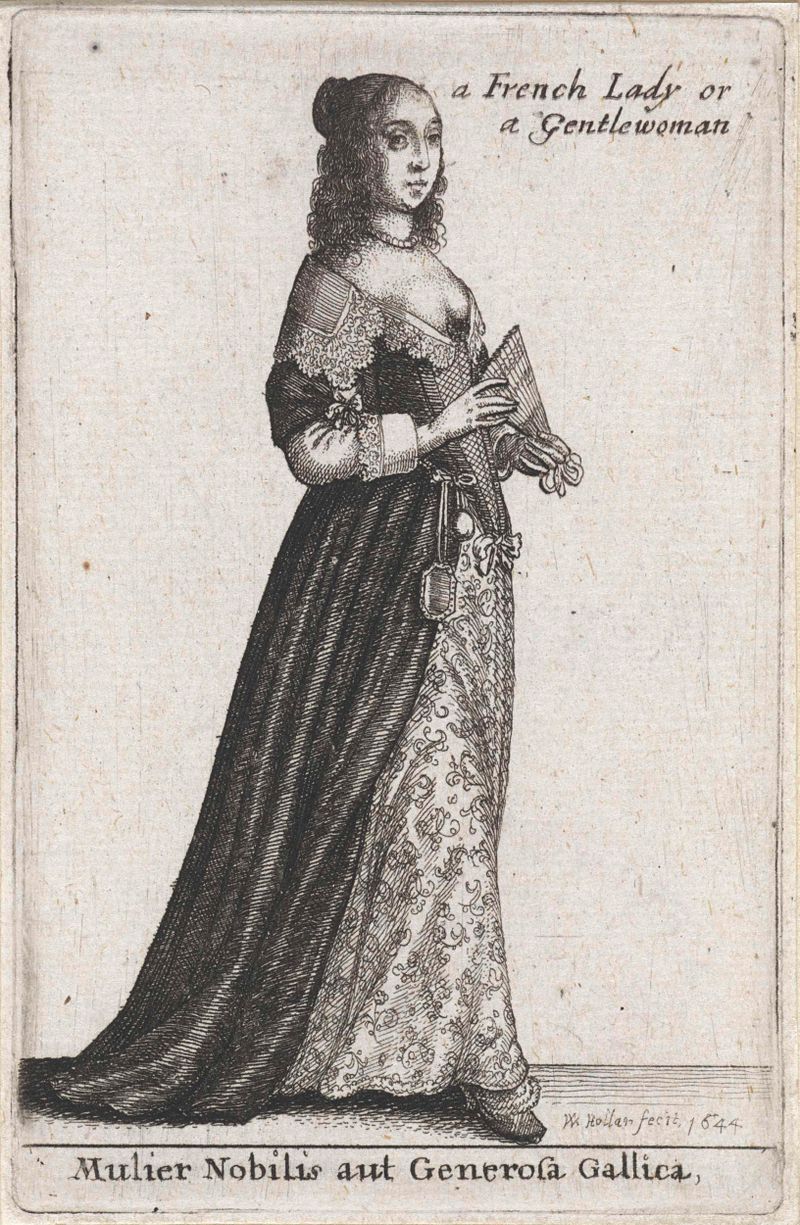
Mulier Nobilis aut Generosa Gallica / a French Lady or Gentlewoman
Wenceslaus Hollar
Titelprent voor: Ornatus Muliebris Anglicanus
Wenceslaus Hollar
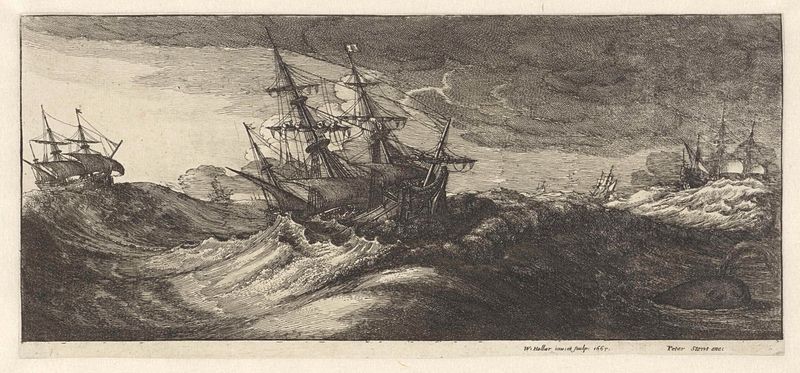
Oorlogsschepen en een walvis in een zeestorm
Wenceslaus Hollar
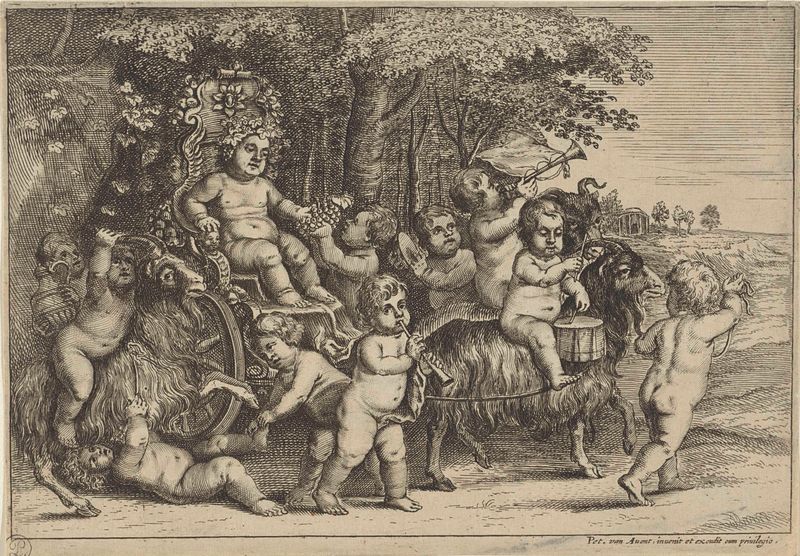
Optocht van bacchant en jongetjes op geiten
Wenceslaus Hollar
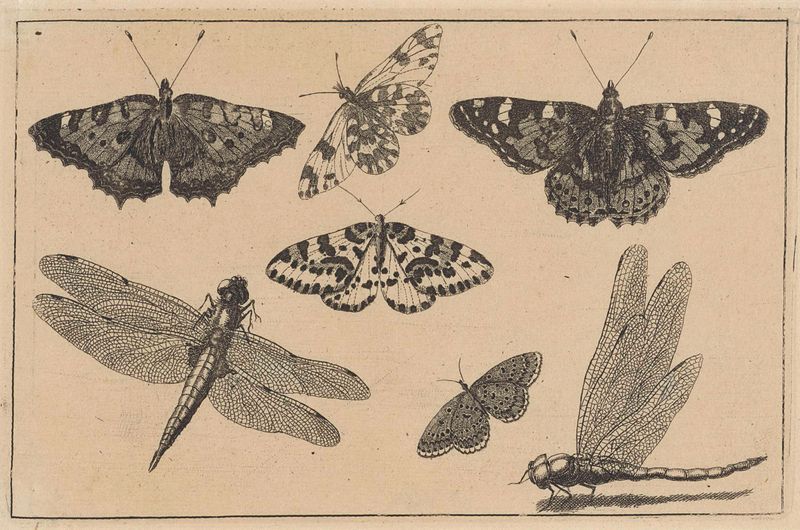
Twee libellen en vijf vlinders
Wenceslaus Hollar
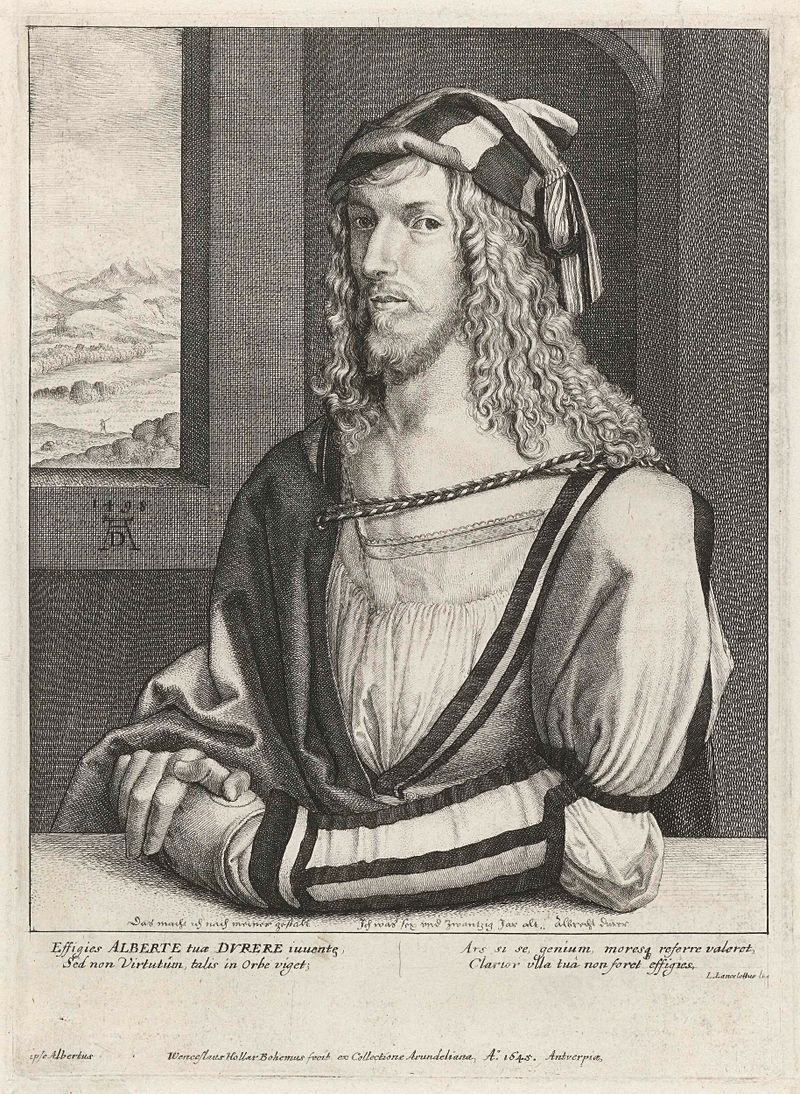
Portret van Albrecht Dürer
Wenceslaus Hollar
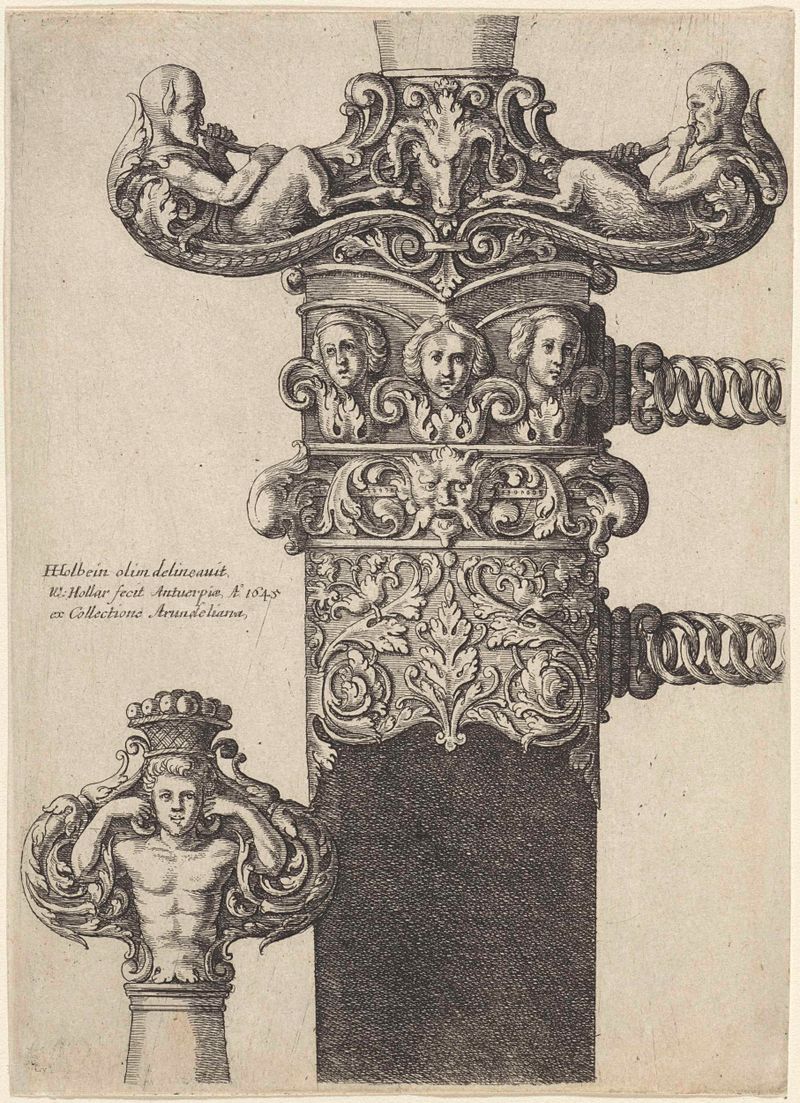
Ornamenteel ontwerp voor een dolk
Wenceslaus Hollar
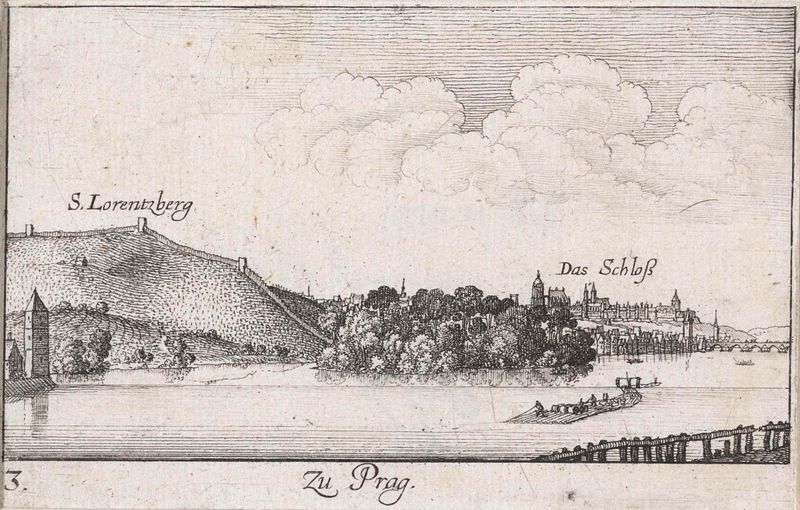
Gezicht op Praag vanaf de Moldau
Wenceslaus Hollar
More Portrait Art
Browse all →
Las meninas
Diego Velázquez

Self-portrait with a Bandaged Ear and Pipe
Unidentified artist

Girl with a Pearl Earring
Johannes Vermeer

The Sampling Officials of the Amsterdam Drapers’ Guild, Known as ‘The Syndics’
Rembrandt van Rijn

The Hundred Guilder Print: the man seen on the back in the lower left corner
Rembrandt van Rijn

Portrait of Dr Gachet
Vincent van Gogh