
Vrouw met zwarte hoofddoek en stola van bont — History & Facts
Can paint confess what words never could? In Vrouw met zwarte hoofddoek en stola van bont, the essence of nostalgia lingers like a fragrance in the air, inviting the viewer to explore the depths of memory and presence. Look to the left at the woman’s expressive eyes, sheltered beneath a rich black headscarf. The delicate interplay of light and shadow reveals the subtle textures of her fur stole, its luxuriousness contrasting with the somberness of her attire. The careful rendering of her features, particularly the gentle curve of her cheek, draws you into an intimate moment, as if you are witnessing a private thought or recollection. Beneath the surface lies an emotional tension between warmth and reserve.
The black of her scarf serves not only as a shield but also as a canvas for the complex layers of her identity. The fur stole, a symbol of comfort, stands in stark opposition to the muted palette of her clothing, creating a dialogue between the richness of life and the stark realities that often accompany it. Each brushstroke resonates with the weight of her story, suggesting both vulnerability and strength. Wenceslaus Hollar created this poignant work in 1642 while living in the Netherlands, a time marked by artistic flourishing amidst political turmoil.
His meticulous attention to detail was often celebrated, and during this period, he became known for his ability to translate emotional depth into visual forms. This painting reflects not just a moment captured in time, but the artist's exploration of human experience—a theme that resonates with profound clarity today.
More Artworks by Wenceslaus Hollar
Browse all →
Portret van Anna Boleyn, koningin van Engeland
Wenceslaus Hollar
Bird’s eye view of Jerusalem
Wenceslaus Hollar
Mulier Nobilis aut Generosa Gallica / a French Lady or Gentlewoman
Wenceslaus Hollar
Titelprent voor: Ornatus Muliebris Anglicanus
Wenceslaus Hollar
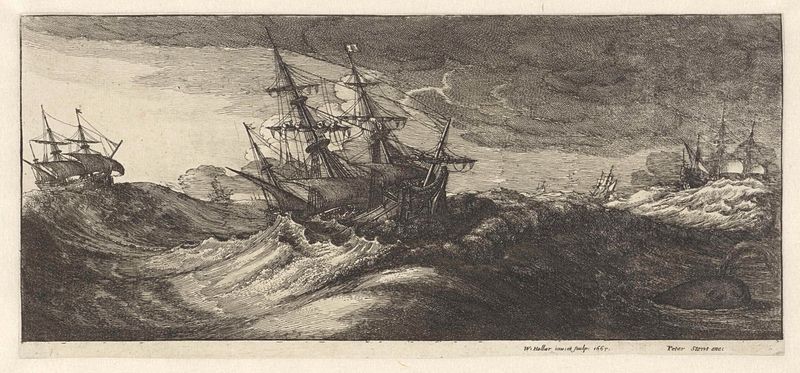
Oorlogsschepen en een walvis in een zeestorm
Wenceslaus Hollar
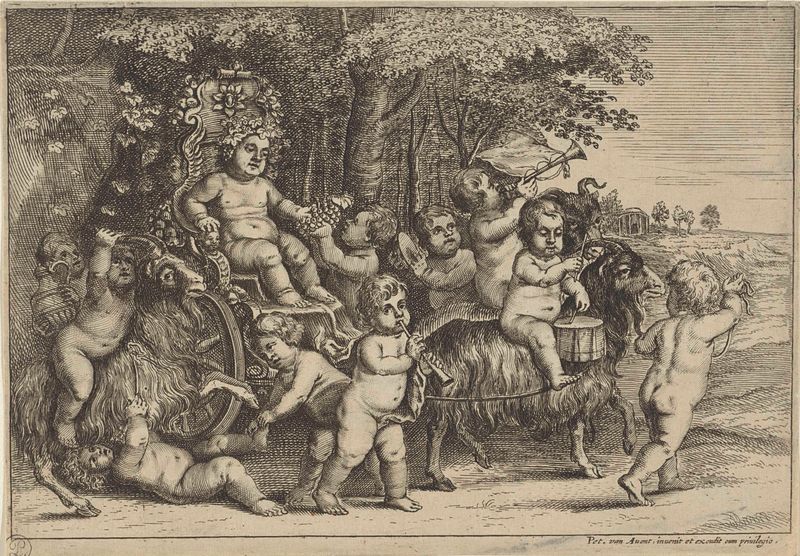
Optocht van bacchant en jongetjes op geiten
Wenceslaus Hollar
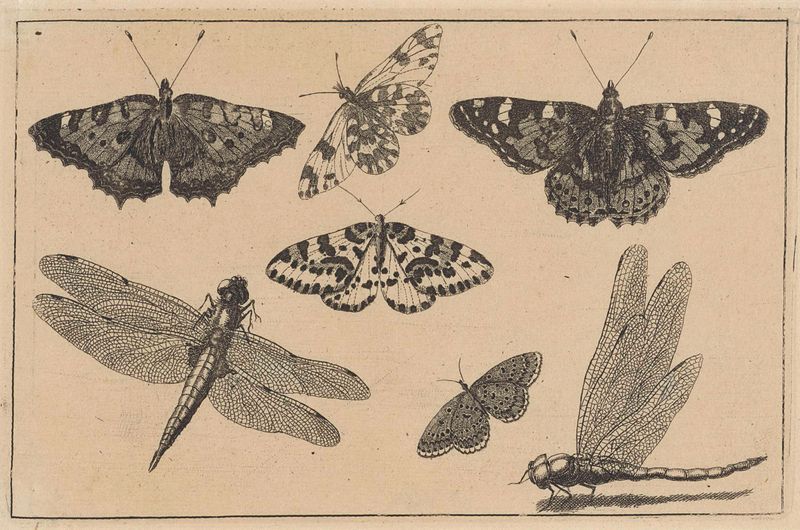
Twee libellen en vijf vlinders
Wenceslaus Hollar
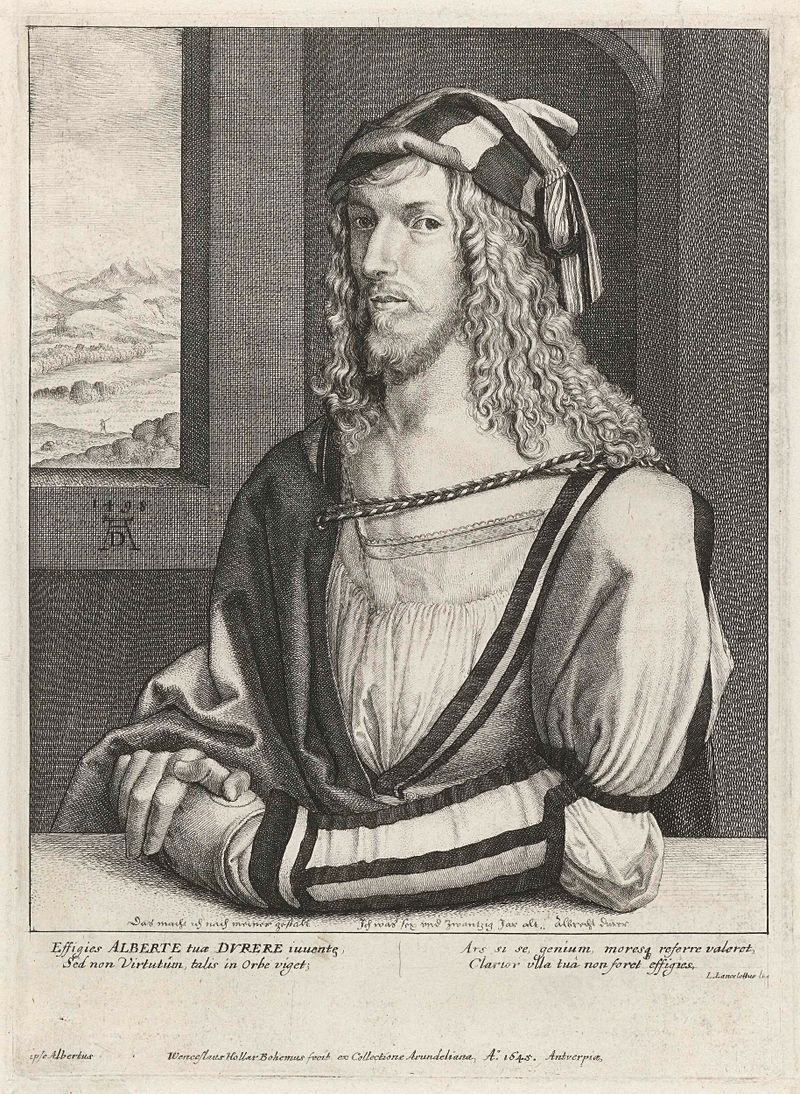
Portret van Albrecht Dürer
Wenceslaus Hollar
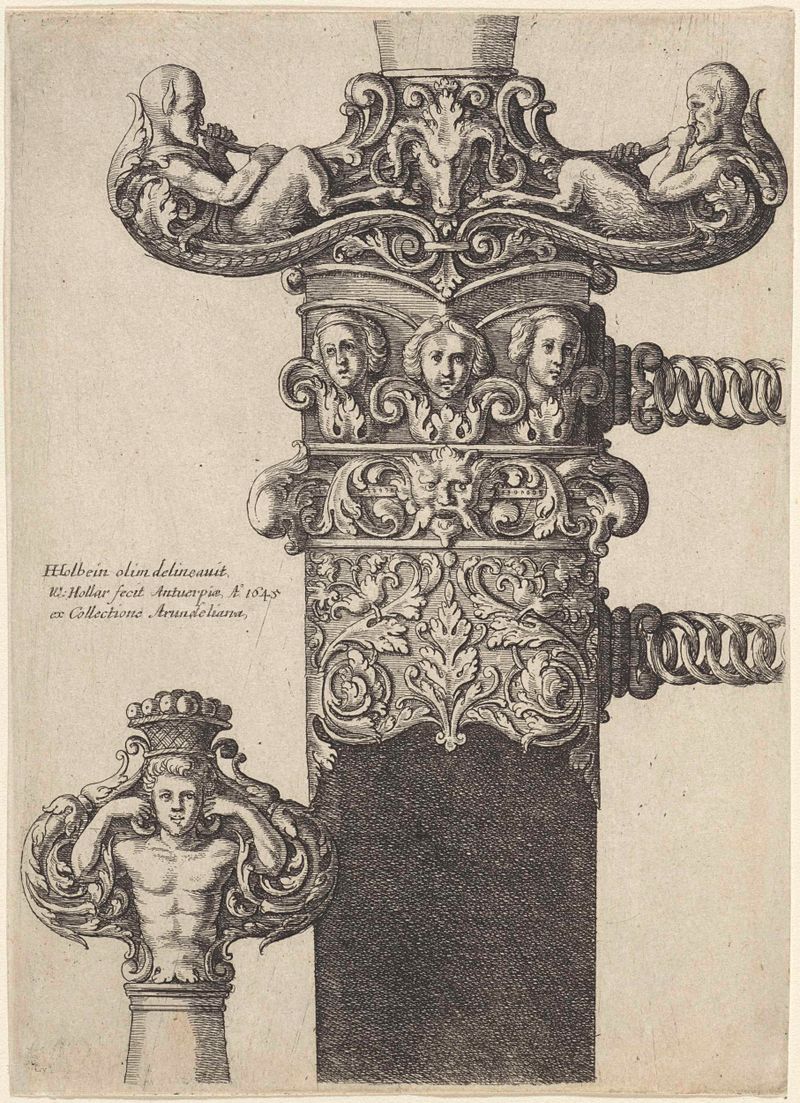
Ornamenteel ontwerp voor een dolk
Wenceslaus Hollar
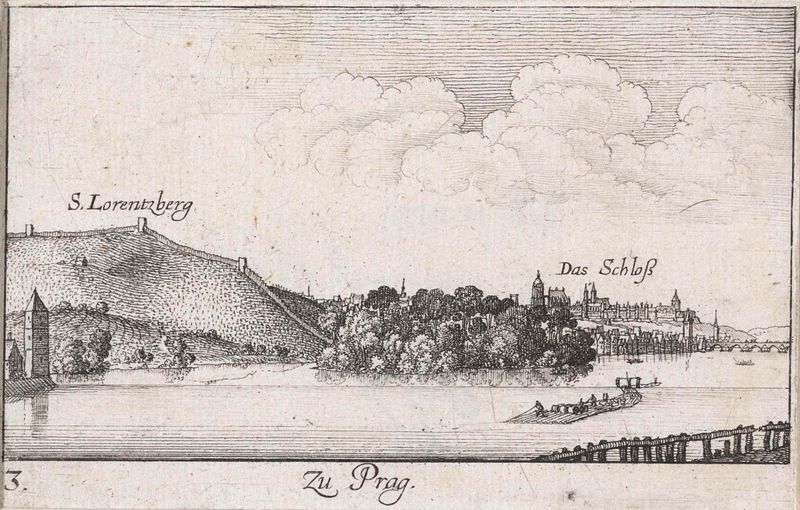
Gezicht op Praag vanaf de Moldau
Wenceslaus Hollar
More Portrait Art
Browse all →
Las meninas
Diego Velázquez

Self-portrait with a Bandaged Ear and Pipe
Unidentified artist

Girl with a Pearl Earring
Johannes Vermeer

The Sampling Officials of the Amsterdam Drapers’ Guild, Known as ‘The Syndics’
Rembrandt van Rijn

The Hundred Guilder Print: the man seen on the back in the lower left corner
Rembrandt van Rijn

Portrait of Dr Gachet
Vincent van Gogh