Vue de la Galerie d’Issel — History & Facts
What secret hides in the quiet of the canvas? In Gabriel Lory the Younger’s Vue de la Galerie d’Issel, we are drawn into a world of serene rebirth, where every brushstroke whispers of nature's revival and the promise of new beginnings. Look to the right at the cascading greenery that spills over the meticulously arranged gallery. The vibrant hues of green juxtapose against the stone architecture, inviting a sense of harmony between man-made structures and the wild energy of nature. Notice how the light filters through the foliage, casting delicate shadows that dance across the ground, suggesting a moment suspended in time.
The composition subtly directs our gaze along the path, guiding us deeper into this tranquil scene, while the layered colors evoke a sense of freshness that resonates with the theme of rejuvenation. Delve deeper, and you’ll find emotional undercurrents stitched into the fabric of the landscape. The interplay between the rigid lines of the gallery and the soft, fluid forms of the surrounding vegetation reflects a delicate balance between civilization and the untamed wilderness, symbolizing the coexistence of human ambition and the enduring vitality of nature. The painting hints at a rebirth not just of the season but of the very idea of harmony, urging us to appreciate the beauty found in the union of structure and life. In 1811, Lory painted this piece during a time of artistic transition in Europe, as Romanticism began to challenge the order of Neoclassicism.
Living in Switzerland, Lory was deeply influenced by the landscapes that surrounded him, capturing the essence of both his environment and the burgeoning movement. His works, often imbued with emotional landscapes, resonate with the zeitgeist of a society grappling with change, reflecting a yearning for connection to the natural world.
More Artworks by Gabriel Lory the Younger
Browse all →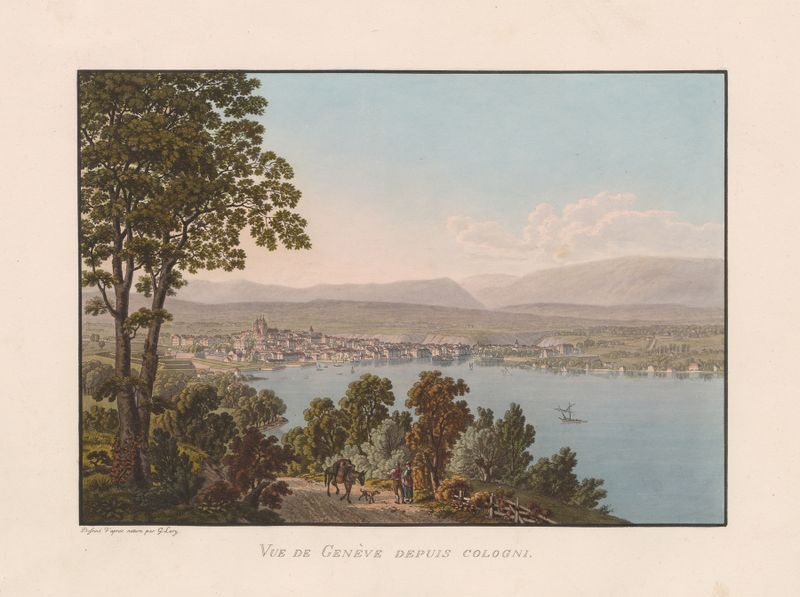
Vue de Genève depuis Cologni
Gabriel Lory the Younger
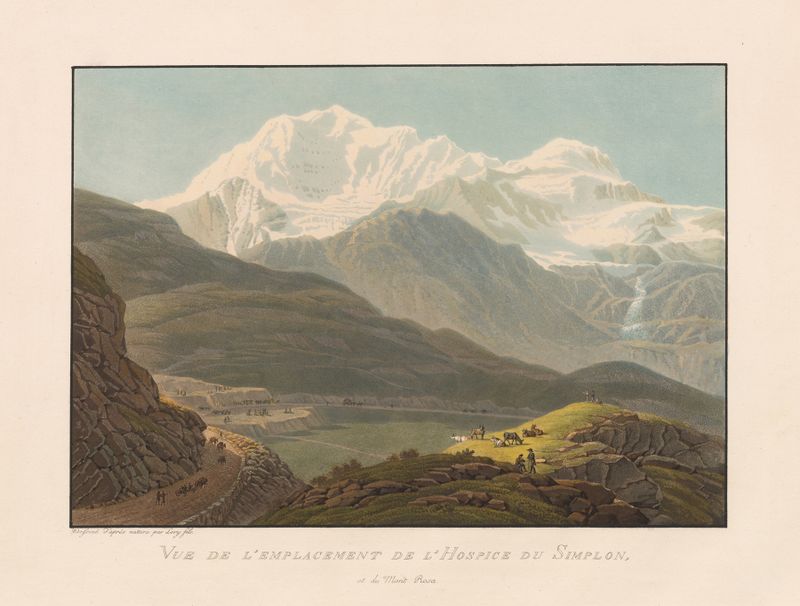
Vue de l’emplacement de l’Hospice du Simplon, et du Mont Rosa
Gabriel Lory the Younger
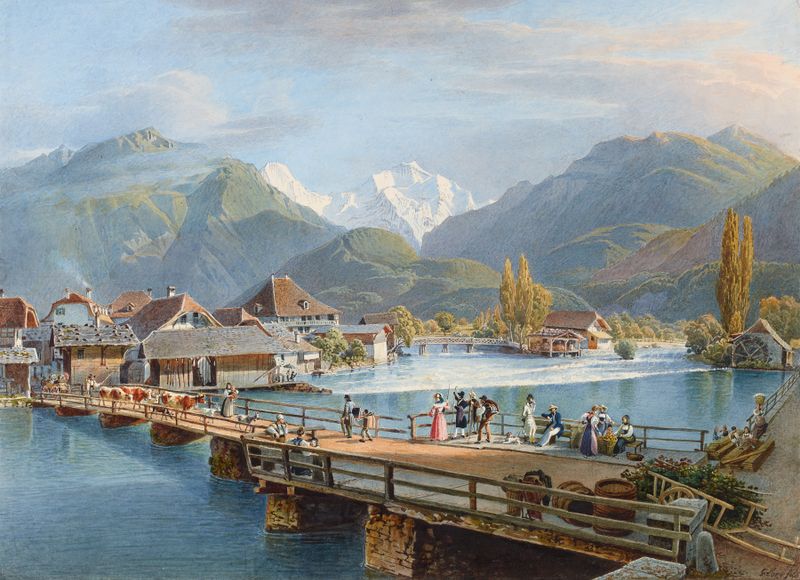
Unterseen mit Blick auf die Jungfrau
Gabriel Lory the Younger
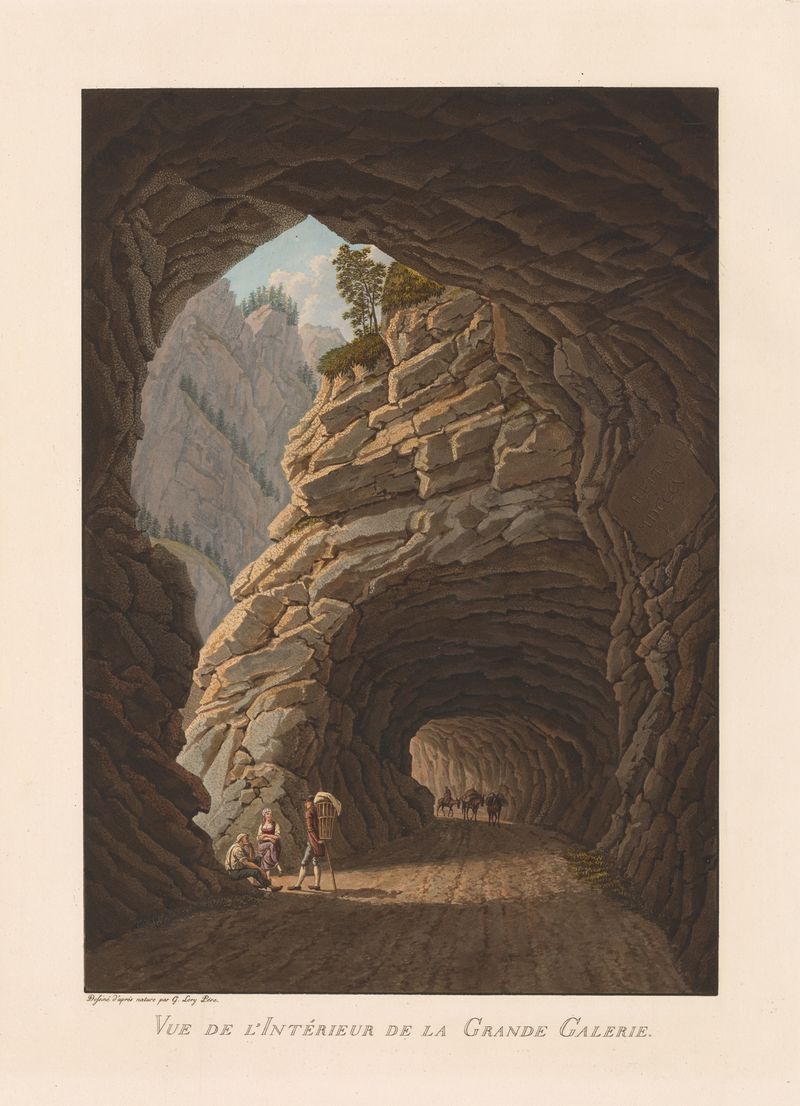
Vue de l’intérieur de la Grande Galerie
Gabriel Lory the Younger
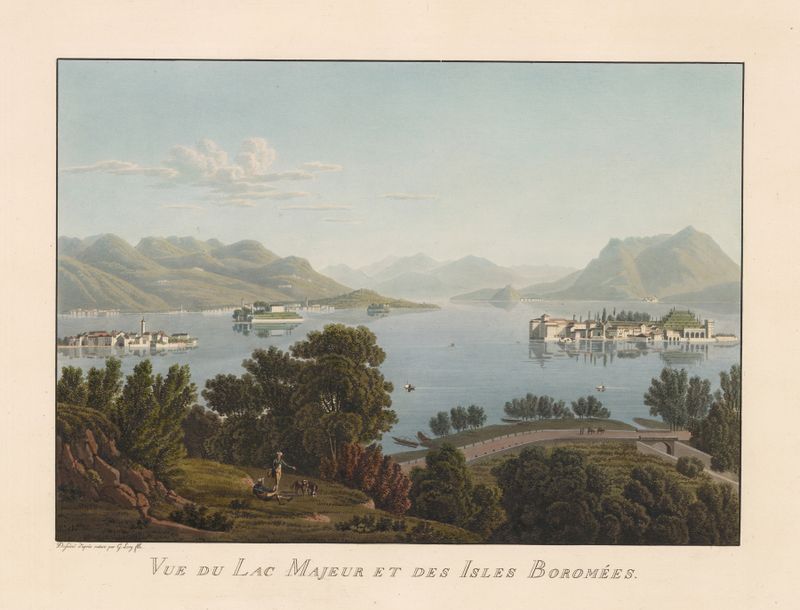
Vue du Lac Majeur et des Isles Boromées
Gabriel Lory the Younger
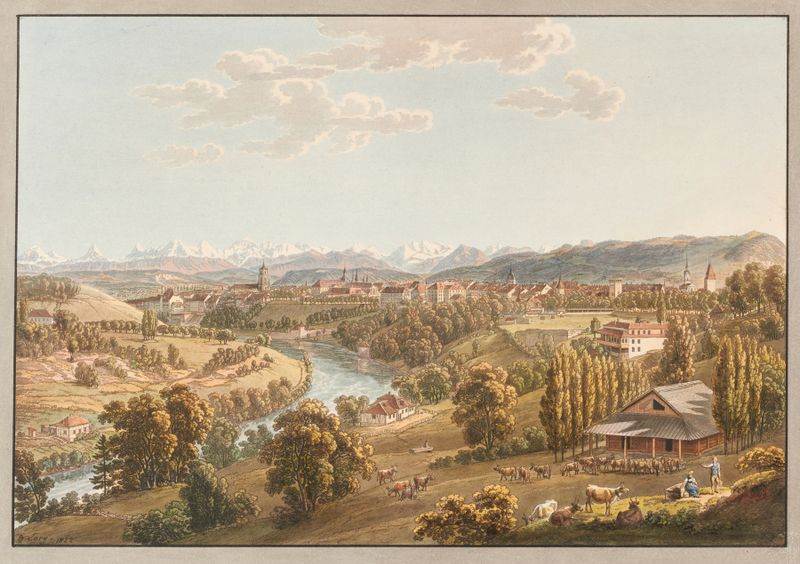
Vue de la ville de Berne
Gabriel Lory the Younger
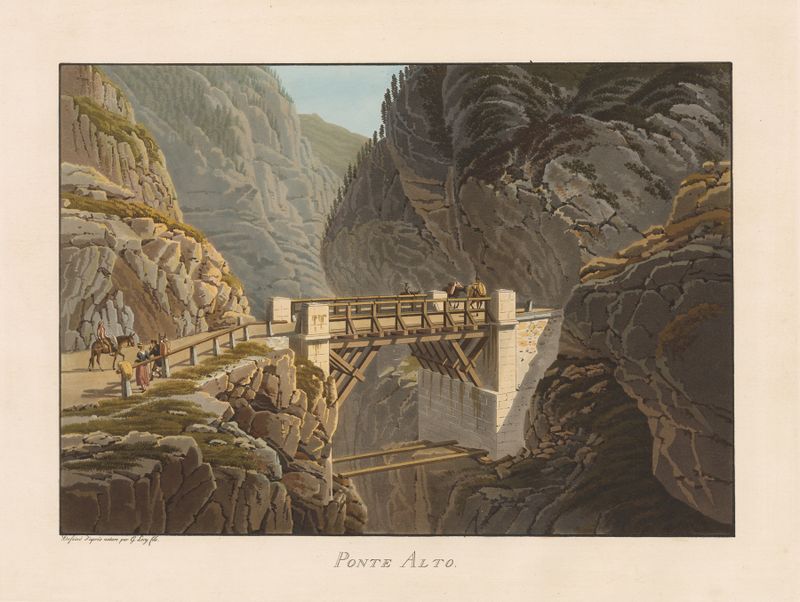
Ponte Alto
Gabriel Lory the Younger
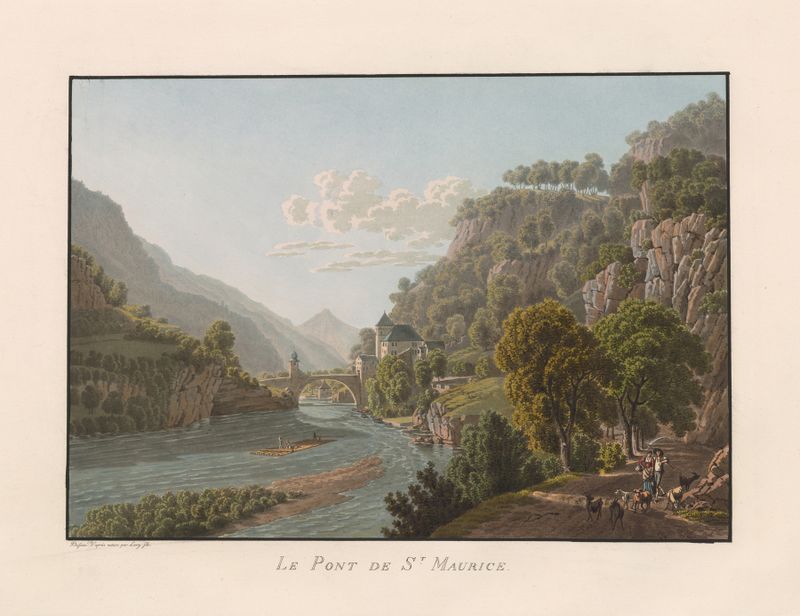
Le Pont de St. Maurice
Gabriel Lory the Younger
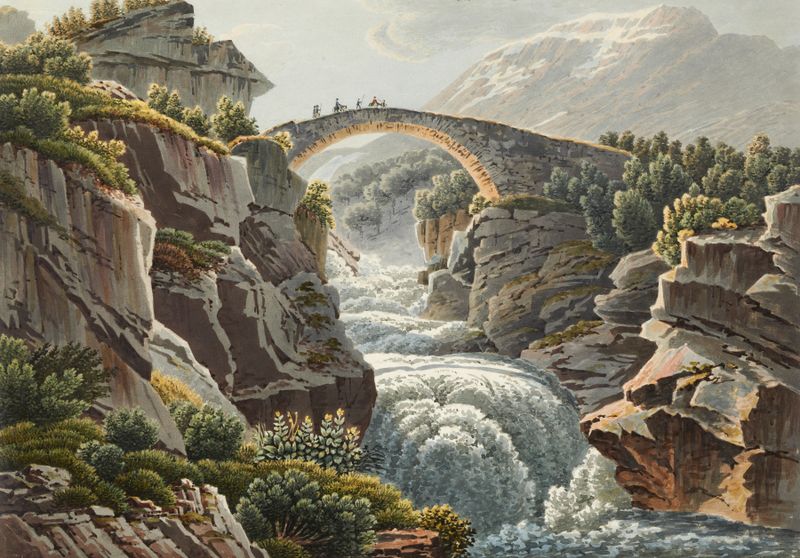
Pont sur l’Aar au passage du Grimsel
Gabriel Lory the Younger
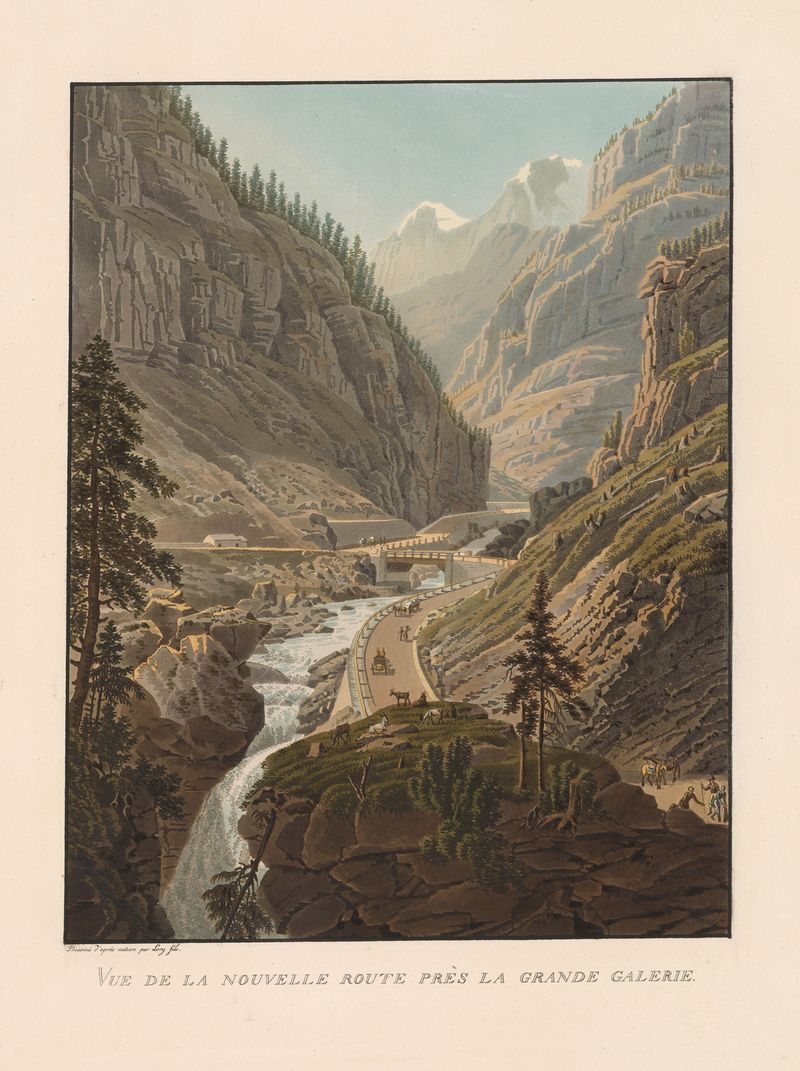
Vue de la nouvelle route près la Grande Galerie
Gabriel Lory the Younger