
Vue de la Montagne du Spitzebühl, au Canton de Schwitz — History & Facts
Who listens when art speaks of silence? In Vue de la Montagne du Spitzebühl, au Canton de Schwitz, a profound stillness envelops the landscape, revealing a world where nature and human perception intertwine. Look to the foreground where lush, verdant valleys stretch out, inviting the viewer into the composition. The artist utilizes a palette of muted greens and earthy browns, which contrast against the cool, bluish hues of the distant mountains. Notice how the light falls upon the peaks, illuminating them softly as if revealing a hidden truth.
The gentle brushstrokes convey a sense of tranquility, yet the underlying tension lies in the juxtaposition of the serene landscape against the starkness of the mountains looming in the background. As you explore further, the painting's emotional depths emerge. The calmness of the valley signifies peace, while the towering mountains evoke a sense of both awe and isolation. This contrast may reflect the human experience—our yearning for serenity, juxtaposed with the realities of life’s challenges.
Schmid encapsulates this duality beautifully, allowing the viewer to ponder the revelations that silence can bring. Created amidst the tumult of World War II, Schmid painted this work between 1915 and 1945 in Switzerland, a country spared from the direct horrors of war yet still grappling with the shadows it cast across Europe. During this tumultuous period, the artist sought solace in nature, capturing its beauty as a refuge from chaos. The painting serves not only as a testament to Schmid's artistic vision but also as a reminder of the quiet strength found in the natural world during times of turmoil.
More Artworks by David Alois Schmid
Browse all →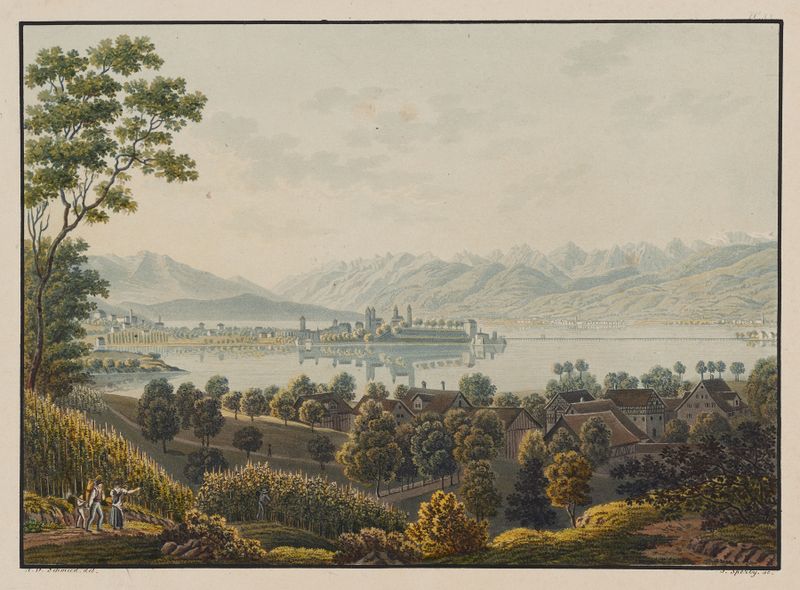
Vue de Rapperschwyl vers Lachen lac de Zurich
David Alois Schmid
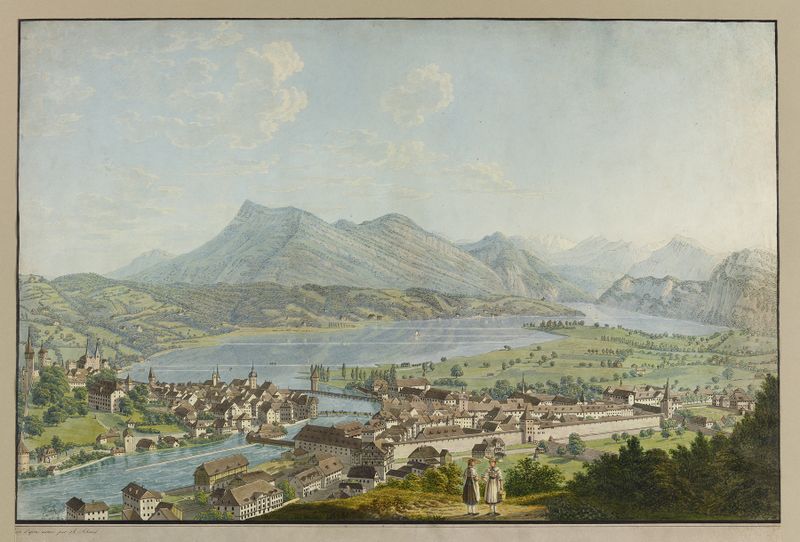
Luzern, von Westen
David Alois Schmid
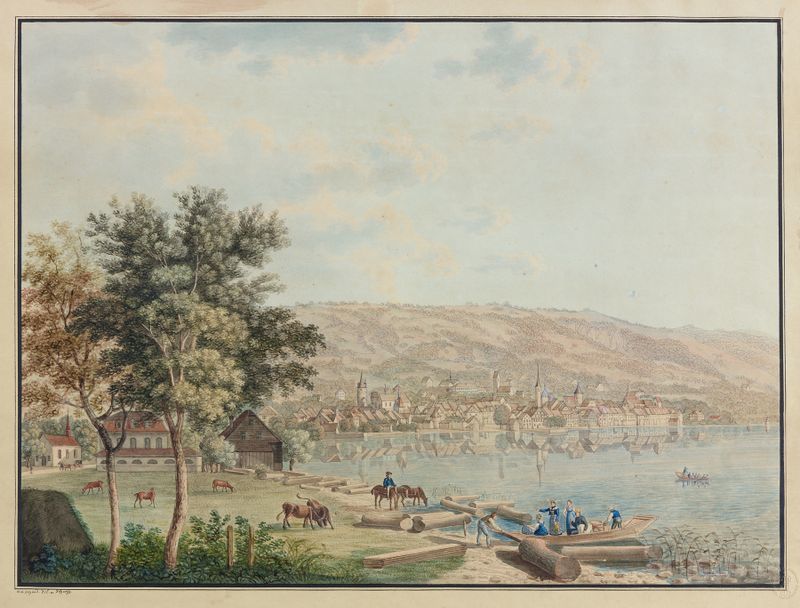
Ansicht der Stadt Zug und des Zugersees
David Alois Schmid
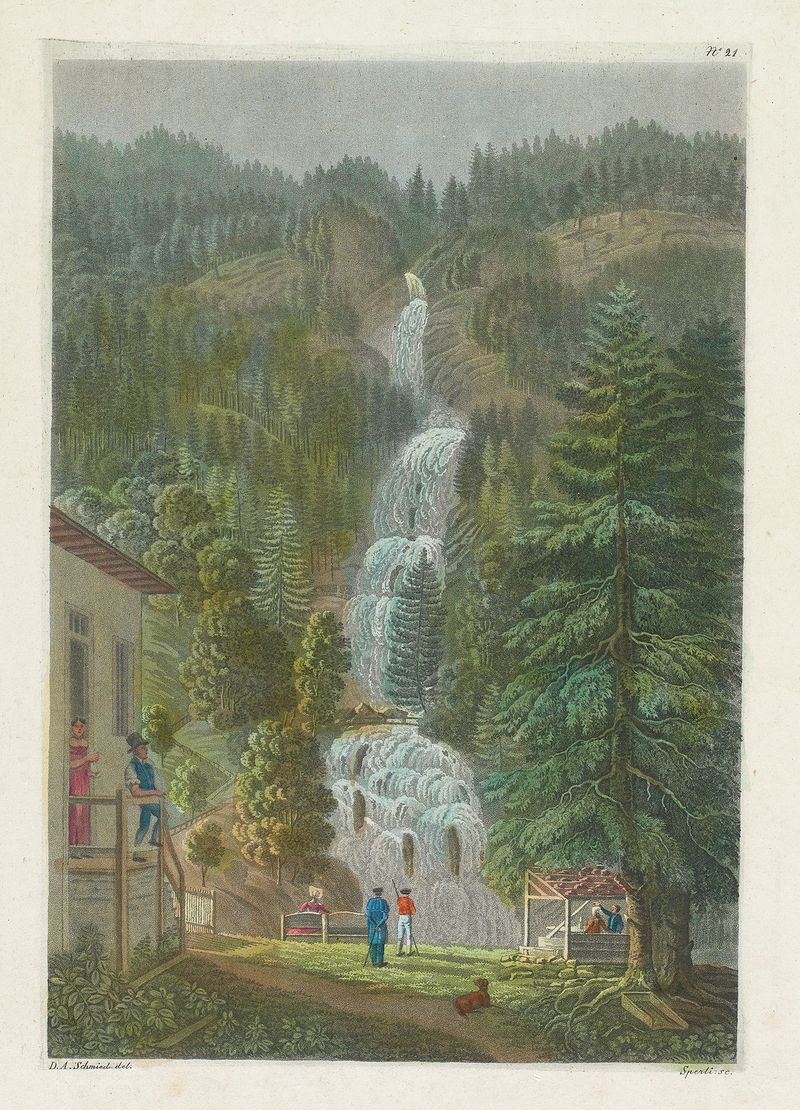
La Cascade du Giessbach
David Alois Schmid
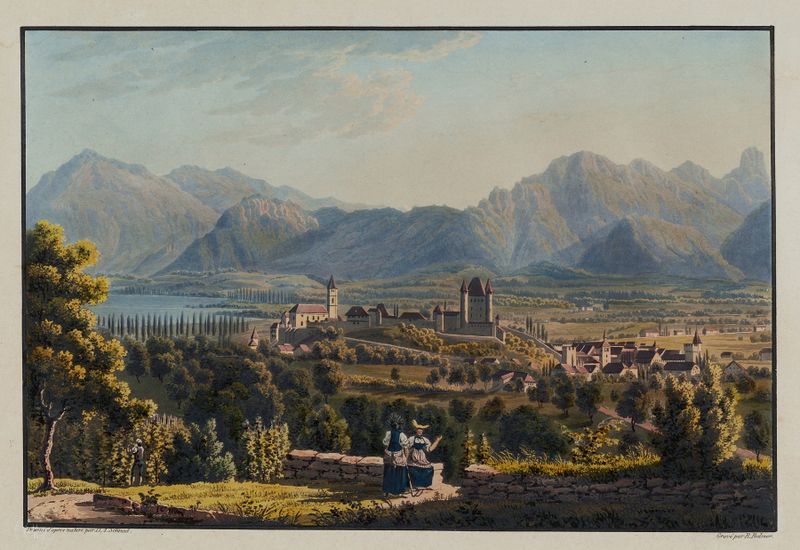
Thoun vers le Niesen et le Stokhorn
David Alois Schmid
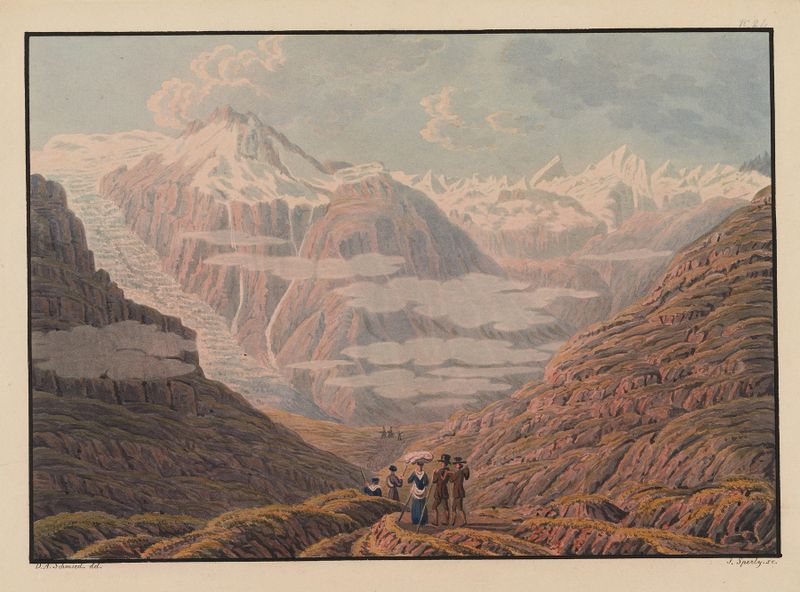
Vue prise au passage de la Furka Cant. d’Ury
David Alois Schmid
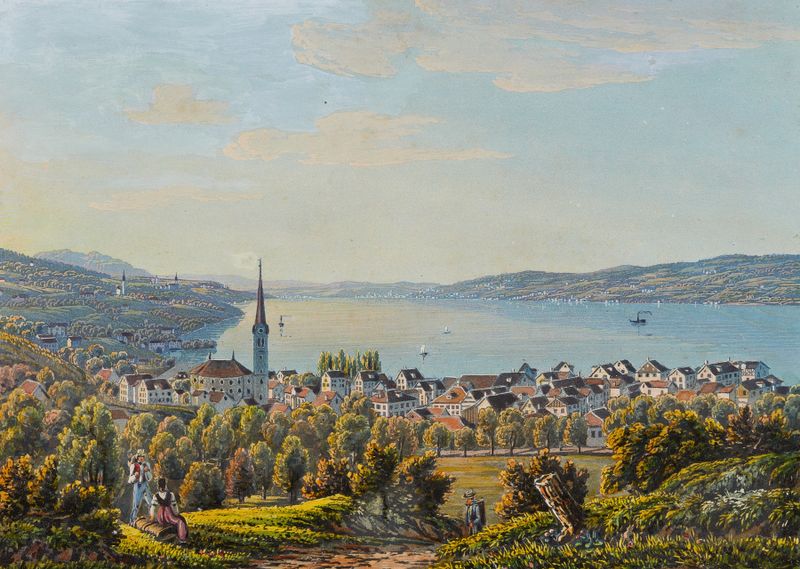
Vue de Horgen lac de Zurich
David Alois Schmid
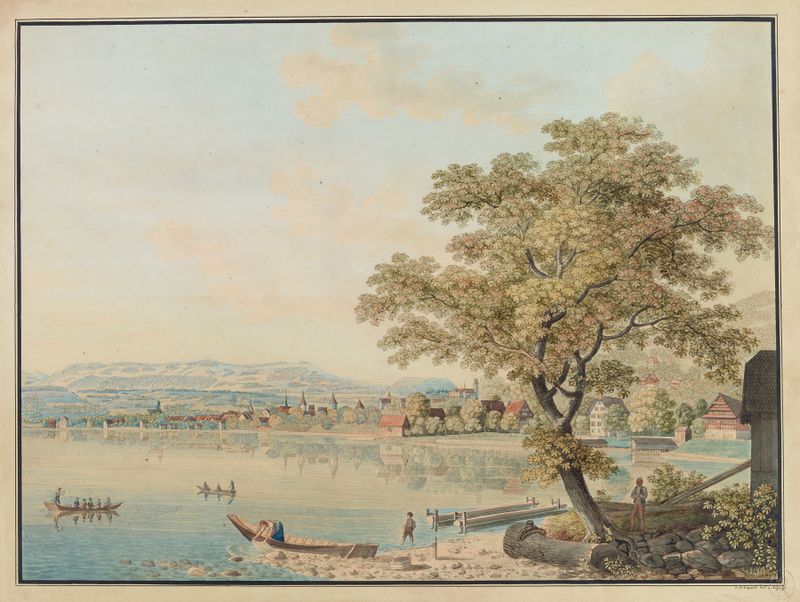
Zug, Ortsteilansicht
David Alois Schmid
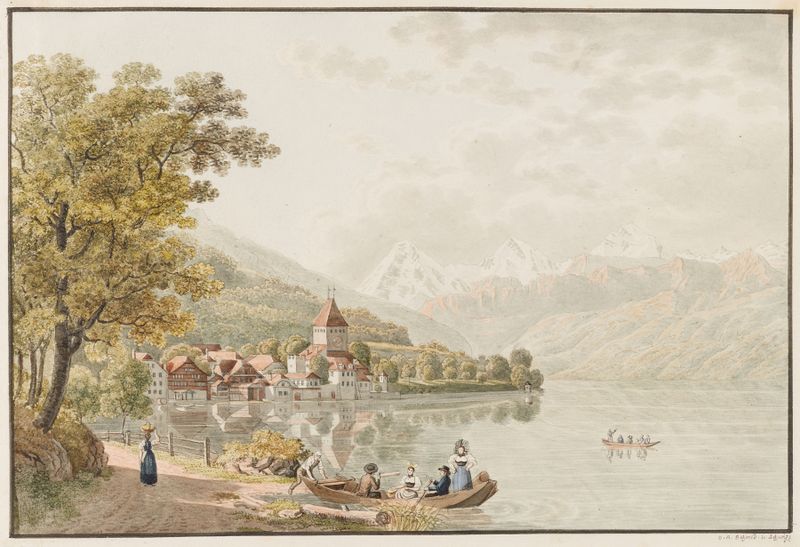
Ansicht Oberhofens am Thunersee
David Alois Schmid
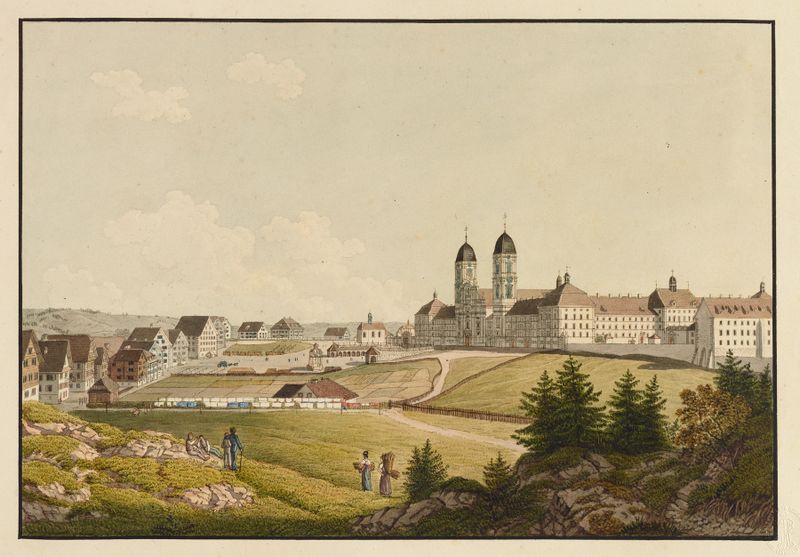
Das Kloster Einsiedeln im Canton Schwyz
David Alois Schmid





