Vue du Chateau de Ringenberg au Lac de Brienz — History & Analysis
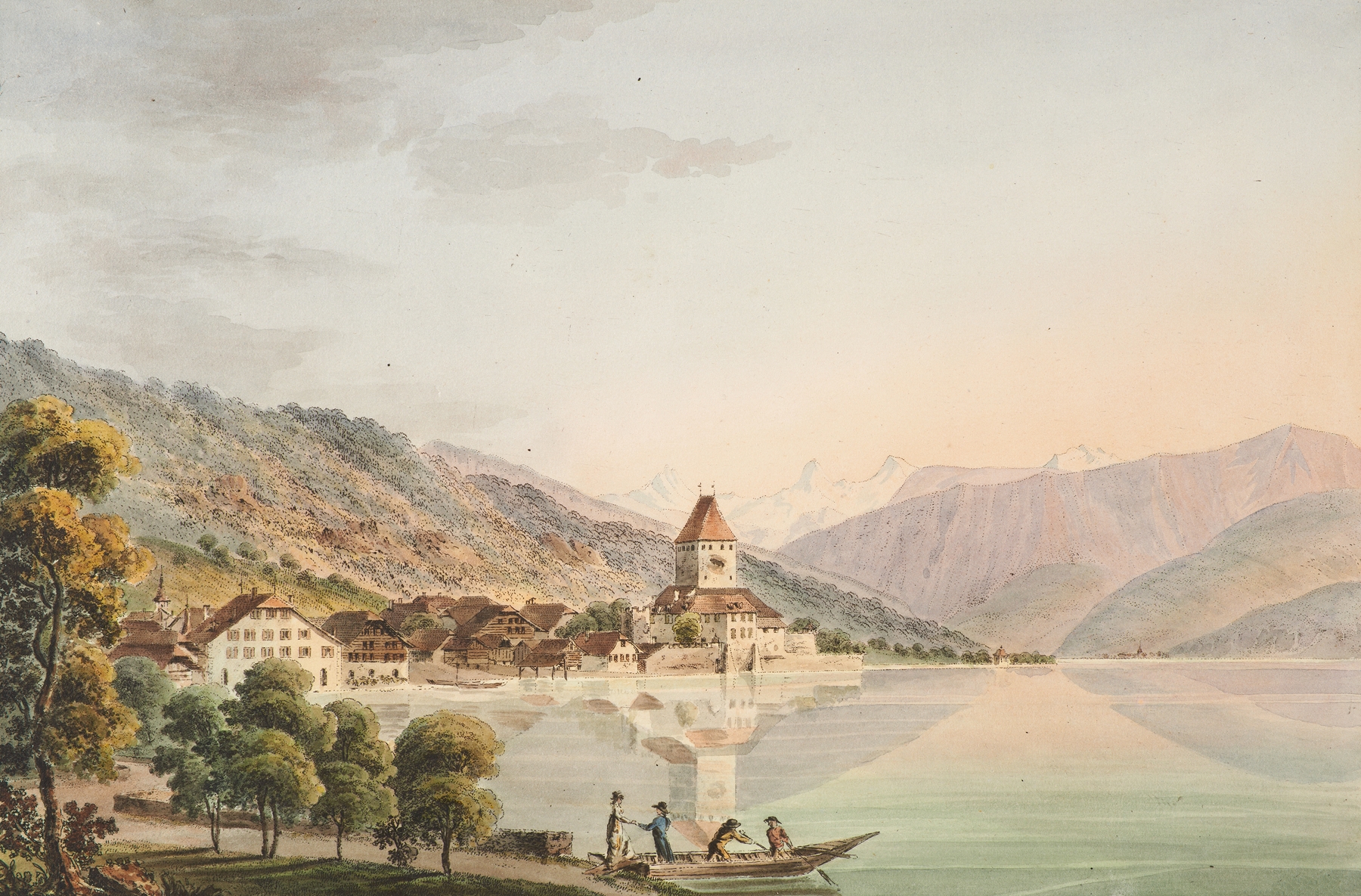
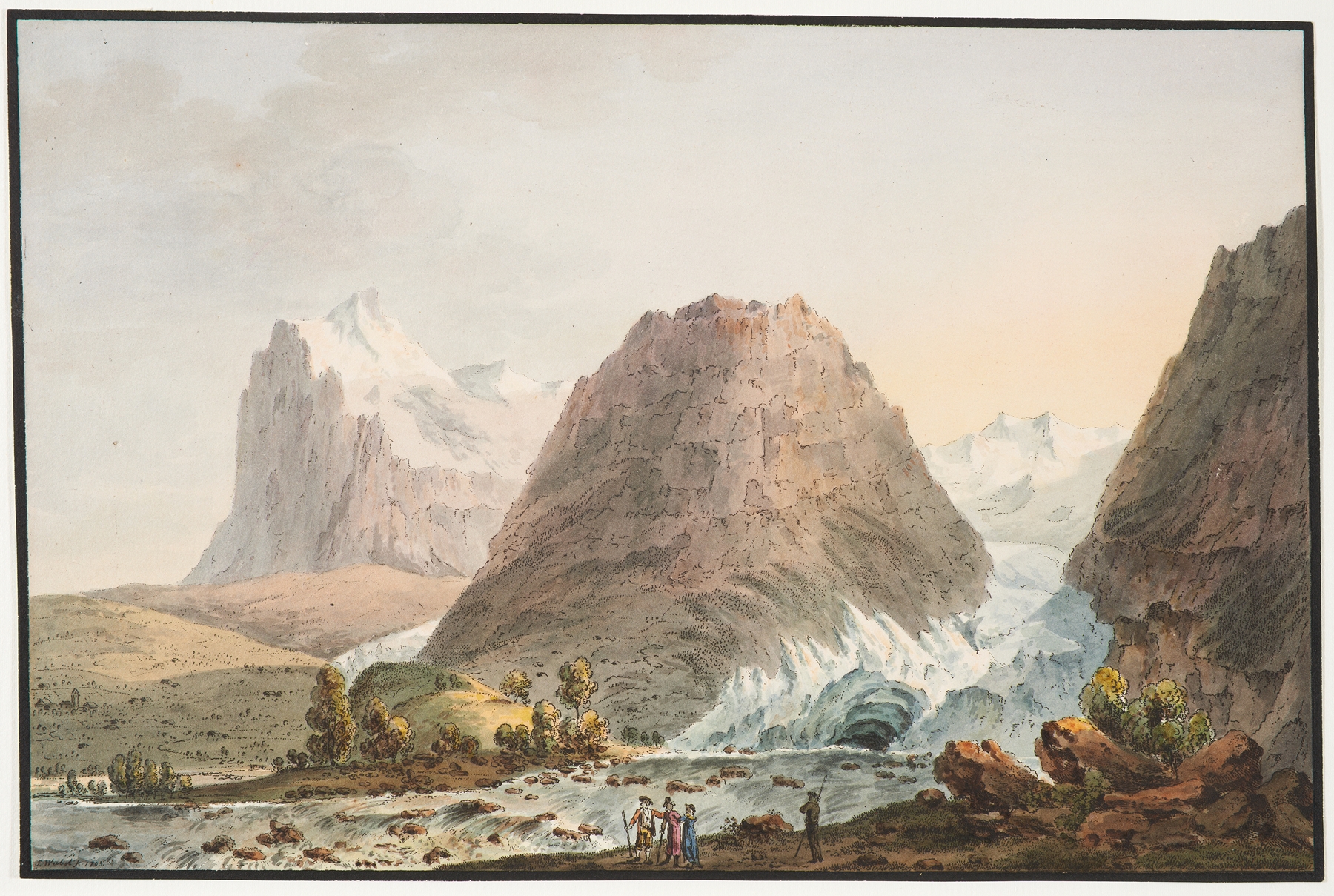
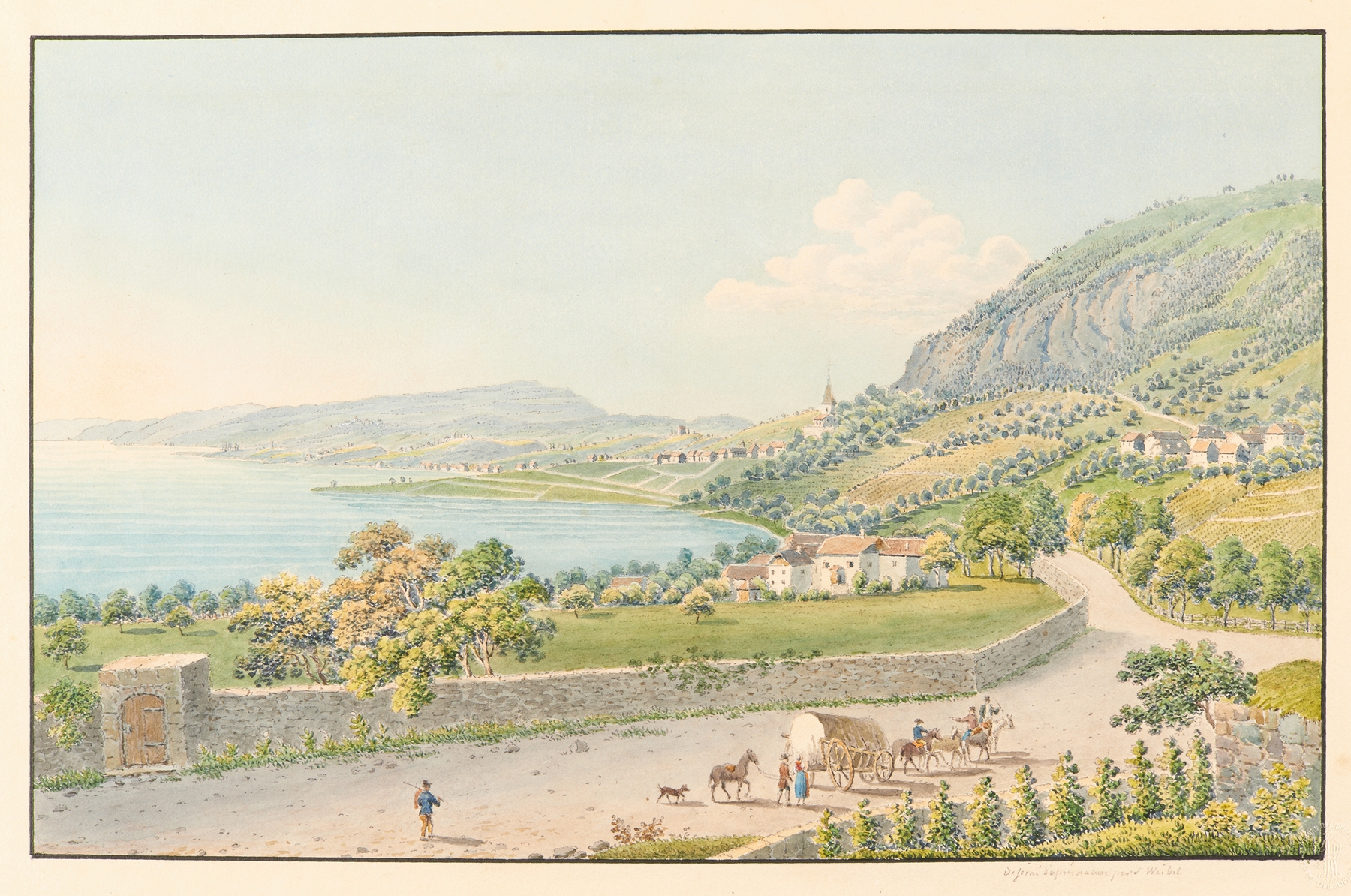
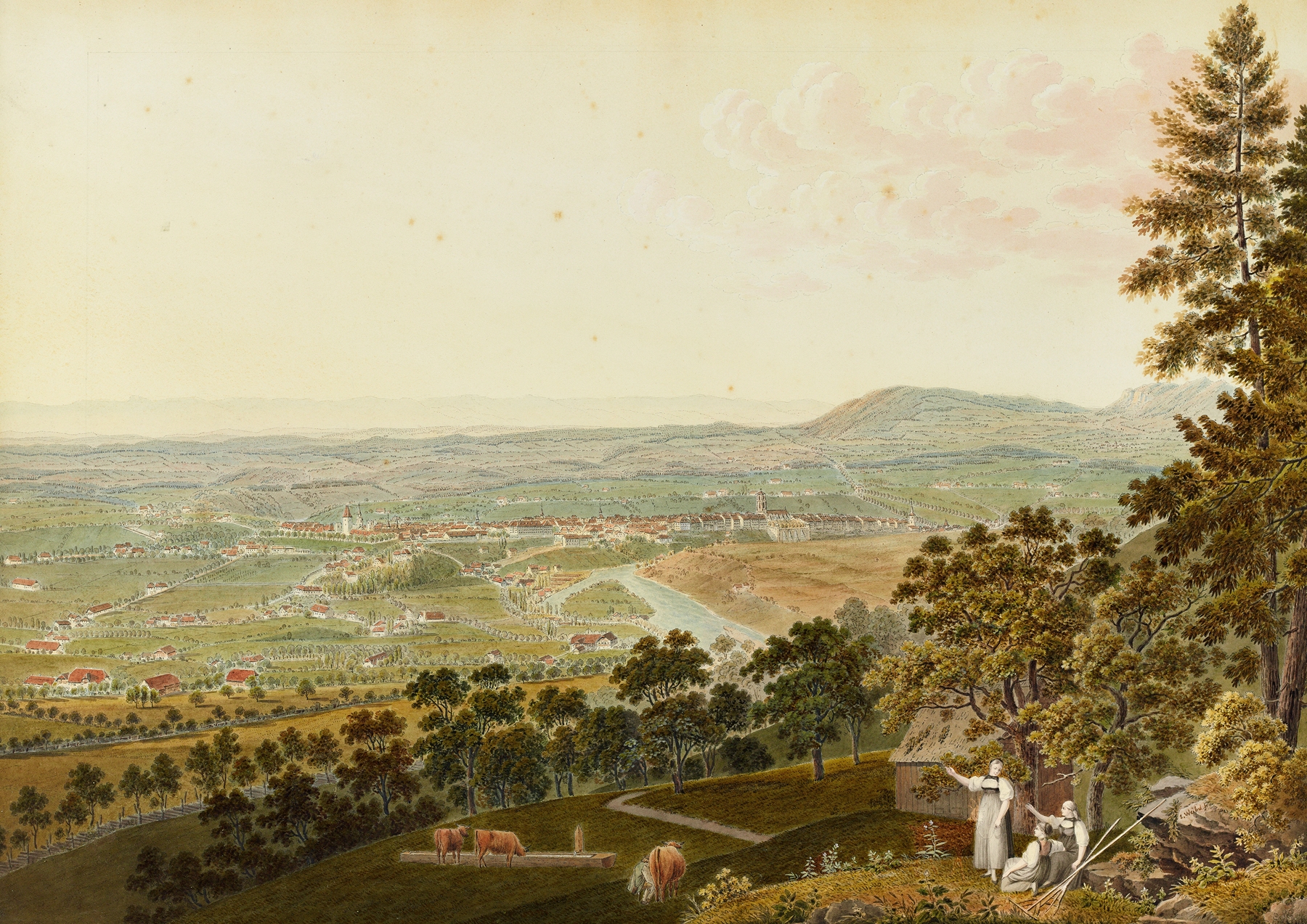
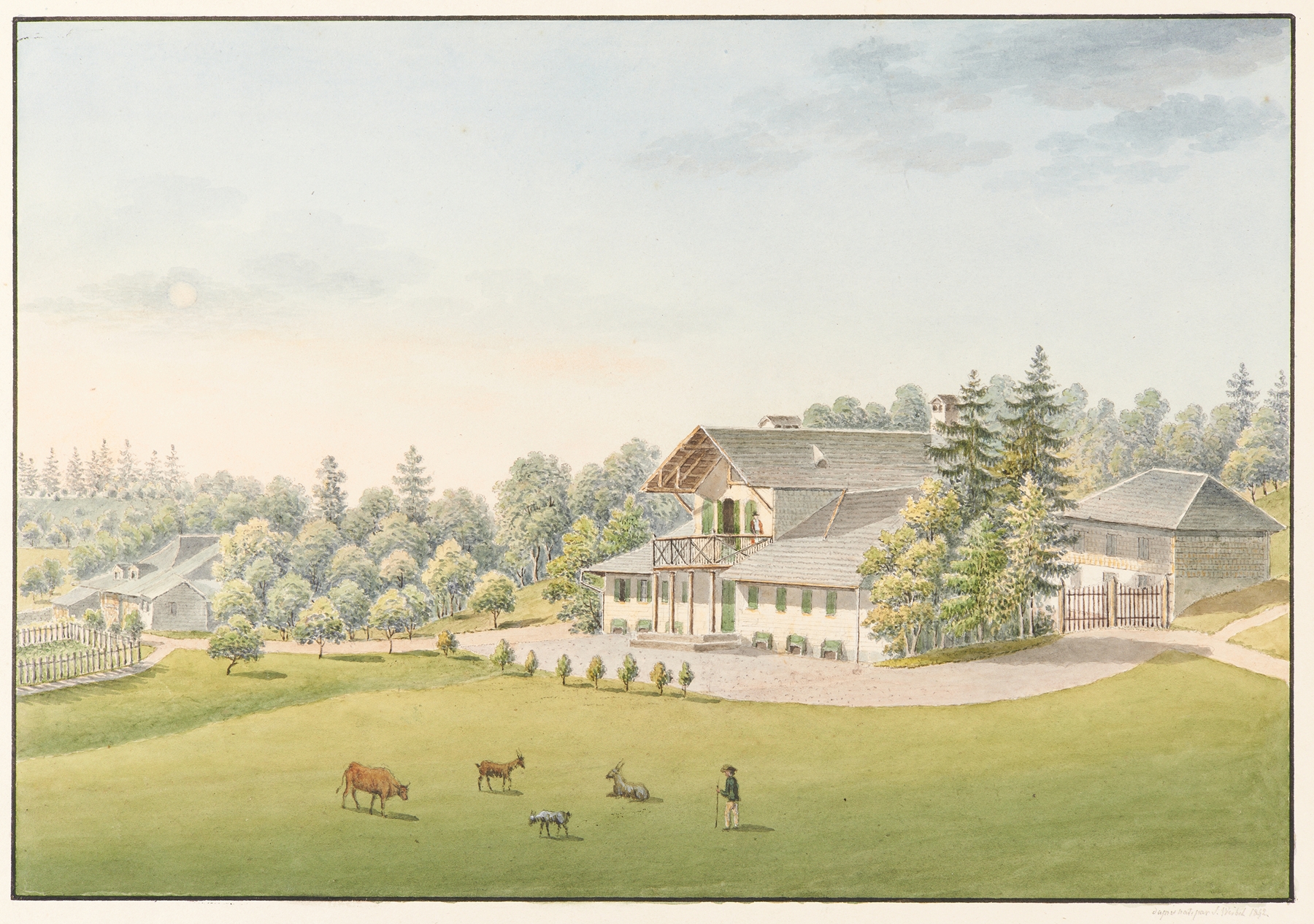
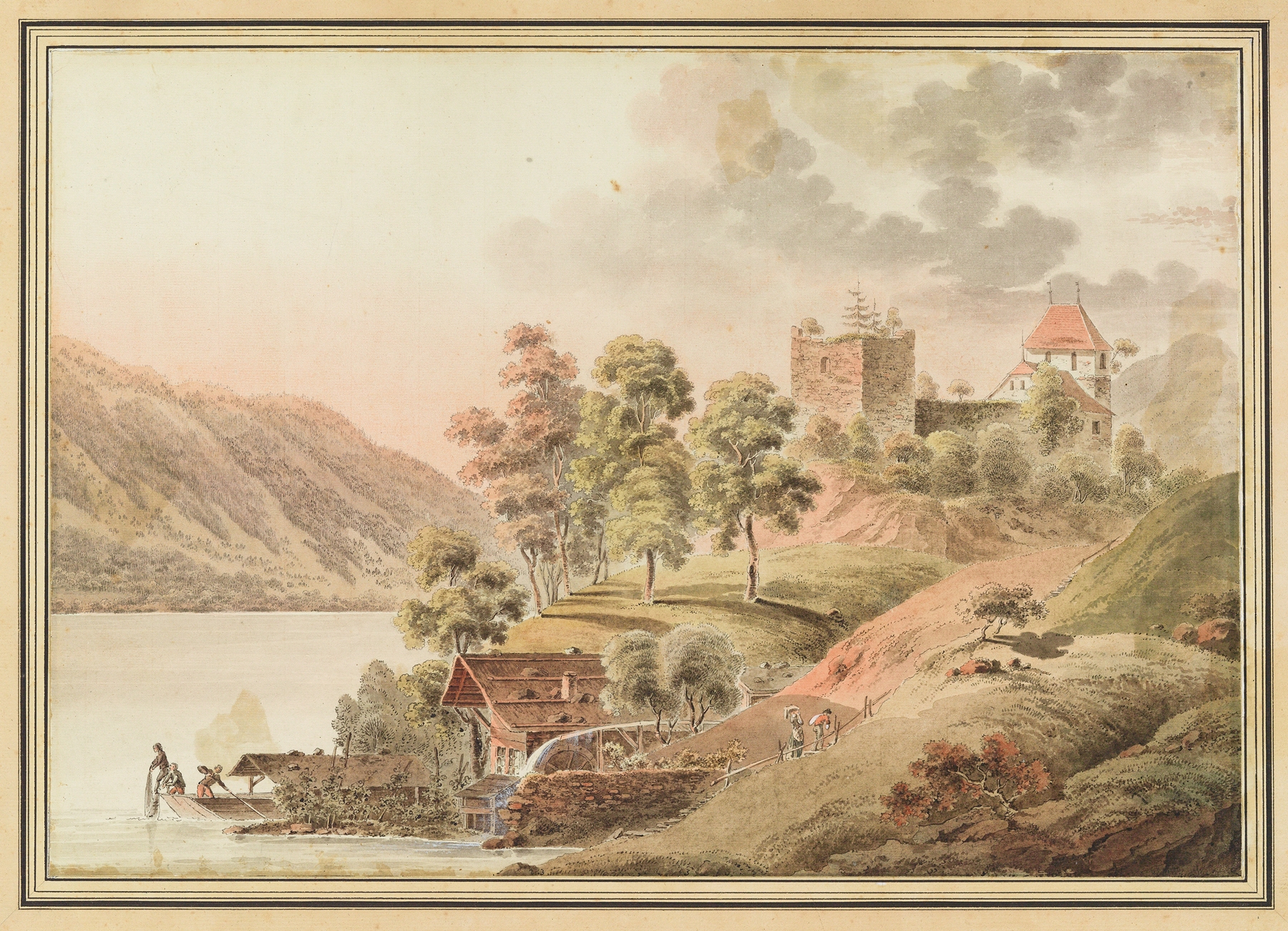
Could beauty survive in a century of chaos? The question lingers in the air, as art often reflects the tumult of its time, standing resilient against the tides of turmoil. Look to the center of the canvas, where the tranquil waters of the Lake Brienz reflect a stunning interplay of light and shadow. The chateau is brilliantly situated against a backdrop of majestic mountains, its elegant architecture bathed in soft hues of pastel pinks and blues. Notice how the artist skillfully contrasts the serene landscape with the looming shadows, creating a delicate balance between light and dark that invites contemplation. The juxtaposition of the serene chateau and its shadowed surroundings elicits a feeling of isolation within beauty. The silvery reflections on the lake suggest a fleeting tranquility, hinting at an underlying tension that signifies impermanence. This subtle play of light not only enhances the physical attributes of the landscape but also embodies the emotional weight of what lies beneath the surface—an echo of a fleeting moment in time, vulnerable yet captivating. Created at an unspecified time, the artist captured his vision in a period where the natural beauty of Europe was often overshadowed by social and political upheaval. Living in Switzerland, *Jakob Samuel Weibel* immersed himself in the picturesque landscapes of his homeland, contributing to the Romantic movement’s emphasis on nature. In doing so, he crafted a narrative that not only celebrated beauty but also reflected the struggles of an era yearning for peace amidst chaos.