Vue du Chateau de Ringenberg au Lac de Brienz — History & Analysis
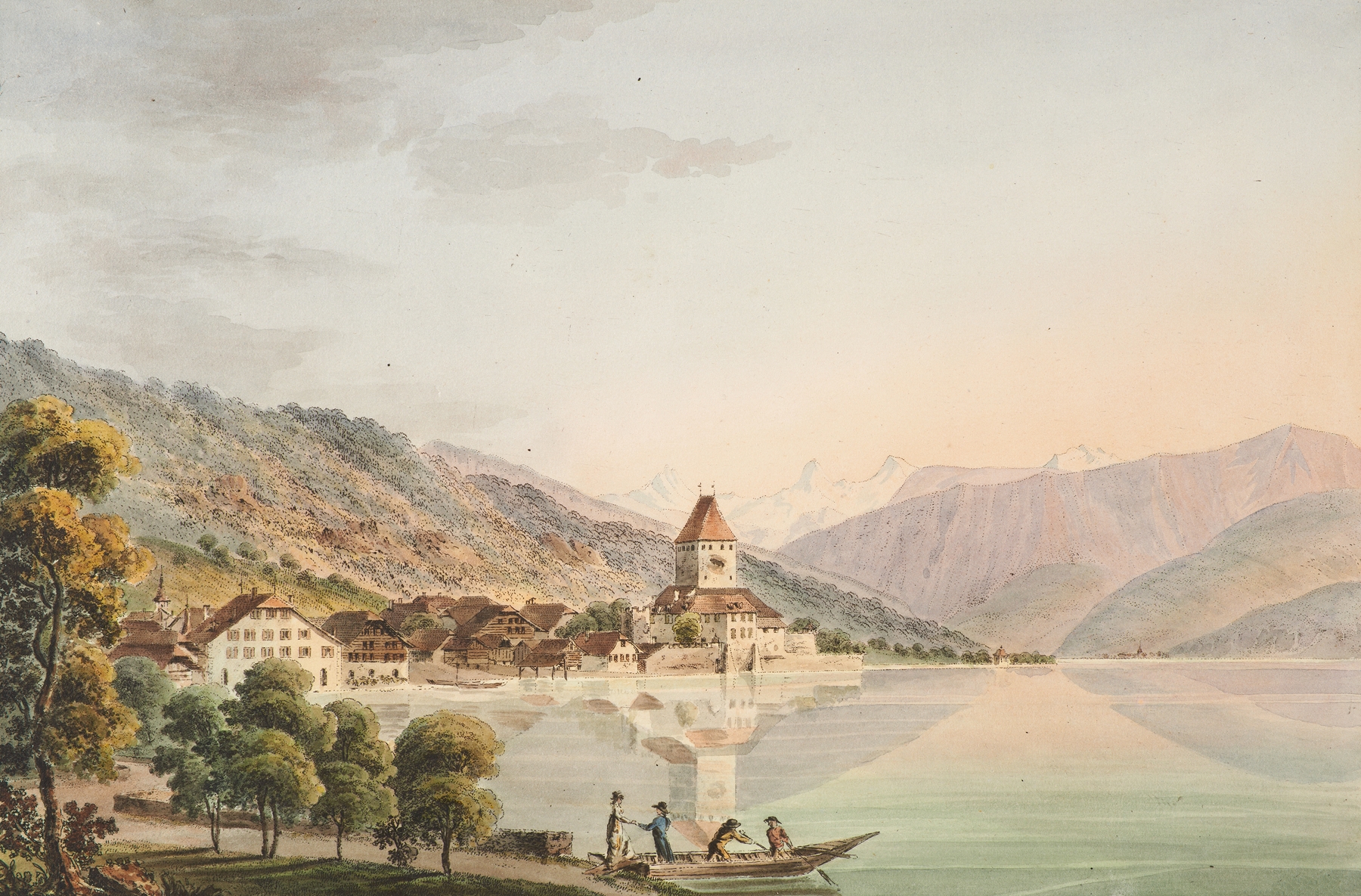
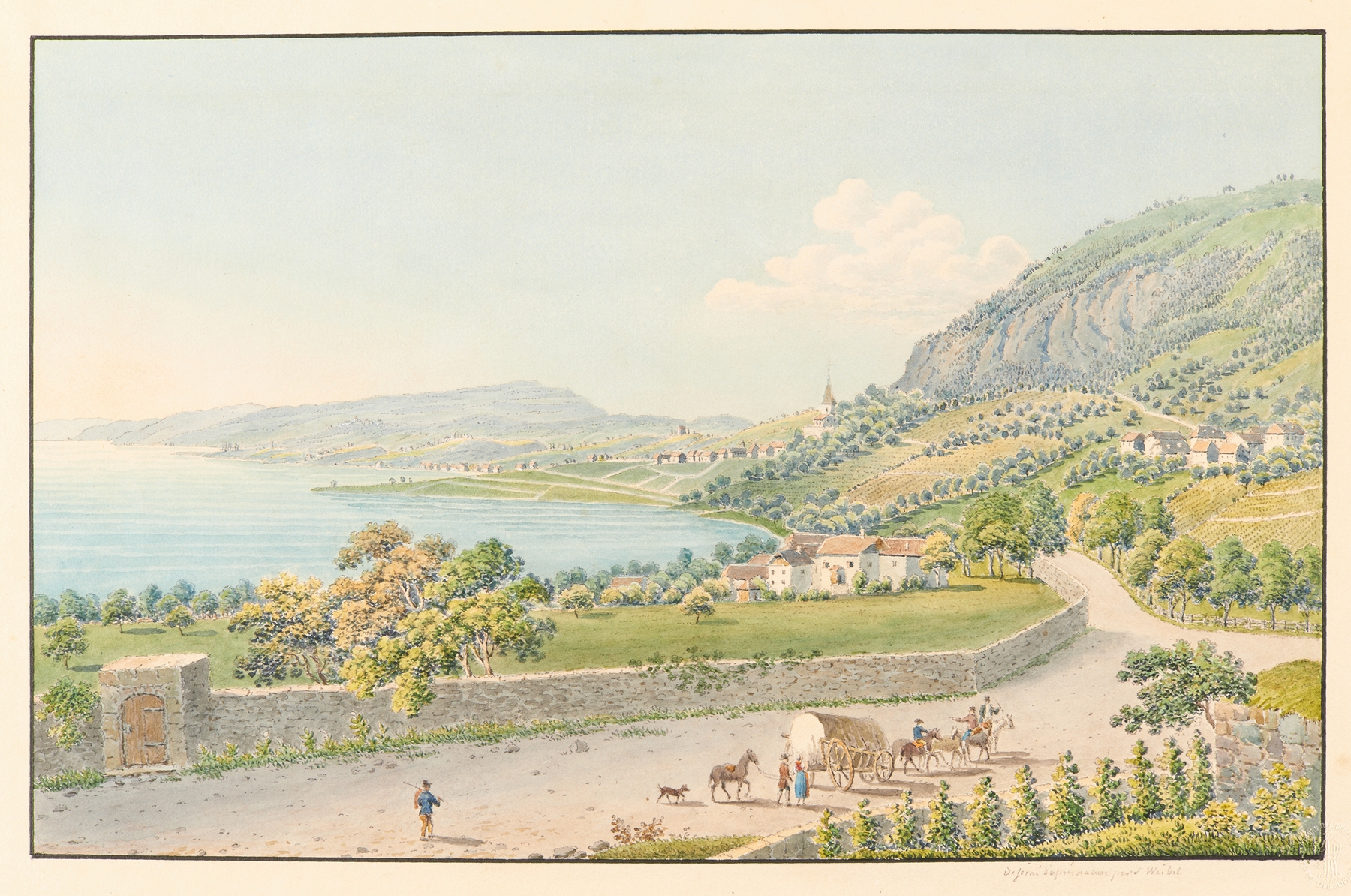
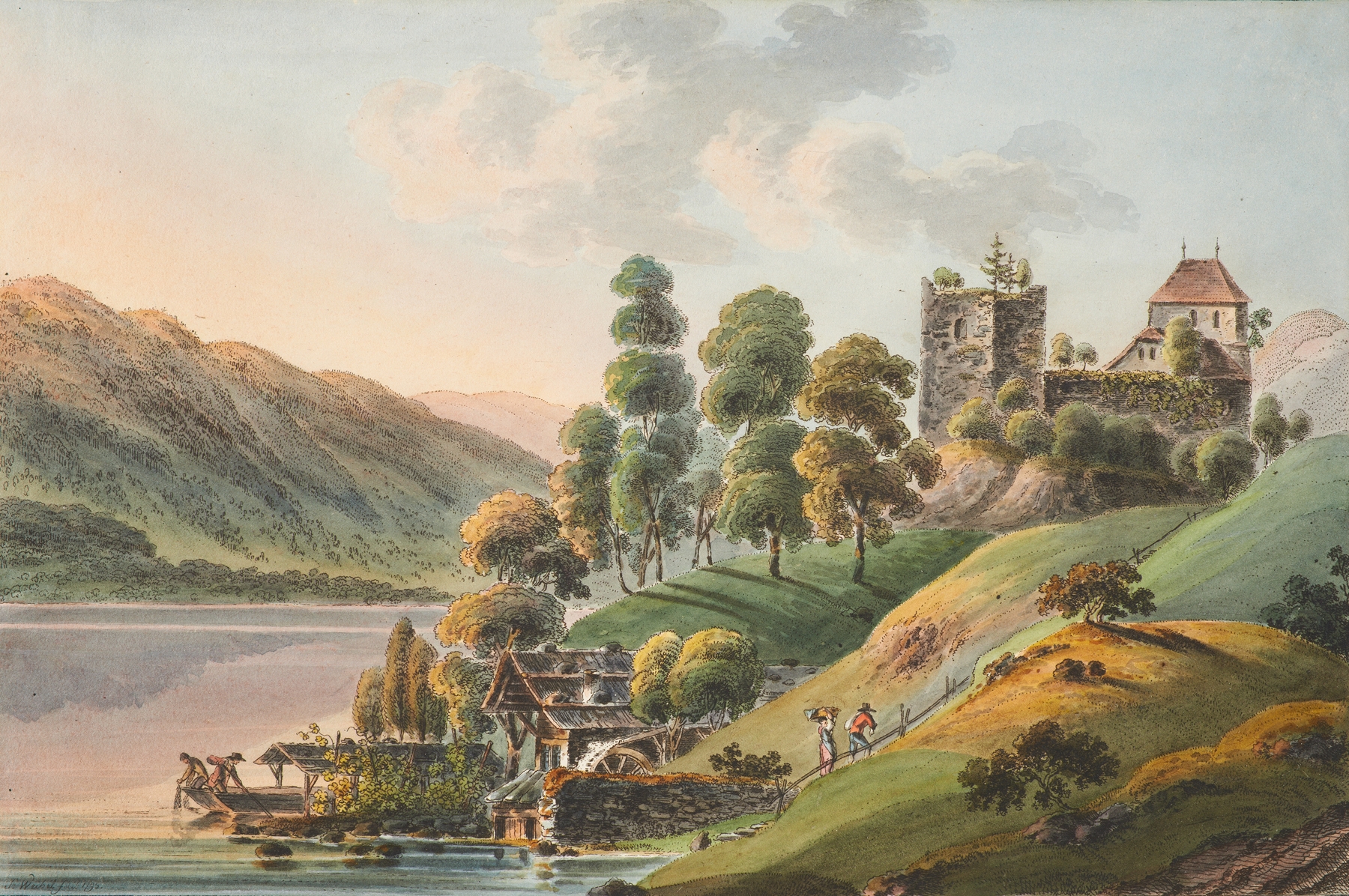
What if beauty was never meant to be finished? In a world where innocence clings to the edges of nature, one might find solace in the permanence of a landscape forever caught in a moment of serene tranquility. Look to the left at the soft contours of the rolling hills, bathed in a delicate light that seems to caress every blade of grass. Notice how the hues of green gracefully blend, inviting the eye to wander across the canvas. The lake, mirroring the sky’s azure, captures the essence of untouched beauty, while the distant chateau stands as a gentle guardian of this idyllic scene. The artist’s brushwork reveals an ethereal quality, with wisps of clouds offering a fleeting dance above the tranquil waters. Embedded within this picturesque view are deeper reflections of innocence and the passage of time. The untouched landscape evokes nostalgia, a longing for simplicity in a world that often rushes past. The juxtaposition of the sturdy chateau against the delicate nature surrounding it speaks to the fragility of beauty, suggesting that what is preserved may also be vulnerable to the inevitable changes of life. Each stroke whispers of a moment that, while frozen, is imbued with the promise of renewal. Jakob Samuel Weibel painted this piece during a period when Romanticism was gaining momentum in Europe, echoing a desire to reconnect with nature amid industrialization. The exact date of creation remains uncertain, but it is believed to reflect the idyllic landscapes of the Swiss Alps, where Weibel spent much of his life. As artists sought refuge from the complexities of modern life, works like this captured the essence of innocence, where beauty and tranquility reign eternal.