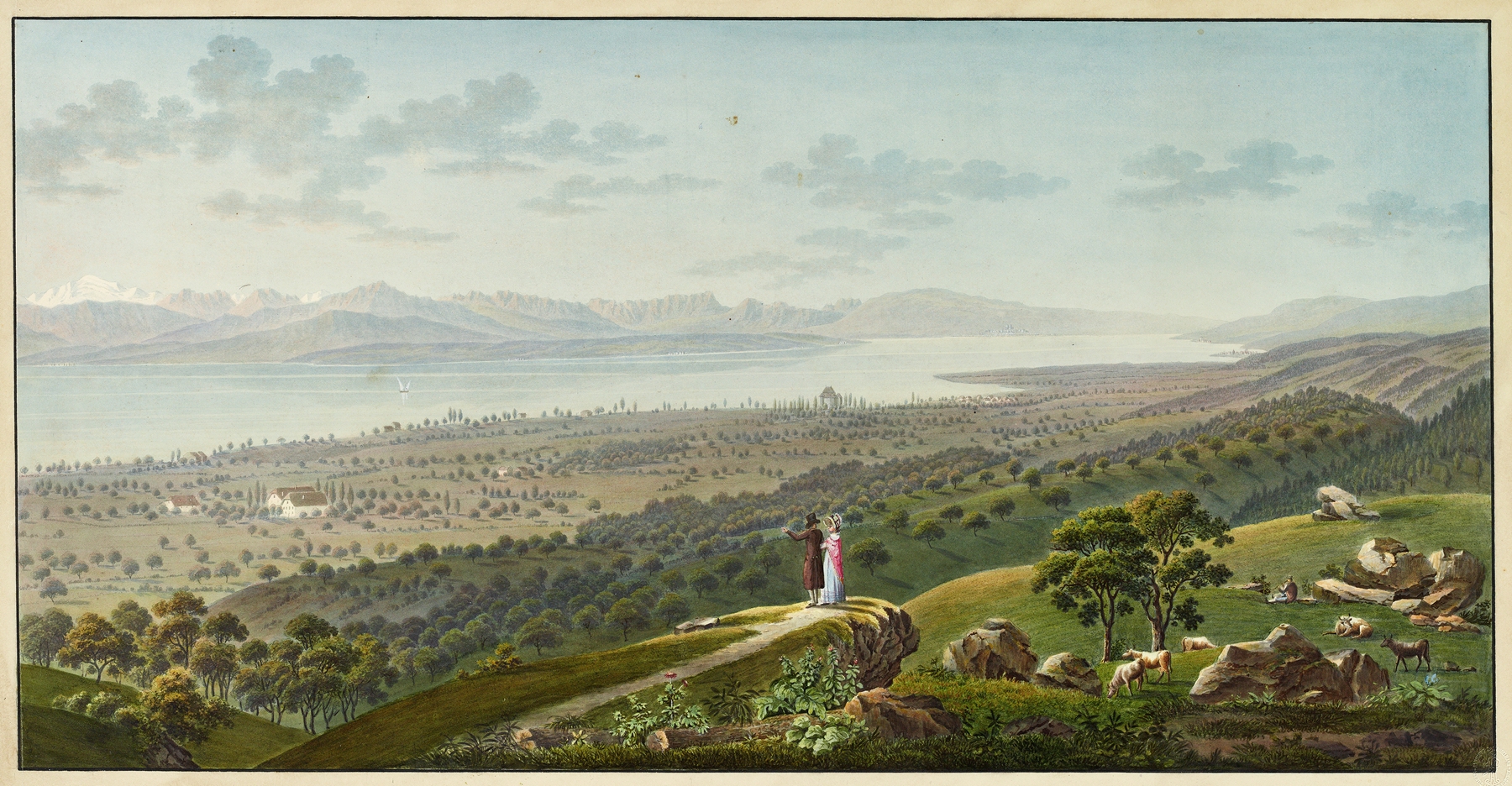
Vue genérale du Lac de Geneve — History & Analysis
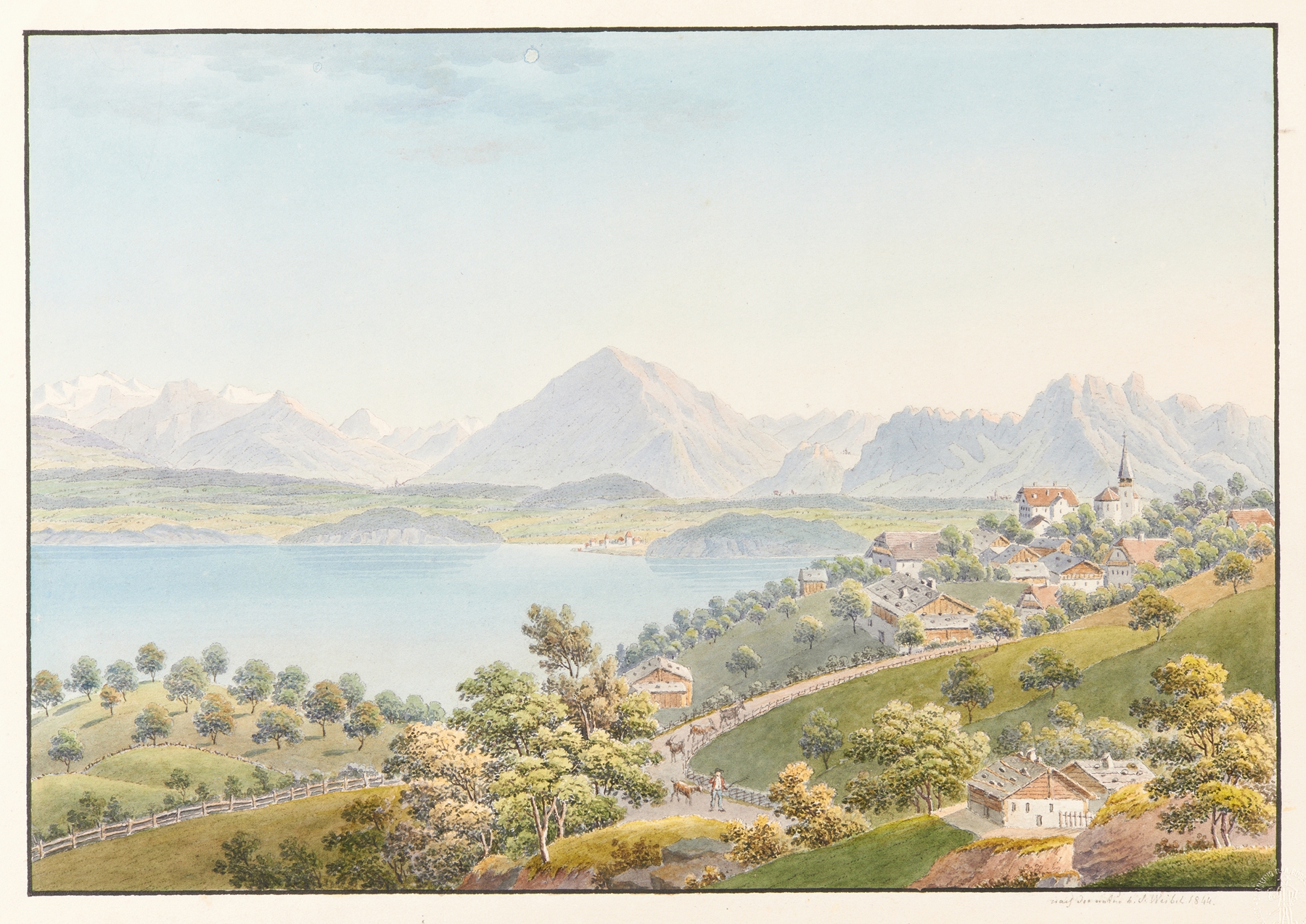
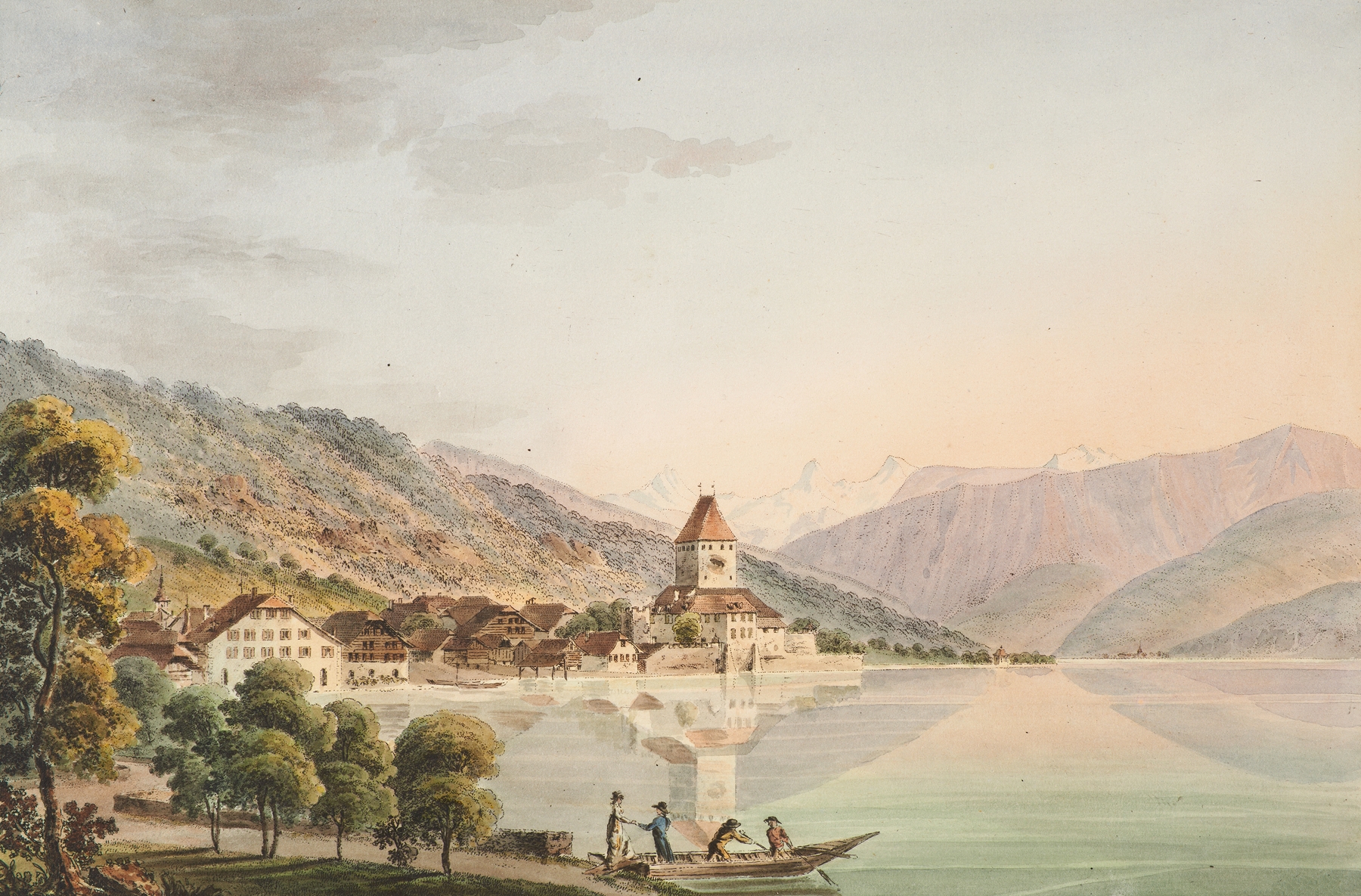
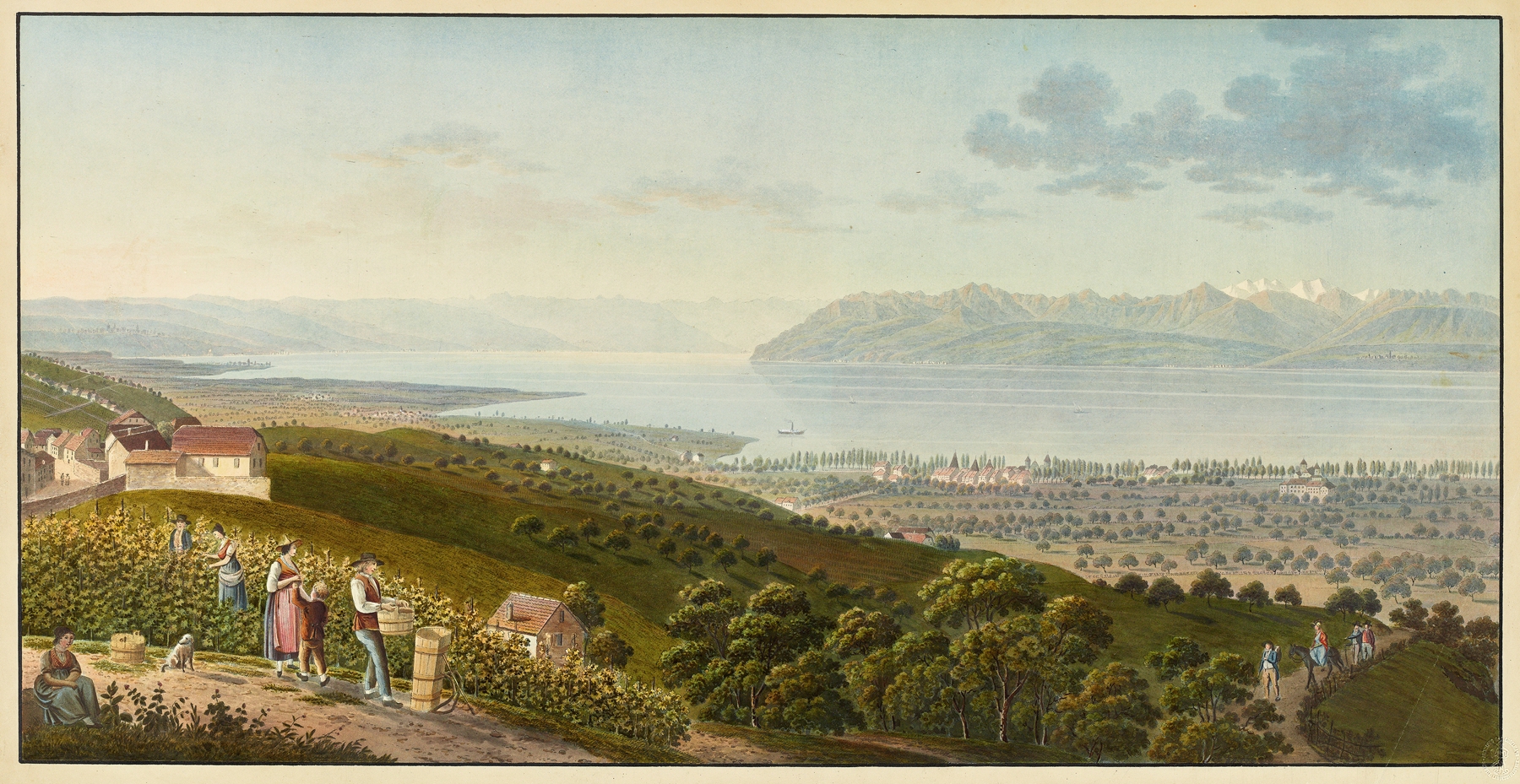
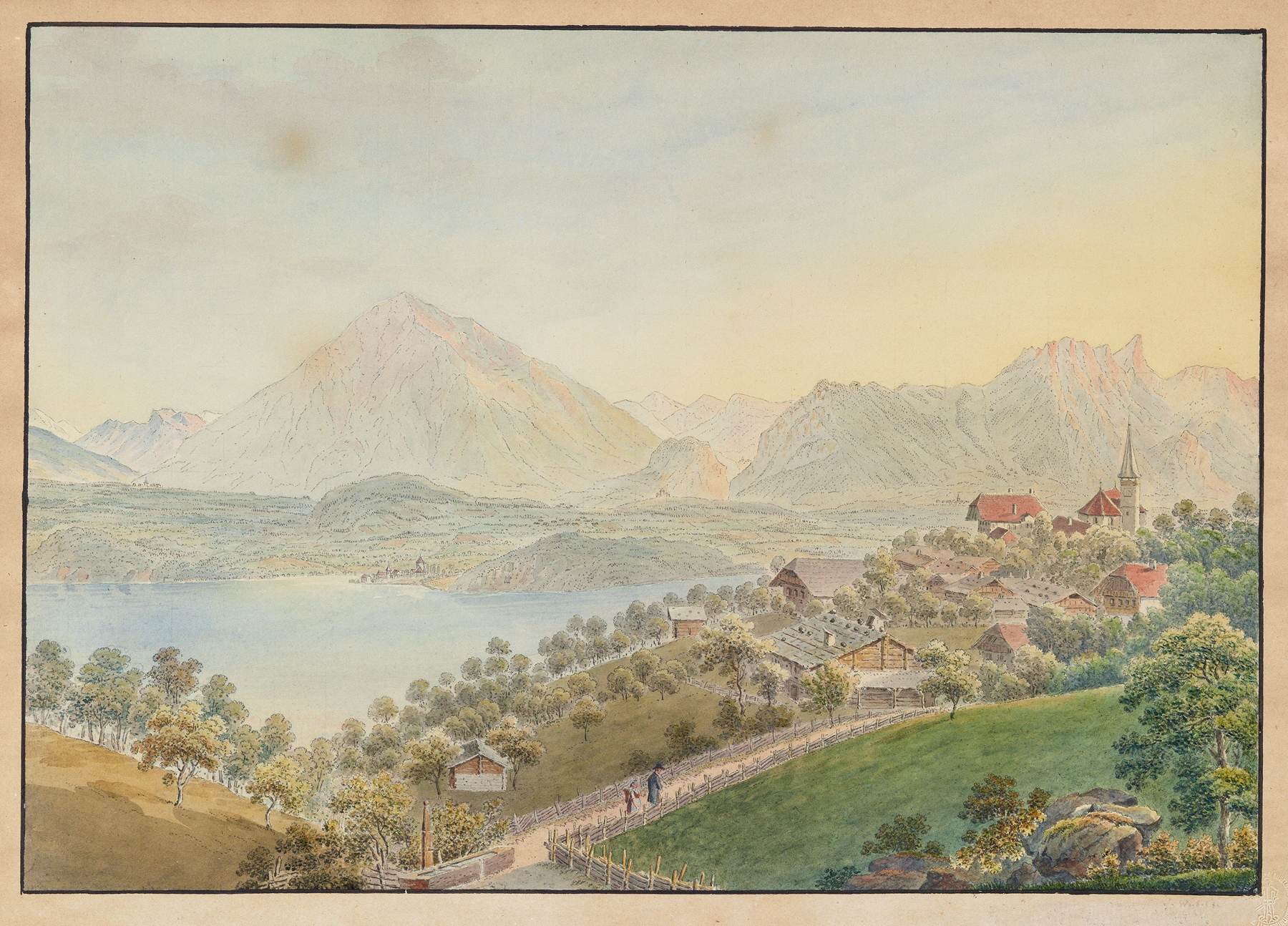
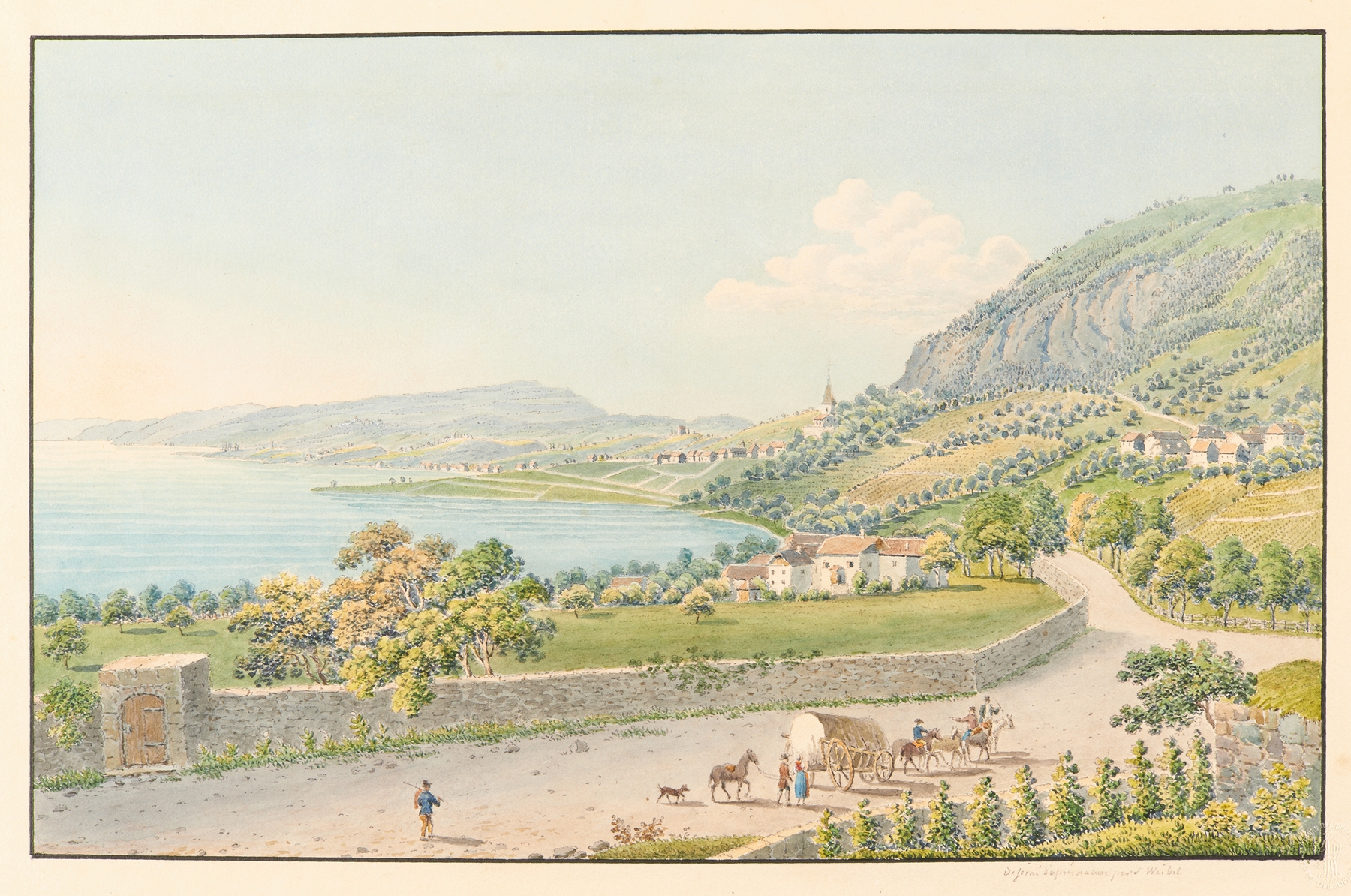
When did color learn to lie? In the world woven by art, hues can evoke longing that transcends mere representation, drawing the viewer into a realm where emotions saturate every brushstroke. Look to the left at the gentle curves of the mountains—soft blues and greens create a soothing backdrop for the lake, inviting you to explore its stillness. Notice how the sunlight dances on the water’s surface, shimmering with silver and gold, hinting at deeper currents beneath. The palette whispers of tranquility, yet the shadows cast by the distant peaks suggest an undercurrent of mystery, urging you to delve deeper into the artist's intent. As you linger on the horizon where the sky meets the earth, a poignant tension arises. The serene landscape juxtaposes a sense of yearning, as if the viewer stands on the threshold of a dream, caught between reality and imagination. Each brushstroke feels deliberate, infusing the scene with a longing for connection to a beauty that's both inviting and elusive. The ripples in the water mirror the stirring emotions—an echo of desire for what lies just beyond reach. Jakob Samuel Weibel created this work during a time when Romanticism was emerging in the art world, likely influenced by the idyllic landscapes of Switzerland. His experiences in this picturesque region must have deeply informed his approach, as he sought to capture not only the physical beauty of the lake but also the emotional resonance inherent in the natural world. A period of exploration and self-reflection defined his artistic endeavors, as he attempted to convey the complexities of longing and the essence of nature through his vibrant palette.