
Vue sur la Gare Montparnasse — History & Facts
Is this a mirror — or a memory? In Vue sur la Gare Montparnasse, time seems suspended, inviting contemplation on the fleeting nature of existence, encapsulated within a moment that speaks to the heart of mortality. Look to the center of the canvas, where the grand railway station rises, its architecture punctuated by sharp lines and soft shadows. Notice how the soft hues of twilight bathe the scene, blending oranges and purples in the sky — a transition from day to night. The brushwork is both precise and fluid, capturing the bustle of travelers while invoking a sense of stillness.
In the foreground, figures move with purpose, yet their faces are obscured, adding an element of anonymity that echoes the transient nature of life. Hidden within the layers of the painting lies a juxtaposition between the thriving city life and the quietude. The vibrant energy of the station contrasts with the dusk setting in, representing the inevitable passage of time. Look closely at the reflections in the glass — they suggest not only the physical space but the memories that haunt it, as if each traveler carries echoes of their past.
There's a poignant reminder that, though life is full of movement, it is often the stillness that resonates the most deeply. In 1911, Hermann Lismann created this work amidst a rapidly changing Paris, where the modern era was reshaping both art and society. He was part of a generation embracing impressionism and the resulting urban transformations that defined the city's identity. This period was marked by both excitement and uncertainty, reflecting Lismann's own exploration of the relationship between memory and mortality.
More Artworks by Hermann Lismann
Browse all →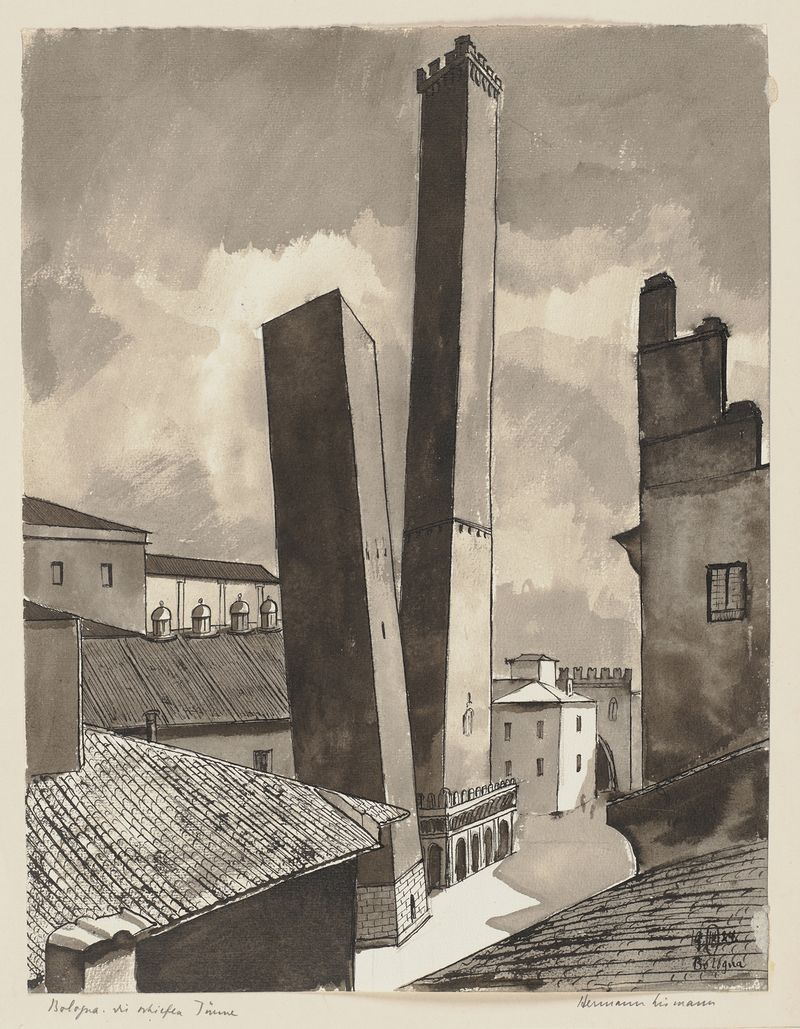
Die beiden Türme Garisenda und Asinelli in Bologna
Hermann Lismann
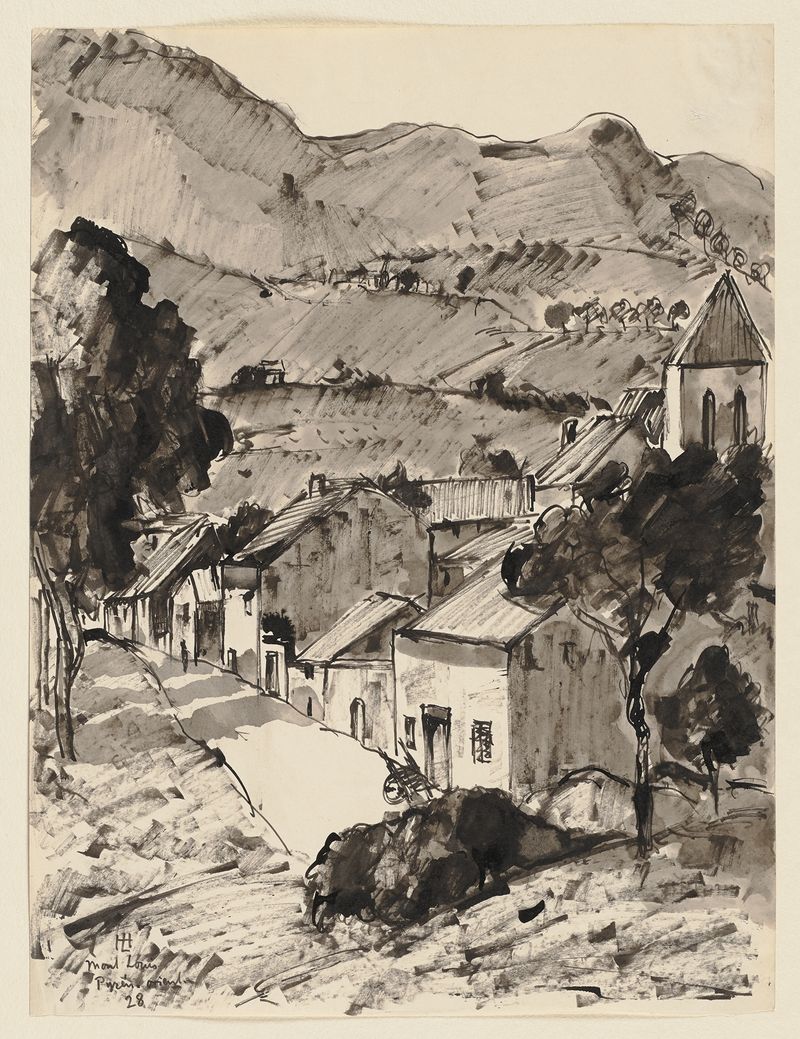
Mont-Louis
Hermann Lismann
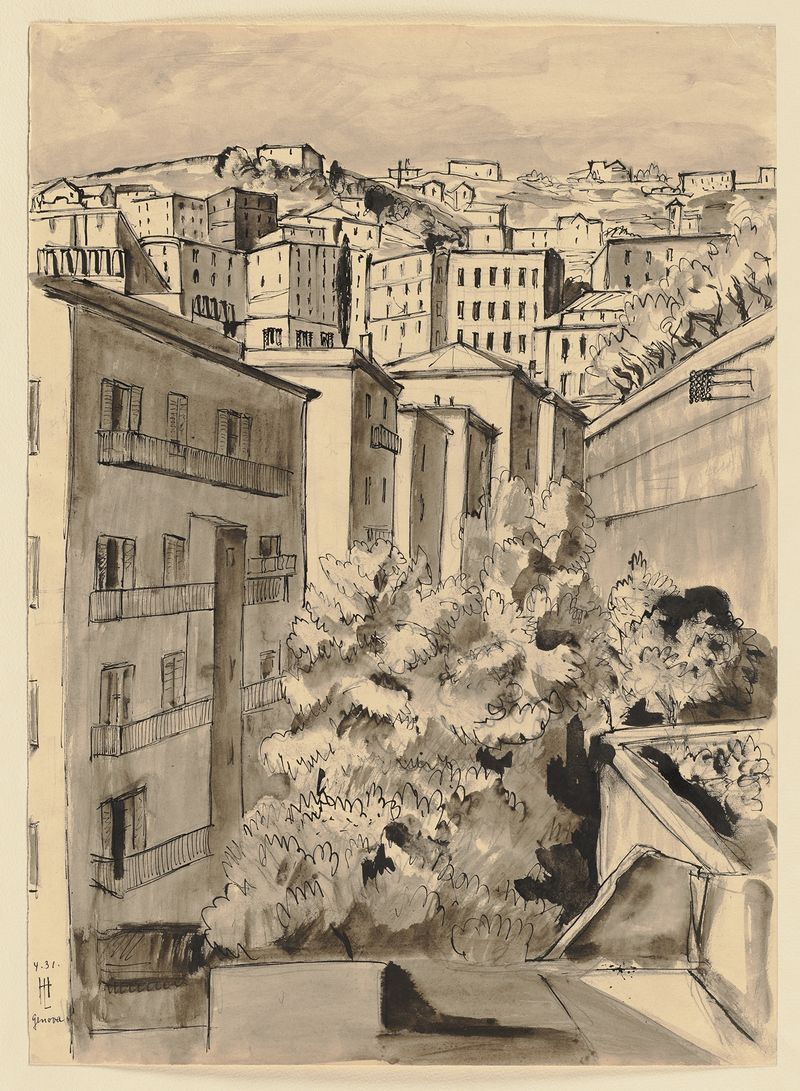
View of Genoa
Hermann Lismann
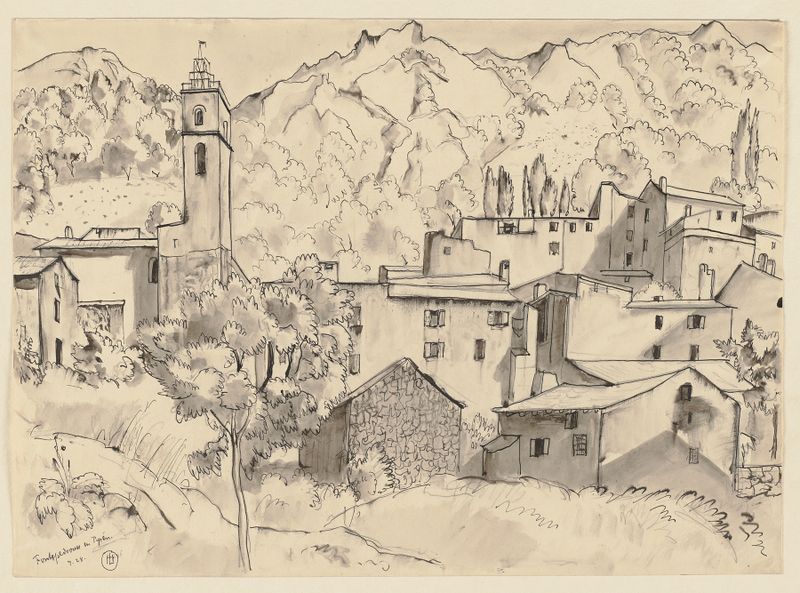
Fontpédrouse en Pyrénées
Hermann Lismann
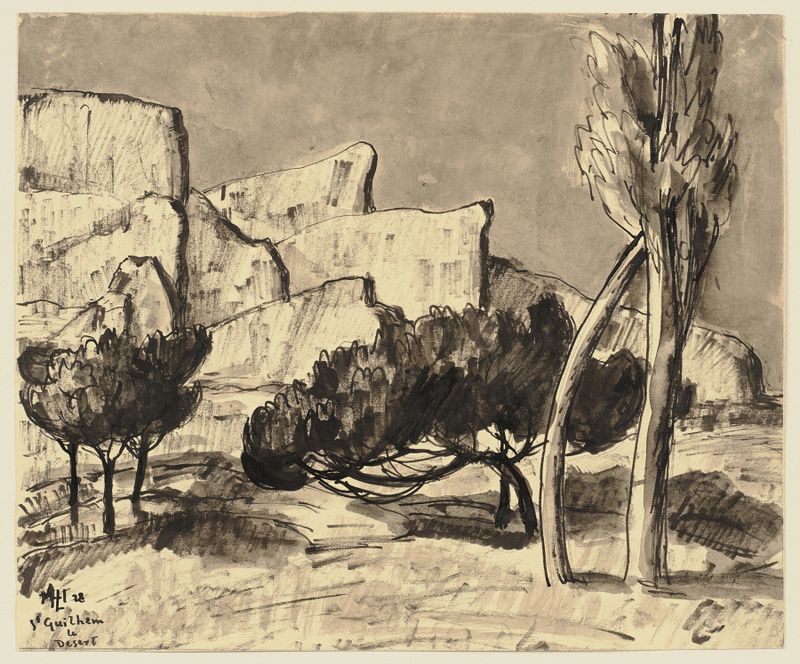
Saint-Guilhem-le-Désert
Hermann Lismann
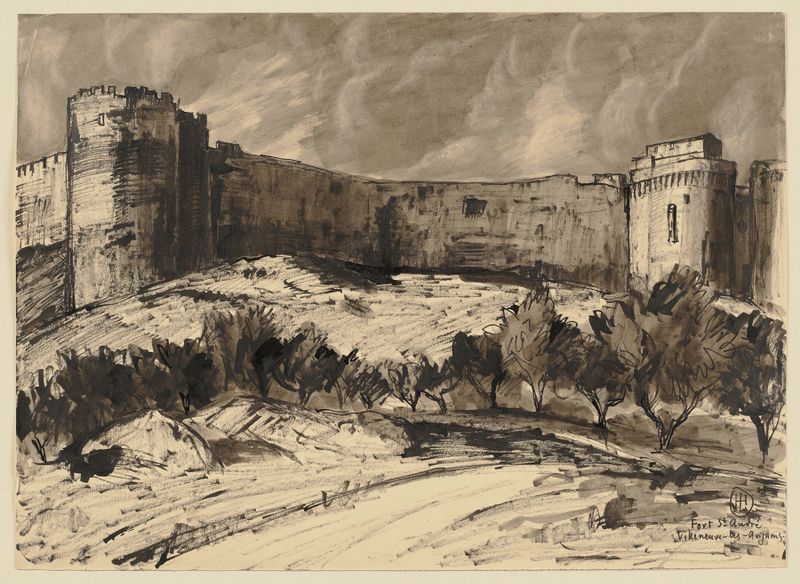
Fort Saint-André in Villeneuve-les-Avignon
Hermann Lismann
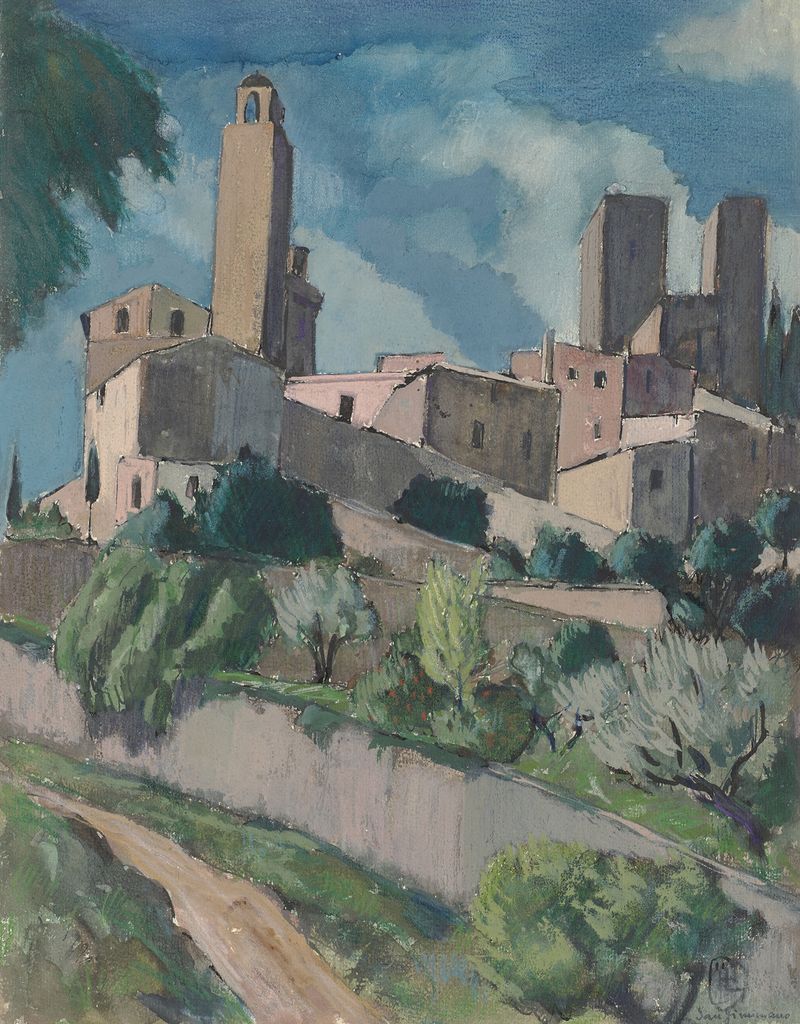
San Gimignano
Hermann Lismann
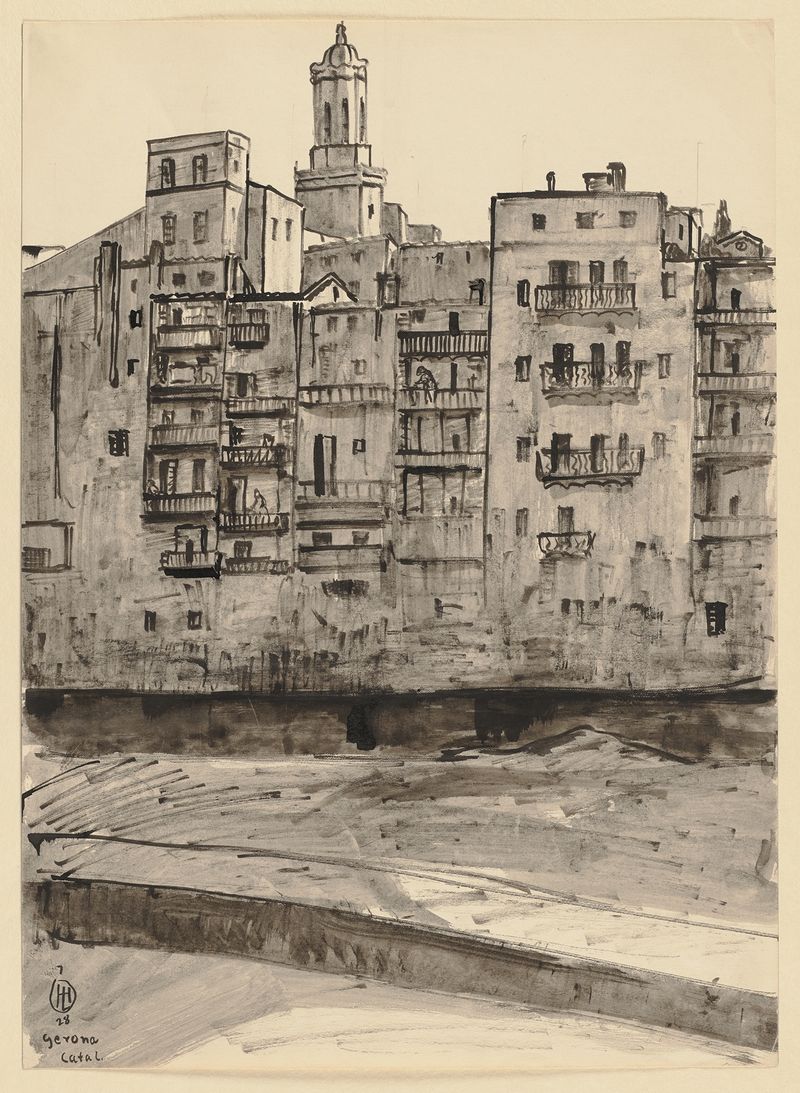
Girona vom Fluss aus gesehen, im Hintergrund der Turm der Kathedrale
Hermann Lismann
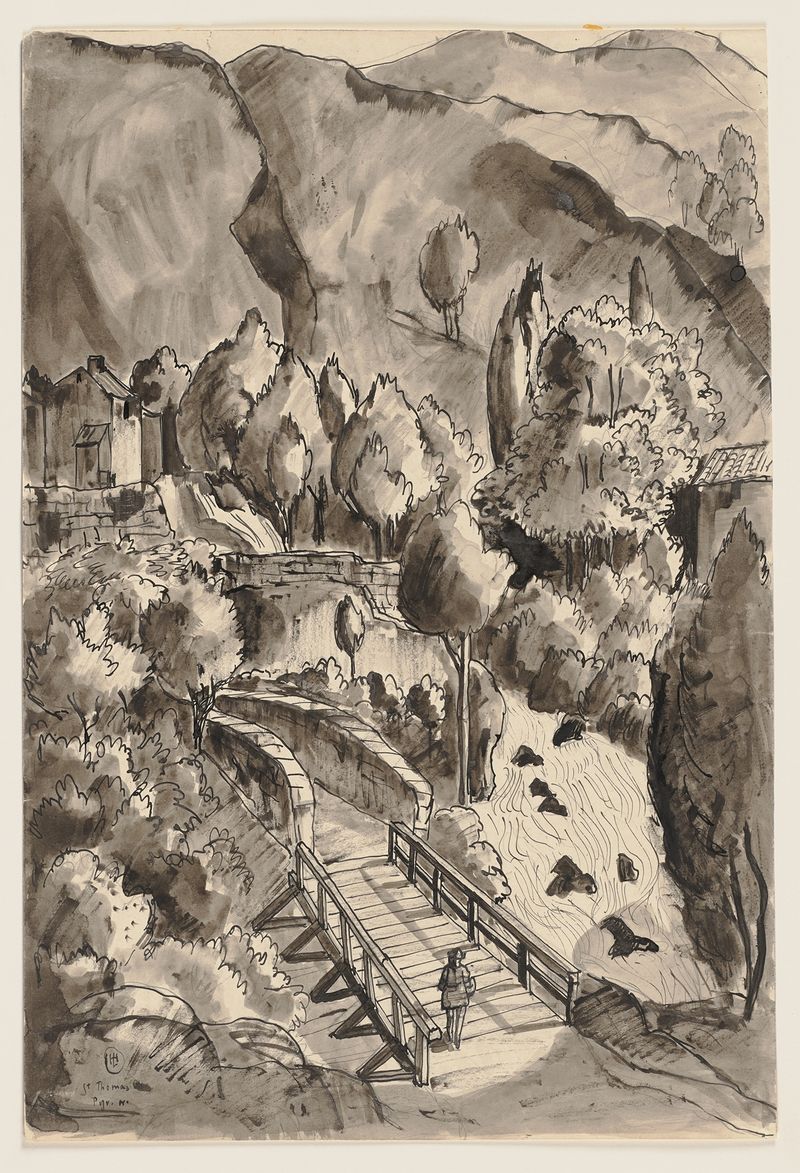
Saint Thomas, Pyrénées
Hermann Lismann
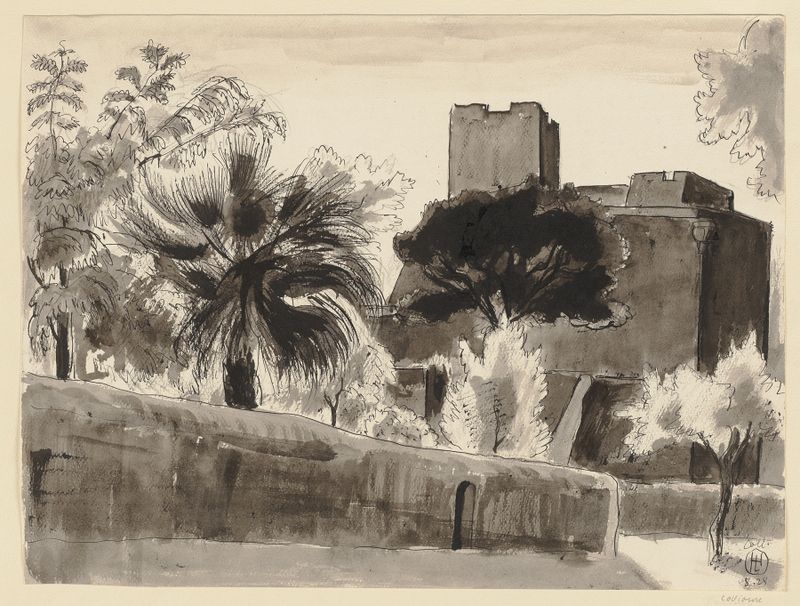
Collioure
Hermann Lismann
More Architecture Art
Browse all →
The statue of Liberty
Frédéric Auguste Bartholdi

View of Houses in Delft, Known as ‘The Little Street’
Johannes Vermeer

View of Houses in Delft, Known as ‘The Little Street’
Johannes Vermeer

The Cathedral in Rouen. The portal, Grey Weather
Claude Monet

The yellow house
Vincent van Gogh

The Church in Auvers-sur-Oise, View from the Chevet
Vincent van Gogh