
Vue Sur Les Collines De Montmartre — History & Facts
In the quietude of a landscape, nature speaks in whispers, inviting us to listen closely to its secrets. A void exists within the tranquility, urging introspection among the lush hills. Here, a world unfolds that is both familiar and distant, echoing with the emotions of those who dare to wander. Look to the foreground where gentle undulations of the hills meet the sky, painted in a delicate palette of greens and soft browns.
Notice how the light caresses the landscape, illuminating the peaks while casting shadows that dance like fleeting memories. Through deft brushwork, the artist creates depth, inviting your gaze to travel over the rolling terrain, leading you to the horizon beyond. The use of atmospheric perspective renders the scene both inviting and ethereal, as if it exists in a dreamscape. Within this serene vista lies a profound tension between the vibrancy of life and the solitude of nature.
The void suggested by the vast stretches of unpopulated space reflects the dichotomy of human experience — the desire for connection amidst the isolation of existence. Subtle details, such as the play of light on the foliage and the indistinct paths winding through the hills, invite contemplation on our own journeys through both connection and solitude. Rousseau painted this work in 1845, during a period of artistic exploration and change in France. He was immersed in the burgeoning Barbizon School, seeking to capture nature's essence and break free from the constraints of traditional academic painting.
Amidst a shifting artistic landscape, he found inspiration in the rural beauty surrounding Montmartre, a place that would forever influence his vision and style.
More Artworks by Théodore Rousseau
Browse all →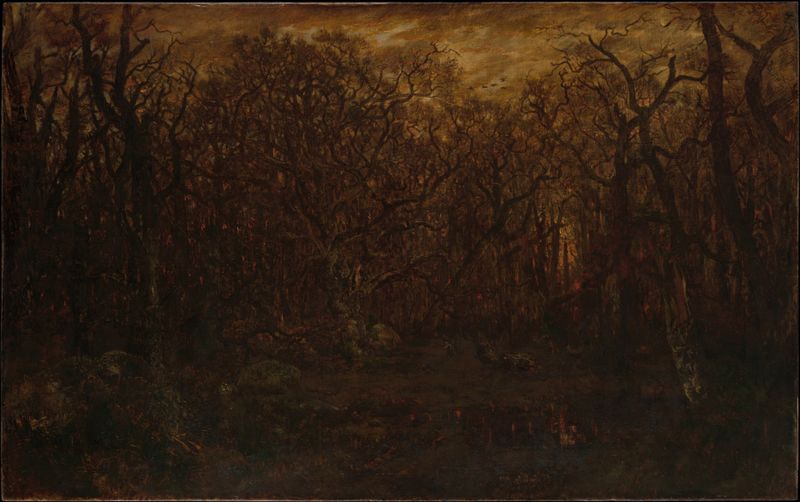
The Forest in Winter at Sunset
Théodore Rousseau
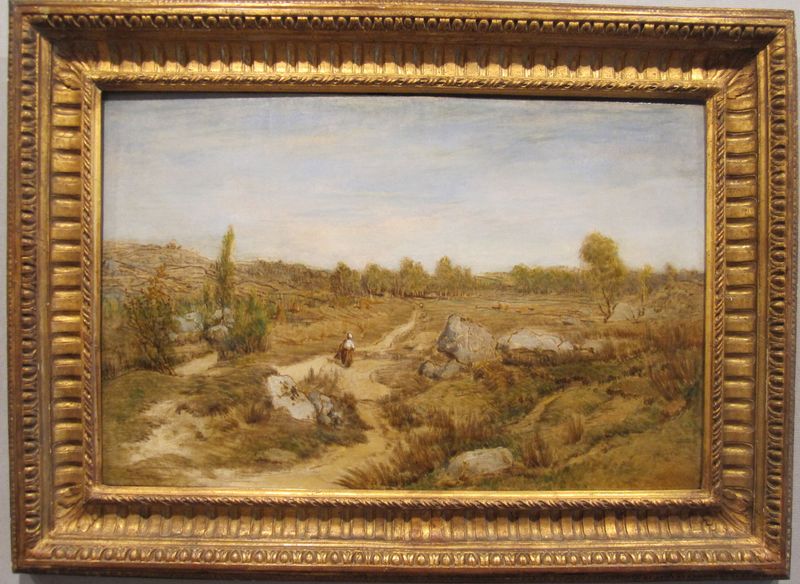
Valley of the Rouars in the Gorges d’Apremont
Théodore Rousseau
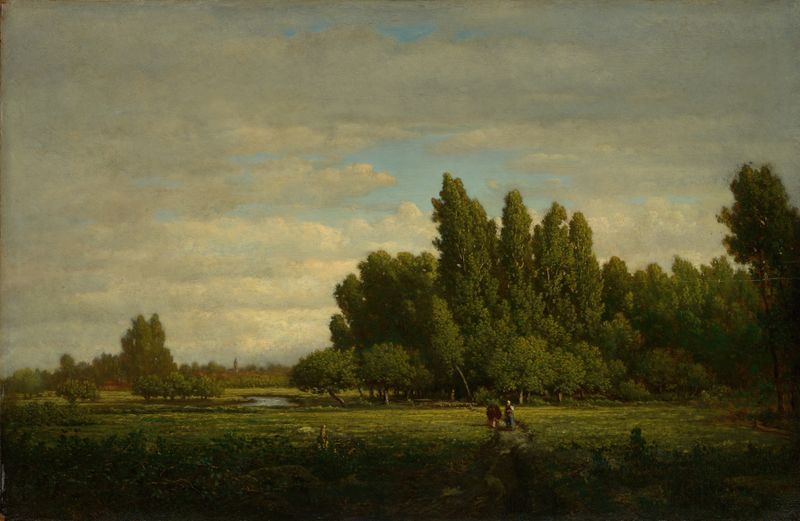
A Meadow Bordered by Trees
Théodore Rousseau
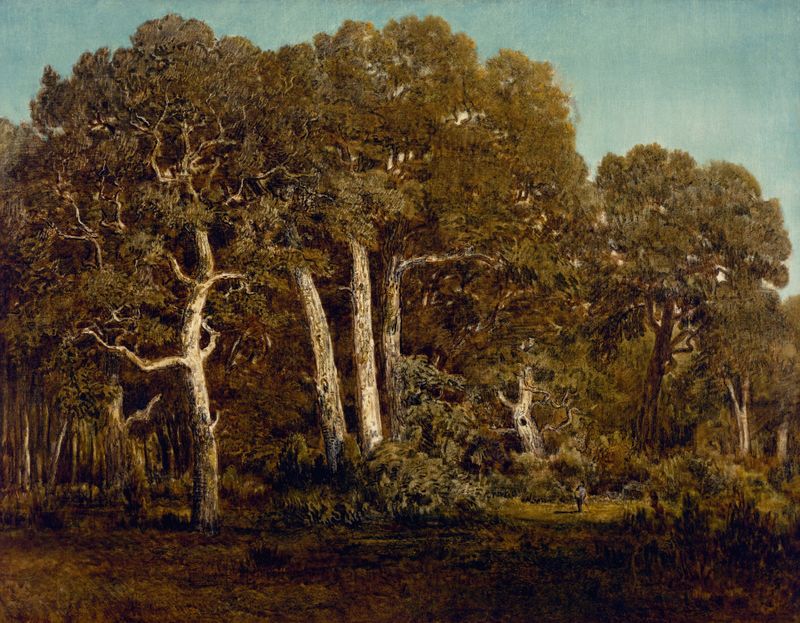
The Great Oaks of Old Bas-Bréau
Théodore Rousseau
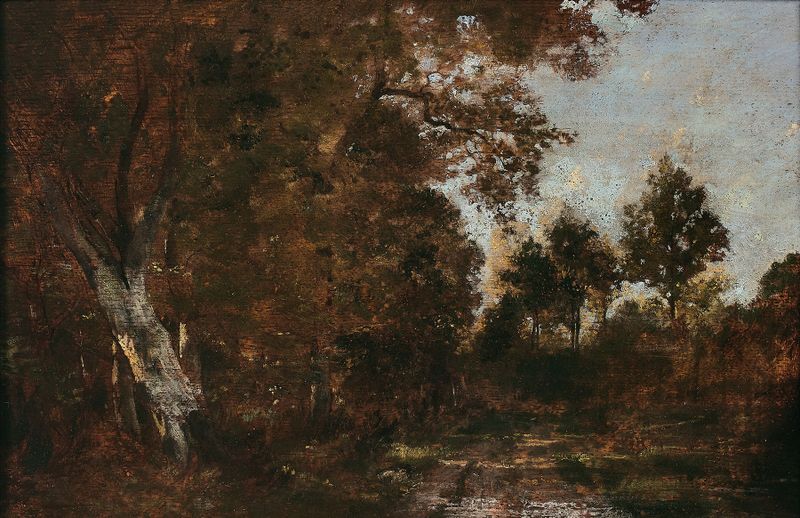
Paysage de sous-bois
Théodore Rousseau
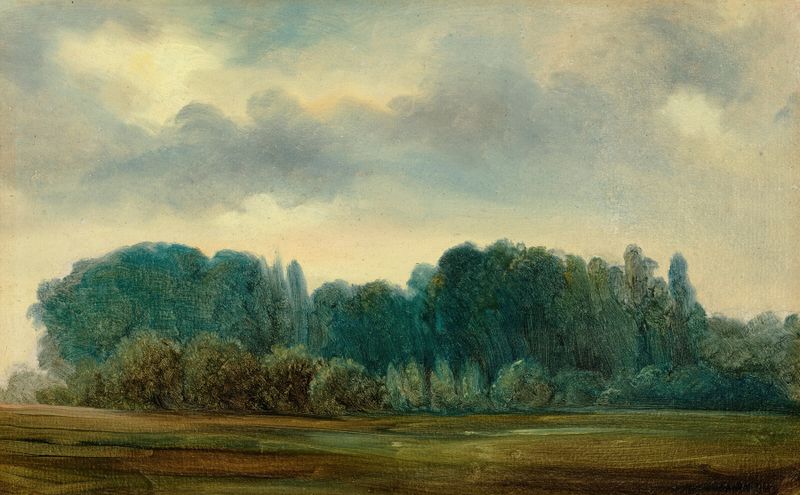
Paysage
Théodore Rousseau
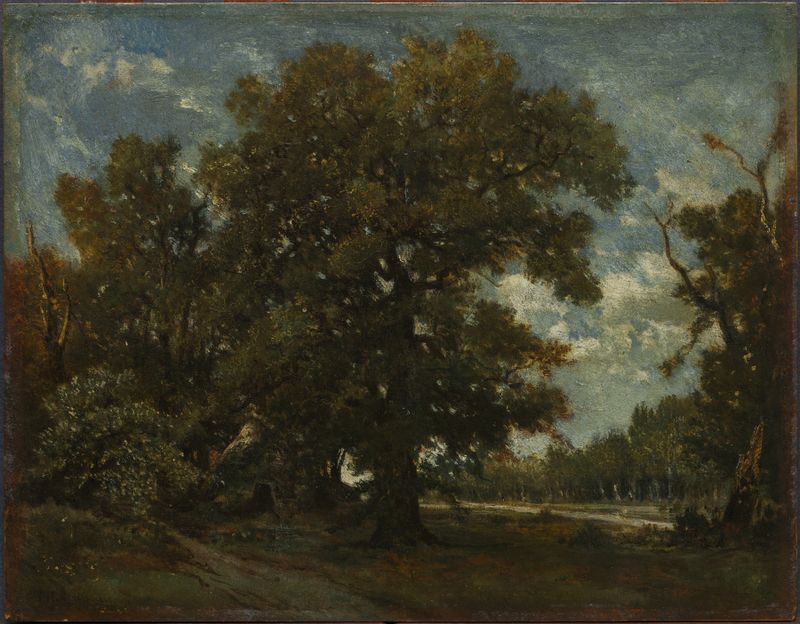
The Oak Tree
Théodore Rousseau
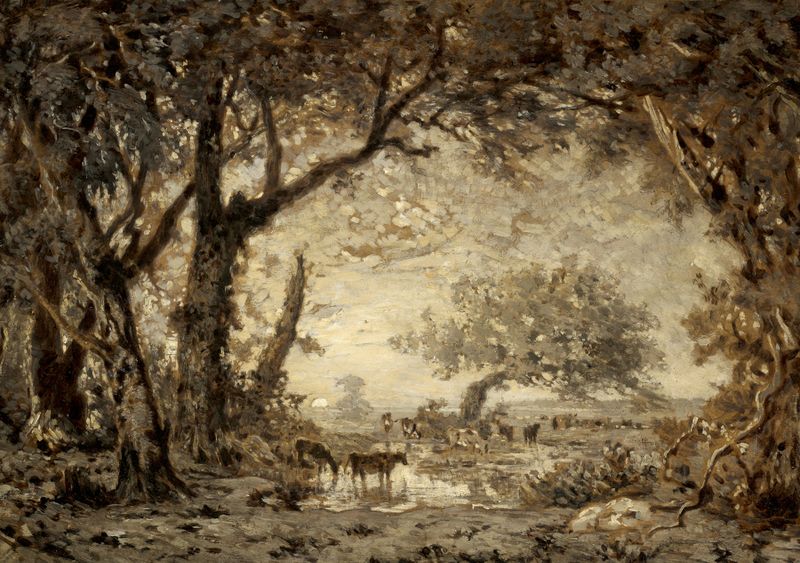
Sunset from the Forest of Fontainebleau
Théodore Rousseau
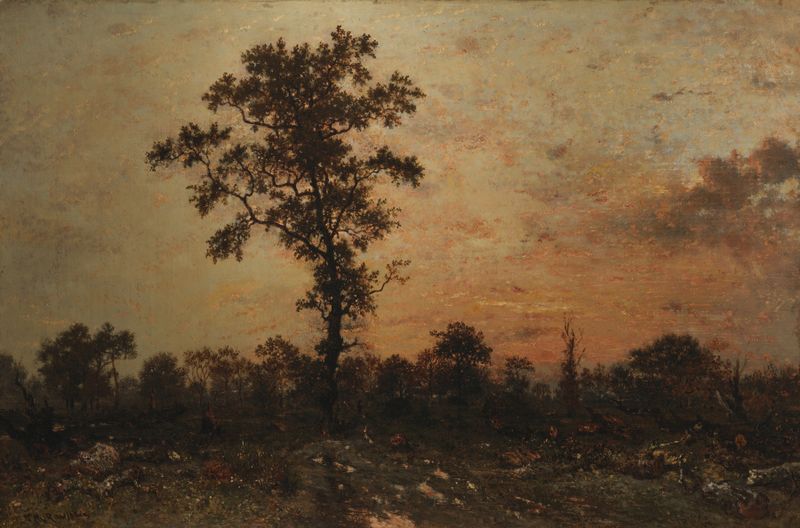
Edge of the Forest, Sun Setting
Théodore Rousseau
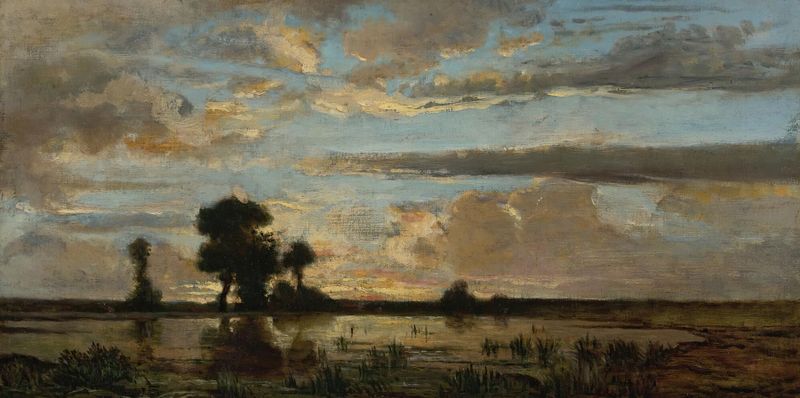
Soleil Couchant
Théodore Rousseau





